Full Article
about O Páramo
Hide article Read full article
O Páramo: Lo Que Se Ve Cuando Bajas la Marcha
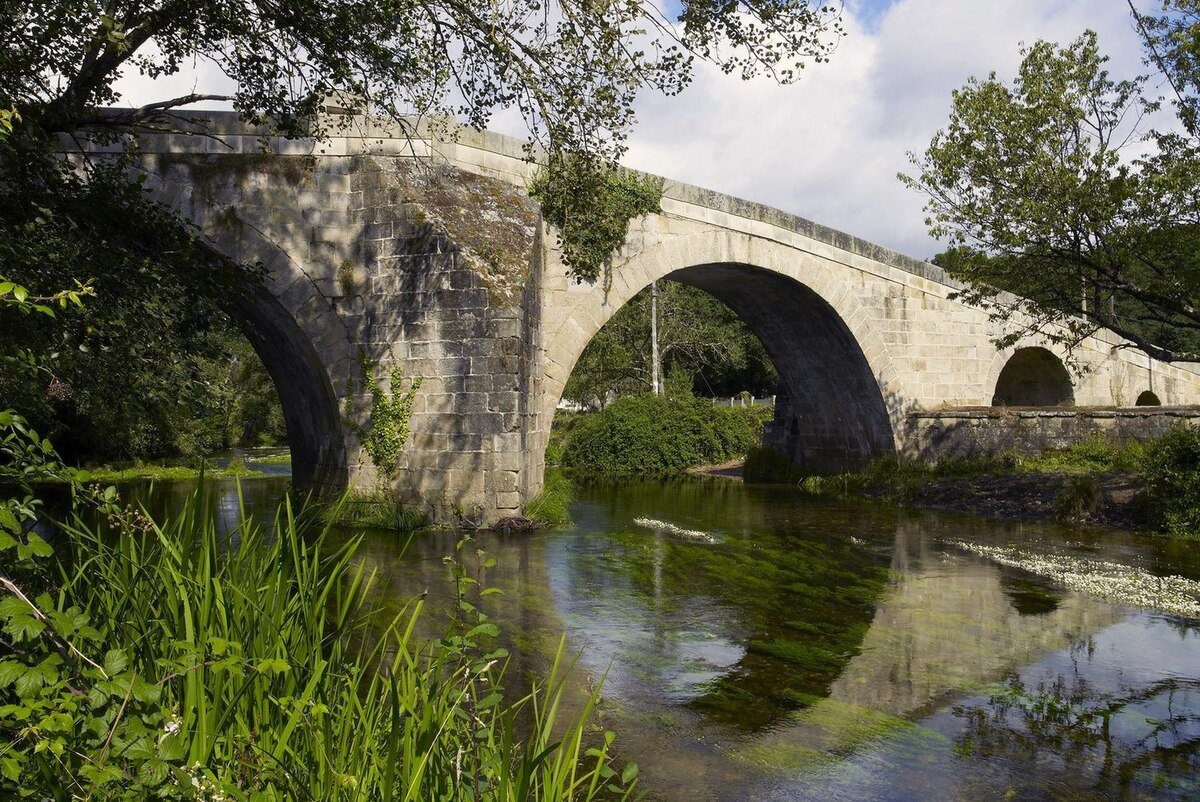
Hay sitios que no se visitan, se atraviesan. Vas por una carretera comarcal, levantas el pie del acelerador en una curva y al mirar por la ventana piensas: aquí la gente lleva viviendo siglos. O Páramo es ese tipo de lugar. No vas con un plan, vas porque te ha pillado de paso o porque has decidido desviarte un rato. El turismo aquí es eso: fijarte en lo que normalmente solo ves de refilón desde el coche. Casas bajas de piedra, muros que parten prados verdes y, en algún sitio cerca, el rumor del río Ladra.
No hay un centro compacto donde aparcar y empezar una ruta señalizada, como en otros pueblos. O Páramo es un municipio disperso en aldeas y parroquias. Cuando asumes eso, el viaje cambia. Dejas de buscar una plaza mayor y empiezas a leer el territorio como una colección de fragmentos donde se vive.
Parroquias, Piedra y Horarios Propios
Cada parroquia tiene su núcleo pequeño y su ritmo. Con cinco minutos en coche aparece otra iglesia, otro grupo de casas, otra media docena de hórreos mirando al campo. Esos graneros elevados sobre pilares de piedra, típicos de toda Galicia, aquí siguen siendo parte del paisaje productivo. No son decoración.
En Santa María de Logoso, la iglesia parroquial tiene ese aspecto sobrio que se repite por toda la provincia de Lugo: piedra gris, poca ornamentación y un cementerio anexo que sigue formando parte del día a día. No está remodelada para nadie; cumple su función.
A su alrededor, en aldeas como Xuances o Castelo, las casas de granito con corredores de madera comparten espacio con hórreos levantados sobre muretes bajos. Algunas propiedades están cuidadas; otras muestran grietas, humedades o arreglos hechos con más sentido práctico que estético. Ese contraste tiene interés. Nada parece preparado para la foto.
Si sueles fijarte en los dinteles de las puertas, los marcos de las ventanas o cómo se construyen los muros de linde, aquí vas entretenido. Los detalles son sutiles pero constantes.
El Ritmo Lo Marca el Ladra
El río Ladra cruza parte del municipio y le da otro aire al entorno. No es un río espectacular; es constante. En verano baja tranquilo; tras unos días de lluvia se nota más su presencia.
Cerca de sus orillas hay alisos y sauces, y ese olor a tierra húmeda tan gallego. Hay tramos por los que se puede caminar sin mucha planificación: senderillos informales, pistas de tierra y prados abiertos al lado. Es campo en uso, no un paseo fluvial diseñado.
No esperes pasarelas de madera o carteles cada cien metros. Esto sigue siendo terreno agrícola. Los caminos son informales porque así se usan. La gracia está en ir despacio junto al agua, escuchando más que buscando un mirador concreto.
Perderse (Un Poco) Por Las Carreterillas
Una de las cosas más satisfactorias que hacer en O Páramo es también la más simple: recorrer sus carreterillas rurales a pie o en bici.
Son estrechas y con poco tráfico; conectan aldeas, granjas y pequeñas parcelas. El terreno ondula más que subir con fuerza; son cuestas suaves. Es el tipo paseo en el que la atención se te va a los lados.
Vacas pastando tras un muro bajo. Un tractor pasando a su ritmo pausado. Una casa antigua que lleva años cerrada, con las persianas echadas y el jardín fundiéndose con el campo… No hay una ruta fija que completar ni una lista qué tachar.
Las distancias engañan: en el mapa todo parece cerca pero las carreteritas sinuosas hacen que tres kilómetros se te hagan más largos de lo previsto.Conducir requiere paciencia –y GPS– sobre todo para no colarte por una pista agrícola que termina abruptamente en una finca privada (pasa más veces de las que crees).
Comer Lo Que Hay Alrededor
La comida aquí va muy ligada a lo cercano: ternera gallega, embutidos caseros del país, queso tetilla o miel local tienen peso. En algunas épocas del año las fiestas parroquiales o ferias pequeñas son el momento donde estos productos toman protagonismo.No son eventos gastronómicos elaborados; la cocina suele ser directa y contundente.Platos que saben a recetas domésticas con arraigo,más que a reinvención. Comer sigue la misma lógica que el paisaje: práctico,y marcado por lo que da esta tierra.
Dónde Empezar (Si Hace Falta)
Si tienes poco tiempo,puedes tomar Logoso como referencia.Desde allí es fácil moverse por los alrededores ver algún hórreo grande junto al antiguo cementerio,y si la iglesia está abierta entrar un momento.Dentro predominan los muros gruesos ,la decoración contenida,y esa sensaciónde edificio hecho para durar generaciones. Desde Logoso,a poco esfuerzo llegas a un tramodel Ladra para caminar un rato junto al agua.El paso dela iglesia parroquialal camino ribereño es natural;no hay frontera clara entre lo construido yel campo. O Páramofunciona mejor cuando bajaslas expectativasde “cosas qué ver”.No es undestino demonumentoso fotos rápidas.Es unmunicipio rural gallegoque sigue funcionando hoy dispersoen parroquias campos productivos e iglesias modestasque siguen anclandoa sus comunidades. Puede sonar simple.Y precisamenteahí estála clave