Full Article
about Paradela
Ocultar artículo Leer artículo completo
The road to Paradela corkscrews upward through chestnut woods so dense that satellite navigation gives up. One moment you're following the pilgrim traffic on the N-540 towards Sarria; the next, a left turn drops you into folds of green where stone walls hold back meadows steeper than any Cotswold escarpment. Mobile signal flickers out. The temperature falls three degrees. You've arrived somewhere the guidebooks forgot to index.
A Parish Map Rather Than a Village
Administratively Paradela exists—5,000 souls spread across 28 tiny parishes—but there is no chocolate-box centre to photograph. Instead, low granite houses appear in clusters: one hamlet straddling a ridge, another tucked into a river bend, each with its own church, bread-oven and communal threshing floor. The council has painted brown signs to half-a-dozen of them—Foxado, Ombre, Vilar—but SatNav still pronounces the Galician x as an English k, so "Fok-sad-doe" becomes a private joke for anyone arriving from Exeter or Falkirk.
What holds the scatter together is walking. Medieval paths, now way-marked as the Ruta dos Castros, link the parishes in a loose necklace. None is longer than 8 km; all can be folded into an afternoon without repacking the full OS kit. Expect cowpats, expect gates that shut themselves with a length of chain, expect a farmer on a quad bike who waves you through with the same gesture he'd use for a neighbour. You will not meet souvenir stalls.
Stone, Wood and the Smell of Birch Smoke
Heritage here is functional. Hórreos—those rectangular granaries on stilts—still store maize for chickens; a few have been converted into studio flats, but most stand beside working veg patches. Their stone bases are carved to stop rats climbing, a detail that deserves a Blue Plaque yet passes without comment. Similarly, the wayside crucifixes (cruceiros) look postcard-pretty until you notice the deep grooves where cartwheels have missed the bend for three centuries. Everything is scarred, polished, reused. Even the parish church of Santa María carries a Roman inscription upside-down in its porch, recycled by 12th-century builders who couldn't read Latin either.
Inside, the air is cool enough to make you zip your jacket in July. Light filters onto Baroque angels whose gilt has been thinned by parish economies and incense smoke. There is no ticket desk, no QR code, just a box for coins and a handwritten sign asking women to cover their shoulders. Drop in a euro, sit for five minutes, and the place belongs to you.
Beef, Chestnuts and the Ribeira Sacra Pour
Food expectations should be calibrated to the number of resident priests rather than Michelin inspectors. What arrives on china is what the family at the next table are eating: grilled beef from the valley, cabbage mashed with potato, a glass of local red lighter than Beaujolais. A Veiga Parrillada on the LU-633 will cook meat without paprika if you ask politely; otherwise you risk the full Galician spice rub that makes English palates reach for the water jug. Pulpo a feira comes in half-rations—order media ración to test the octopus without committing to a rubbery mountain. In October the same kitchens bake chestnut tarts, their sweetness closer to treacle tart than French mont-blanc. Vegetarians survive on tortilla and the world's finest potatoes; vegans should stock up in Sarria.
Drink is simpler. House wine arrives from the neighbouring Ribeira Sacra in unlabelled bottles because the grower is cousin to the owner. It's low-alcohol, almost Pinot Noir in weight, and travels badly—another reason Paradela will never become a stag-party strip.
Cycling the Empty Cat-4
British riders who've exhausted the cols of the Dordogne now talk about the Cruce-Paradela climb the way fishermen discuss secret stretches of the Test. Starting at the river Sil, it gains 280 m in 4.8 km—category four, average 5.9 %. Last July, a club from Kent recorded exactly four vehicles on the ascent between 09:00 and 11:00. The tarmac is smooth, the views switchback from vineyard to oak scrub to meadow where cows stare like bored spectators. Descend the far side and you roll straight onto the Camino Primitivo without a souvenir shop in sight. Bike-cleaning stations do not exist; bring your own baby-wipes and expect the chain to colour the hotel shower tray Galician black.
Winter Silence, Summer Oxygen
April and late-September give you wildflowers or chestnut bronze without the mid-summer furnace. In July the mercury can touch 34 °C on the valley floor; start walking at eight, retreat to shade by two. Conversely, December brings mist so thick you could lose the path crossing the lane. Roads ice quickly above 600 m—carry snow socks if you're driving a hire hatchback. Paradela is not cut off, but the council only grits the school-bus routes, and that doesn't include the lane to your Airbnb. Accept that plans may pivot to a fireside and a bottle of orujo.
What You Won't Find (and Might Miss)
There is no cash machine. Bars prefer euros in paper form and some add 50 c for card payments under ten. The small supermarket closes from 14:00 to 17:00 sharp; bread sells out by 11:00. Wi-Fi exists but limps along copper wires installed when Telefónica still had a monopoly. The nearest pharmacy is back down the mountain in Sarria—pack Imodium and plasters before you leave the airport. Finally, there is no curated sunset point, no artisan gin distillery, no pottery workshop with a bilingual punter. Nightlife is a bench outside the cafetería, a bottle of Estrella and the Milky Way unpolluted by sodium streetlights. Some evenings a local strums Galician bagpipes; more often you hear only dogs and the river.
Two Hours, or Two Days?
If time is short, park by the church of Santa María, walk the 3 km loop signed Poza da Ferida through chestnut coppice and back along the Bidueiral stream. You'll pass three hórreos, one working water trough and a meadow where horses wearing cowbells sound like Swiss postcards. The whole circuit takes 45 minutes, leaving enough margin for coffee and a slice of almond tart in Bar Carmen before the sierra shutters descend.
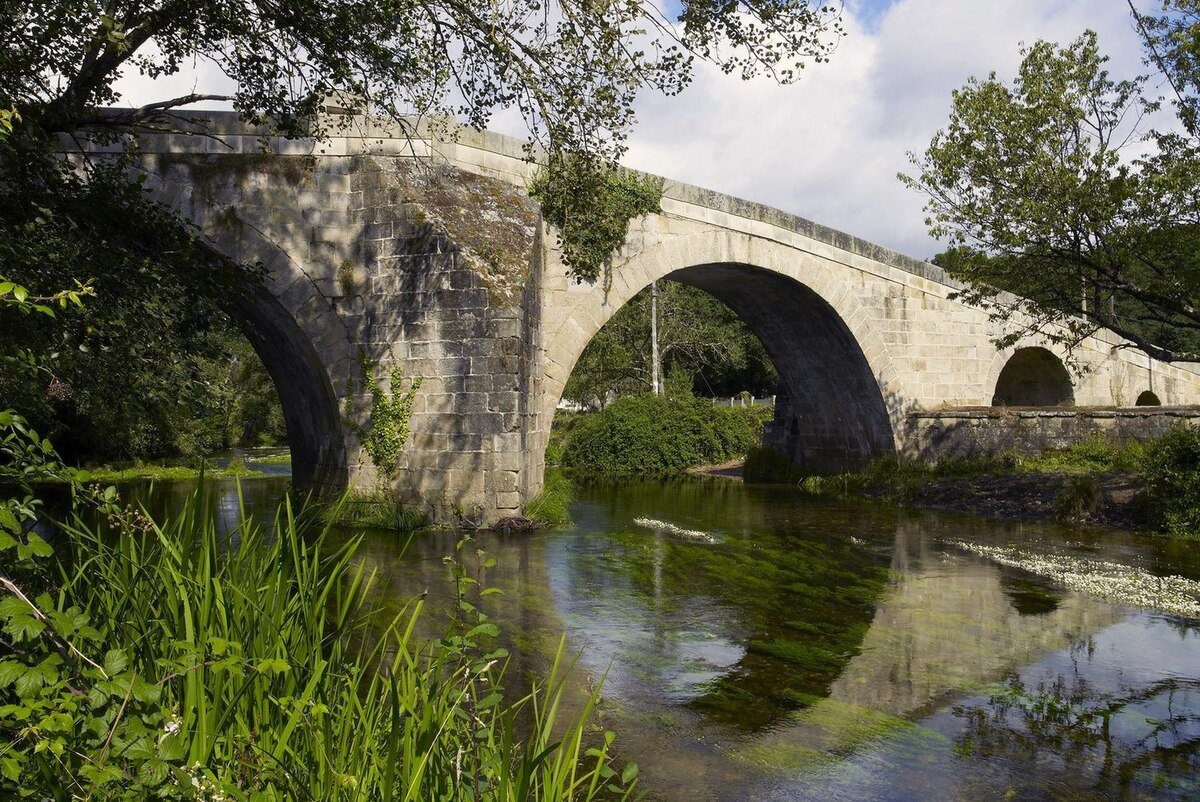
Stay longer and you can stitch day-walks into a DIY inn-to-inn route: taxi up to Foxado, descend through Ombre's oak woods, follow the Sil gorge to the medieval bridge at Ferreira, then ring for a lift back. Total distance 14 km, cumulative descent 650 m—knees will know about it tomorrow, but the picnic spot beside abandoned watermills is worth the jelly-legged finale.
The Honest Verdict
Paradela suits travellers who have already seen Seville's cathedral and Barcelona's mosaics and now want the Spain that Spaniards keep for themselves. Come prepared for rural practicality: pack waterproofs, keep coins in your pocket, download offline maps. Accept that you are peripheral to daily life here—welcome, certainly, but not essential. If that feels lonely, stay on the coastal camino where Wi-Fi and pub quizzes abound. If it sounds liberating, Paradela offers space, silence and the small thrill of discovering a stone cross that no heritage agency has yet fenced off. You may leave without a fridge magnet; you will carry away the smell of birch smoke and the memory of night skies we lost in Britain sometime in the 1950s.