Full Article
about Forcarei
Hide article Read full article
Mention tourism in Forcarei and most people will immediately think of the monastery of Aciveiro or the surrounding hills. Yet there is another way in. The first watermill appears barely five minutes into a walk. It stands quietly beside the path, almost casually. Then comes another, and another.
After passing several, the pattern becomes clear. At one point there were said to be close to three hundred mills scattered across the area. It sounds excessive, until you consider the steady flow of water coming down from the sierra. Families once made the most of it, building their own mills and tying daily life to the river’s rhythm.
That relationship with water still defines Forcarei. Even when the mills no longer grind grain, they remain in place, marking out a valley that for centuries looked towards the river for its livelihood.
Santa María de Aciveiro: Silence Above All
Santa María de Aciveiro dates back to the 12th century and sits halfway up a hillside. It is the sort of place that looks good on a postcard, although its appeal does not feel designed for social media. The building seems to withdraw into its surroundings rather than announce itself.
Visitors leave the car park and continue on foot. By the time the monastery comes fully into view, the reason for choosing such a site begins to make sense. Up here, the rest of the world feels distant.
The church and cloister matter, of course, but the strongest impression is the silence. Mountain silence has a particular quality, broken only by wind shifting through chestnut trees. The setting explains why monks sought out places like this, far from distraction and noise.
It rewards a slow circuit. Walk around without rushing and resist the urge to photograph every stone. The experience lies more in moving through the space than documenting it.
The Route Where You Lose Count of the Bridges
The PR‑G 113, known as the Ruta das Pontes, covers around thirteen kilometres and crosses the river repeatedly. Several stone bridges punctuate the route. It begins in Aciveiro with a burst of energy and quickly reaches the first crossing, often described as Roman. At that point it feels promising.
Further along, more bridges follow in steady succession. Some show clear signs of age, with worn stone and low arches. Others appear to have been rebuilt more than once after river floods. Water dictates the terms here, and heavy rain makes that obvious.
The route suits those who prefer to walk without haste. Forest closes in for long stretches, the river stays close for much of the way, and the bridges continue their quiet task of carrying people from one bank to the other. They have done so for centuries.
It helps to come prepared. There are no bars halfway along the trail. Bring water and something to eat, especially in warmer weather. The focus here is on the landscape and the rhythm of walking, not on facilities.
High Ground and Old Snow Pits
One of the more curious plans in the area involves heading up to the local astronomical observatory. It stands on one of the mountains that ring Forcarei. The forest track leading up already suggests that this is not as frequented as some better-known viewpoints elsewhere.
The attraction is not limited to the sky. The view stretches across hills in every direction, as if Galicia has switched into panoramic mode. In many spots, mobile reception simply disappears. The sense of removal from everyday noise feels complete.
Nearby, old “neveras” or snow pits survive. These excavations were once used to store compacted snow for producing ice. It is hard to picture today the effort required to maintain such a system. Their presence adds another layer to the story of how people here worked with the mountain climate rather than against it.
A Town That Does Things Its Own Way
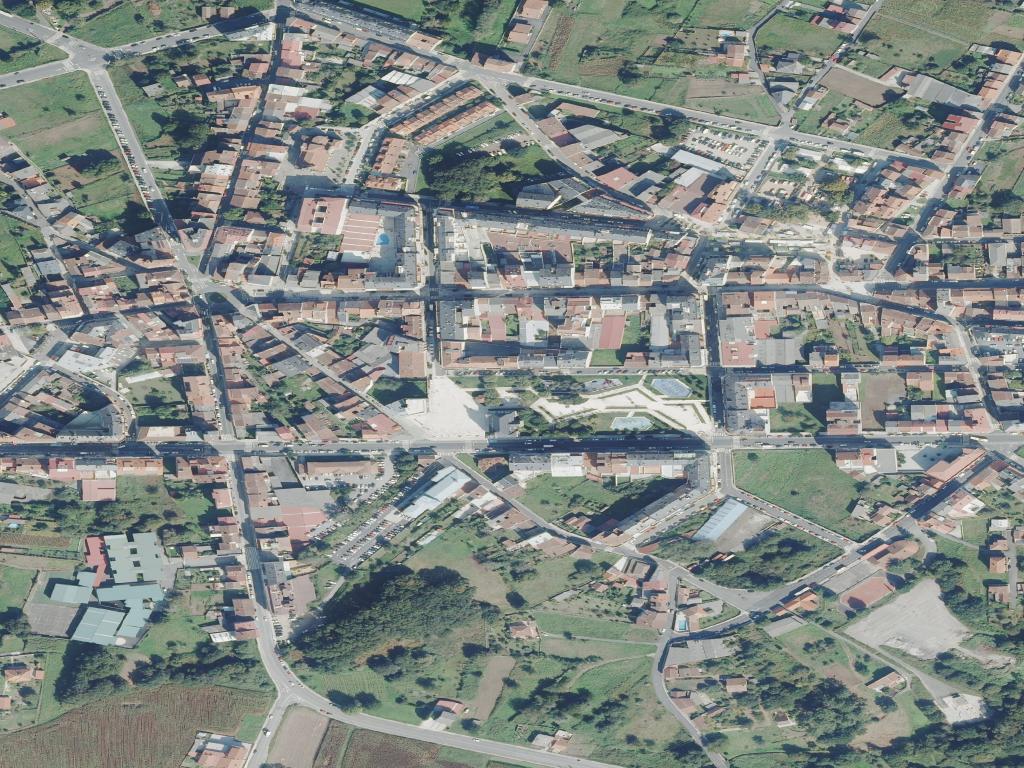
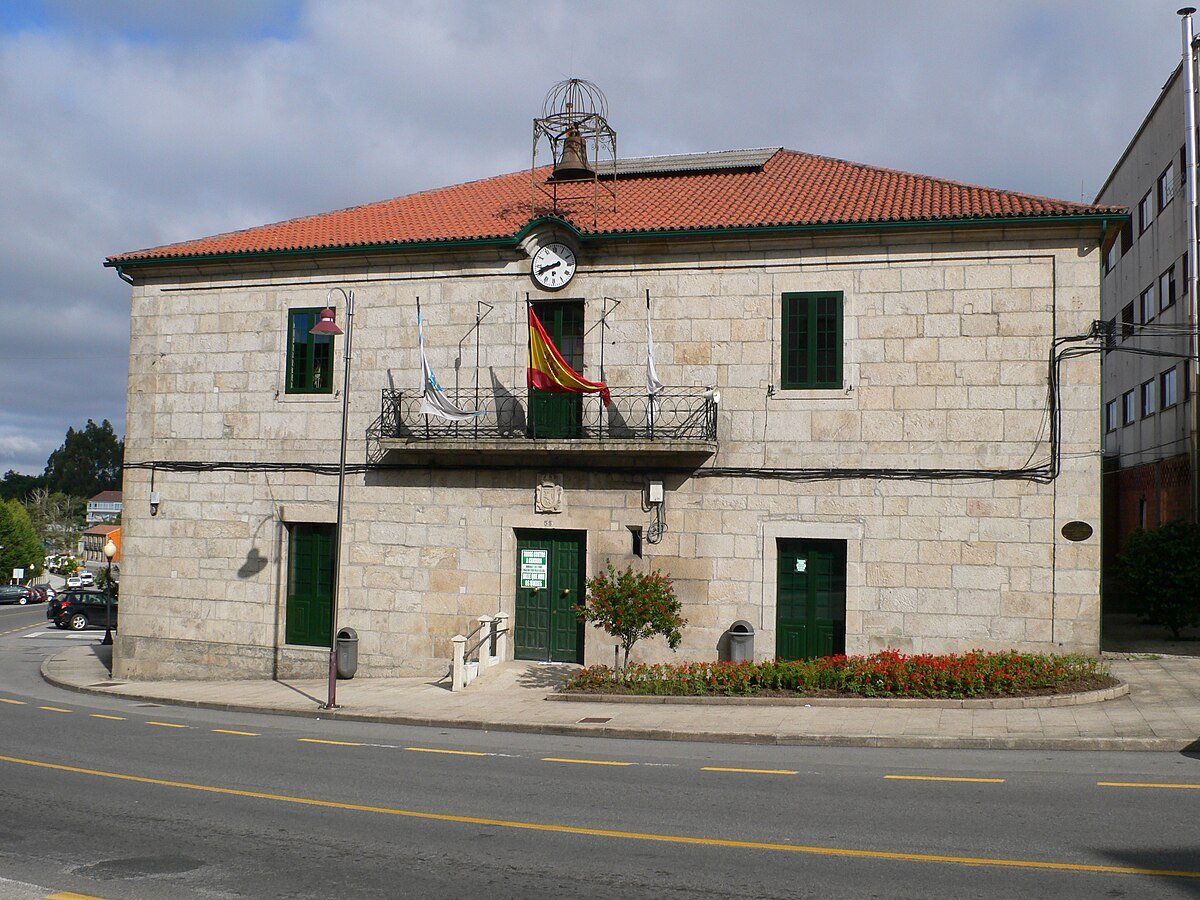
Forcarei itself does not operate like a town arranged for visitors. The centre is straightforward, with granite houses and daily life unfolding without much theatre. People greet each other in Galician. Cars pass slowly. An outsider attracts some attention, but not much.
Then there is the karting circuit. For a municipality of just over three thousand inhabitants, it is surprisingly serious. The first time it comes up in conversation it can sound like a joke. It is not. At weekends there is noticeable activity, with young drivers arriving from across the surrounding area.
That mix captures Forcarei rather well. A medieval monastery shares space with dozens of mills hidden in the forest and a motor racing circuit that draws a crowd. None of it feels forced.
Those considering a visit might look to the warmer months, when heat presses down on other parts of Galicia. Up here, a bit of air tends to move through the hills. The mountains offer relief, the bridges offer a reason to walk, and the mills stand as reminders of a valley shaped by water and time.