Full Article
about A Pastoriza
Ocultar artículo Leer artículo completo
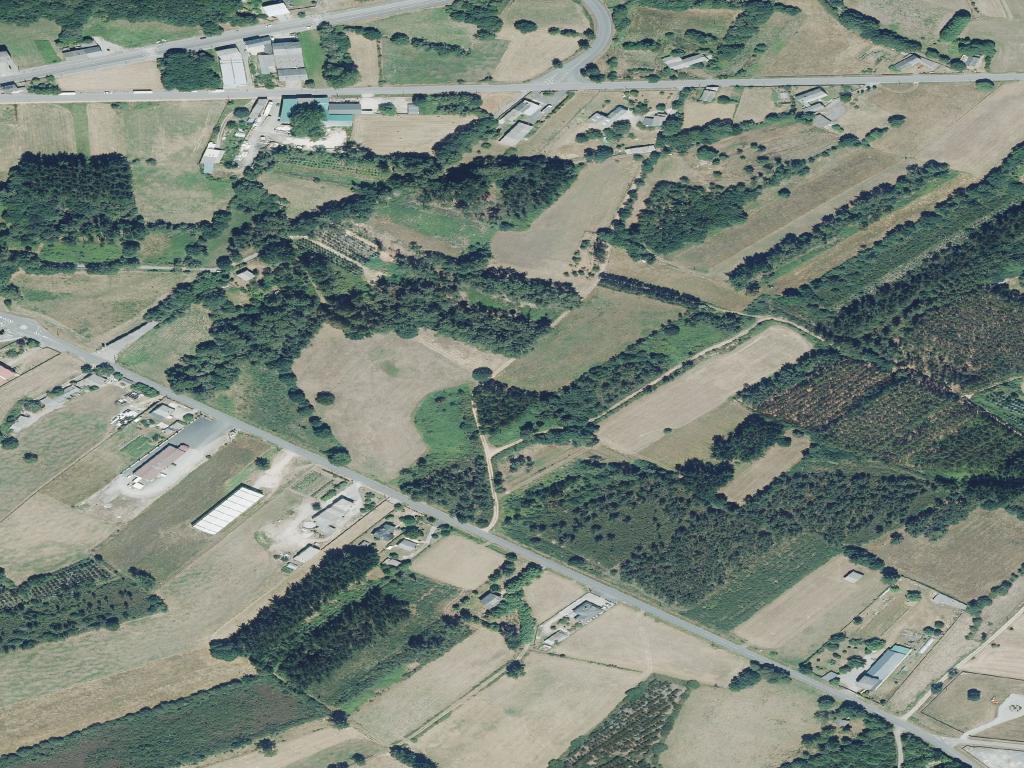
The fields around A Pastoriza stretch so wide that the horizon seems to sag at the edges. This is Terra Chá—literally “flat land”—a high plateau of wind-combed grass and scattered stone crosses that feels closer to the East Anglian fens than to the Celtic-green coast most Brits associate with Galicia. At 500 m above sea level the air is cooler than in Lugo, 25 km to the south, and the light has a pale, chalk-board quality that makes every stone hórreo (grain store) stand out like a punctuation mark.
Why you stop here, not drive through
Most foreign number plates race past on the LU-530, bound for the Camino Primitivo or the coast. That is the first mistake. The second is assuming A Pastoriza is a single nucleated village; it is actually a loose federation of 50-odd hamlets spread over 175 km². The council website lists “parroquias” rather than streets, and the parish church you are aiming for may still be 8 km beyond the sign that announces you have arrived. Navigation patience is compulsory.
What justifies the detour is the chance to see a working rural landscape that has not been tidied up for tourists. Instead of gift shops you get tractor depots; instead of tasting menus you get a slab of churrasco and a beer for €9 in a bar where the television is permanently tuned to horse-racing. The reward is zero crowds and a crash course in how Galicians actually live when the tour buses have gone home.
One church, a thousand kilometres of grass
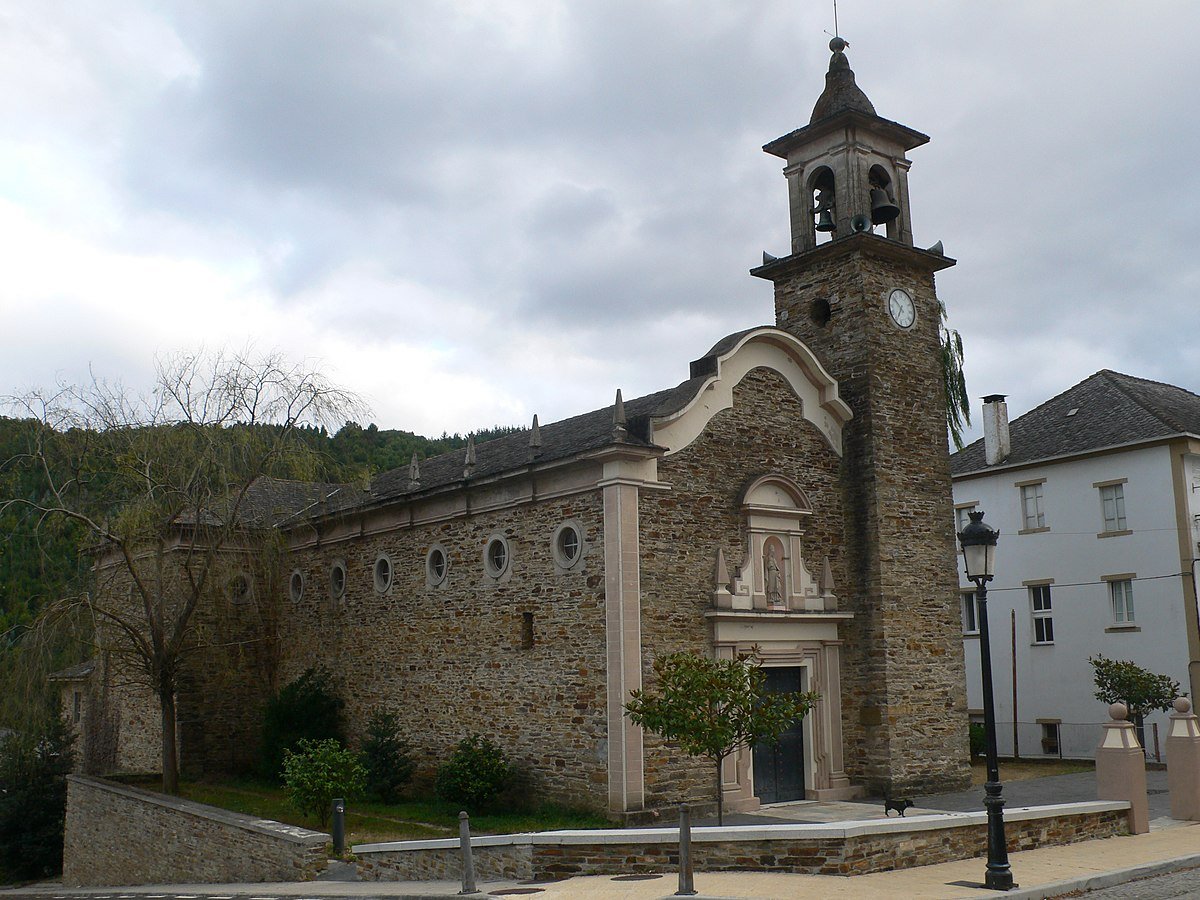
Start at Santa María de Bretoña, a pre-Romanesque core wrapped in later additions. The building is locked more often than not, but the graveyard is always open and the view across the meadows is the real exhibit. Stand at the north wall and you can trace the old Roman road that once ran from Lucus Augusti (Lugo) to the gold mines of the Navia; it is now a farm track wide enough for a single combine harvester.
From the church it is a ten-minute drive—or a 40-minute stride along a farm lane—to the hamlet of Goiriz. Nobody will charge you to wander, and the only hazard is an enthusiastic farm dog. Count the hórreos: stone legs, slate roof, mouse-proof overhang. The oldest date from the 1700s and are still used to store corn, not Instagram props. If you meet an owner, the polite greeting is “bos días”; switch to Spanish only if you draw a blank.
Castro de Saa, a tiny Iron-Age fort on a knoll 4 km west, gives the only real elevation in sight. The interpretive panel is sun-bleached into near illegibility, but the 360-degree panorama over the Miño valley is worth the calf stretch. Entry is free, opening hours perpetual, and you will probably share the breeze with half a dozen cows.
When the supermarket is the information office
There is no tourist office in A Pastoriza. The nearest equivalent is the Covadonga supermarket on the main street (Mon–Sat 09:00–14:00, 17:00–21:00; closed Sunday). Ask for a “mapa de pistas” and the woman at the till will fish out a photocopied sheet originally run off for hunters. It marks the farm tracks that link the parishes; follow the dotted lines and you cannot get spectacularly lost because every path eventually hits a tarmac road. Mobile signal is patchy, so screenshot the route before you set out.
Stock up here if you are self-catering: the next shop is 12 km away in Meira, and the village bakery only opens on Friday and Saturday mornings. Cash is king—many bars will not accept cards under €10, and the last ATM sits beside the petrol station in Meira, so fill your wallet before you arrive.
What you eat and where
Galician cuisine is usually shorthand for seafood, but 70 km from the coast the menu shifts to meat and cheese. In Bar O Castro, Reigosa (look for the orange plastic chairs), the pulpo a feira is simmered in copper cauldrons and arrives purple, tender and dusted with pimentón. A half portion feeds two; ask for “media ración” to avoid waste. If octopus feels a stretch, order churrasco—pork shoulder butterflied and char-grilled until the edges caramelise. Chips come as standard, salad is an optional extra, and the house wine arrives in a plain glass bottle that started life holding lemonade.
Vegetarians can usually cobble together a meal from empanada de zorza (spiced potato and onion pie) and the local tetilla cheese, a mild cow’s-milk disc shaped like its namesake. Dessert is either tarta de Santiago or nothing; the almond tart is universally popular even among people who claim they are full.
For something stronger, the Covadonga fridge stocks Miño 1905, a blond craft beer brewed 30 km down the road. At €1.95 for 33 cl it is cheaper than water in most British pubs.
Where to sleep (and why you might not)
Accommodation is thin. The only lodging with any online footprint is Hotel Cabana on the eastern edge of the village: 14 rooms, two stars, no lift, €55 a night with breakfast. A TripAdvisor reviewer from Auckland summed it up as “very basic, no English spoken, but owners are kind; bring your own translation app.” If that sounds too spartan, base yourself in Lugo and day-trip. The drive takes 25 minutes on the LU-530, a straight run through eucalyptus plantations that could double for a forestry commission road in Argyll—except the verges are lined with cactus.
The seasons, honestly
Spring arrives late on the plateau; morning frosts can linger into April, but the grass is green and the verges explode with yellow gorse. Autumn is the sweet spot: stable high pressure, daytime 22 °C, nights cool enough to justify the pub fireplace. Summer is warm rather than hot—highs around 28 °C—but the breeze stops it feeling sticky. In winter the LU-530 is occasionally closed by snowdrifts, and the landscape turns the colour of cardboard. Unless you fancy walking in wellies while being buffeted by Atlantic gales, visit between mid-April and mid-October.
How long do you actually need?
Half a day is enough to see the church, stroll a farm lane and eat octopus. If you are happy to drive from hamlet to hamlet, allot four hours. Staying overnight only makes sense if you have a specific interest—birding, photography, or an urge to hear absolute silence once the tractors switch off. Otherwise treat A Pastoriza as a side order to Lugo’s Roman walls or the Camino Primitivo further north.
The truth in plain English
A Pastoriza will never feature on a “Top Ten Galician Villages” list because it refuses to perform for the camera. There are no souvenir stalls, no scenic mirador car parks, no sunset viewpoints. What you get instead is an authentic slice of rural Spain where the day is measured by the clang of the church bell and the growl of a John Deere. Turn up expecting postcard Galicia and you will drive away disappointed. Come prepared to walk, to look, and to eat what the locals eat, and the plain rewards you with something the coast cannot: space, quiet, and the realisation that “nothing to do” can be a perfectly acceptable travel plan.