Full Article
about Begonte
Hide article Read full article
Begonte: la llanura como territorio
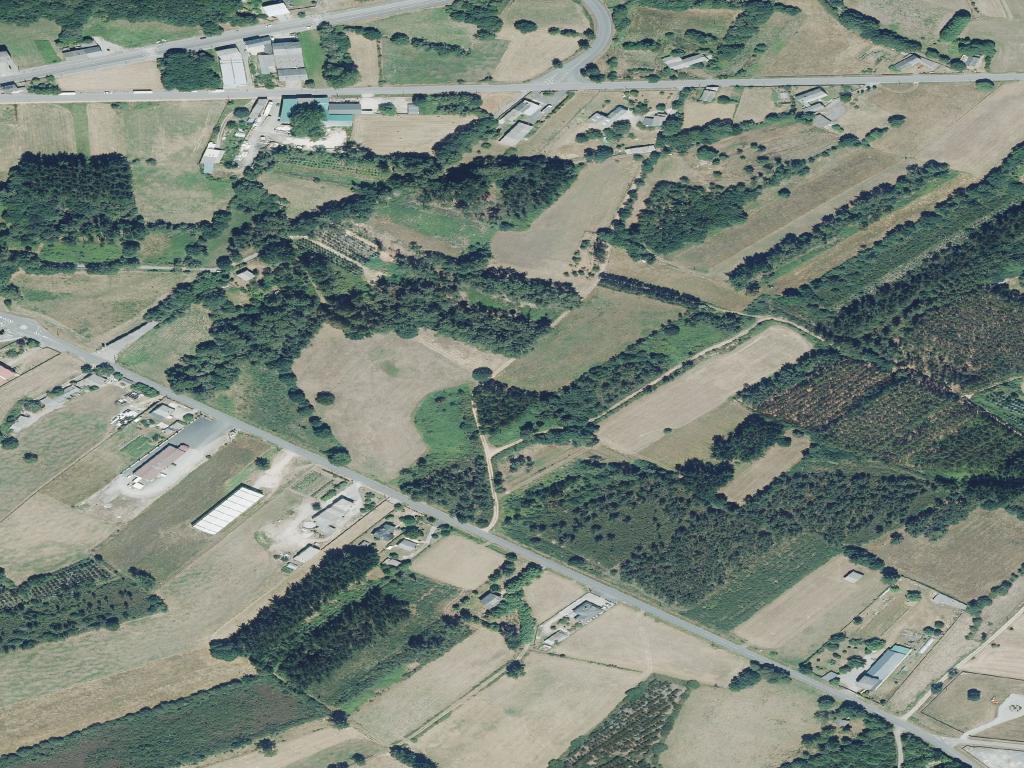
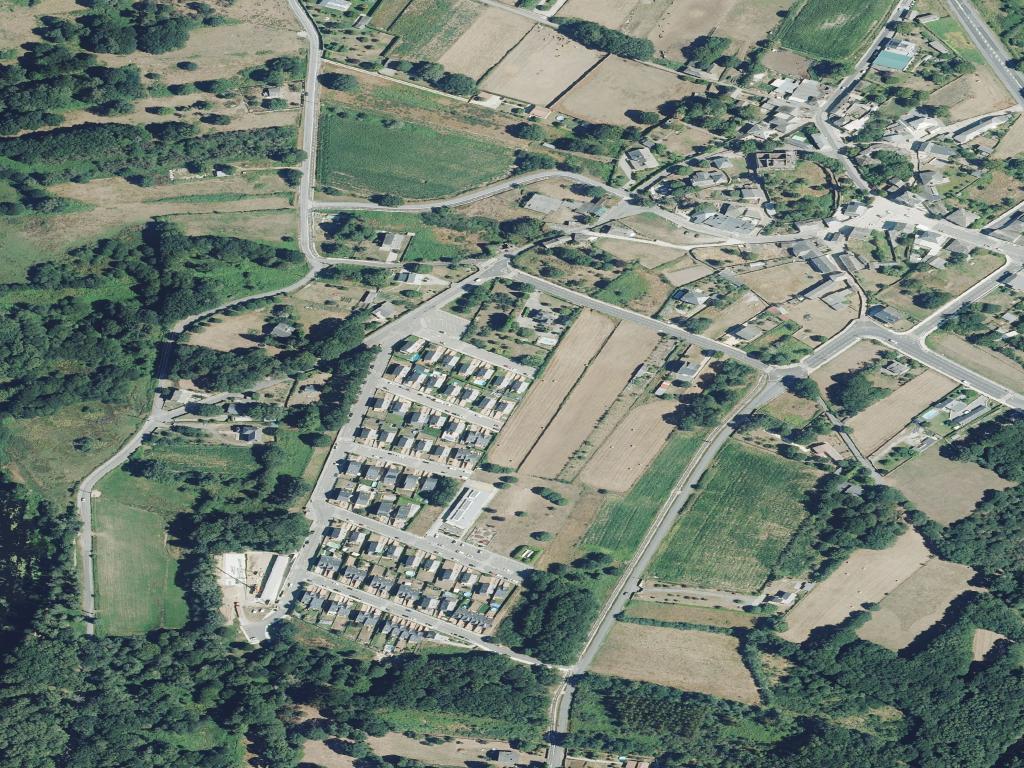
La geografía explica casi todo en Begonte. Este municipio de la provincia de Lugo ocupa una porción de Terra Chá, la extensa llanura interior de Galicia. El horizonte se mantiene bajo, interrumpido solo por pequeños bosques y las líneas de setos que separan prados. Es un paisaje de ganado y agricultura, donde los núcleos de población se dispersan en diecinueve parroquias. El cambio, cuando llega, lo hace con lentitud.
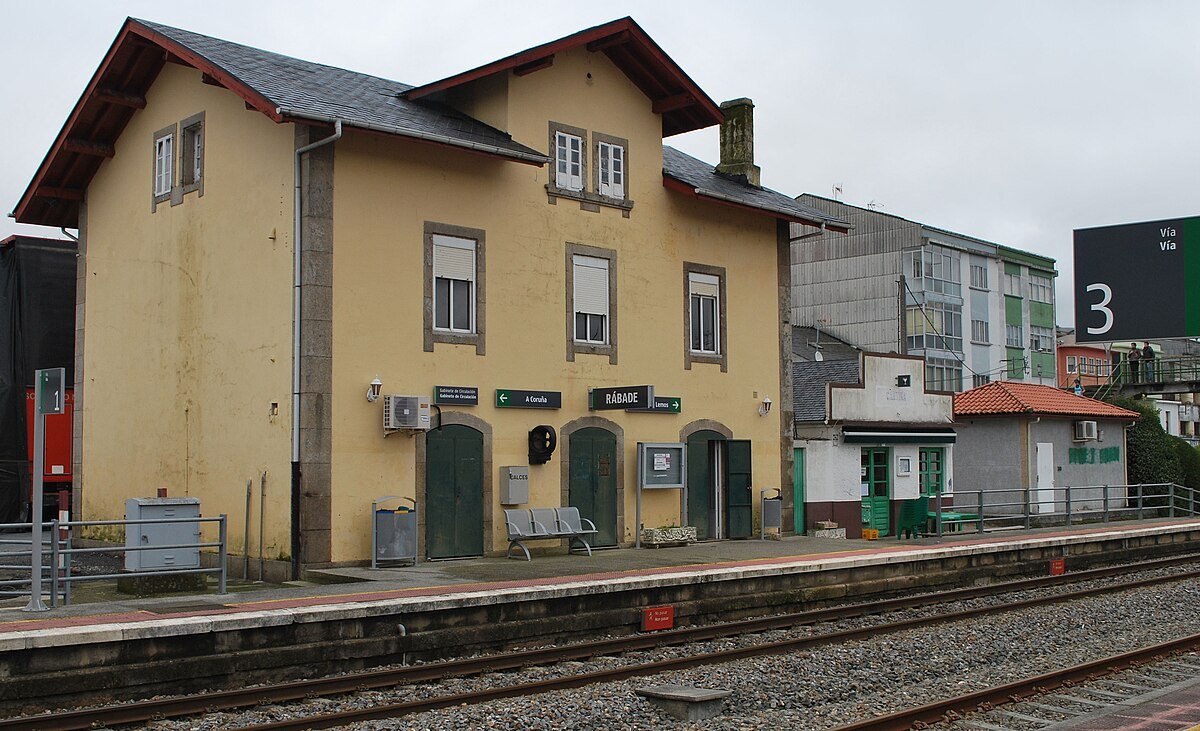
A mediados del siglo XX, el tren paró en la vecina Rábade, a unos tres kilómetros. Begonte continuó su curso, anclado en una economía agropecuaria y una vida organizada alrededor de las parroquias. Ese carácter, más que ningún monumento aislado, sigue definiendo el municipio.
Un nombre de origen incierto
Los documentos medievales del monasterio de Sobrado recogen el topónimo en varias formas: POGONTI, BOCONTI, BOGUNTI. Su etimología no está clara. Algunos estudios lo vinculan a una raíz celta, bog-, que podría significar ‘boca’ o ‘entrada’, quizás en referencia a los cursos de agua. El río Ladra cruza el término municipal antes de dirigirse al Miño. Aquí el agua no domina la vista, pero está presente en arroyos y suelos húmedos que sostienen el pasto.
Esta configuración del terreno ayuda a entender la estructura del municipio. Al no haber un centro histórico compacto, Begonte se experimenta como una sucesión de aldeas, tierras de labor y caseríos.
Cocina de invierno y producto local
La cocina aquí sigue un calendario doméstico. El plato más representativo es el cocido, el guiso contundente del interior gallego. Su base en Terra Chá es constante: grelos, patata, cerdo y chorizo, cociendo a fuego lento. En invierno no es raro que el olor a pimentón y caldo salga de las cocinas al mediodía.
La proximidad a Vilalba se nota en otra tradición comarcal: el capón de Navidad. Se trata de un gallo cebado durante meses con maíz para la mesa festiva. No es exclusivo de Begonte, pero forma parte de su contexto cultural.
La carne de vacuno de las explotaciones locales mantiene un peso importante en la economía municipal. La gastronomía nace de lo que produce la tierra y del ritmo de las estaciones.
Un belén mecánico con oficios del campo
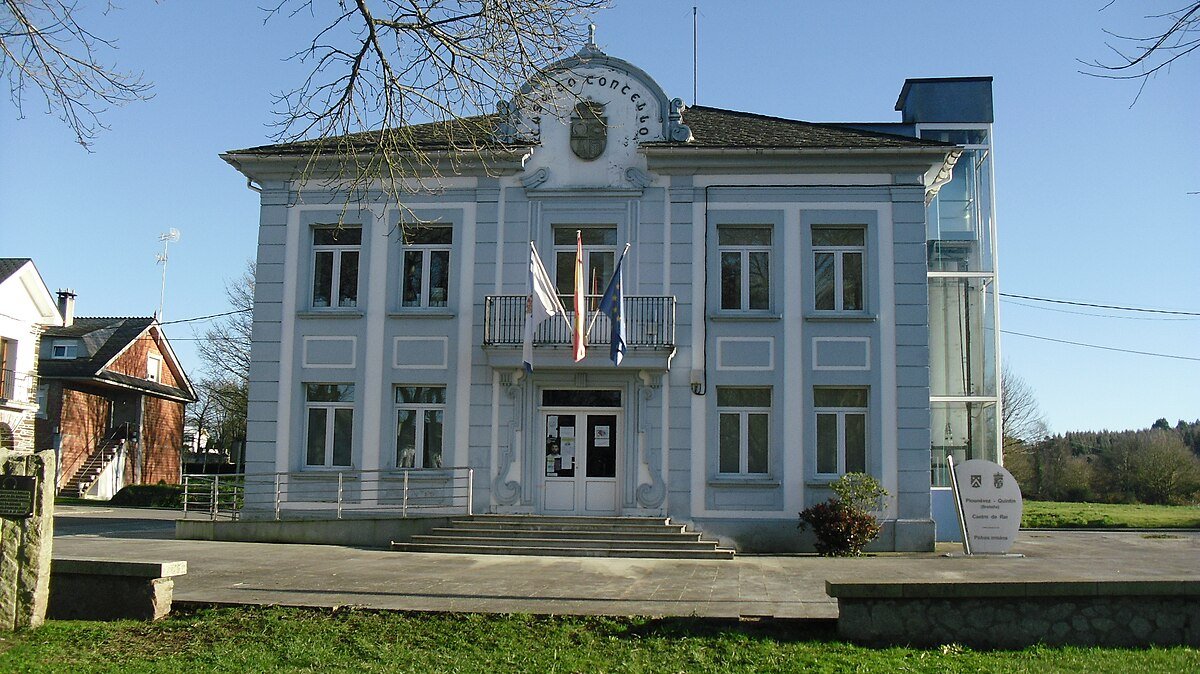
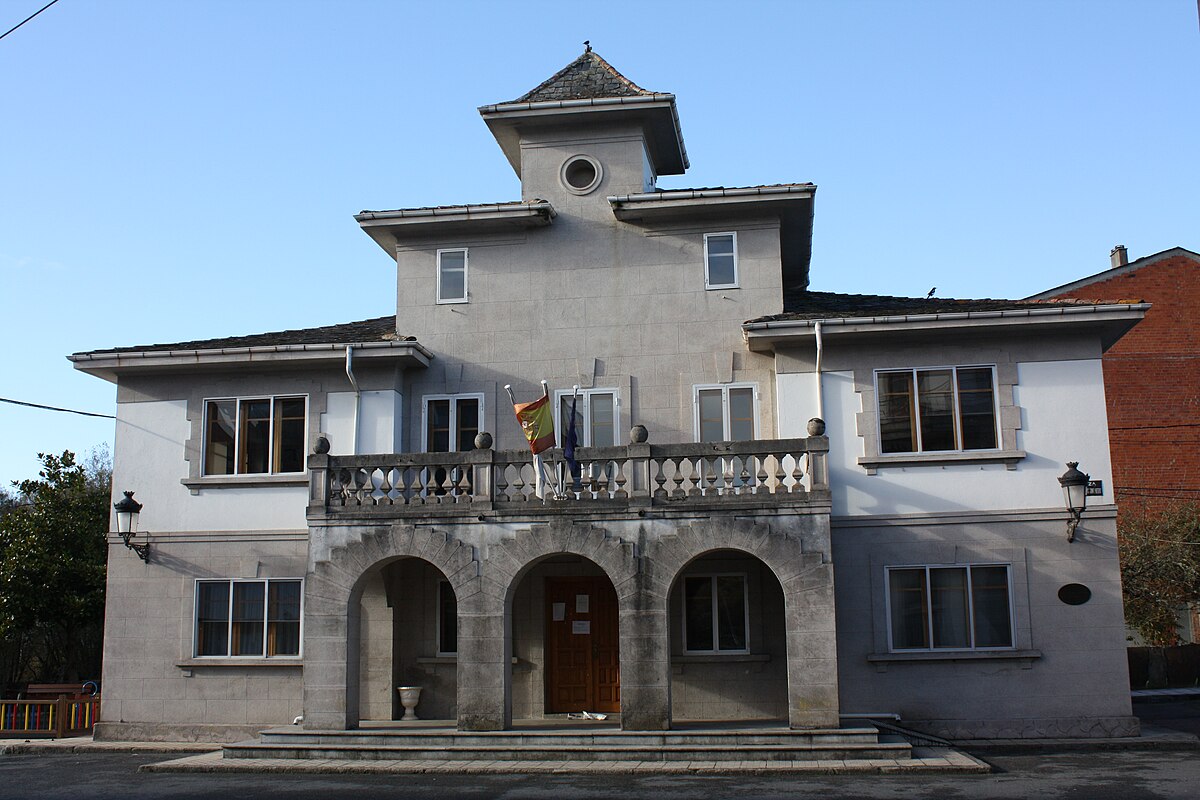
Desde principios de los años setenta, Begonte mantiene una tradición navideña particular: un belén mecánico que se instala en la Casa da Cultura durante las fiestas.
No es un nacimiento al uso. Las escenas, animadas con pequeños mecanismos, representan oficios tradicionales y labores del mundo rural gallego. Figuras cortan leña, trabajan la tierra o sacan el ganado. El conjunto resulta una traducción en movimiento y miniatura del entorno.
Con los años, este belén adquirió cierto reconocimiento dentro de la provincia y fue declarado Fiesta de Interés Turístico de Galicia. Incluso se elaboró una versión modelo que se presentó en el Vaticano.
Fuera de la Navidad, Begonte recupera su pulso habitual. La vida transcurre con más atención a las tareas del campo que al flujo de visitantes.
Iglesias, un castaño hueco y arte contemporáneo
El patrimonio religioso está tan disperso como la población. Muchas parroquias conservan templos de los siglos XVII y XVIII, construidos con la piedra oscura de la zona. La iglesia de Santa María de Begonte suele citarse como una de las principales.
En Baamonde, una aldea junto a la carretera que atraviesa el municipio, se encuentra uno de los elementos más singulares de la zona: un castaño viejo y de gran tamaño cuyo tronco hueco alberga una pequeña capillita con una imagen de la Virgen. El árbol sigue vivo. El interior se vislumbra a través de una reja que protege la talla, creando un espacio donde se mezcla la madera viva y la devoción.
En los alrededores de Baamonde hay varios cruceiros barrocos, esas cruces de piedra propias del rural gallego. En los últimos años, se han instalado varias esculturas contemporáneas como parte de un proyecto artístico repartido entre distintas parroquias. Estas piezas añaden una capa moderna a un paisaje dominado por el agro.
Quien observe la arquitectura popular verá hórreos, las estructuras elevadas para guardar el grano, junto con casas de labranza y construcciones agrarias que aún se levantan entre los campos.
Moverse por la llanura
Begonte se sitúa a unos veinte kilómetros de la ciudad de Lugo. El acceso más directo suele ser por la autovía A-6, que tiene varias salidas hacia el municipio y Baamonde.
No es un lugar que se visite en un centro histórico amurallado. Recorrerlo implica desplazarse entre parroquias y aldeas, parando en iglesias, cruceiros o manchas de bosque. El coche resulta práctico para enlazar estos puntos dispersos.
Existen también pequeños caminos locales y senderos rurales. En invierno conviene calzado adecuado; el terreno, llano y húmedo, se embarra con facilidad. El resto del año, el paisaje mantiene los tonos verdes abiertos que definen Terra Chá, con amplias vistas y una sensación de espacio que es central para entender Begonte.