Full Article
about Castro de Rei
Ocultar artículo Leer artículo completo
The cows always notice you first. They lift their heads from the dew-soaked grass, tracking your progress along the narrow lane with the same mild curiosity as the elderly man leaning against the stone wall opposite. This is Castro de Rei at eight in the morning – not so much a village as a constellation of hamlets scattered across the Terra Chá, Galicia's 'flat land' that isn't flat at all but rolls gently towards every horizon.
The Geography of Patience
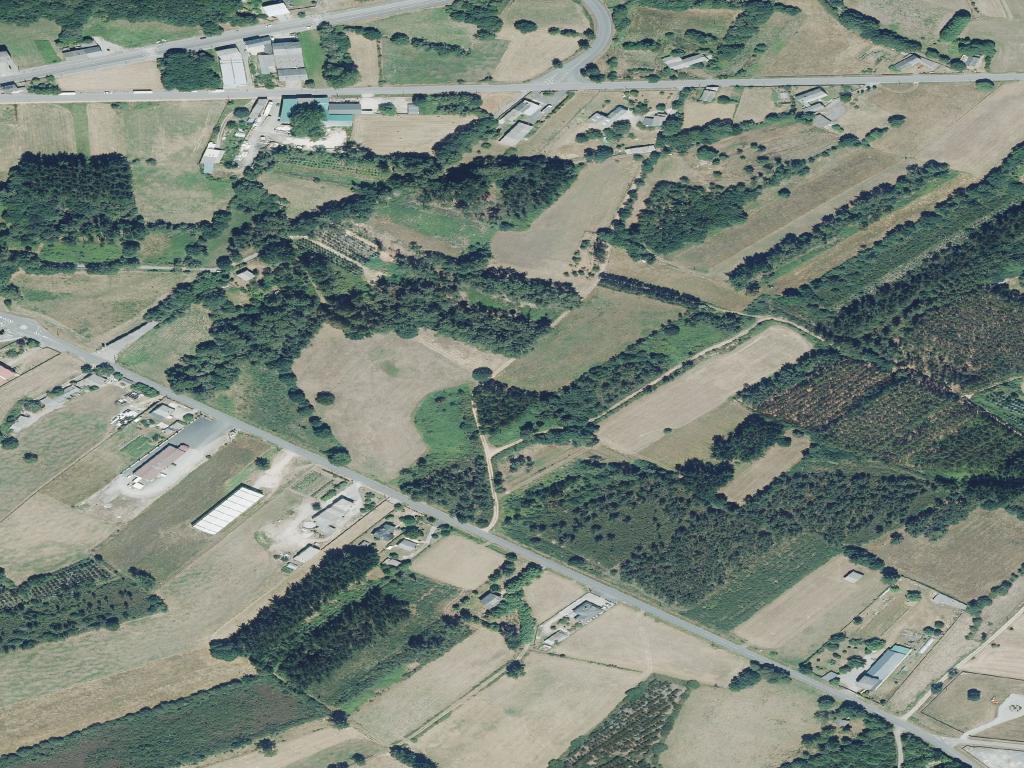
Drive north from Lugo city for twenty minutes and the landscape begins to shift. The motorway gives way to secondary roads that braid between smallholdings, each one a patchwork of pasture and maize fields stitched together with dry stone walls. At 450 metres above sea level, the air carries a clarity that makes distant farmhouses appear closer than they are. The sky, unbroken by mountains or tall buildings, performs its own theatre – clouds building and dissolving throughout the day, showers sweeping across the grasslands only to clear minutes later.
This is farming country, proper. The 5,000 inhabitants of Castro de Rei are spread across parishes with names like Lagostelle and Castromaior, living in stone houses that have adapted to modern life rather than surrendered to it. Satellite dishes bloom from ancient walls. Tractors worth more than the average British family car sit in yards where chickens peck between the wheels. It's neither picturesque nor neglected – simply lived in.
Romanesque in the Wild
The church of San Xoán de Lagostelle squats beside its small cemetery, looking exactly like what it is: a rural Romanesque building that's been working for eight centuries. The carved stone around the doorway has softened with time, the original saints and sinners worn smooth by Galician rain. Inside, the air smells of incense and old wood. The priest lives in the modern house next door; services happen when they happen, which is more often than you'd expect for a parish that might see twenty souls on a busy Sunday.
Back in the main settlement – if you can call it that – the church of Santa María stands in what passes for a centre. There's a chemist, a small supermarket, two bars and that's essentially your lot. The bars open early. By 10am, farmers have finished their coffees and brandies and headed back to their fields. The women running the supermarket know exactly who buys what and when, information they deploy with the efficiency of MI5. Need change for the parking meter? They'll sort you, but expect questions about where you're from and what you think you're doing here.
Walking Through Working Country
The council has marked some walking routes, though the signage assumes local knowledge. One decent option starts from the Castro de Rei sports centre – itself a collection of concrete buildings that would make a 1970s British architect wince – and follows farm tracks through three parishes. The going's easy, no serious climbs, but the ground can turn to porridge after rain. Proper walking boots are essential; the farmers wear wellingtons year-round for good reason.
You'll pass hórreos, the raised granaries that keep grain away from rats and damp. Some are museum pieces, but most still serve their original purpose. The stone ones last forever; newer concrete versions lack elegance but do the job. Keep to the marked paths – these are working farms, not open-air museums. If a gate is closed, close it behind you. If it's open, leave it open. Basic countryside code, but surprisingly often ignored.
The Camino del Norte cuts through the municipality, though most pilgrims stick to the coast. Those who divert inland find themselves on quiet lanes where the yellow arrows are painted on stone walls or fence posts. You'll recognise them by their backpacks and the slightly dazed expression of people who've been walking for three weeks. Locals acknowledge them with a nod, nothing more. This isn't the huggy-huggy Camino Frances – it's Galicia getting on with its business.
Food Without Fuss
Forget tasting menus and Michelin stars. The bars serve what the locals want to eat: tortilla thick as your wrist, empanada gallega stuffed with tuna or cockles, caldo gallego that'll warm you through on a damp day. The cheese comes from cows that were probably grazing within five kilometres. The wine is likely from the Ribeira Sacra, an hour's drive south, and costs less than a London coffee.
Market day is Saturday morning in the main square. Stallholders set up by 9am and pack away by 1pm. This isn't a foodie destination – it's where people buy vegetables, socks, and replacement phone chargers alongside their weekly shop. The bread stall sells pan gallego, the crust thick enough to remove fillings if you're not careful. The cheese woman will let you taste before buying, but expect a lecture on proper storage if you admit you're staying in a hotel without a fridge.
When the Weather Turns
Galicia's reputation for rain is earned, but Castro de Rei's inland position means less mist than the coast. Spring brings brilliant green growth and temperatures hovering around 15°C – perfect walking weather if you don't mind the odd shower. Summer can hit 30°C, though the altitude keeps it bearable. The real challenge is autumn and winter when the wind sweeps unchecked across the plains and the rain turns tracks to mud. Between November and March, come prepared for proper weather. The bars have wood burners and serve orujo, the local firewater that tastes of herbs and burns like vindication.
Practical Realities
You'll need a car. Public transport exists but follows school and market timetables, not tourist convenience. Lugo city, twenty minutes south, has the nearest train station with connections to Santiago and Madrid. Accommodation within the municipality is limited to rural houses – Casa de Corbelle offers three rooms in a converted farmhouse, while Hotel Río Lea provides basic but clean rooms from €45 a night. Book ahead; business travellers working the region's wind farms snap up rooms during the week.
Mobile signal varies. Vodafone works reasonably well; other networks less so. Download offline maps before you set out. Petrol stations close early – fill up in Lugo if you're planning evening exploration. And remember: everything closes between 2pm and 5pm. Everything. Plan accordingly or learn to enjoy long lunches.
Leaving Terra Chá
Castro de Rei doesn't reveal itself quickly. It rewards those content to drive slowly, stop frequently, and accept that the most interesting things – the way light hits a stone wall, the sound of cattle moving through morning mist, the smell of woodsmoke from a farmhouse kitchen – can't be ticked off a list. Come with time to spare and expectations adjusted. This isn't a destination for ticking boxes. It's Galicia doing what Galicia has always done, with or without visitors, under those enormous changing skies.