Full Article
about Cospeito
Hide article Read full article
Cospeito, o cando a estrada se fai camiño
Hai un punto na LU-120, uns quilómetros despois de deixar Lugo, onde o asfalto parece abrandar. Os coches escasean e o panorama se abre. De súpeto, só ves prados, vacas e algún tractor ao lonxanza. Benvido a Terra Chá. E dentro dela, a Cospeito. Aquí non é unha metáfora: literalmente, hai máis gando que veciños no concello. Se buscas unha vila con rúas empedradas e balconadas floridas, vas ter que seguir conducindo. Isto é outra cousa.
Un concello sen botón de inicio
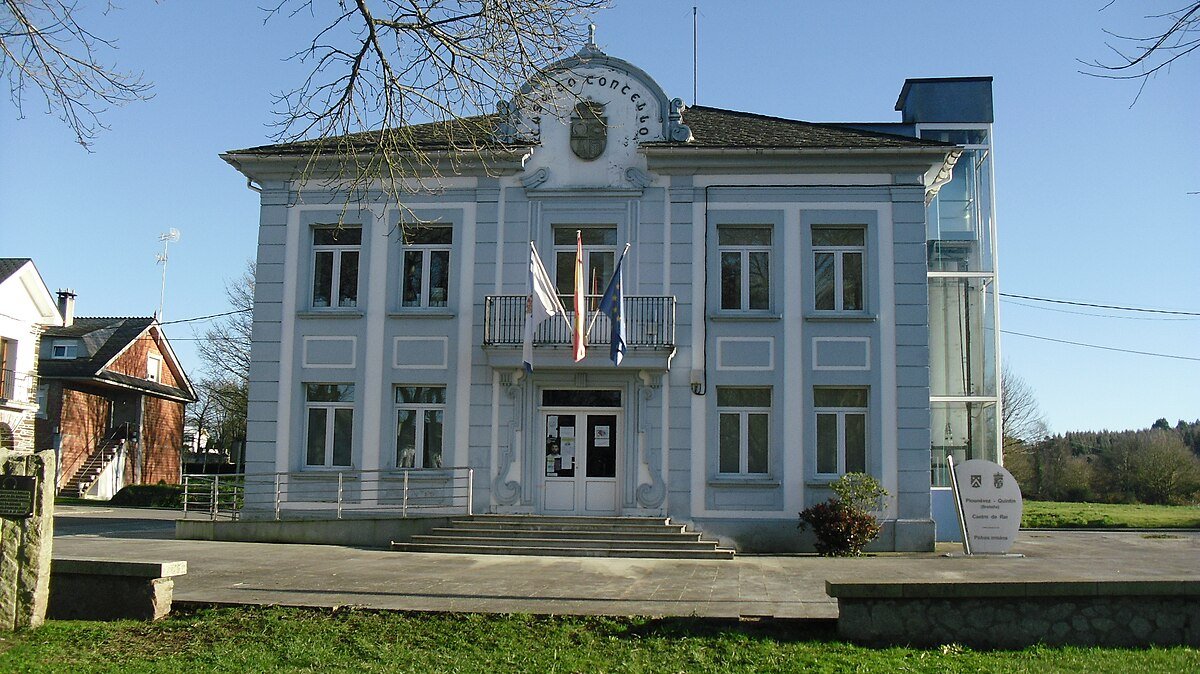
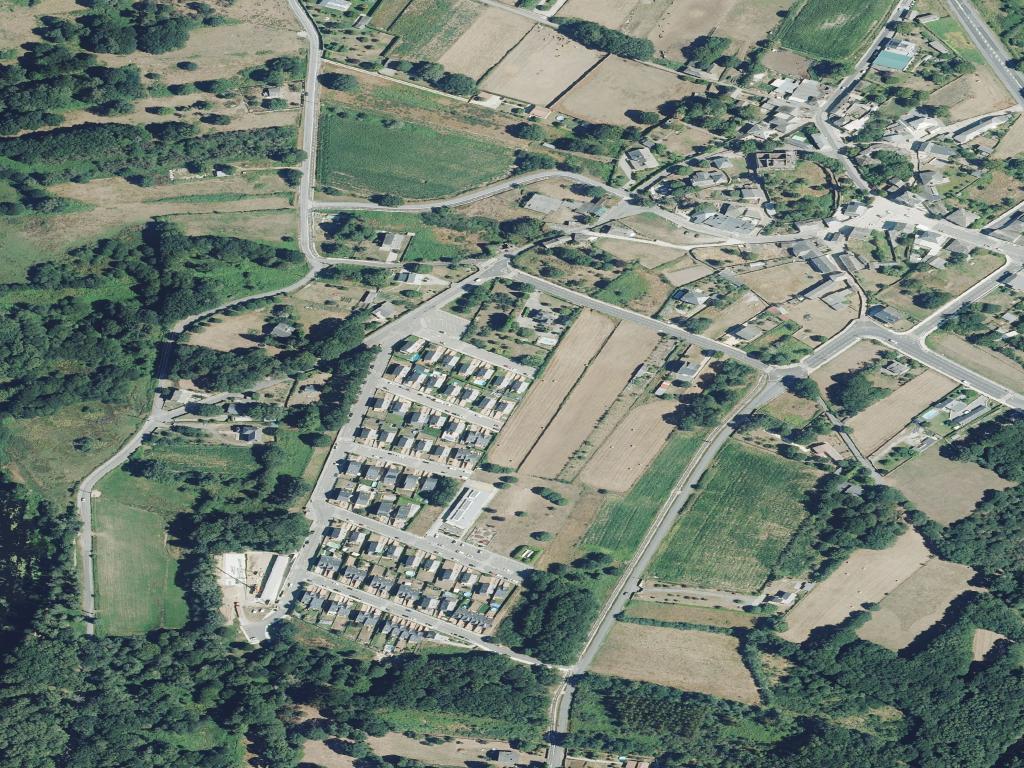
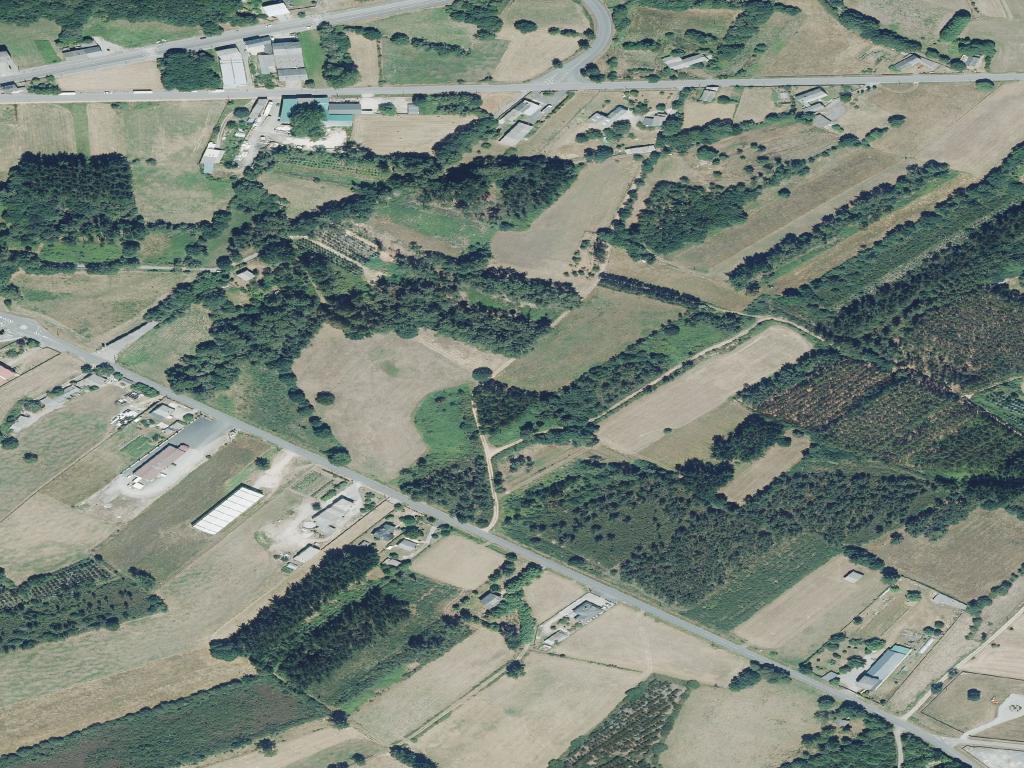
A primeira vez que vés a Cospeito no mapa podes facer un chisco de rula. Non hai un núcleo chamado "Cospeito" onde todo se concentre. A capital administrativa é Feira do Monte, que en realidade é un cruce de camiños cunha igrexa, o concello e pouca cousa máis. O verdadeiro truco está en entender que o municipio son case trinta parroquias esparramadas.
Non existe un centro histórico compacto. En troques, hai ducias de aldeas mínimas: Xermade, Muimenta, Sistallo... Cada unha coas súas poucas casas arredor da igrexa parroquial. A vida pasa neses microespazos, non nunha praza maior. Se che gusta a sensación de chegar a un sitio e desbotar o coche para percorrelo a pé, aquí vas sentirte algo perdido. É territorio para coche e vista ao chan.
A lagoa que todo o mundo coñece (e os seus arredores)
O punto máis famoso é sen dúbida a lagoa de Cospeito ou de Valverde. É unha mancha de auga e vexetación no medio da chaira, refuxio de aves e lugar de paseo para as familias locais. Hai un camiño perimetral sinxelo e plano.
É agradable para dar unha volta tranquila ou tentar ver algunha garza. Pero vai sabendo: non é un parque natural sinalizado con paneis informativos brillantes. É un espazo natural integrado na vida diaria; podes atoparte cun veciño paseando o can ou cos restos dun merendoiro recente.
A lenda do pobo somerxido por non axudar a un peregrino contase aquí con moita propiedade. Pero a verdadeira atmosfera chega ao serán: cando baixa a néboa sobre os prados e o único son é o vento nos xuncos.
O pulso do lugar: filloas, romarías e tempo agrícola
Se queres ver movemento en Cospeito, pregunta pola Festa da Filloa en Muimenta (primeiros de maio). Non esperes grandes escenarios nin folletos turísticos. É basicamente xente reunida arredor de filloeiras humeantes, probando masa fina feita con caldo ou leite e discutindo cal é mellor.
Fóra dese día, o ritmo marcano as romarías e as festas parroquiais no verán. A da Virxe do Monte en Sistallo é das máis concorridas da zona. Ves esa mestura tan galaica entre acto relixioso e comida comunal ao aire libre que segue sendo o auténtico tecido social aquí.
O resto do ano predomina o tempo agrícola: amenceceres con tractores nas leiras, camións do leite circulando... É útil saber iso para planificar: despois das 2 da tarde moitas cousas pechan ata as 5.
Historia dispersa (e algún dato curioso)
Aquí tes que moverte para ver cousas interesantes. En Sistallo está o Pazo de Sistallo (século XVIII), propiedade privada que só se pode ver desde fora. Hai varios castros (Pacio, Teixiro), pero son promontorios vexetados; tes que usar algo de imaxinación para visualizar como eran. E logo están as Torres de Arneiro, nun outeiro próximo. Foron instalacións de comunicacións rodeadas de misterio local ata que un temporal forte derrubou varias hai uns anos.
Un dato curioso: aquí naceu o actor Luis Tosar. Non hai placa nin ruta sobre el; simplemente é algo que os veciños comentan cando sae á conversa.
Cómo moverse por aquí (sen frustrarse)
A miña recomendación práctica? Trata Cospeito como unha ruta lenta. Ve á lagoa primeiro para orientarte. Despois elixe dúas ou tres parroquias próximas (Sistallo e Muimenta son boas opcións) e diríxete alí pola rede secundaria de estradas locais. Para comer ou mercar algo frescos tendrás que ir ata Feira do Monte ou preguntar nos lugares onde haxa algún establecemento aberto; non abundan.
Isto non é un destino para coleccionar fotos monumentais. É máis ben para sentir ese Galicia interior onde o tempo parece medirse polos ciclos do gando e as campás das igrexas parroquiais ainda marcan o día. Vés por uns días? Quizais te faga falta paciencia. Pasas só unha tarde? Disfrútala conducindo sen rumbo fixo polos camiños entre prados. A beleza está na inmensidade plana do chan, non nun punto concreto do mapa