Full Article
about Xermade
Ocultar artículo Leer artículo completo
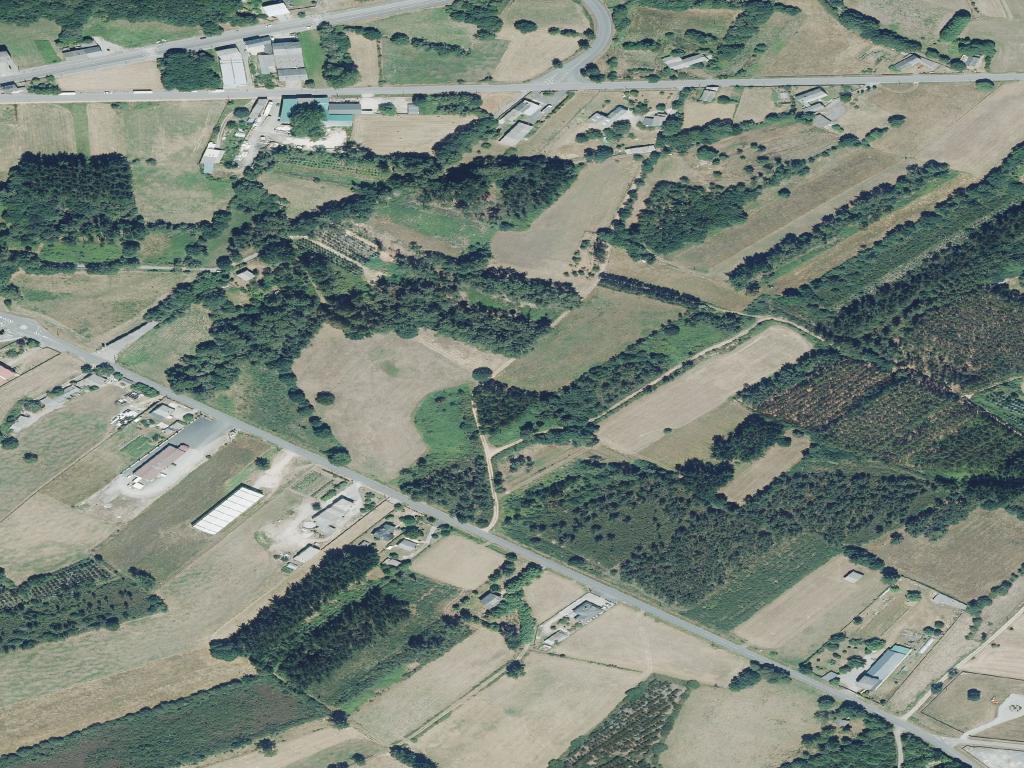
The cattle grid rattles under your tyres before you've even noticed the village sign. That's Xermade's way of announcing itself—not with a triumphant archway, but with a practical reminder that you've left the main road and entered working farmland. Here, the horizon stretches wider than seems reasonable for northern Spain, where rolling meadows disappear into a sky that dominates everything.
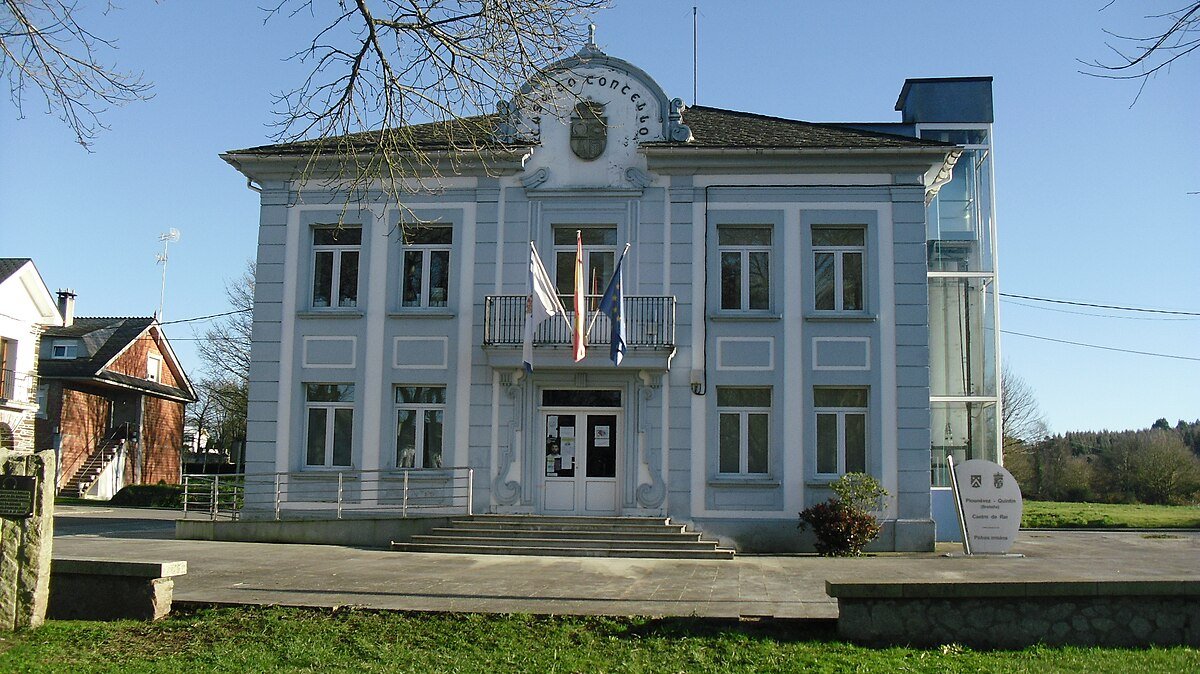
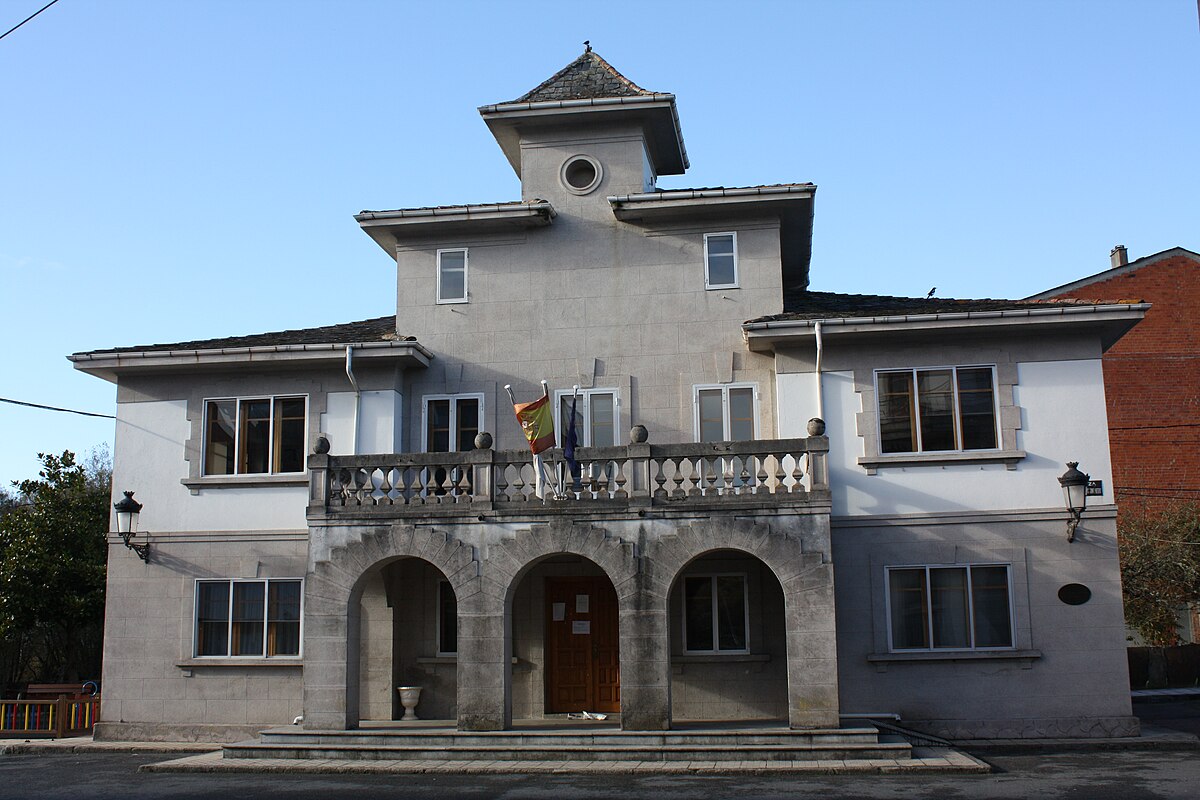
This is the Terra Chá, Galicia's high plateau, and Xermade sits at its heart like an afterthought. Don't expect cobbled streets leading to a medieval square. The village centre—if you can call it that—consists of a handful of streets radiating from the Casa do Concello, where locals gather to complain about milk prices and the eternal rain. It's precisely this unvarnished quality that makes Xermade worth stopping for, especially if you've grown weary of Spain's more manicured destinations.
The Architecture of Everyday Life
What Xermade lacks in monuments, it compensates for with details that reveal themselves slowly. Stone granaries called hórreos perch beside modern garages like stubborn elders refusing to move. Their weathered pillars and moss-covered roofs speak of harvests that predate the tractors now parked alongside them. The parish church of San Xoán won't feature in any guidebook's top ten, yet its simplicity embodies the region's approach to grandeur—functional, solid, unpretentious.
Wandering between the scattered hamlets that collectively form Xermade municipality, you'll encounter cruceiros—stone crosses that mark boundaries, graves, or simply spots where someone decided to leave a prayer carved in granite. These aren't museum pieces behind ropes. They're part of the landscape, often draped with drying washing or serving as scratching posts for passing livestock. The boundary between heritage and utility simply doesn't exist here.
The real architectural treasure lies in the network of mills that once powered this agricultural economy. Ask at the town hall for the free walking leaflet—available only in Galician, but the hand-drawn map transcends language barriers. The Ruta dos Muíños follows ancient paths to abandoned watermills where stone wheels still turn when winter storms swell the streams. It's a three-hour circuit that delivers you back to your starting point with muddy boots and a new appreciation for pre-industrial engineering.
When the Weather Dictates Everything
British visitors will recognise the meteorological tyranny that shapes daily life. The Atlantic sends weather systems rolling across these plains with the subtlety of a drunk uncle at Christmas. One moment you're photographing sunlit meadows; the next you're sprinting for the car as horizontal rain transforms tracks into chocolate mousse.
This meteorological moodiness becomes part of the experience. Locals schedule their lives around forecasts with the precision of military operations. The best light for photography arrives with the cloud banks—those dramatic moments when sunbeams pierce purple-grey masses, illuminating individual fields like spotlights on a stage. Clear days, paradoxically, flatten the landscape into something almost disappointing.
Spring brings the most reliable drama. From March through May, meadows burst with orchids and wild narcissi. The famous Galician gorse flowers late here, painting hillsides yellow well into June. Autumn delivers its own spectacle when chestnut trees turn bronze against dark soil. Summer, frankly, can feel monotonous—those endless blue skies that tourists supposedly crave actually rob the landscape of its character. Winter transforms everything into a Scandinavian drama of bare branches and frost-laced grass, though you'll need proper hiking boots when the mud freezes into ankle-twisting ruts.
The Culinary Reality Check
Forget molecular gastronomy and Michelin stars. Xermade's food scene operates on agricultural rhythms and whatever the supplier delivered that morning. The weekend market—more accurately described as three stalls and a van—serves octopus cooked in massive copper pots. The vendor, Maria, will hack tentacles into bite-sized pieces with scissors that have clearly seen better decades. If cephalopods aren't your thing, ask for cachelos—boiled potatoes dressed with local olive oil and pimentón that puts supermarket paprika to shame.
Both restaurants in the village close on Mondays. Both. Plan accordingly or face a hungry drive to Vilalba. When they are open, menus read like agricultural reports: beef from cattle you probably drove past, cheese from farms whose smells invaded your car, vegetables that never saw a plastic bag. The local craft beer, Cervexa 21, provides a gentle introduction to Galician brewing—none of that aggressive hoppiness that makes craft beer such a acquired taste.
Cash remains king here. The solitary ATM outside Cajamar bank has been known to run dry on weekends, especially during fiesta season. Cards might work in the pharmacy, but don't count on buying your morning coffee with contactless payment.
Practicalities for the Determined Visitor
Getting here requires commitment. Ryanair's seasonal flights from Stansted to A Coruña provide the most direct route, followed by a hire-car journey that takes you off the autopista and onto roads that narrow alarmingly. The final approach via the LU-540 feels like driving through someone's farmyard—because essentially, you are.
Accommodation options remain limited. There's one hotel, three guesthouses, and a handful of rural cottages whose owners speak varying degrees of English. Booking ahead isn't just advisable—it's essential. The nearest alternative beds lie twenty kilometres away in Vilalba, hardly practical if you've planned a walking holiday.
Mobile coverage proves patchy once you leave the village proper. Download offline maps before setting out on those mill routes. The combination of poor signal and identically green fields has led more than one visitor to discover that Galicia's version of crop rotation includes rotating the footpaths.
The Honest Verdict
Xermade won't suit everyone. If your Spanish holiday requirements include beach bars, late-night flamenco, and waiters fluent in three languages, keep driving. If you find satisfaction in watching clouds shadow across vast meadows, in discovering medieval crosses beside modern tractors, in eating food whose provenance you can actually trace—then pull over when you hear that cattle grid rattle.
The village rewards patience and punishes expectations. Come with an open schedule and waterproof boots. Leave before you start recognising the local dogs by name, because that's when you know Xermade has worked its quiet magic on you. Just remember to fill up with petrol before Monday arrives and the entire village shuts down for its weekly breather.