Full Article
about Gomesende
Hide article Read full article
A las siete, la niebla se queda atrapada en los valles y el silencio en Gomesende tiene peso. Se oye un tractor lejano, el ladrido de un perro en una parcela, nada más. Así empieza el día aquí, con esa lentitud de un lugar donde las horas las marca la tierra y lo que haya que hacer en ella.
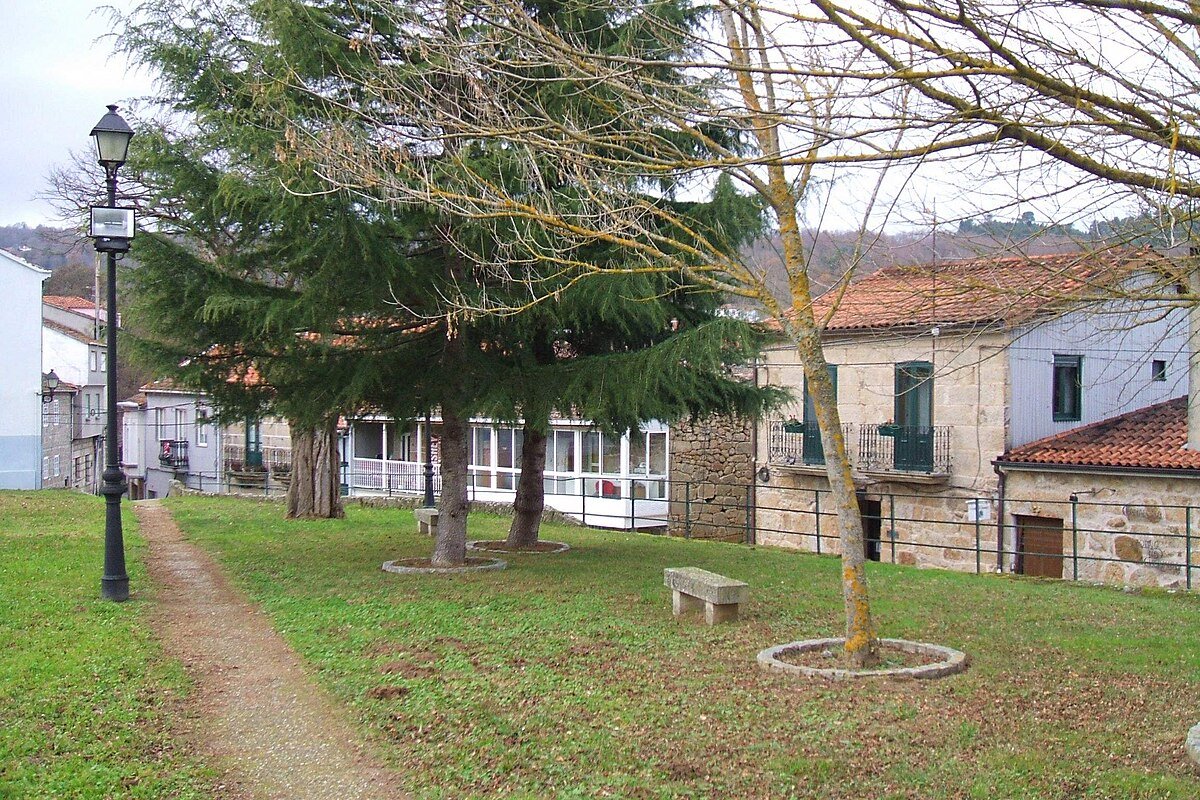
El municipio tiene unos seiscientos habitantes y está en la Terra de Celanova, al sur de Ourense. No hay un casco histórico monumental ni calles para pasear mirando escaparates. Gomesende se entiende mejor si se recorre entre sus aldeas dispersas, fijándose en las casas de piedra oscurecidas por la humedad, los balcones de madera asomados al valle y los hórreos sobre sus pilares de granito.
La piedra de las aldeas
Al caminar por el núcleo principal, lo que ves son construcciones que hablan de lo rural. La iglesia parroquial de Santa María se distingue por su espadaña sobria y sus muros gruesos. Algunas fuentes sitúan sus orígenes en el siglo XVIII, aunque lo que se aprecia hoy parece fruto de reformas posteriores.
En las aldeas cercanas se mantienen varios cruceiros. Son piezas sencillas, sin decoración elaborada, plantadas en cruces de caminos que claramente llevan usándose generaciones.
También quedan lavaderos comunales. En Xuncedo puede verse uno: piedra gastada, agua fría corriendo lenta, la sensación de lo que fue un punto de encuentro diario para la conversación y la rutina.
Un paisaje hecho de parcelas
La tierra alrededor de Gomesende se abre en un mosaico irregular. Pequeñas fincas separadas por muros de piedra, prados que cambian de color con las estaciones y robles dispersos que dan sombra cuando aprieta el calor.
Subir por una pista sin asfaltar ayuda a entender cómo se organiza el territorio. Las parcelas se adaptan a las suaves laderas del valle, mientras los caminos rurales conectan aldeas como Xuncedo, Rebordondelo o A Portela. No son rutas de senderismo señalizadas, sino vías de trabajo que también sirven para caminar, siempre que sea sin prisa.
Conviene calzado que aguante el barro. En invierno, o tras varios días de lluvia, los caminos se vuelven resbaladizos y desiguales.
La cercanía de Celanova
A pocos kilómetros está Celanova, donde el monasterio de San Salvador cambia completamente la escala respecto a Gomesende. Sus grandes muros y su claustro renacentista hablan del peso histórico que tuvo esta zona.
Cerca del centro del pueblo se mantiene la pequeña capilla de San Miguel, una estructura mucho más modesta frente a la mole del monasterio. Muchos visitantes se detienen un momento, a menudo en silencio, antes de seguir camino.
Para quien se quede por la zona, Celanova suele ser la adición natural a un día pasado por Gomesende.
Caminar entre aldeas
Aquí, el plan más simple suele ser el mejor: caminar. Los caminos rurales unen núcleos pequeños donde las huertas siguen activas, aparecen gallineros improvisados junto a las casas y las pilas de leña se mantienen a punto.
No hay pendientes dramáticas, pero las distancias engañan. Lo que en el mapa parece cerca suele convertirse en un paseo más largo según el sendero serpentea entre curvas, muros y campos abiertos. Eso forma parte del atractivo. El paisaje no cambia de golpe, pero cada aldea lleva su propio ritmo.
En verano, las huertas están llenas de tomates, pimientos o berzas. A veces, los vecinos venden parte de su cosecha directamente desde casa o en pequeñas ferias locales de la comarca.
Festividades y vida cotidiana
Las parroquias de la zona siguen celebrando sus fiestas patronales, normalmente entre julio y agosto. Esos días se montan carpas, vuelve la música a las aldeas y las mesas largas reúnen a gente que vive fuera y regresa expresamente para la celebración.
En otoño, el magosto es una tradición familiar. El olor a castañas asadas se mezcla con el humo de las brasas en la calle, y las conversaciones se alargan si el tiempo lo permite. Cada parroquia organiza su versión, en fechas distintas.
Quien visite es mejor que se aproxime a estas ocasiones con discreción. Son eventos comunitarios, más pensados para el reencuentro que para atraer forasteros.
Cuándo ir y qué encontrar
Gomesende puede recorrerse rápido si solo se busca una idea general: un paseo por el núcleo principal, alguna aldea cercana y algunas paradas para observar el paisaje.
La primavera y principios del verano son momentos particularmente buenos para caminar. El campo está verde y los caminos, salvo que haya llovido persistentemente, suelen estar transitables.
El invierno trae otra atmósfera: niebla baja, humo de chimenea y un silencio casi total. El terreno puede estar embarrado y las carreteras secundarias suelen permanecer húmedas. El tiempo influye más aquí de lo que el mapa sugiere.
Al final, Gomesende no se define por un hito único. Se queda en detalles menores: un hórreo algo torcido tras un muro de piedra, el ritmo sosegado de la vida aldeana, la sensación de un lugar donde poco se ha rehecho para quien visita.