Full Article
about Pantón
Ocultar artículo Leer artículo completo
The storks know something most visitors don't. They've built their massive nests atop stone chimneys throughout Panton's scattered hamlets, turning ordinary rooftops into unlikely viewing platforms. These gangly birds, more commonly associated with African savannas than Spanish mountains, have chosen this corner of Galicia as their summer residence—a subtle reminder that you're entering a place where the usual rules don't quite apply.
At 400 metres above sea level, Panton occupies that sweet spot where the Miño valley's influence meets proper mountain country. The altitude means mornings arrive with a crispness that surprises those expecting southern Spain's heat, even in July. By midday, temperatures climb to comfortable mid-twenties, but the air retains a clarity that makes the surrounding vineyards appear almost hyperreal. Winter brings a different character entirely: mist pools in the valleys below while the village's dispersed parishes remain clear, creating the illusion of islands floating above a white sea.
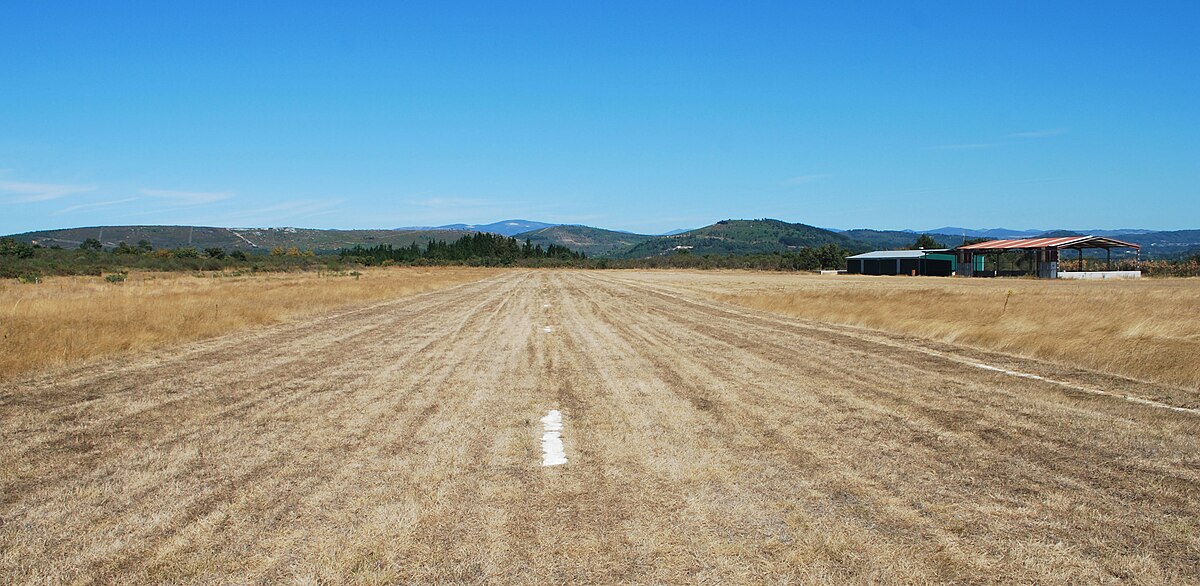
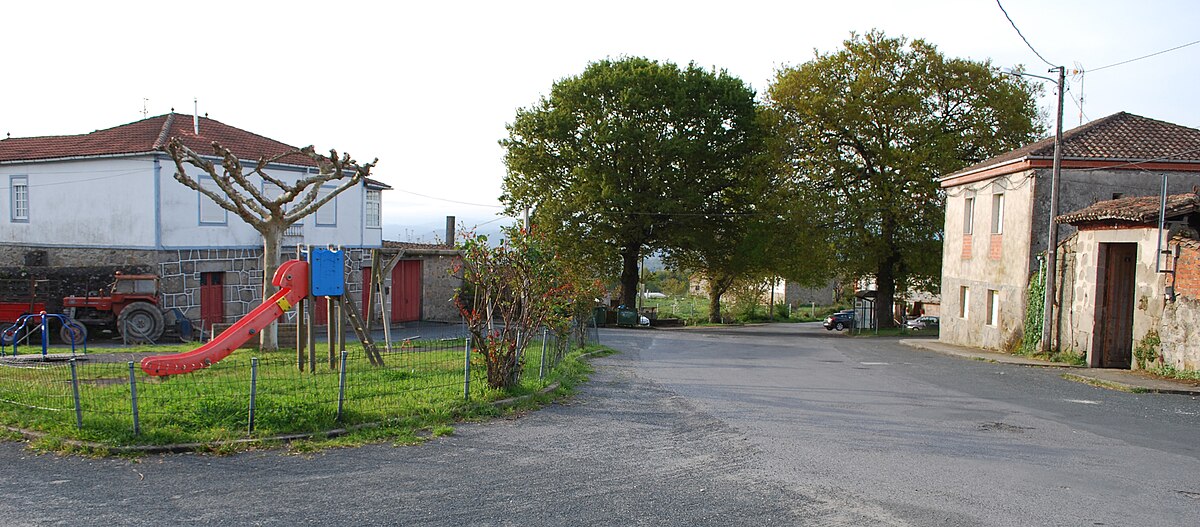
This dispersion defines Panton more than any single monument. Rather than a concentrated village centre, you've got some twenty-odd parishes spread across 86 square kilometres of rolling terrain. The council offices sit in Ferreira, technically the administrative centre, though you'd hardly call it a hub. This geographical reality shapes everything about visiting here: you'll need wheels, patience, and a willingness to embrace the unexpected detour.
The Monasterio Cisterciense de San Paio de Abeleda commands attention despite its ruined state. Originally founded in the twelfth century, what remains offers a masterclass in Romanesque restraint. The church's western portal, weathered to a silver-grey by centuries of mountain rain, still displays carvings that would make a stonemason weep. Access requires a five-minute drive down a track that feels narrower with each bend, but the reward is considerable: standing among the Gothic arches with only storks for company provides that rare sensation of discovering somewhere that isn't yet Instagram-famous.
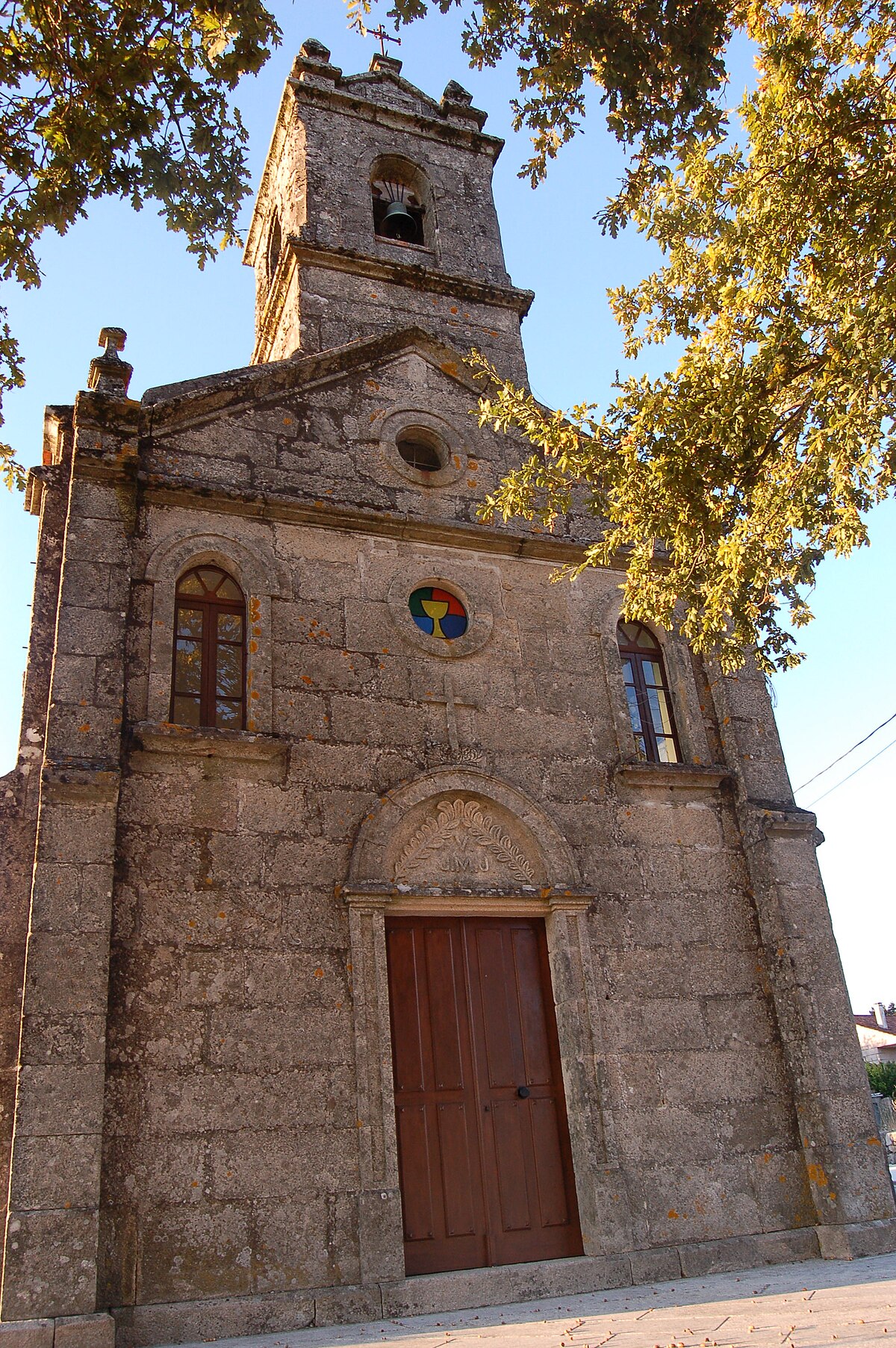
Speaking of discovery, Panton's Romanesque heritage reveals itself gradually rather than through grand gestures. The parish church of Santa María in Ferreira sits modestly beside the main road, its Romanesque origins visible despite later modifications. Inside, if you're fortunate enough to find it open, the stone work displays that particular Galician blend of pragmatism and artistry. Don't expect information panels or gift shops; the door might be locked, the keyholder living three houses away, and that's precisely the point. This isn't heritage as performance—it's heritage as daily life, occasionally interrupted by curious visitors.
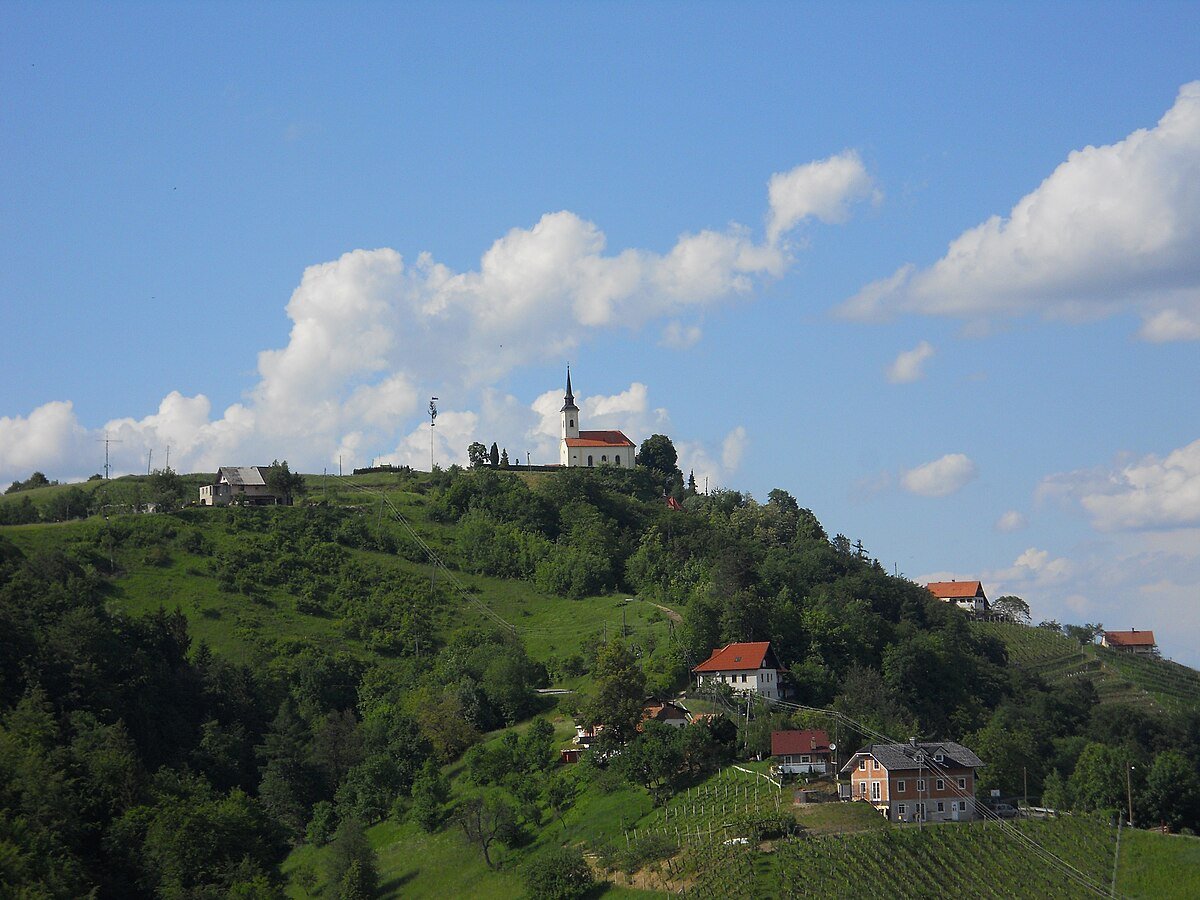
The wine landscape demands attention, though not in the manicured way of Rioja or Ribera. Ribeira Sacra's terraced vineyards here climb slopes that seem to mock agricultural logic. Small plots, many no larger than a suburban garden, punctuate the hillsides at angles that make you wonder how anyone harvests them. The answer involves heroic levels of manual labour and a certain Galician stubbornness. D.O. Ribeira Sacra producers work these vertiginous terraces to create wines that taste of altitude and effort—mineral-driven reds from Mencía grapes that pair brilliantly with the region's robust cuisine.
Getting hands-on with this wine culture requires planning. Bodegas don't operate on tourist schedules; many open by appointment only, and some prefer you speak Spanish or Galician. Bodega Adega do Vimbio, twenty minutes towards Chantada, offers tastings if arranged beforehand. Their whites, made from Godello grapes grown at 500 metres, capture mountain freshness in liquid form. Budget €15-20 for a basic tasting, more if you're buying bottles to take home.
Walking options exist, though they're more exploratory than organised. Old drove roads connect parishes, winding through chestnut groves and past abandoned grain stores raised on stone pillars. These hórreos, unique to northwest Spain, stand like tiny temples to agricultural preservation. A gentle two-hour circuit links Ferreira with neighbouring Abeleda, passing vineyards, stone crosses marking medieval boundaries, and tracks where wild boar have rooted up the edges. Sturdy footwear essential—these paths serve farmers first, walkers second.
Practicalities matter here. The nearest substantial town, Monforte de Lemos, lies twenty minutes northeast and provides proper restaurants, cash machines, and that sense of urban organisation Panton deliberately lacks. Base yourself there rather than expecting village amenities that don't exist. Panton's handful of café-bars serve basic tapas and coffee, but for anything approaching gastro-experience, you'll be driving.
Accommodation choices reflect the area's low-key approach. Apartamentos Pantón Ribeira Sacra offers functional flats near the golf course—yes, there's a nine-hole course here, another unexpected mountain twist. Private villa rentals cluster towards the Miño valley, many with pools essential for summer survival when temperatures hit the thirties. Expect to pay £80-120 nightly for decent self-catering, more for properties with vineyard views.
The British expat presence surprises first-time visitors. Drawn by affordable property and that mountain-valley climate balance, they've created an Anglo-Galician hybrid culture without the full Costa del Sol treatment. You'll hear English spoken in the pharmacy, find Marmite in the village shop, yet somehow it doesn't feel like Little Britain abroad. These newcomers have integrated rather than colonised, joining local choirs, supporting village fiestas, and generally adding rather than subtracting from Panton's character.
Access remains straightforward if you plan properly. Santiago airport sits ninety minutes west via the A-54 and N-120—motorway standard most of the way. Renting a car isn't negotiable; public transport serves locals commuting to larger towns, not visitors exploring dispersed parishes. Driving times deceive here: twenty kilometres on mountain roads demands forty minutes minimum, more if you stop for photographs or stork-watching.
Weather wisdom proves crucial. Spring brings wildflowers and comfortable walking temperatures, though April showers aren't mythological. September through October offers harvest activity and autumn colour without summer crowds. August hits hardest: Spanish families holiday then, accommodation prices spike, and afternoon heat makes exploration unpleasant. Winter serves hardcore enthusiasts only—beautiful certainly, but short days and mountain weather demand serious commitment.
Panton rewards those who abandon checklist tourism. Come seeking a specific Instagram shot and you'll likely leave frustrated by closed churches and inaccessible viewpoints. Arrive prepared to meander, to abandon plans when a track looks interesting, to appreciate storks nesting on rooftops and wine grown at impossible angles, and you'll understand why those who discover this corner of Galicia tend to return. Not because it's perfect—it's frequently inconvenient, often confusing, occasionally disappointing. Rather because it's real, functioning according to rhythms established long before tourism arrived, and likely to continue long after we've all stopped travelling.