Full Article
about Sober
Hide article Read full article
The first light of day slips between bare vine shoots and casts zebra-like shadows across the hillside. From the mirador of Santiorxo, the river Sil looks like a thread of mercury between steep cliffs. Below, on slate terraces, the vineyards of Amandi cling to slopes that seem close to impossible. In January, wind rises from the gorge of the Cabe carrying the scent of damp earth and stored must.
Sober lies within the Terra de Lemos and in the stretch of the Ribeira Sacra where the river forces cultivation into near-vertical ground. Just over two thousand people live here, scattered across parishes and small villages that appear among vines, chestnut groves known as soutos and narrow slate paths. Life follows the rhythm of the vineyard, the weather and the steady presence of the Sil in the background.
A Land Where Wine Is Grown Almost Vertically
Ribeira Sacra makes a strong impression in Sober. This is not a landscape of gentle, rolling hills. The terrain drops abruptly and the vineyards hang above the canyon.
Dry stone walls hold in place little more than a thin layer of soil. Many were built by hand, stone by stone, so the vines would not slide down the hillside. A walk between Doade and Neiras gives a clear sense of what is meant by “heroic viticulture”, the term used for wine-growing in extreme conditions. Each section feels like a step. Each row of vines demands attention to where you put your feet.
In spring, Sober usually celebrates the Festa do Viño Amandi. Villages fill with people and the sound of bagpipes. It is a lively moment in a place that otherwise keeps a measured pace. Good footwear is advisable during those days. Moss on the walls and moisture from the river can make the stone slippery.
Stones That Speak of Bread and Witches
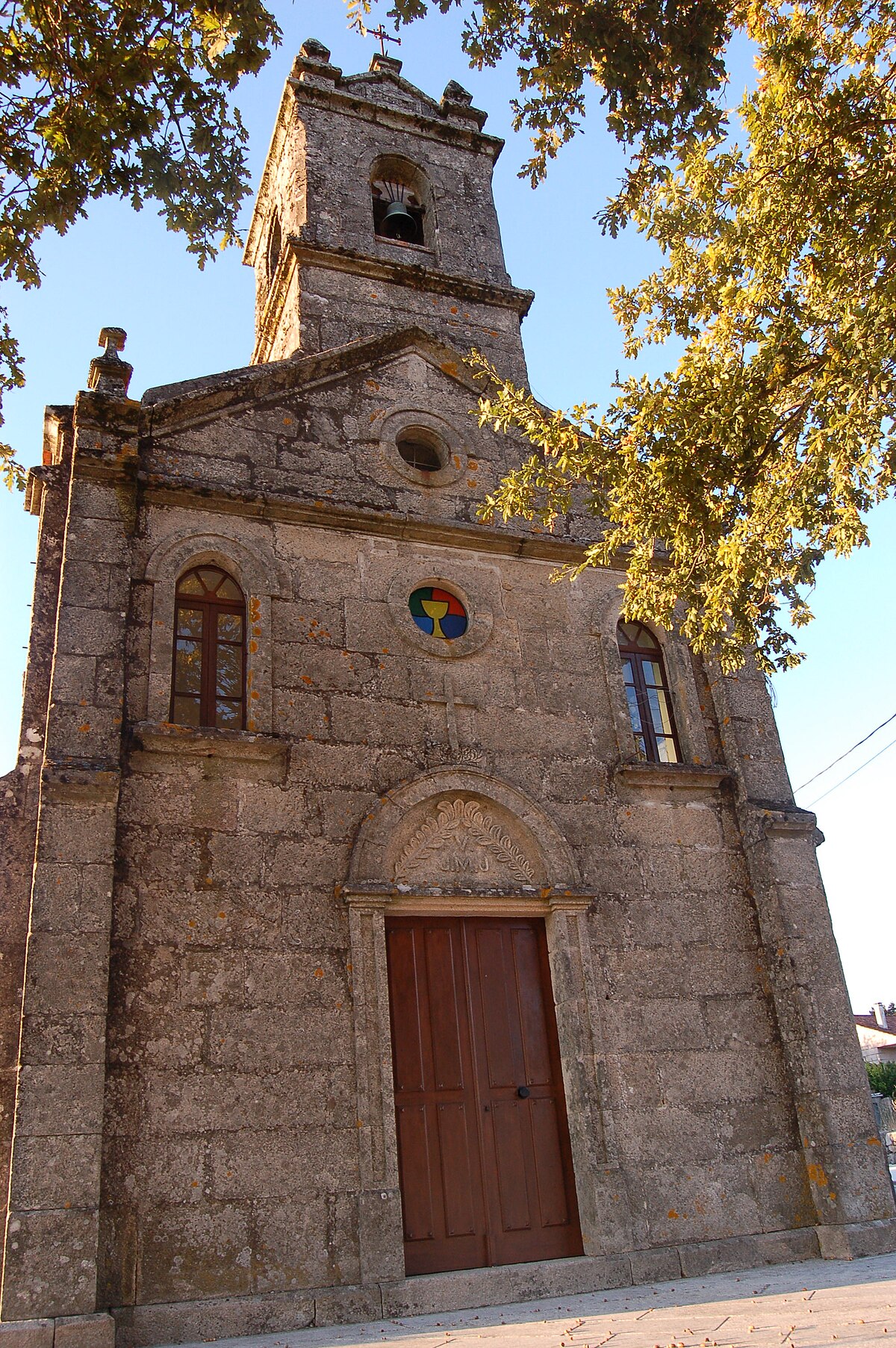
In Proendos, the Romanesque church of San Vicente preserves a rose window carved with a six-pointed star. Locals call it “la de David”. No one seems to have a clear explanation for its presence, and the subject often surfaces in village conversations.
The stones here hold older stories too. A castro, an Iron Age hillfort typical of north-west Spain, stood on the site before the church. At the beginning of February, bread is blessed in honour of San Blas so that it will not be lacking throughout the year. An older tale also circulates about a woman accused of witchcraft for knowing too much about herbs.
A walking route leaves from the village towards several petroglyphs hidden among carballos, the native oak trees. One of the carved panels contains dozens of small cup marks cut into the rock. Their purpose remains unclear. In the late afternoon, light filters low between the trunks and shadows gather inside the hollows.
The route is around three kilometres long and includes a fair amount of ascent and descent. There are usually no fountains along the way, so carrying water is sensible.
The Unfinished Sanctuary of Cadeiras
Around eight kilometres from the centre of Sober stands the sanctuary of the Virgen de Cadeiras. This Baroque building was left incomplete. Some cornices break off abruptly and the façade seems to stop halfway, as if the tools had been set down and never picked up again.
At the beginning of September, a well-attended romería, a traditional rural pilgrimage and festival, usually takes place here. The road fills with old cars, tractors and families arriving from Monforte and nearby parishes. The day combines mass, outdoor meals and plenty of bottles from the most recent harvest.
The interior of the sanctuary is not always open. At times a neighbour or volunteer shows visitors around when there are people about. If that happens, a curious detail often comes up: the image of the Virgin has hollow hands, as though she once held something that is no longer there.
Autumn Smoke and Quiet Viewpoints
November shifts the tone of Sober. The miradores over the Sil become much quieter and the village returns to its usual rhythm. In the parishes, the sound of wood being chopped carries through the air, along with the smell of smoke and wild mushrooms.
During the magosto, each parish lights its own bonfire. Chestnuts from nearby soutos are roasted over the flames and vino novo is poured, still young and slightly rough on the throat.
Those staying in the centre of Sober or in rural houses in the surrounding parishes can head out early while the valley is still covered in mist. From viewpoints such as Boqueiriño or Cabo do Mundo, the river gradually appears through the haze, as if breathing its way into the day.
When to Go and What to Bear in Mind
October often brings some of the clearest light over the vineyards. The leaves of the mencía grape turn shades of red and the sun enters low into the canyon of the Sil.
In the height of August, the atmosphere changes. Viewpoints fill with cars and buses sometimes arrive. Anyone seeking quiet is better off coming during the week or in less busy months.
If you drive down towards the river, in villages such as Doade it is more practical to leave the car in open areas near the village and continue on foot along the tracks that descend towards the Sil. Roads are narrow and the gradient is noticeable. Walking the final stretch is usually easier than attempting to turn around further down.
Sober does not try to smooth out its edges. Slopes remain steep, walls stay damp, and the river keeps carving its way through rock. Wine, bread, chestnuts and old stories tie the place together, shaped by a landscape that insists on being taken at its own pace.