Full Article
about Baleira
Hide article Read full article
Baleira: un municipio disperso en la Terra de Meira
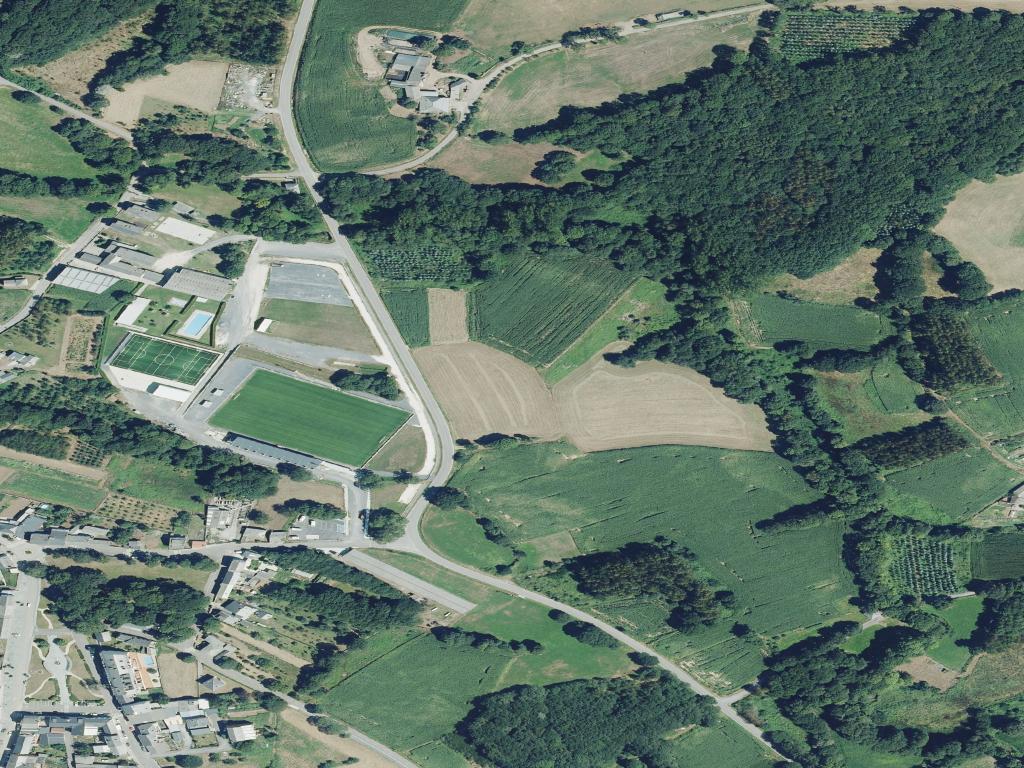
Para entender Baleira hay que empezar por su geografía. El municipio no tiene un núcleo principal. Se extiende por parroquias y aldeas pequeñas, separadas por prados y colinas suaves de la Terra de Meira, en el interior de Lugo. A unos 600 metros de altitud, el paisaje alterna robledales, soutos de castaños y terrenos de labor que aún marcan el ritmo del día.
La escala es reducida y dispersa. Las casas de piedra se agrupan en aldeas compactas, con hórreos y huertos junto a las viviendas. Este es un territorio que se comprende mejor con calma, pasando de una parroquia a otra sin buscar un centro único.
El patrimonio repartido
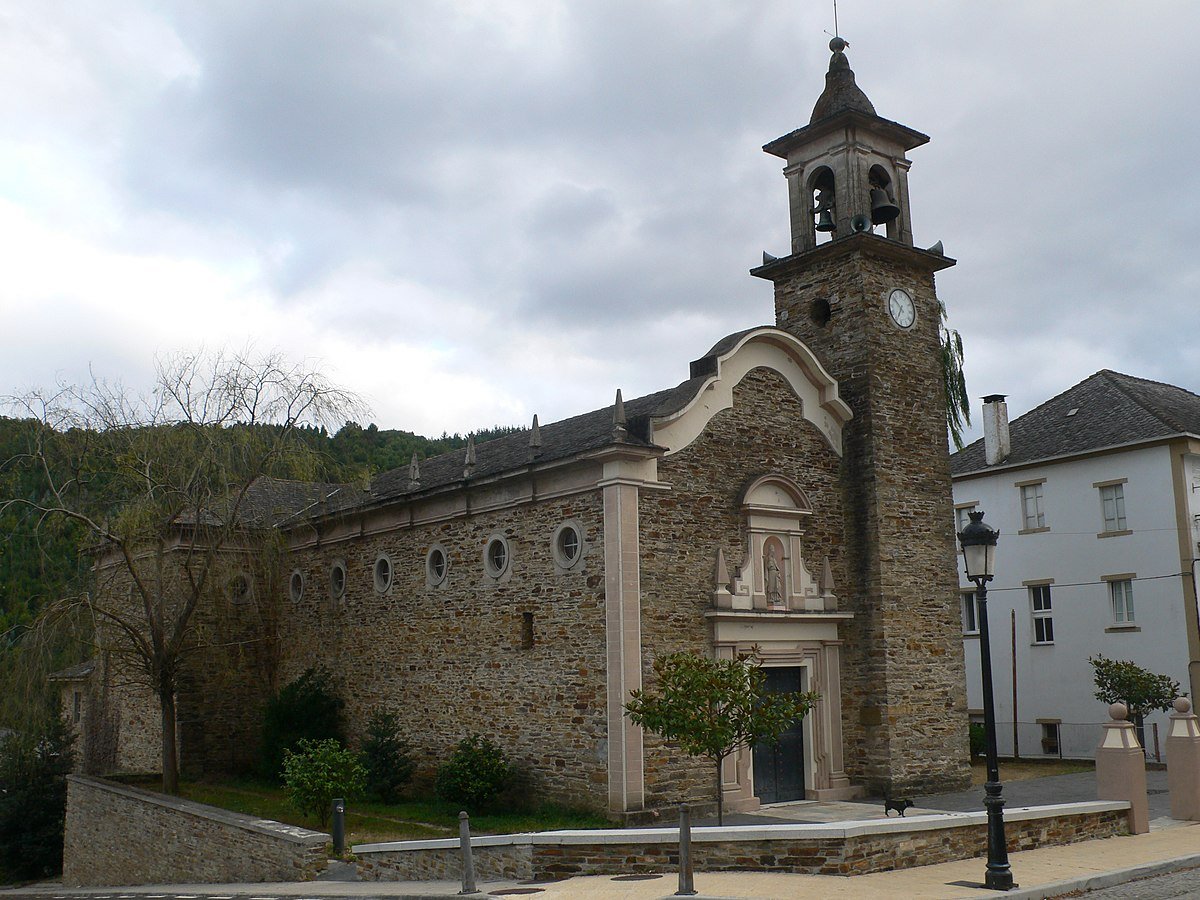
En Baleira, el patrimonio no se concentra en una plaza. Hay que buscarlo. La iglesia parroquial de San Pedro de Baleira suele datarse en el siglo XVI, con reformas posteriores. Conserva un retablo barroco añadido en época moderna. Su arquitectura es sobria, propia de las zonas rurales de esta parte de Lugo.
La iglesia de San Vicente en Vilameá sigue una lógica similar: construcción sencilla en piedra, espadaña común en las parroquias menores. No son monumentos diseñados para impresionar. Su valor reside en que siguen definiendo el centro de cada aldea y organizan la vida local.
Junto a muchas casas se mantienen hórreos de madera y piedra, algunos con cierta antigüedad. Formaban parte del sistema doméstico para guardar el grano. Otros elementos de la vida comunal también permanecen, como lavaderos y fuentes. La Fonte do Souto en Baleira es un ejemplo. Estos espacios muestran cómo el agua estructuraba las rutinas diarias de forma directa.
Las aldeas responden a una lógica práctica. Las calles son estrechas, a veces empedradas, y desembocan en pequeños espacios compartidos donde antes se reunían los vecinos. Cada elemento refleja una economía ligada a la agricultura y la ganadería, donde la función primaba sobre la apariencia.
El paisaje de la Terra de Meira
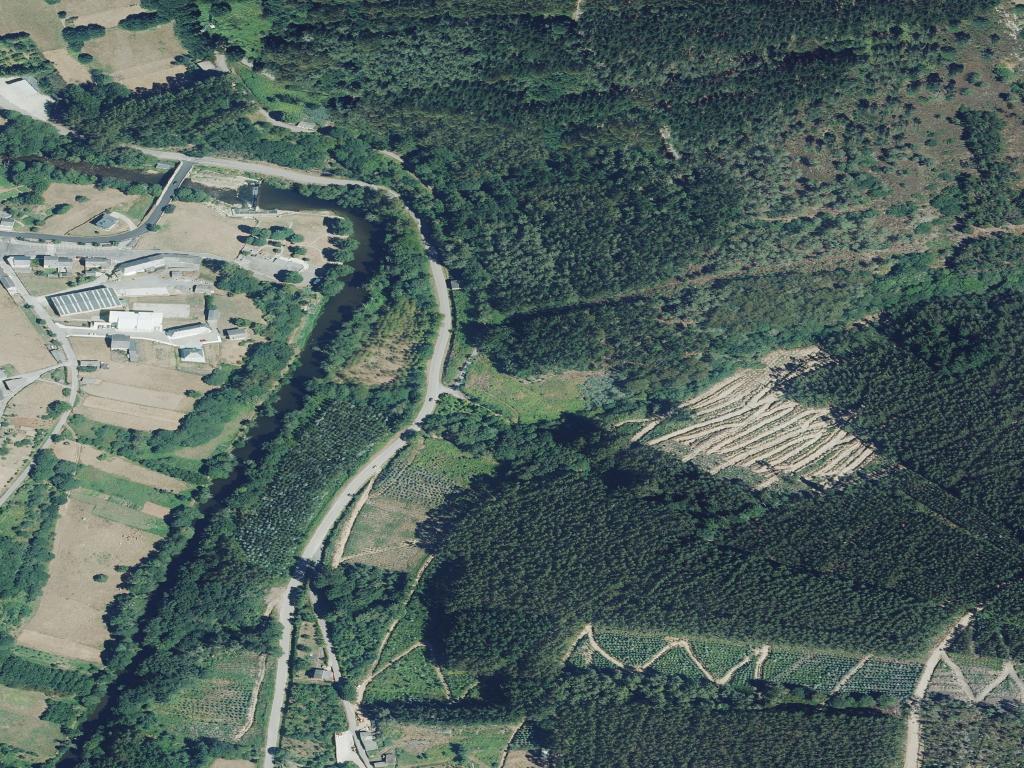
El terreno en Baleira es suave comparado con otras zonas montañosas de Galicia, pero no es llano. Colinas redondeadas y valles abiertos conforman el territorio. En las áreas menos alteradas persiste la vegetación autóctona: robles, castaños y algún acebo.
Los soutos, o bosques de castaños, son centrales en el paisaje. Durante siglos proporcionaron alimento, madera y sombra para el ganado. Su presencia aún define amplias zonas del campo. En otoño, los colores cambian con rapidez en estos bosques, aunque el interés del lugar no depende de una estación concreta.
En las laderas más soleadas aparecen matorrales y terrenos despejados. Esta mezcla de bosque, pasto y vegetación baja ofrece una imagen clara del uso histórico del territorio. El equilibrio entre zonas cultivadas y espacios menos intervenidos sigue visible, sin límites abruptos entre ellos.
Caminar entre parroquias
La forma más directa de entender Baleira es recorrer los caminos que unen sus aldeas. Muchas de estas rutas no están señalizadas como senderos oficiales. Son pistas locales o veredas usadas durante décadas para conectar casas o acceder a los campos.
Conviene llevar mapa o preguntar por las direcciones. El conocimiento del terreno vive aún con la gente que reside aquí, y es habitual que indiquen atajos o trayectos que no aparecen en los mapas digitales.
La bicicleta también puede servir, aunque el terreno es irregular y las cuestas se notan. Las carreteras locales tienen poco tráfico, lo que permite un desplazamiento tranquilo entre parroquias.
En temporada de setas, algunos montes comunales y parcelas privadas se usan para la recolección. Esta actividad tiene raíces profundas en la zona, siempre guiada por las normas establecidas en cada lugar sobre el uso de los recursos.
Fiestas y costumbres cotidianas
El calendario festivo de Baleira se vincula a sus parroquias. En verano, las fiestas patronales se celebran con misa, procesión y verbena. En lugares como San Xoán o Santa María de Baleira, estos eventos reúnen a vecinos que viven fuera y regresan por unos días.
El invierno conserva la memoria de la matanza del cerdo, una práctica que tuvo un papel clave en la economía doméstica. Aseguraba provisiones de carne y embutidos para meses. Hoy sobrevive más como recuerdo familiar que como costumbre generalizada.
Otras rutinas siguen marcando la vida en muchas casas, aunque con menos intensidad que en décadas pasadas. Recoger productos de la tierra, atender al ganado menor y trabajar en la huerta aún marcan el ritmo de la actividad diaria.
Antes de ir
Baleira no se visita como un pueblo compacto. El municipio abarca una extensión amplia y exige moverse entre parroquias. Planificar una ruta con cierto cuidado facilita la experiencia.
Los servicios son limitados y no existe una infraestructura turística extensa. Algunas aldeas tienen bares o tiendas pequeñas, aunque no siempre permanecen abiertas todo el día.
Las carreteras secundarias presentan curvas y desniveles. La cobertura móvil puede fallar en algunos tramos. Es prudente llevar un mapa offline y conducir con paciencia. Las condiciones meteorológicas también cambian con rapidez a esta altitud. La niebla o la lluvia pueden aparecer sin mucho aviso.