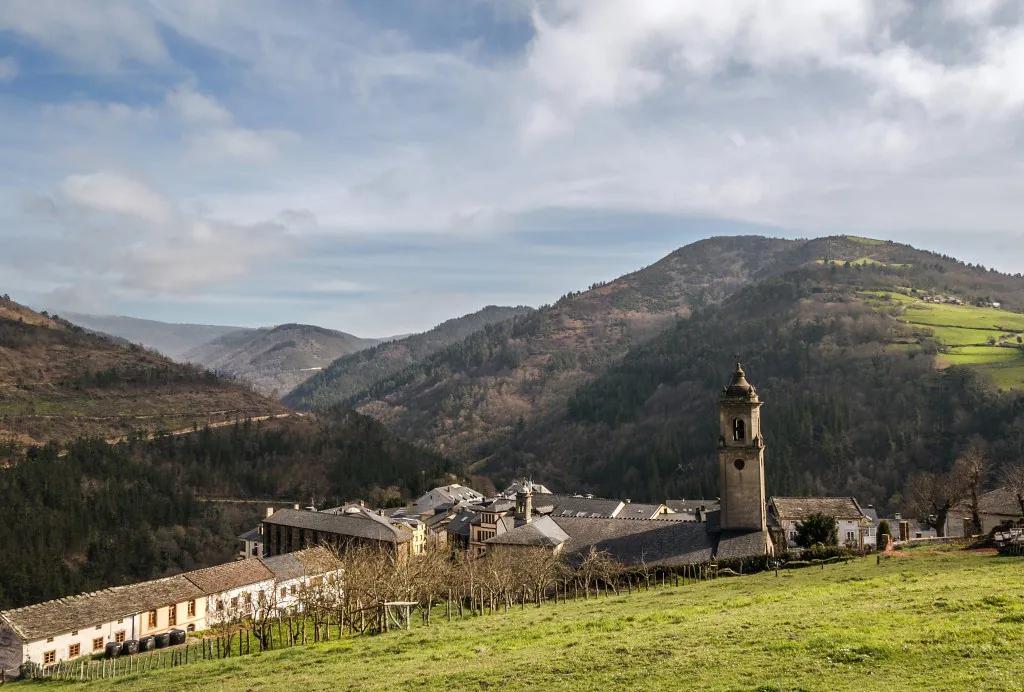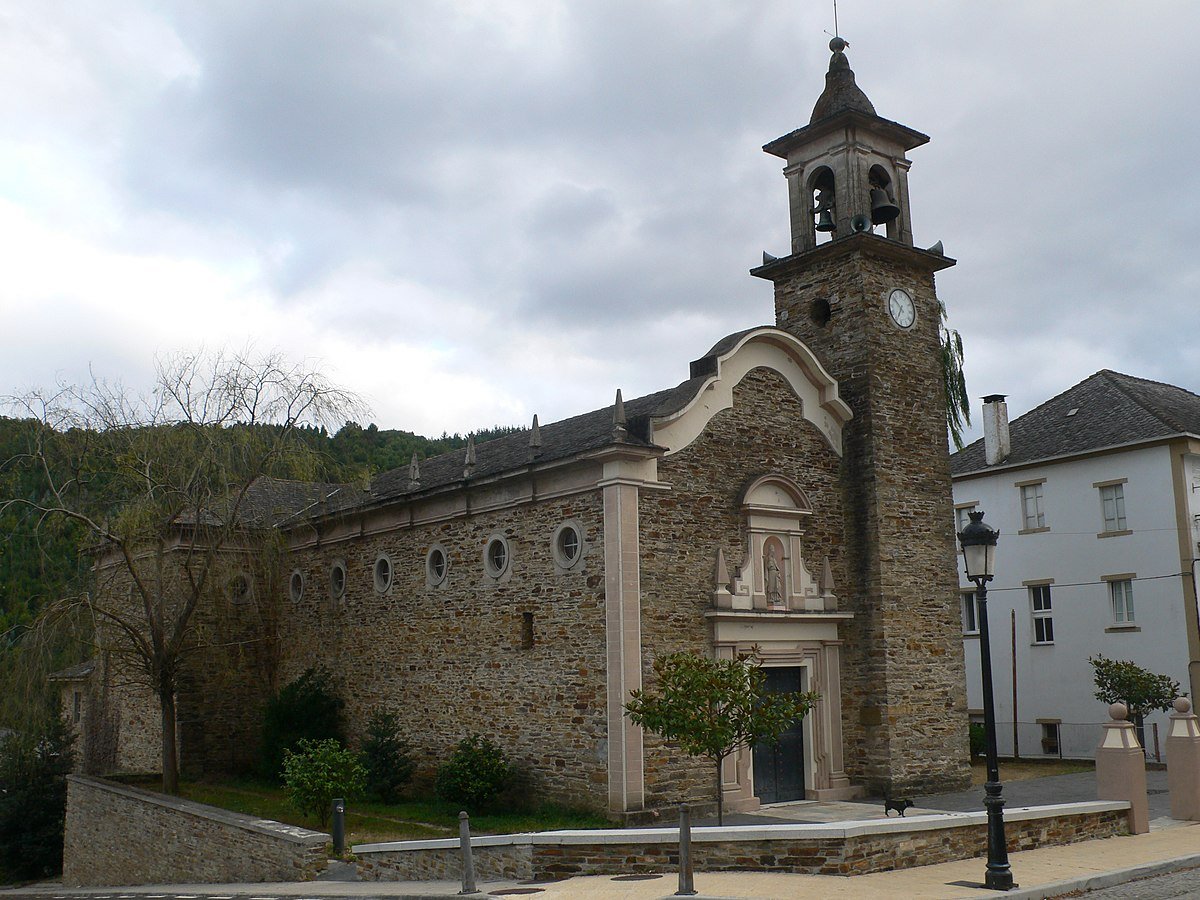
Igrexa de San Pedro de Riotorto.JPG
Galicia · Magical

Riotorto

Fog sits in the valley like milk in a saucer. A single tractor crackles across the lane, headlamps on at nine-thirty. Nobody hurries; the driver li...

1,182 inhabitants · INE 2025
m Altitude

Why Visit

Best Time to Visit

summer

Full Article
about Riotorto

Ocultar artículo Leer artículo completo

The morning you arrive

Fog sits in the valley like milk in a saucer. A single tractor crackles across the lane, headlamps on at nine-thirty. Nobody hurries; the driver lifts two fingers from the wheel, the Galician equivalent of a brass band welcome. Park on the gravel verge—there’s no meter, no app, no queue—and the silence folds back in.

Riotorto isn’t a “village” in the chocolate-box sense. It’s a scatter of hamlets linked by cow tracks and parish lanes, each with its own stone church, tiny cemetery and water trough still used by locals. The council boundary covers 106 km² yet only 5,000 people live here, fewer than occupy one London tube carriage at rush hour. Dispersion is the point: you don’t tick off sights, you practise the art of slowing down until the landscape lets you in.

Reading the ground

Start with the buildings. Granite cottages rise straight from the soil, roofs the colour of weathered slate. Corridors—covered walkways open to the air—run along the front, handy for firewood storage and rainy-day gossip. Beside every other house stands a hórreo, the raised granary built on stilts to keep mice out; some are centuries old, others rebuilt last summer, but the proportions never change. If you see a modern one in bright concrete, you’ve spotted prosperity: a farmer who could afford to replace rotten timber without selling the field.

Notice the water. Fountains appear at road junctions, some still trickling, others moss-covered and dry. Until the 1980s women met here to scrub tablecloths and exchange news; now the plastic wash-basket has moved to the indoor utility room, but the stone basin remains, a social fossil. Photograph it if you must, but remember it was never meant to be picturesque—only useful.

Walk ten minutes down any lane and you’ll hit a carballeira, an upland oak grove where pigs once foraged for acorns. The trees are pollarded, their trunks thick as grain silos, branches cut back every decade for charcoal. Spring brings wood anemones; autumn brings amanita mushrooms the colour of Royal Mail vans—look, don’t taste. The underfoot conditions change with every shower: after rain the red clay grips like theatre glue; in July it bakes hard and your boots ring on the surface.

What counts as an activity

There are no ticket booths, audio guides or gift shops. Instead you get a network of parish tracks that string churches, meadows and threshing floors into ad-hoc circuits. The tourist office—one room open three mornings a week—will lend you a hand-drawn map, but locals prefer the phrase “sigue subindo” (just keep going uphill). Distances look tiny on paper; allow twice the time you’d budget on Exmoor. Gradients are gentle but constant, and asphalt can stretch for kilometres between villages.

Serious hikers link Riotorto to the monastery at Lourenzá, 12 km north along an old drove road. Everyone else opts for a 5 km loop from O Castro da Louteira chapel, passing two working dairies and a waterfall that appears only after wet weather. Pack a bottle: the fountain at A Travesa supplies cold, iron-heavy water that tastes like old pennies.

Birdlife is modest—great tits, short-toed treecreepers, the occasional goshawk—but patience pays. Sit on a wall at dawn and you’ll hear serins singing exactly two octaves above the cowbells. Bring binoculars, not a long lens; nothing here performs on cue.

Eating without fanfare

Forget tasting menus. Lunch is served at 14:30 sharp in Bar O Pedrouzo on the main LU-540. Order the menú del día—usually soup, braised veal and a slab of tortilla—for €12 including wine that arrives in a plain bottle without a label. Octopus pilgrims rave about is available Thursday to Sunday; ask for it “con cachelos” (boiled potatoes) if you want the real deal, and don’t be surprised when the waitress snips it up with scissors at your table.

Tetilla cheese, shaped like a cartoon breast, is mild enough for children; pair it with quince paste made by the owner’s aunt. Dessert choices rarely extend beyond tarta de Santiago, the almond cake stamped with a St James cross, but it’s gluten-free and tastes of marzipan without the tooth-ache sweetness.

Pay in cash—card machines crash the moment the mobile signal blinks out, which happens every time the wind shifts.

Getting here, staying over

Fly to Santiago de Compostela from Stansted or Gatwick, collect a hire car and head north on the AP-9 for 70 minutes. Public transport exists on paper: two buses a day from Lugo, timed for school runs, impossible for suitcases. The last 8 km weave through eucalyptus and sudden cattle grids; dip your lights when you see hoof prints on the tarmac.

Accommodation is thin on the ground. Casa Rural A Órrea, five minutes outside the parish centre, offers two stone cottages with underfloor heating and an English-speaking owner who stocks tea bags and fresh milk—small mercies after a fog-soaked drive. If you prefer a hotel, drive 15 minutes to Lourenzá’s Hotel Louzao: larger rooms, reliable Wi-Fi, and a bar that shows La Liga on Saturday nights. For a splurge, the Parador de Vilalba occupies a 14th-century tower keep half an hour away; book the castle suite and you’ll sleep behind a metre-thick wall once used to repel the English (ironic, but they’ve moved on).

When to come, when to stay away

April–May turns the meadows an almost violent green; orchards erupt with cherry blossom and nights stay cool enough for a jumper. September brings golden grass and the local fiesta, where neighbours parade a silver-coated statue of the Virgin from one hamlet to the next, stopping for wine at every gate. Both seasons deliver mist before 11 a.m.—photographers love it, drivers don’t.

Mid-July to August is drier but not warm by British standards: 24 °C at noon, single figures after dark. Families flee to the coast, leaving villages half-asleep; cafés reduce hours and you may find every shop shuttered between 14:00 and 17:00. Winter is honest rain, short days and the smell of woodsmoke. Roads ice over above 600 m; if Atlantic storms sweep in, fallen oaks can block lanes for hours. Come now only if you crave absolute quiet and own waterproof trousers rated for Scottish winters.

Sunday closure is still sacred. Arrive on the Sabbath with an empty petrol tank and you’ll discover the nearest open station is 35 km away in Mondoñedo. Plan ahead, or embrace the immobility.

The catch

Riotorto offers space, not spectacle. If your holiday checklist includes “must see castle”, “must ride cable car”, you’ll run out of steam by lunchtime. Mobile coverage vanishes in every second valley; Instagram uploads can take until midnight. English is barely spoken—learn 20 words of Spanish or download an offline dictionary before you leave the airport.

The upside is authenticity without the performance. Nobody will charge you to photograph their barn; conversely, nobody will reorganise the haystack for a better shot. You’re simply present, an increasingly rare condition.

Heading home

Drive away at dawn and the fog reclaims the fields behind you. Within ten minutes the car heater finally wins; within twenty you’ve joined the AP-9 and the world of service stations and speed cameras feels startlingly loud. Somewhere back in those dispersed parishes a tractor has already started the day, the same finger-lift greeting offered to the next passer-by. Riotorto doesn’t mind that you’re leaving—it’s accustomed to people passing through, and equally accustomed to them realising, further down the road, that the quiet has followed them home.

Key Facts

Region
Galicia
District
Terra de Meira
INE Code
27054
Coast
No
Mountain
No
Season
summer

Livability & Services

Key data for living or remote work

2024
ConnectivityFiber + 5G
HealthcareHealth center
EducationElementary school
Housing~5€/m² rent · Affordable
CoastBeach nearby
January Climate9.1°C avg
Sources: INE, CNMC, Ministry of Health, AEMET

Planning Your Visit?

Discover more villages in the Terra de Meira.

View full region →

More villages in Terra de Meira

Traveler Reviews