Full Article
about Manzaneda
Hide article Read full article
Manzaneda, cuando la carretera decide la velocidad
Hay una curva en la carretera OU-536, justo después de pasar Puebla de Trives, donde el coche parece que se pone él solo una marcha más larga. No es que la pendiente cambie mucho, es otra cosa. El paisaje se abre y de repente todo va más despacio. Así funciona el turismo en Manzaneda. Este municipio del interior de Ourense tiene su propio compás, marcado por la altitud y una relación con el terreno que no admite prisas.
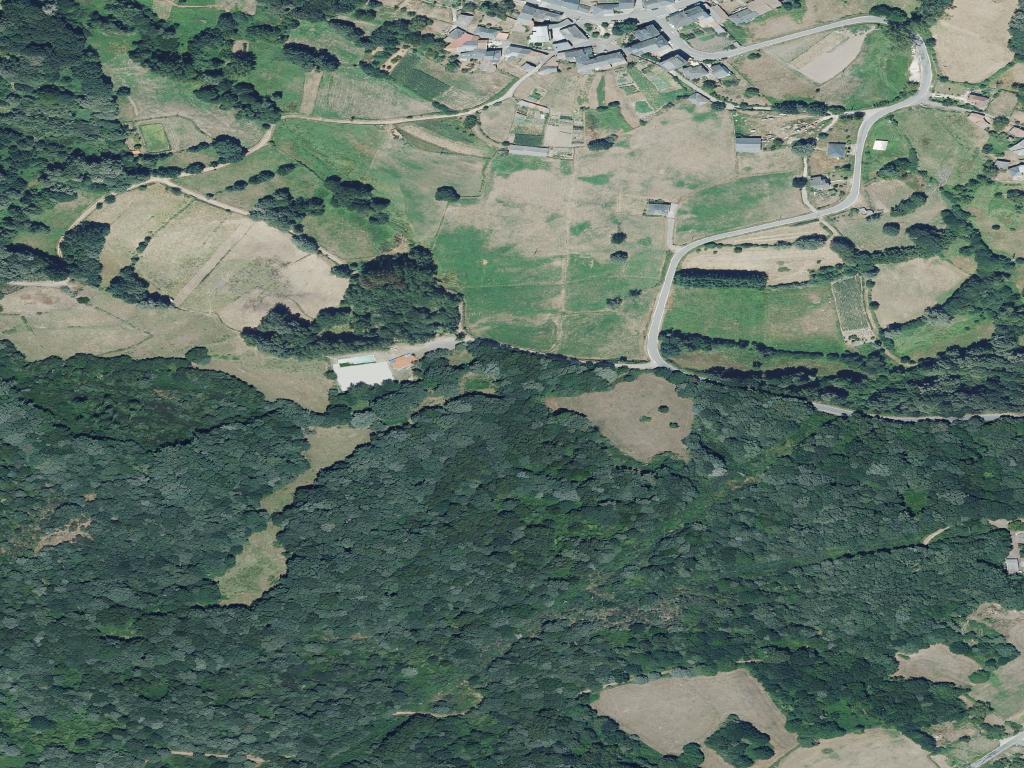
Con poco más de 700 habitantes, Manzaneda no es un sitio para aparcar, hacer tres fotos y seguir. Aquí mandan la sierra y el clima. Verás casas de piedra con tejado de pizarra, hórreos y pequeñas capillas en las aldeas de alrededor. Nada de esto parece decorativo. Son soluciones prácticas a un invierno duro y a un verano corto.
El núcleo principal es pequeño. Unas calles, las casas agrupadas y la vida tranquila de un pueblo de montaña. Si vienes pensando en pasar el día paseando por el centro, te va a sobrar tiempo. La clave está fuera.
Subir a la Serra de Queixa
La carretera que sube hacia la estación de esquí es el camino a seguir. A medida que ganas altura, los valles cerrados dan paso a laderas amplias donde el viento tiene vía libre. Los picos pasan de los 1.700 metros.
En invierno, con nieve, hay actividad alrededor del remonte. El resto del año, la zona atrae sobre todo a gente que viene a caminar o a ir en bici por las pistas forestales. No hay grandes infraestructuras turísticas fuera de temporada. Lo que sí hay son caminos, alguna carretera alta y miradores naturales donde merece la pena parar el coche.
Los días ventosos tienen algo especial aquí arriba. Las nubes pasan rápido sobre un cielo que parece más grande. La experiencia no es tanto ver cosas concretas como quedarte quieto un rato para entender la escala del terreno.
Aldeas de piedra y el castro
La mejor forma de ver Manzaneda es coger una desviación cualquiera hacia una aldea. Un cartel puede llevarte a tres o cuatro casas, un lavadero tradicional y poco más. El silencio suele ser parte del paisaje.
Si te interesa el pasado más lejano, el castro de Saceda da contexto. Es un poblado fortificado anterior a los romanos, típico del noroeste. No esperes reconstrucciones ni nada monumental. Lo que ves son las formas del asentamiento y su posición estratégica en lo alto del monte.
En el núcleo principal está la iglesia parroquial de Santa María. Es sencilla y sólida, muy acorde con la arquitectura rural de la zona. No hay grandilocuencia, solo funcionalidad.
Manejando entre aldeas, la repetición de piedra, pizarra y pequeñas capillas refuerza la sensación de que este es un paisaje vivido. Nada parece preparado para ti.
Comer según el tiempo
La comida aquí sigue al calendario y al termómetro. Cuando llega el frío aparecen los caldos contundentes, los guisos lentos y el cordero asado.
El otoño trae sus propios sabores si el año viene bien: castañas y setas silvestres suelen estar al alcance. Los embutidos caseros también toman protagonismo cuando bajan las temperaturas.
No hay una escena culinaria amplia para explorar porque Manzaneda es pequeño. Lo que encuentras es cocina directa, basada en lo que permite el clima y da la tierra.
Cómo moverse por aquí
Para sacarle algo a Manzaneda tienes que tratar todo el municipio como destino. El centro se ve rápido. Lo interesante está en subir a la sierra, parar en alguna aldea, caminar por algún sendero boscoso o buscar un punto alto para ver cómo cambia la luz sobre las montañas.
Conviene planificar con sentido común. Las carreteras son sinuosas, la niebla puede aparecer sin avisar y los tiempos de conducción no siempre coinciden con lo que dice el mapa. Los servicios son limitados, así que no está mal llevar agua o algo para picar si piensas pasar horas por la zona alta.
Este no es un lugar construido alrededor de monumentos o calles comerciales. Su interés está en esa mezcla de altitud, clima y una forma de vida ligada a un terreno exigente.
Si solo tienes unas horas
Con tiempo limitado, un plan sencillo funciona: sube hacia la Serra de Queixa y para en algún mirador natural para pillarle la forma al territorio. Desde ahí, baja despacio hacia alguna aldea cercana. Un paseo corto, ver las casas de piedra, escuchar ese silencio peculiar y seguir camino.
Manzaneda no compite por espectáculo ni tamaño. Le va bien a quien llega buscando aire de montaña y una idea más clara de cómo se vive en un entorno duro que sigue muy conectado con lo que tiene alrededor. Si vienes con eso en mente, la visita suele cuadrar sola