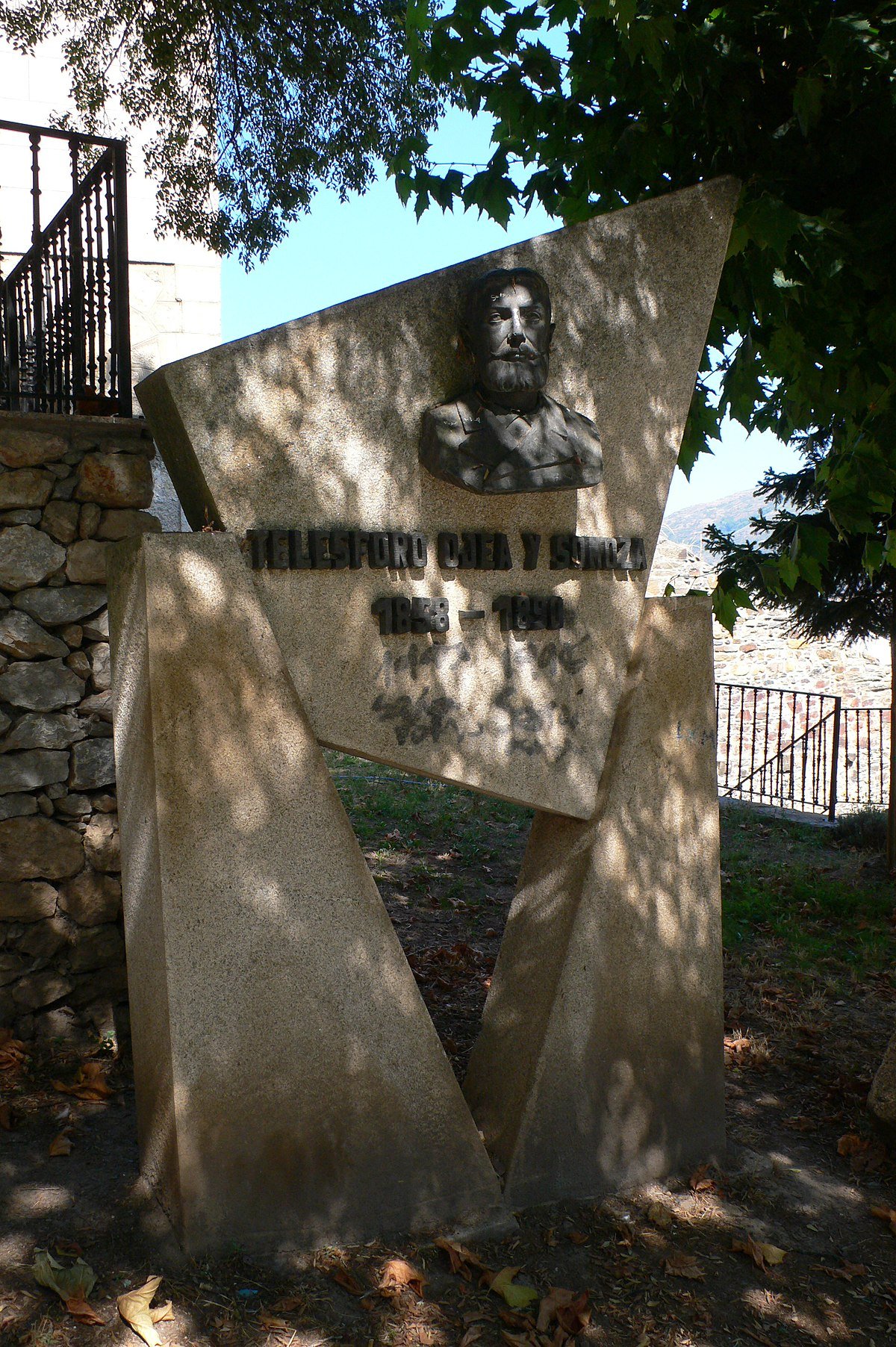
Monumento a Telesforo Ojea Somoza na Rúa de Valdeorras.JPG
sergei.gussev · Flickr 4
Galicia · Magical

A Rúa

The clock in the bakery strikes half past seven and the napolitana de chocolate is already warm. By eight the queue is out the door: quarry workers...

4,214 inhabitants · INE 2025
m Altitude

Why Visit

Best Time to Visit

summer

Full Article
about A Rúa

Ocultar artículo Leer artículo completo

The clock in the bakery strikes half past seven and the napolitana de chocolate is already warm. By eight the queue is out the door: quarry workers in lime-dusted boots, two German cyclists who thought they’d wild-camp by the river, and a grandmother buying a dozen sponge fingers because the priest is coming for coffee. This is A Rúa, a place that refuses to arrange itself for the perfect snapshot.

Most British travellers flash past on the A-52, eyes fixed on Santiago’s spires or Ourense’s hot springs. They don’t realise the valley has narrowed, the vineyards have tilted to impossible angles, and the Sil has shrunk to a silver ribbon far below the crash barrier. Exit at junction 254, drop 300 m of hair-pin bends, and the village reveals itself: a working small town of 5,000 where the day still revolves around the 09:03 freight train and Tuesday’s open-air market.

Down on the riverbank, up on the terraces

A Rúa’s relationship with water is practical, not pretty. The Sil drives two mini-hydro plants, cools the polígonos warehouses, and provides a flat mile of footpath that starts behind the football ground. Walk it early and you’ll share the towpath with men casting for barbel, office staff on a pre-work circuit, and the occasional pilgrim limping in from the Sanabrés variant of the Camino. The water smells of wet slate and drains; herons stand on supermarket trolleys that have been dumped in the reeds. It’s the antithesis of a Mediterranean beach resort – and oddly refreshing for that.

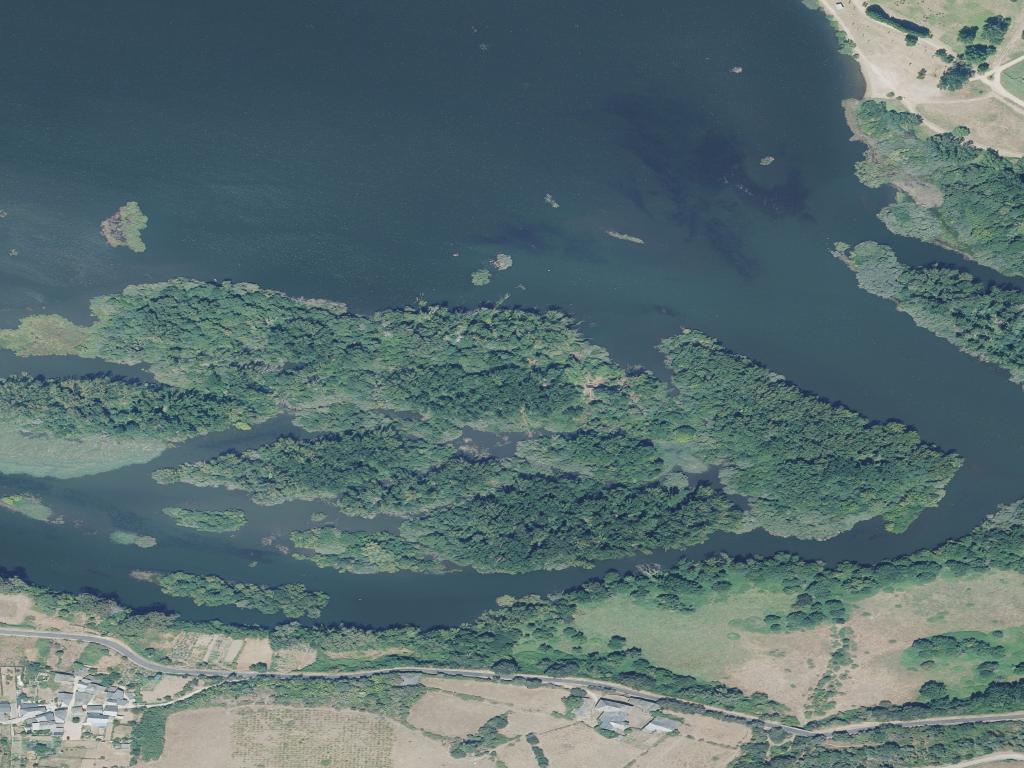
Climb back into town and the slope begins at once. Streets are numbered rather than named, and the gradients would shame Sheffield. Houses are rendered in ochre, peach, and a shade best described as “Institution Green”, all fading at different speeds under the Atlantic rain. Between them peek the stone terraces of Valdeorras: godello vines planted so steeply that tractors are tethered by steel cables. The view improves with altitude. From the mirador above the cemetery you can track the river’s ox-bow, the railway threading a tunnel under the ridge, and the morning mist peeling back like a stuck-down label.

Lunch is at one, supper at nine – or not at all

Galicia’s interior cooking rules here. Octopus arrives on timber trays at Pulpería O’Pillabán, paprika sharp enough to make you cough. If tentacles aren’t your thing, ask for the lomo asado: plain pork loin, chips, no fuss. The same family runs the only B&B in the village – three rooms above the restaurant, €45 a night, earplugs included because the Saturday queue lasts until midnight. Café-bar O Cruce does toasted bocadillos and fried eggs for walkers who need calories fast; the unnamed bakery with the yellow awning sells custard-filled napolitanas that survive in a rucksack for exactly four hours before imploding.

Wine is not an afterthought. Godello, the local white, tastes of green apple and wet granite; drink it young and very cold. Three bodegas within 7 km open for tastings, but you must book – WhatsApp works better than email and weekends fill up with Madrilenians escaping the heat. Mencia reds are lighter than Rioja, perfect with the region’s cured cecina beef. Expect to pay €9-12 retail, €4 a glass in a bar, and don’t ask for a spritz.

What the guidebooks mislay

A Rúa is not a “hidden gem”; it’s a supply town for farmers and slate miners. That means practical advantages: a 24-hour cash machine, a pharmacy that opens on Sundays, and Tuesday’s market where socks cost €1.50 and the fruit man will slice a kaki persimmon for you to taste. It also means 1970s apartment blocks, diesel lorries braking through the night, and the occasional whiff of silage. Accept the mixture and the place relaxes; fight it and you’ll leave after one bewildered hour.

The biggest mistake is confusing A Rúa with the hamlet of Rúa in Lugo province 100 km north. Sat-nav routinely dispatches sweaty hikers to the wrong side of a mountain range; double-check the postcode (OU-3216) before you set off. Another error is timing: everything except the kebab shop closes by 20:00. If you need cash, plasters, or a bottle of water, buy it before the siesta ends at 17:00 or you’ll go without.

Spring vines, autumn chestnuts, winter silence

April and May carpet the valley in wild mustard and the temperature hovers around 18 °C – ideal for a 12 km loop that climbs from the river to the abandoned village of Morgadán, then drops back through pine and sweet chestnut. In October the woods rust orange and wineries ferment around the clock; the air smells of grape must and woodsmoke. Summer can hit 38 °C in the gorge; walk at dawn or not at all. Winter is grey, quiet, and cheap – the albergue charges €6, the bars light coal stoves, and the fiesta of San Esteban (26-30 December) fills one street with bagpipes and cider until the police close it down at 03:00 sharp.

Access is straightforward if not lightning-fast. Fly to Santiago de Compostela with Ryanair or EasyJet, collect a hire car, and take the A-52 east for 110 km (1 h 20 min). Renfe trains run twice daily from Santiago to Ourense (2 h); connect with the Monbus service to A Rúa, three or four buses daily, 45 min, €4.50. If you’re walking the Camino Sanabrés you’ll arrive on foot from the monastery at Oseira, 28 km of gravel track and the occasional snarling dog – the municipal hostel opens at 15:00, beds on a first-come basis, no advance booking, cash only.

Leave before lunch, or stay the week?

Two hours gets you the river walk, a coffee in the main square, and the mirador selfie. That’s enough for most passing motorists. Stay overnight and you can add a bodega visit, a 14th-century bridge whose arches are exactly one stone thicker on the south side (nobody knows why), and a conversation with the quarry foreman who once worked in a slate mine in North Wales and wants to know if the Red Wall still stands. Stay a week and you’ll find yourself recognised in the bread queue, invited to a family churrasco, and arguing about football with men who remember when the railway employed half the town. A Rúa will not flatter you with picture-postcard perfection; it offers instead the rarer gift of being treated like a neighbour rather than a customer.

Key Facts

Region
Galicia
District
Valdeorras
INE Code
32072
Coast
No
Mountain
No
Season
summer

Livability & Services

Key data for living or remote work

2024
ConnectivityFiber + 5G
TransportTrain station
HealthcareHealth center
EducationHigh school & elementary
Housing~6€/m² rent · Affordable
CoastBeach 18 km away
Sources: INE, CNMC, Ministry of Health, AEMET

Planning Your Visit?

Discover more villages in the Valdeorras.

View full region →

More villages in Valdeorras

Traveler Reviews