Full Article
about Carballeda de Valdeorras
Ocultar artículo Leer artículo completo
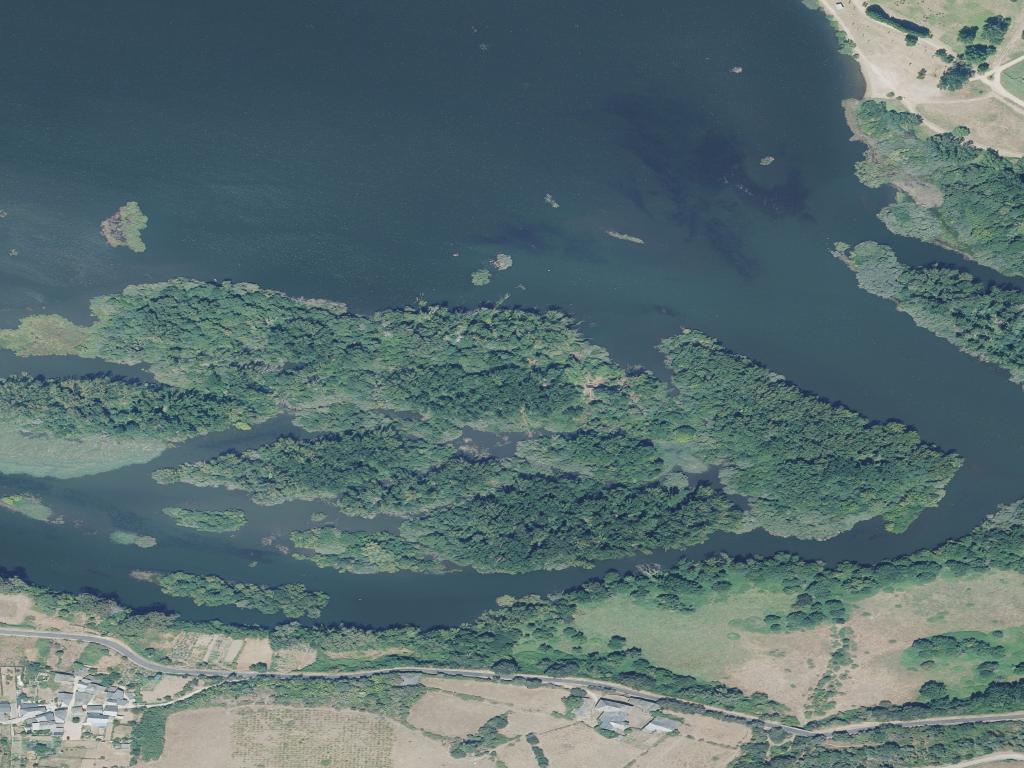
The tractor blocking the lane to Córgomo isn't broken down—it's simply Wednesday. The driver leans against the wheel, chatting through the window with a woman shelling beans on her doorstep. Neither shows any urgency about moving along. This is Carballeda de Valdeorras, where five thousand souls are scattered across thirty-odd hamlets stitched together by dry-stone walls and the slow meander of the River Sil.
The Lay of the Land
Think less of a single village, more of a patchwork quilt flung across the eastern edge of Ourense province. The municipality stretches along the Sil valley at roughly 300 metres above sea level, but the vineyards climb so steeply that a ten-minute wander can add another 150 m to your altitude. That matters when you realise the nearest shop might be two valleys away. British visitors expecting a compact high street will find instead a handful of parish churches, a bar that opens when the owner feels like company, and lanes so narrow that wing mirrors become optional extras.
The climate here is Mediterranean-influenced rather than the rainy-green Galicia of tourism posters. Summers nudge 35 °C on the south-facing terraces; winters drop to –3 °C at night, just cold enough to threaten the vines but rarely enough to snow you in. Spring brings almond blossom at the end of March—two weeks earlier than the upland interior—and autumn tints the chestnut woods copper by mid-October. If you're driving from the UK, reckon on two days from Calais via the A63 and A10, then the last 90 minutes on the A-6 and N-120 once you cross from Castile into Galicia. The final stretch, the OU-536, corkscrews down to the Sil; leave the caravan at home unless you fancy a three-point turn on a 15 % gradient.
Between Stone and Vine
Terraces define the valley. Each row of vines sits behind a knee-high wall built without mortar, the weight of the stones countering centuries of gravity. The local grape is Godello for whites, Mencía for reds—varieties that shrug off the temperature swing between blazing afternoon and chilly night. You won't find glossy cellar doors with tasting counters; most holdings are under five hectares and family-run. Ringing ahead is essential. Try Bodegas Valdesil (in neighbouring Ponferrada district) or the tiny Adegas Pazo do Mar if you want a formal visit; otherwise, buy a bottle from the co-op in O Barco de Valdeorras (£6–9) and drink it on the riverbank.
The same terraces make for thigh-burning walks. A gentle starter is the 4 km loop from Córgomo up to the abandoned hamlet of A Pousa—allow 90 minutes including pauses to admire the view and field the inevitable "De donde vén?" (Where are you from?) from a passing octogenarian. Stout shoes beat trainers once the soil dampens; after rain the schist paths skate like polished pewter. If you fancy something hillier, drive 25 minutes to the Serra da Enciña da Lastra nature reserve. Here the vegetation flips to holm oak and juniper, proof that Galicia can do semi-arid too. A 7 km ridge trail gives vulture-eye views over the canyon, but carry water—there's no café at the top.
What Passes for a Centre
Carballeda has no plaza mayor lined with orange trees. The administrative capital is A Rúa de Valdeorras, three kilometres north, where you'll find the only cash machine for miles. Inside the municipality itself, services are parcelled out: bakery in Pumares, pharmacy in Larouco, agricultural supplier in A Canda. The weekly market pops up in A Rúa on Tuesdays; arrive before eleven or the fish van will have sold out of percebes (goose barnacles) and the cheese lady gone home. British food expectations should be adjusted accordingly. Octopus arrives dusted with pimentón, not dill; the local stew, botelo, is pork rib and stomach stuffed into a bladder—hearty, smoky, and definitely not for vegetarians. Order it at Casa Pardal in A Rúa (£9 a portion, feeds two) on the weekend it appears; mid-week the freezer is empty.
When to Come, When to Skip
Late April to mid-June offers 14 °C dawns rising to 24 °C by mid-afternoon, ideal for walking without the furnace of August. May brings the Fiesta de la Vendimia en Verde, a "green harvest" parade where locals spray one another with water pistols filled with last year's wine—pack a white T-shirt you never want to see again. September and October colour the vines scarlet and make photographers happy, but accommodation books up during the chestnut festival in neighbouring O Barco (second weekend of October). Winter is quiet; some guesthouses shut completely from January to March, and mountain roads can ice over after dusk.
Avoid August if you dislike crowds and inflated prices. Spanish holidaymakers triple the valley's population, squeezing cars into every passing bay and pushing hotel tariffs from £55 to £90. Conversely, don't expect a hive of activity in February. One café owner shrugged when asked about opening hours: "If the river's high and the fire's lit, I'm not unlocking the door."
Beds, Boots, and Getting About
Accommodation clusters in three types: stone cottages rented by the week (from £400), village houses on booking platforms (£65 a night, minimum two), and the 12-room Hotel Puente Romano in A Rúa with small pool and riverside terrace (£80 B&B). None are inside Carballeda's hamlets proper; the closest is a 10-minute drive up to Larouco. Public transport exists—a morning bus to Ourense, an afternoon one back—but timetables favour schoolchildren, not tourists. Hire a small car in Santiago or León; the roads punish wide wing mirrors and low-clearance sport models.
Bring walking boots with ankle support, a reusable shopping bag (plastic is banned in Galician markets), and enough Spanish to say "¿Está abierta la iglesia?" Church doors stay locked unless mass is due; services are usually 11 a.m. Sunday, but San Miguel de Nogueira occasionally opens for Saturday vespers if the sacristan remembers. Photographers should note that drone flying over vineyards requires the owner's permission—easy to obtain if you buy a bottle first, impossible afterwards.
Parting Shots
Carballeda de Valdeorras will never tick the "top ten Instagram spots" box. Its appeal lies in cumulative detail: the smell of chestnut woodsmoke at dawn, the way terraces echo when a hoe strikes stone, the surprise of a perfect albariño poured from a plastic jug labelled "Venta al Público". Come prepared to slow down, to park the car and walk, to accept that the bar might shut because the owner has gone to help her cousin with the harvest. If that sounds like effort, head to the coast. If it sounds like the antidote to a fortnight in Costa central, turn off the motorway at junction 339 and follow the river inland.