Full Article
about Petín
Ocultar artículo Leer artículo completo
Dawn at 400 Metres
The thermometer on the car dashboard drops six degrees between the valley floor and the first houses of Petín. At 07:30 in late October the air is sharp enough to make a British visitor reach for the gloves packed “just in case Galicia rains”, yet the slopes below are already catching a warm, honey-coloured light that promises a T-shirt afternoon. This is the first lesson the village teaches: altitude matters. The vineyards stitched across the hillsides sit between 350 m and 550 m, high enough to dodge the summer furnace that scorches the Spanish interior but low enough to keep the Atlantic rains honest. Locals joke that they grow grapes “where the siesta still works”.
A Parish Church That Refuses to Pose
Guidebooks like their churches floodlit and flamboyant; the parish church of San Esteban de Córgomo declines the role. Stone the colour of wet sand, a single bell turret, no café-lined plaza—just a narrow lane, a bench that faces the vines instead of the façade, and the smell of someone’s wood-smoke drifting over the roof. Inside, the only extravagant touch is the sudden coolness: thick walls keep the nave at a steady 16 °C even when outside temperatures nudge 32 °C. Walk in after a vineyard tramp and the stone feels like air-conditioning designed in the Middle Ages. There is no ticket desk, no postcard rack, and the door is generally open because the key went missing sometime in 1987. Donations box? A jam jar by the font.
Following the River Logic
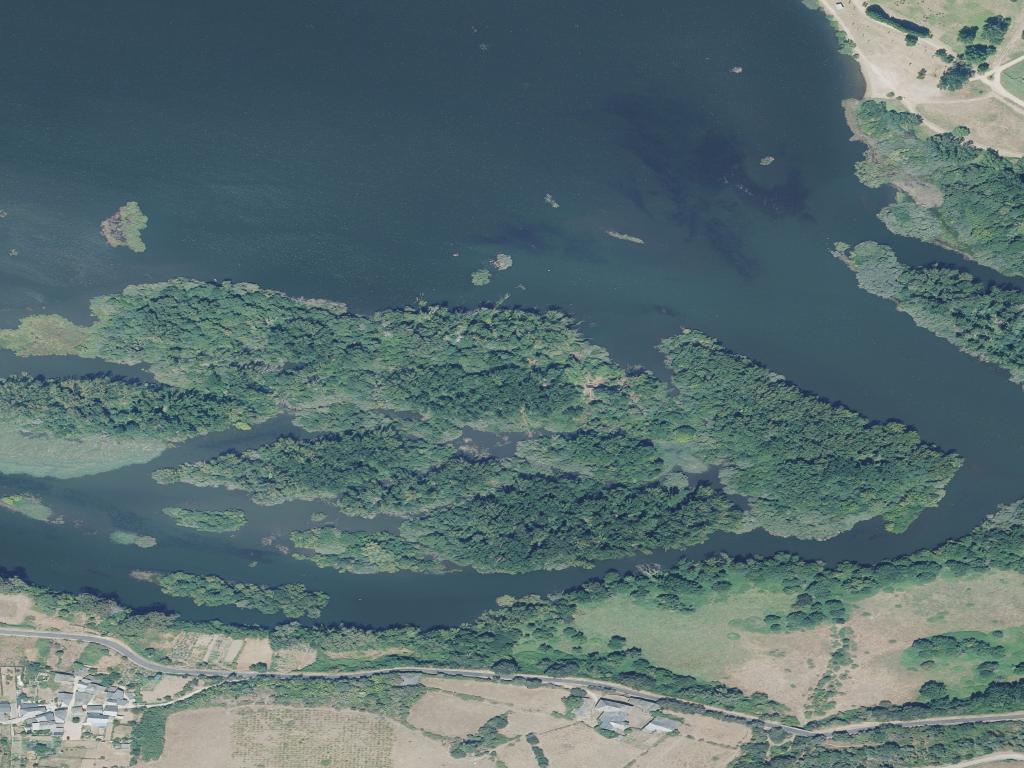
Drive five minutes north-east—passing a stone cross so moss-covered you’d miss it if the sat-nav didn’t hiccup—and the Sil widens into a slow, slate-coloured mirror. Here the valley bottom is only 220 m above sea level, low enough for almond and even lemon trees to survive winter. The contrast is useful: walk an hour uphill among the vines and you’re in knee-high gorse and broom; descend again and the air smells of damp fig leaves. British hill-walkers accustomed to OS maps will find no footpath numbers, just farm tracks that peter into grass. The rule of thumb: if the track splits, take the higher fork; you’ll gain a panorama within fifteen minutes and phone reception usually reappears in time to photograph it.
Wine Without the Theatre
Valdeorras DO has none of the coach-park infrastructure that surrounds Rioja. In Petín the winery experience is literally a shed that happens to contain stainless steel. Bodegas such as Val de Sil or Adega Cachín will open for tastings, but you ring the mobile number stuck on the gate and agree a time. Expect to pay €12–€15 for three whites (Godello) and two reds (Mencía), refundable if you buy a bottle. Harvest is mid-September to early October; visit then and you may be handed a plastic crate and invited to “pick until your back complains”. The reward is usually a glass of juice that’s still fizzing from its first fermentation—cloudy, sweet-sour, nothing like the finished wine and oddly more memorable.
The One-Course Lunch That Lasts Two Hours
There is no tasting menu. The nearest restaurant—simply called O Xantar, on the main OU-536—offers four dishes: roast kid, pork shoulder, river trout, and vegetable cocido. Each arrives with cachelos (boiled potatoes skin-on) and a bowl of locally grown turnip tops that taste like purple sprouting broccoli with an attitude. House white is served in a plain bottle with a handwritten “God.” on the masking tape; it costs €9 and is refillable if you produce the same bottle on a return visit. Arrive after 14:30 and the chef may already be pulling down the shutters; Spaniards eat early here because farmers start at dawn to beat the midday heat.
When the Weather Closes In
Winter brings the only real access headache. The N-120 from Ourense is kept open, but the last 6 km climb to Petín can ice over. Chains are rarely needed, yet a hire-car fitted with summer tyres will spin its wheels on the shady corners where the sun never reaches. From November to February daylight is short—sunrise 08:45, sunset 17:15—so plan any vineyard walk for late morning when frost has loosened its grip. Spring counters with a sudden burst of broom and wild lavender; by late April the thermometer can leap from 5 °C at 07:00 to 22 °C by 14:00, so pack layers rather than a thick coat.
Getting It Wrong, Gracefully
British visitors excel at three predictable errors. First, trusting Google’s estimated walking times: the algorithm assumes a city pavement; add 25 % for stony farm tracks and another 15 % if you stop to photograph every stone crucifix. Second, assuming vineyards mean flat terrain: the gradient between terraces can be 1:4, fine in walking boots, ankle-breaking in supermarket trainers. Third, visiting on a Monday when every winery door is locked; call ahead, ideally the previous evening, and confirm again at 09:00—Galician farmers answer the phone even while driving a tractor.
A Slow Afternoon, Then the Road Down
By 16:00 the sun has slipped behind the western crest, turning the Sil into a strip of pewter. Thermals go back on, car heaters whirr, and the descent to the valley feels like dropping through seasons in fast-forward. Ten minutes below, in the larger town of A Rúa, you can pick up a €6 bottle of Godello that would retail in the UK for £18. Petín itself has no souvenir shop; the nearest thing is the petrol station that sells local honey alongside engine oil. The memory you take away is more fragile: the hush between vines when the wind drops, the way the river keeps its own slow counsel, and the realisation that somewhere in Spain still measures the day by daylight and the frost line rather than the clock on a phone.
Drive back south as the headlights pick out the first chestnut sellers of winter, and the valley floor feels almost uncomfortably warm—proof, if you needed it, that 300 m of altitude can matter more than a motorway of distance.