Full Article
about Vilamartín de Valdeorras
Hide article Read full article
The smell of must hits as soon as you step out of the car, even before the first vines come into view. Arrive in Vilamartín de Valdeorras during the grape harvest and the air feels thick, sweet and faintly alcoholic, as if the whole valley were breathing fermentation. The streets are quiet by mid-afternoon, yet something else is happening below ground: vats at work, godello beginning to stir, the sound of a cork pulled loose echoing off stone walls.
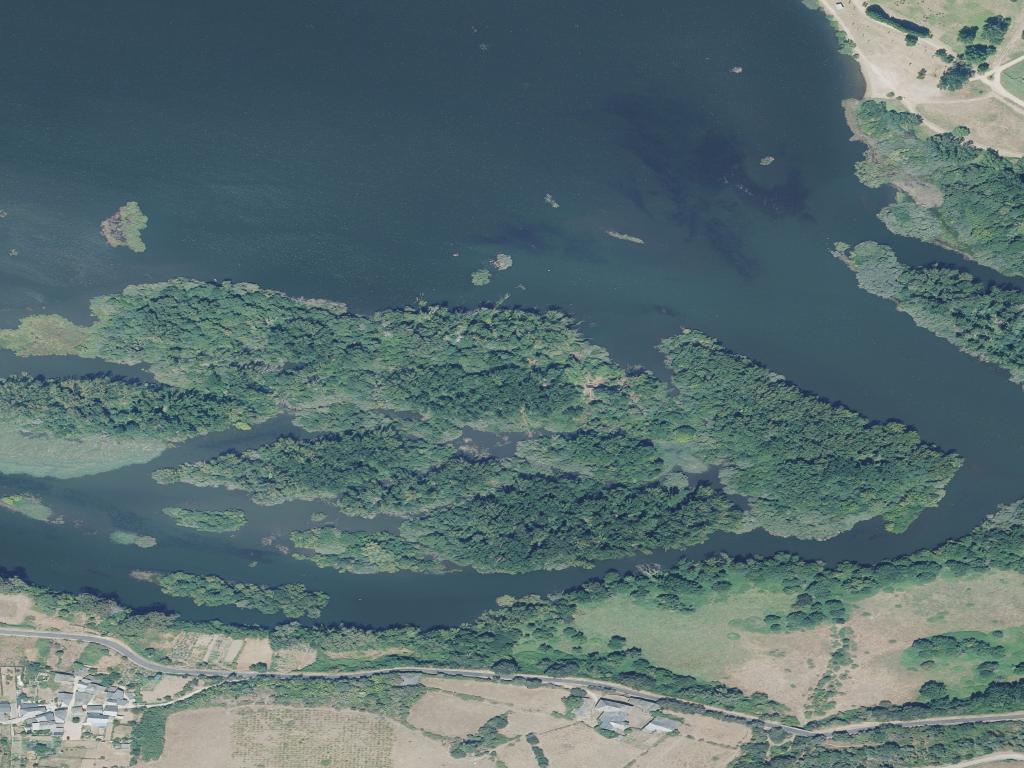
This is not a place that reveals itself all at once. Vilamartín unfolds in levels. Streets slope down towards the Mao river, others thread between houses roofed in slate, and the occasional staircase ends at a cellar carved into clay. From the square, if you walk to the edge of the village and look out, the Sil appears below, winding between chestnut trees and vineyards that turn a muted copper in autumn. Light often arrives filtered, first by early morning mist, then by the faint dusty sweetness left by the harvest.
Godello and the village cellars
In Valdeorras, the recent story of the godello grape is told again and again in local bodegas. There were years when it nearly disappeared. A handful of growers insisted on bringing it back. Today the variety once more covers many of the valley’s slopes.
In the centre of Vilamartín there are several small wineries, some with a simple street-level door and their tanks hidden underground. Walk slowly near the old quarter and you will notice brick vents rising from the pavement like small chimneys. They ventilate the subterranean cellars. When work is under way, the scent of damp wood and pressed grapes lingers in the street.
The Valdeorras wine route often begins in nearby O Barco, just a few kilometres away, though it is just as easy to start here and then move through the valley. A car is useful if you plan to explore several villages, while within Vilamartín itself everything is manageable on foot.
Step inside a small bodega and explanations tend to be straightforward rather than staged: the presses, the tanks, how the grapes have come in that year. It is worth asking before going in. During the busiest days of the harvest, attention is firmly on the grapes rather than on showing visitors around.
When the day turns grey, the table fills up
Rain in Vilamartín does not change plans much. Damp days carry the smell of cocido from mid-morning. In many houses the pot goes on early: grelos, the leafy turnip greens typical of Galicia, chorizo, pork and cachelos, potatoes that end up soaked in broth.
Pulpo, octopus, often appears at festivals or large gatherings. Here it is usually served with paprika and plenty of olive oil, cut with scissors onto a wooden plate, while conversation circles around who has already finished harvesting and who still has rows of vines to pick.
Empanadas filled with salt cod and raisins, or with meat, remain common in village bakeries, especially towards the weekend. When chestnut season begins, desserts tend to follow suit. Dark sponge cakes, thick creams and tarts with a clear taste of autumn take over from lighter sweets.
Walking beside the Mao
Early in the day the valley is almost silent. From the lower part of the village, a path follows the course of the Mao river for several kilometres. It is not demanding: compacted earth underfoot, stretches of shade beneath chestnut trees, and the occasional old stone bridge still used by locals driving tractors across.
In October the ground is often scattered with split chestnuts. You hear the water before you see it, moving slowly between banks thick with vegetation. It is the sort of walk taken without paying much attention to the time.
After rain, some sections can turn muddy, so shoes with a firm sole are sensible.
Hermitages above the valley
Above the village, several tracks climb towards small hermitages dotted across the slopes. Some sit close to the road. Others require a longer walk between vineyards and low scrub.
Up there, the wind stands out. It carries the scent of heather and damp wood. After rainfall, the moss covering many of these buildings turns a vivid green, almost bright when the sun comes out.
There is no need to seek them all out. Choose one, sit for a while under its porch and watch the Sil marking the valley floor below.
When to come, and what to bear in mind
Late summer and early autumn are usually the busiest moments, as they coincide with the grape harvest. The village comes alive and in the square there are sometimes communal meals linked to wine and pulpo. If visiting on those days, it is easier to leave the car at the entrance and walk the rest of the way in.
In November, when the magostos begin, the smell of roasting chestnuts drifts through many corners at dusk. A magosto is a traditional Galician gathering centred on chestnuts and new wine, and the atmosphere feels more local than visitor-focused.
For a quieter stay, it is best to avoid certain national holiday weekends. The valley fills with cars and with people arriving to tour the wineries of the area.