Full Article
about Castrelo do Val
Ocultar artículo Leer artículo completo
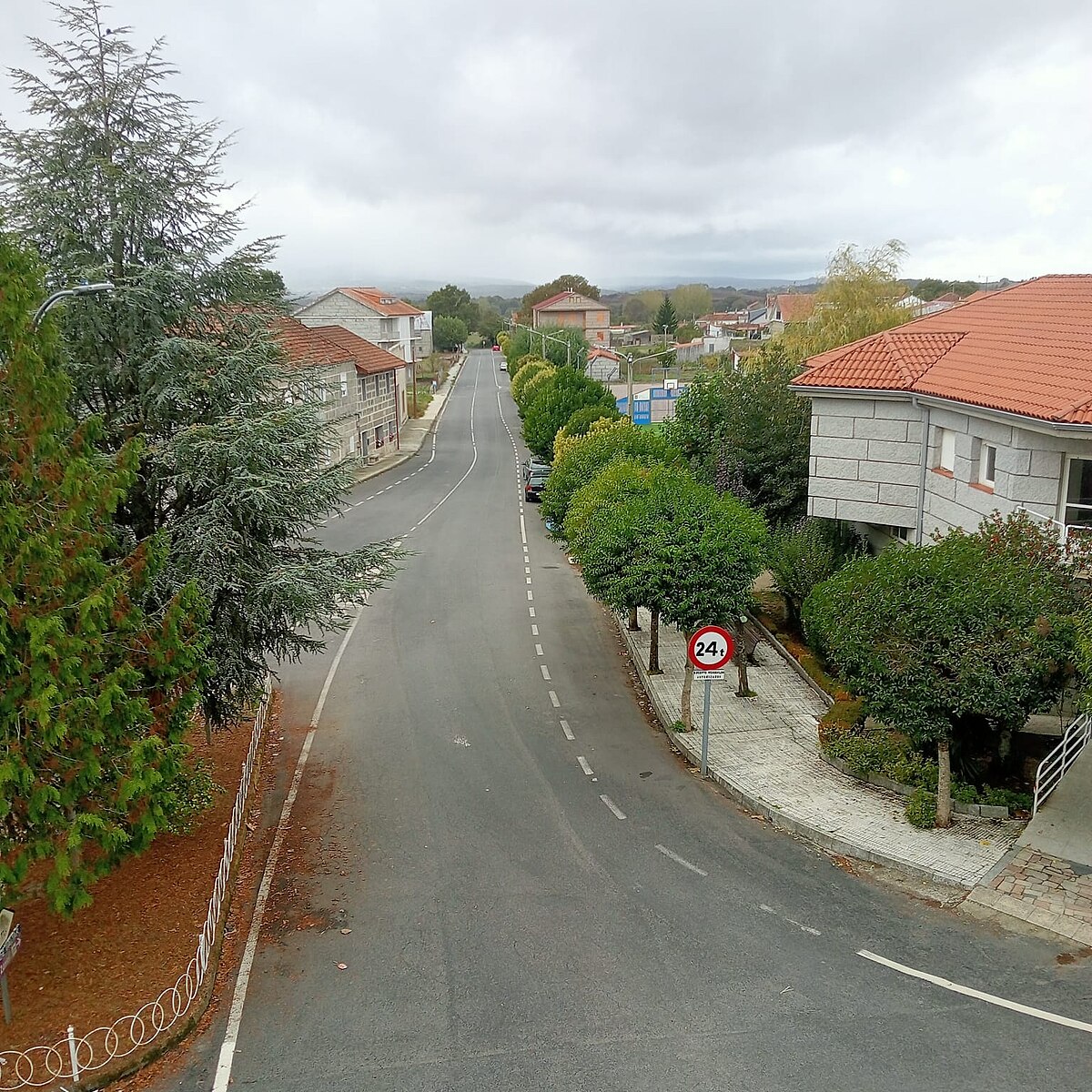
The only traffic jam in Castrelo do Val happens at 08:15 when a Massey Ferguson meets the school run on a single-track lane wide enough for a donkey. Stand still for thirty seconds and you’ll hear the hum of the milking parlour from the farm across the valley, a blackbird practising scales on a telephone wire, and the soft clink of someone’s grandmother hanging washing beneath an hórreo, the raised granary that keeps the mice out of the maize.
This is interior Galicia at its most stubbornly alive. The municipality counts barely a thousand souls, scattered across a handful of hamlets that refuse to die even though the chemist, the cashpoint and anything resembling nightlife live fifteen kilometres away in Verín. British drivers normally flash past on the OU-536, hell-bent for the Ribeira Sacra wine route or the hot springs downstream. Stop, and you discover a place that measures distance in minutes of daylight left for ploughing, not in Instagram tiles.
Stone, Slate and the Smell of Cut Grass
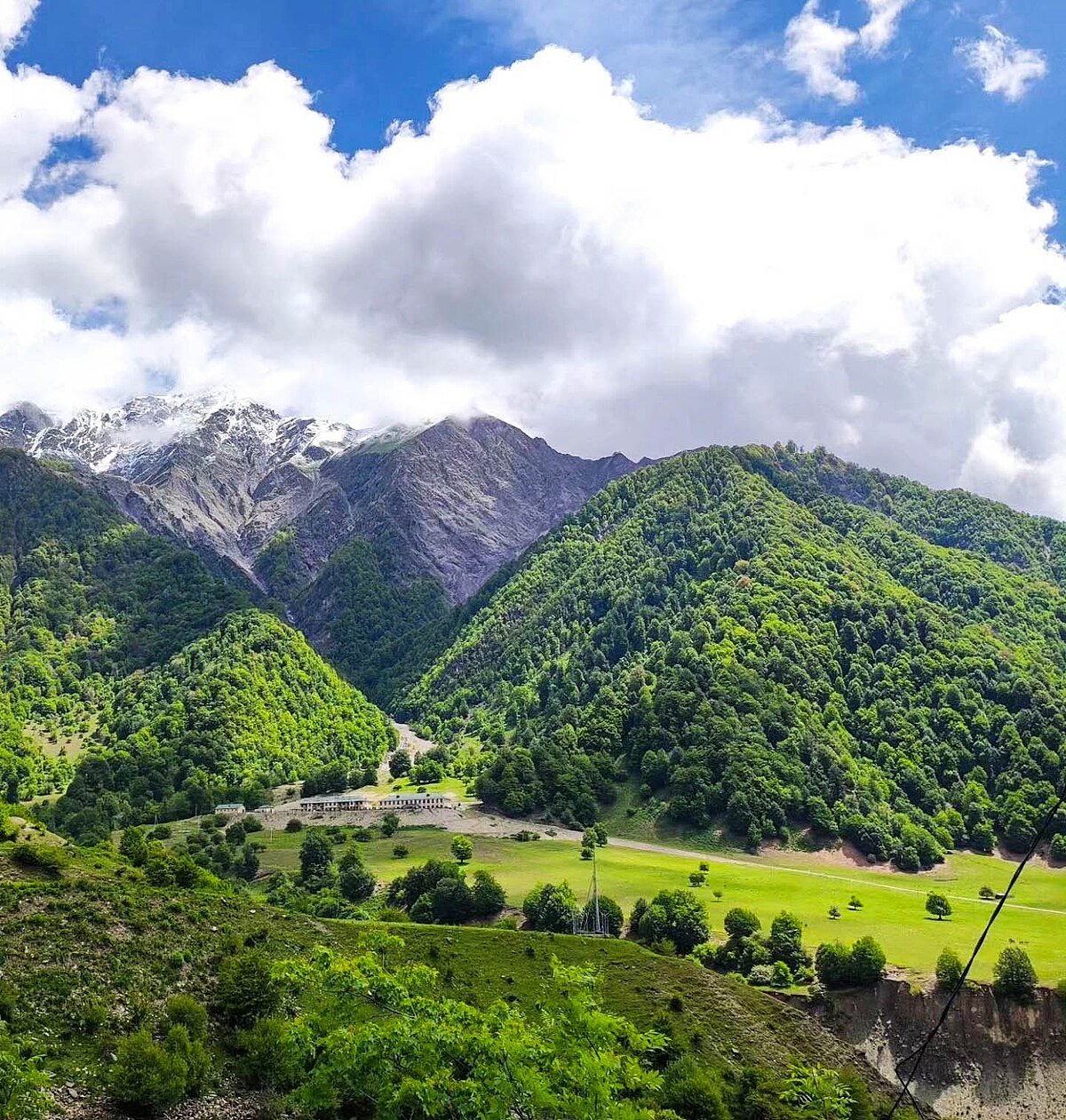
Castrelo do Val has no postcard monument, and that is precisely the point. The itinerary is a short list: wander up through the parish of San Vicente do Val, trace a loop between stone houses whose slate roofs grow orange lichen, count the wooden balconies still used for drying chestnuts, then follow the PR-G 160 way-mark that slips out past the last garden wall and climbs into broom-scented hillside. Two kilometres feels like four if the gradient catches you unawares; two kilometres in the opposite direction delivers a sudden platform of sky over the Tâmega valley and, on clear days, a glimpse of Portugal’s saw-back hills.
The churches are small, plain and always locked unless you befriend the key-keeper, usually found pruning roses in the adjacent cemetery. Step inside and you’ll find a single baroque retablo whose gold leaf has mellowed to the colour of autumn oak, plus a Romanesque font so worn it looks half-melted. Outside again, the reward is the view: the municipality sits at 650 m, high enough for Atlantic weather to collide with Meseta heat, so clouds sculpt themselves over the ridges like mashed potato on a toddler’s plate.
Boots, Bikes and the Art of Turning Up Empty-Handed
Walking tracks are not groomed, merely tolerated. After rain the clay grips like toffee; in July the same paths turn to biscuit dust. Proper footwear is non-negotiable, yet the pay-off is privacy—an hour on the loop to A Pobra de Trives without meeting another human is normal. Cyclists on gravel bikes can string together hours of stone-walled lanes where the only hazard is free-range chickens and the occasional loose cattle grid. Road cyclists should know that tarmac comes in short, punchy sections: what the map shows as a continuous white line can dissolve into gravel the colour of burnt toast without warning.
If legs demand flatter going, the river beach at As Conchas, twenty minutes down the hill, provides safe swimming in a reservoir backed by oak forest. The water reaches 22 °C by early August—think Lake District with better sunshine odds. No café, no rescue service, just a picnic table and a sign asking you to take your crisps packet home.
Where to Sleep, What to Eat, How to Pay
Accommodation is limited to three rural houses and the admired Casa do Americano, a stone longhouse restored by a returned Galician emigrant who once worked in a Manchester warehouse. Rooms run €70 a night including breakfast: homemade sponge, coffee that arrives in a cafetière, and eggs collected while you wait. The host speaks fluent English and will phone ahead to reserve a table at the only restaurant that bothers to open mid-week—handy, because mobile data on Vodafone flickers in and out like a lighthouse bulb on low battery.
There is no cash machine in the municipality. Fill your wallet in Verín or A Pobra de Trives before you arrive; the bar in the next village accepts cards, but the contactless reader dies whenever the farmer next door fires up his milking pumps. Order a plate of pulpo a la gallega and you’ll receive octopus that was swimming the night before, dressed only with olive oil, pimentón and the confidence that comes from never having been frozen. Local Mencía reds start at €14 a bottle in the shop: light enough for lunchtime, serious enough to make you miss the last bend on the walk back.
The Quiet Months, the Busy Minutes
May brings hawthorn blossom along every lane and the first swallows reversing under the hórreo eaves. September is warmer than you expect—T-shirt weather at midday, fleece weather by dusk—but the bracken turns copper and the vineyards on the lower slopes glow like embers. These are the months when Castrelo do Val feels deliberate rather than deserted. August, by contrast, can hit 36 °C; even the dogs postpone arguments until evening. Some guesthouses close for family holidays, and the bar may shut early if the owner’s daughter has a handball match in Ourense. Plan accordingly: buy bread and tomatoes before Sunday, carry two litres of water if you intend to walk, and never assume someone else will be around to ask directions.
When to Stop, When to Move On
Stay two nights and you fall into the rhythm: wake to the clatter of hooves as a shepherd moves his flock to higher grass, buy fresh milk from the machine outside the dairy (30 cents a litre, bring your own bottle), watch the sun drop behind San Mamede and wonder why anyone still commutes on the Northern line. Stay three and you may start obsessing about abandoned hamlets for sale—stone ruins with chestnut beams and no legal access track, yours for €28,000 plus twenty years of patience.
Leave before you start pricing second-hand tractors. Castrelo do Val works best as a pause between louder destinations: drive here after the crowds at Allariz, decompress before the wine warehouses of the Sil canyon, or break the dash back to Vigo airport with a night of absolute silence. The village will not entertain you; it will simply carry on, and for twenty-four hours that feels like the rarest treat of all.