Full Article
about Cualedro
Hide article Read full article
A las doce, cuando el sol cae casi vertical sobre los prados, el aire en Cualedro huele a hierba seca mezclada con tierra húmeda. Los caminos entre las pequeñas parcelas levantan una nube ligera de polvo al paso de un coche, y en sus bordes, los viejos castaños proyectan una sombra densa, casi negra, en verano.
El municipio se entiende así, sin prisa, fijándose en los detalles que se pierden desde la ventanilla. El paisaje mantiene un ritmo pausado: las fincas cultivadas se suceden, separadas por muros bajos de piedra. Las aldeas son pequeños núcleos en torno a una iglesia o una plaza minúscula. No hay grandes monumentos ni calles largas llenas de gente. Lo que define el lugar es un territorio vivido, marcado por la rutina y por el paso de las estaciones.
Un municipio disperso en aldeas
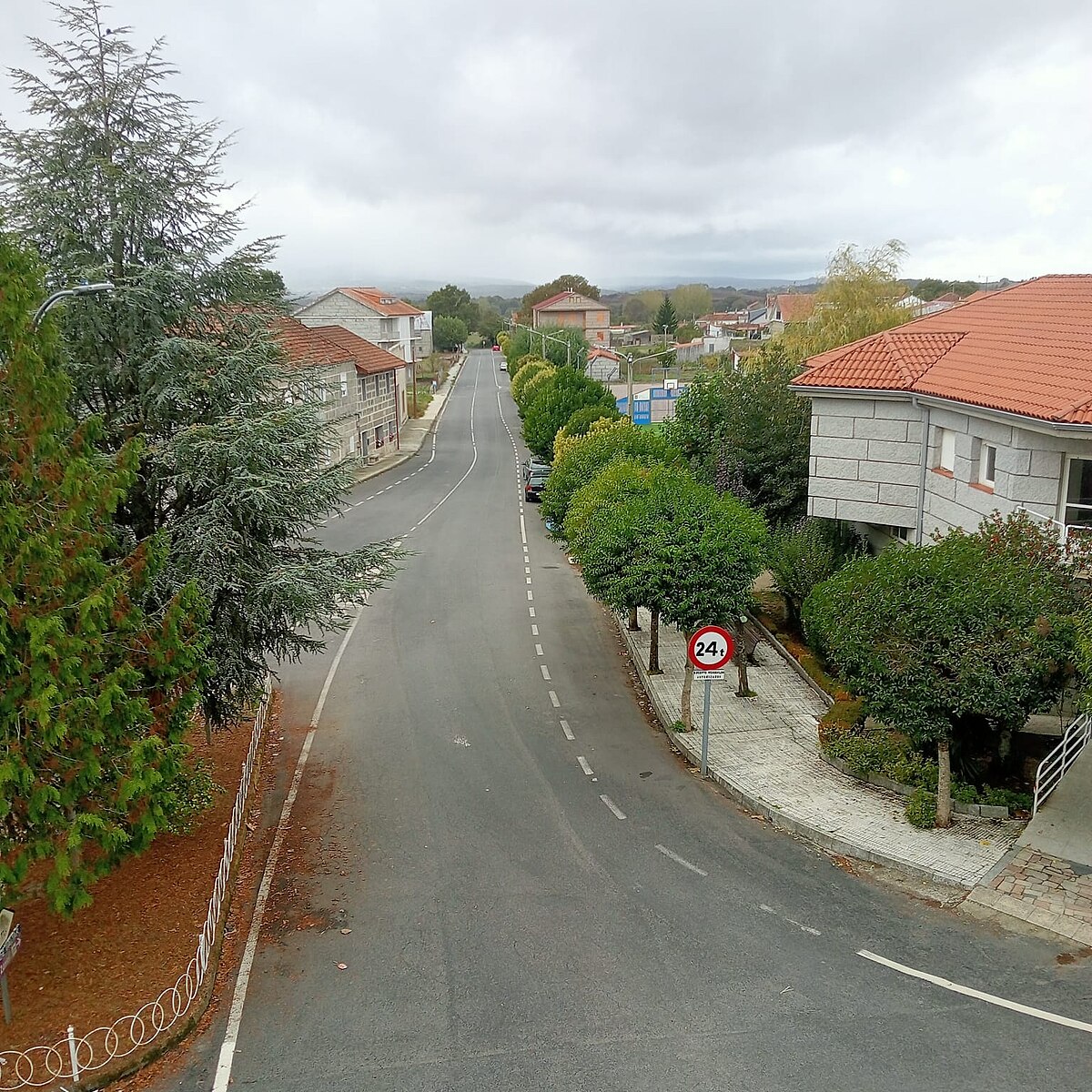
El núcleo principal de Cualedro es pequeño y tranquilo. Las calles son cortas, flanqueadas por casas de piedra cuyos dinteles a veces conservan inscripciones antiguas. Muchas fachadas rematan con tejados de pizarra a dos aguas, inclinados para evacuar la lluvia del invierno.
La administración municipal se reparte entre varias parroquias y decenas de aldeas diseminadas. A algunas se llega por carreteras estrechas que serpentean entre prados; otras aparecen de repente tras una curva, con apenas un puñado de casas agrupadas en una fuente o un cruceiro. Estos elementos, junto con los lavaderos públicos, los atrios de las iglesias y los hórreos, hablan de una vida organizada en torno al campo y al agua.
A ciertas horas del día, los únicos sonidos son un tractor a lo lejos o un perro que ladra tras una cancela.
Paisaje abierto: caminos, prados y castaños
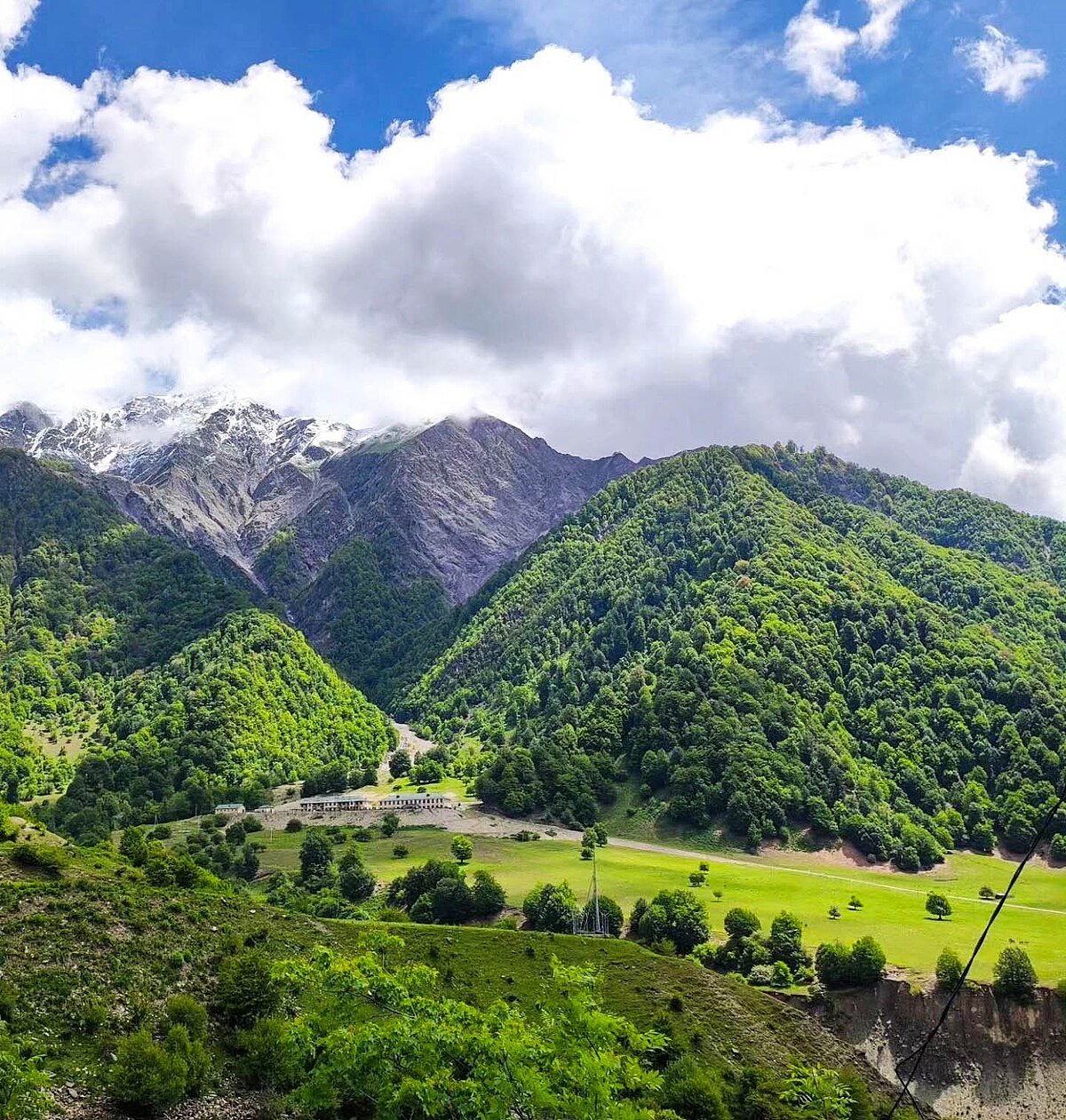
La tierra aquí es ondulada y despejada. Los prados se suceden con suavidad, salpicados de robles y castaños que en otoño cubren el suelo de erizos secos y abiertos. Las vías que unen las aldeas suelen ser carreterillas locales o pistas rurales por las que se circula despacio. A veces apenas hay espacio para un vehículo, y los arcenes están cubiertos de vegetación.
Cerca del río Támega, que cruza parte del término, el terreno cambia ligeramente. Aparecen choperas, huertas y zonas más húmedas donde el aire se nota más fresco incluso en verano. Caminar por uno de esos senderos al anochecer mezcla el rumor del agua entre las plantas con el zumbido constante de los insectos.
No hay una señalización clara para rutas largas a pie. Lo habitual es caminar sin un itinerario fijo, enlazando aldeas cercanas o siguiendo pistas agrarias que se abren entre los campos. No se trata tanto de alcanzar un mirador concreto como de moverse por el paisaje a su ritmo.
Cerca de Verín y la frontera portuguesa
A pocos kilómetros está Verín, que funciona como el centro principal de la comarca. Allí se concentran los mercados, los servicios y un ambiente notablemente más vivo, en contraste con la quietud de las aldeas de alrededor. Desde Verín también se llega fácilmente a la frontera portuguesa. Cruzar a Chaves lleva apenas unos minutos en coche.
Esa proximidad se nota en lo cotidiano: los acentos se mezclan, los productos van y vienen, y hay una sensación compartida de territorio a ambos lados de la raya. La frontera aquí es menos una barrera que un detalle geográfico.
Arquitectura del día a día: iglesias, cruceiros y muros de piedra
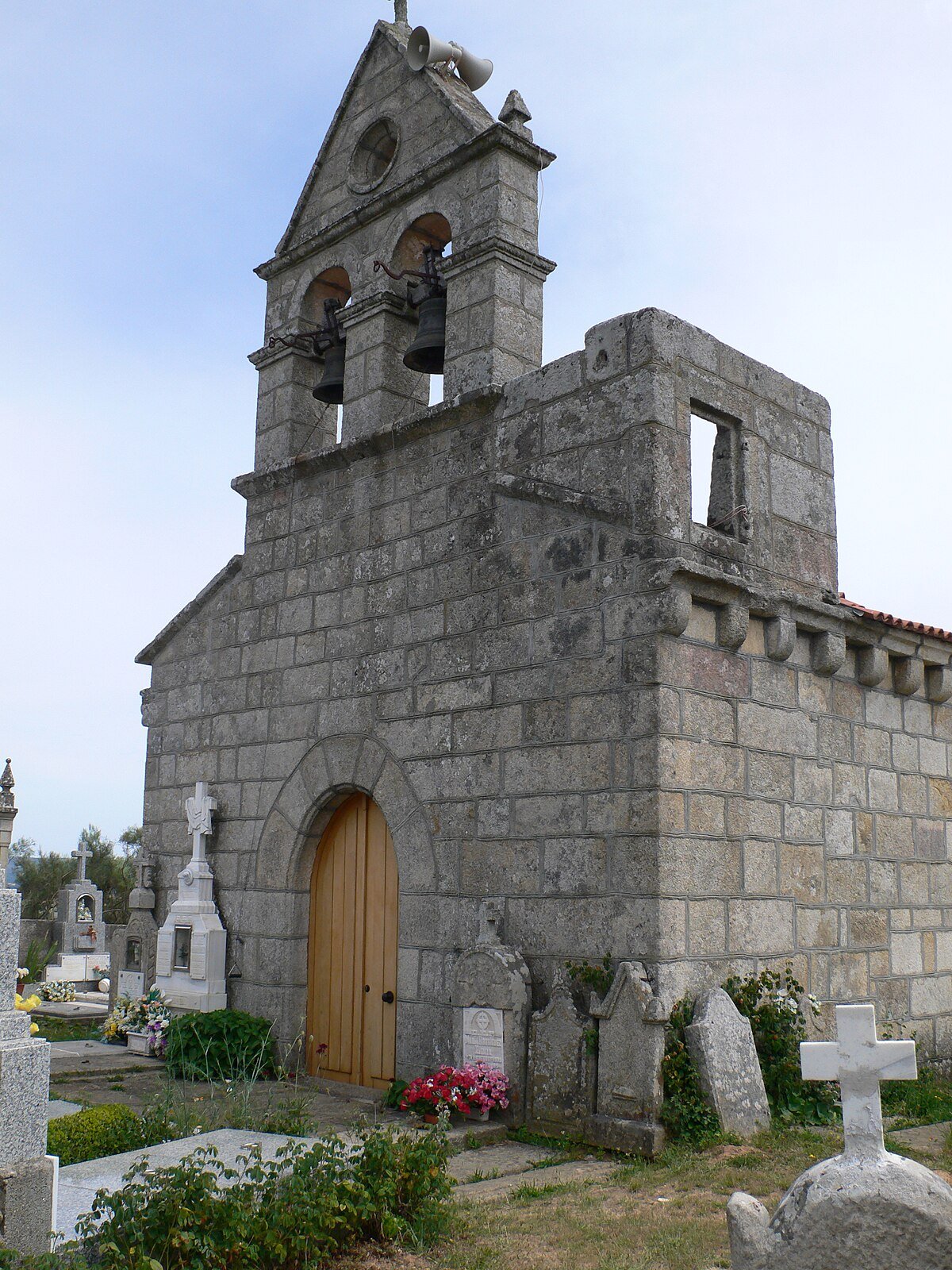
En muchas parroquias del municipio, la iglesia sigue siendo el edificio que ordena el espacio a su alrededor. Suelen estar rodeadas por atrios pequeños empedrados, a veces bajo la sombra de un par de árboles. Cerca es frecuente encontrar un cruceiro marcando una encrucijada o el inicio de un camino.
Las casas tradicionales tienen muros gruesos de granito o mampostería y ventanas pequeñas. No es solo una cuestión estética: esos muros ayudan a mantener el interior fresco durante el calor del verano y más protegido del frío invernal. Algunas viviendas se han reformado con materiales modernos, pero aún se ven grandes portones de madera y corrales cerrados donde antes se guardaban herramientas o leña.
La arquitectura es práctica y está arraigada en el clima. Los tejados de pizarra, la mampostería sólida y las plantas compactas responden a las exigencias de la lluvia, el calor y el trabajo agrario. Incluso cuando se modifican, los edificios suelen conservar esa sensación de función primero, decoración después.
Cuándo caminar por aquí
La primavera suele ser uno de los momentos más agradables para recorrer la zona a pie. Los prados reverdecen y las temperaturas permiten caminatas largas sin un calor excesivo. En otoño, los castaños cambian de color y el suelo se llena de hojas y erizos abiertos.
El calor estival puede apretar a partir del mediodía. Conviene salir temprano o esperar a última hora de la tarde, cuando la luz se suaviza y el campo se aquieta. Las sombras se alargan sobre los muros de piedra y el aire empieza a refrescar cerca del río y entre los árboles.
En invierno, tras varios días seguidos de lluvia, algunas pistas rurales se encharcan con facilidad. En esas condiciones es mejor ceñirse a las carreterillas locales y moverse entre aldeas en coche.
Algunas notas prácticas
En el mapa todo parece cerca, pero aquí las distancias se miden de otra manera. Entre una aldea y la siguiente pueden pasar varios minutos por carreteras estrechas y con curvas. Un enfoque sensato es elegir una zona, aparcar el coche y caminar un rato por los alrededores.
Es aconsejable llevar calzado cómodo y algo de agua. No todas las aldeas tienen tiendas abiertas y, dependiendo del día, puede haber poca gente en la calle.
Cualedro no es un lugar de grandes atracciones turísticas. Se muestra con más claridad observando cómo cae la luz del atardecer sobre los muros de piedra, escuchando el viento entre los castaños o siguiendo un camino que desaparece entre prados.