Full Article
about Laza
Hide article Read full article
A place you ease into
Some places come with a checklist. Laza does not. Travelling here feels closer to visiting a friend who lives somewhere calm: you walk a bit, look around, sit for a while, and gradually understand the place through how it’s lived rather than what a guidebook points out.
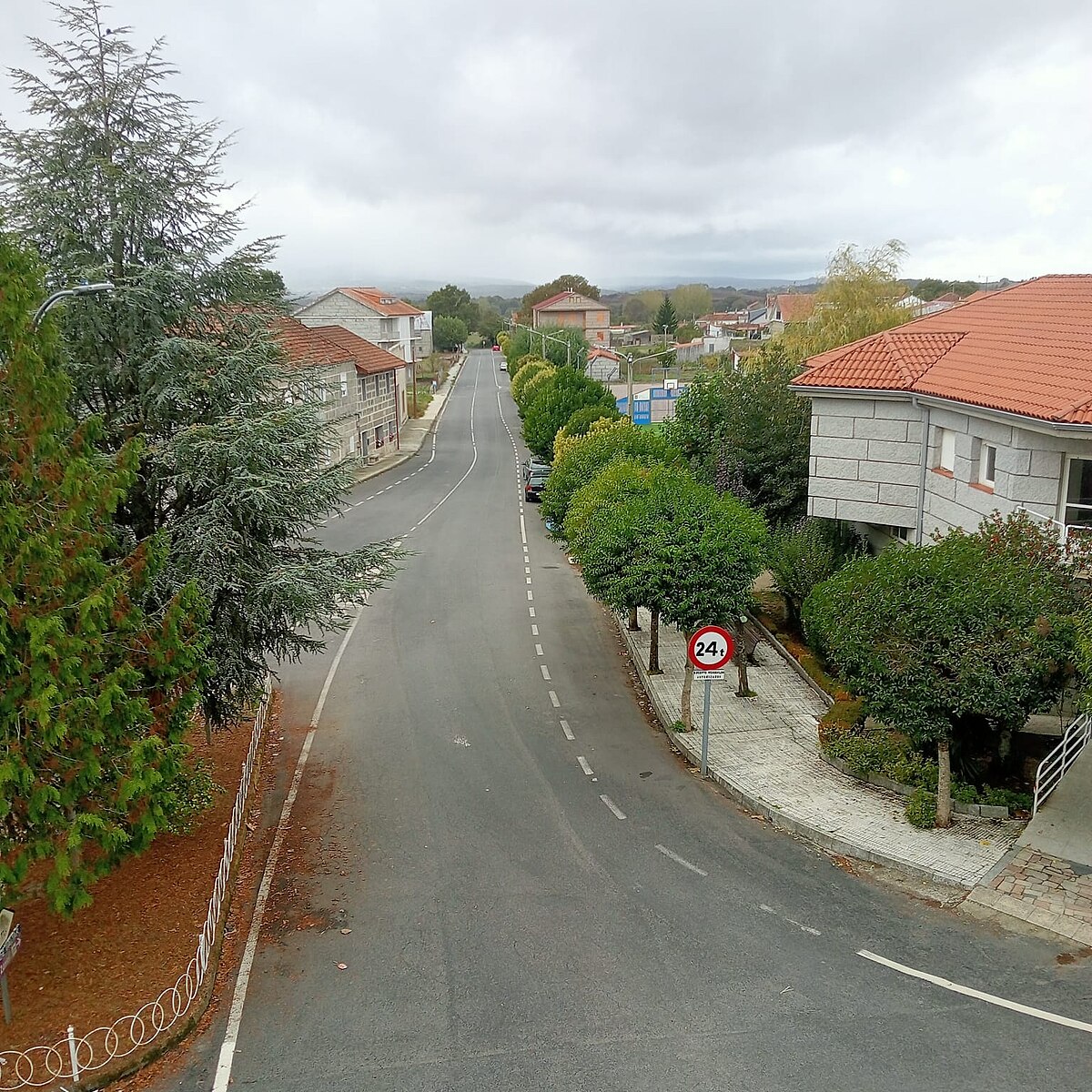
Laza sits in the comarca of Verín, in inland Ourense, and it does not rely on grand monuments or headline museums. What defines it is something else entirely: narrow streets, stone houses altered over time, and a village rhythm that remains closely tied to the land.
The small centre of Laza
In the main nucleus, the church of San Xoán de Laza works as a reference point. It is not monumental, though it helps you get your bearings in an urban area that can be covered quickly.
Around the square and nearby streets, small details say a lot about the past. Stone doorways, the occasional house with a carved coat of arms, and façades where recent repairs sit alongside much older walls. It is the kind of place where a new window appears next to a doorway that may have been there for decades.
Rather than a historic quarter arranged for display, it feels like a place where things have simply remained as they were useful to the people who lived here.
Step outside and the landscape takes over
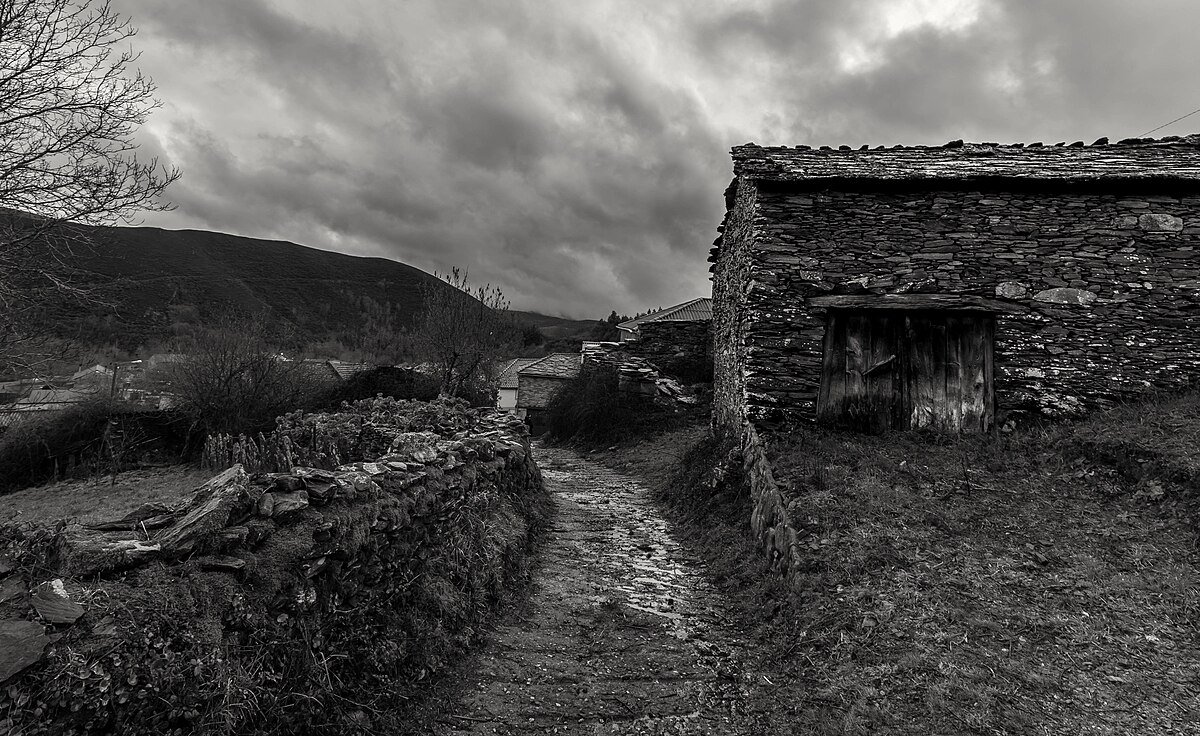
Move a little beyond the centre and Laza changes quickly. Streets give way to rural tracks that link small villages within the municipality and areas of pasture. You start to see hórreos, traditional raised granaries typical of Galicia, some restored and others more worn, along with old fountains that have been in place for a long time.
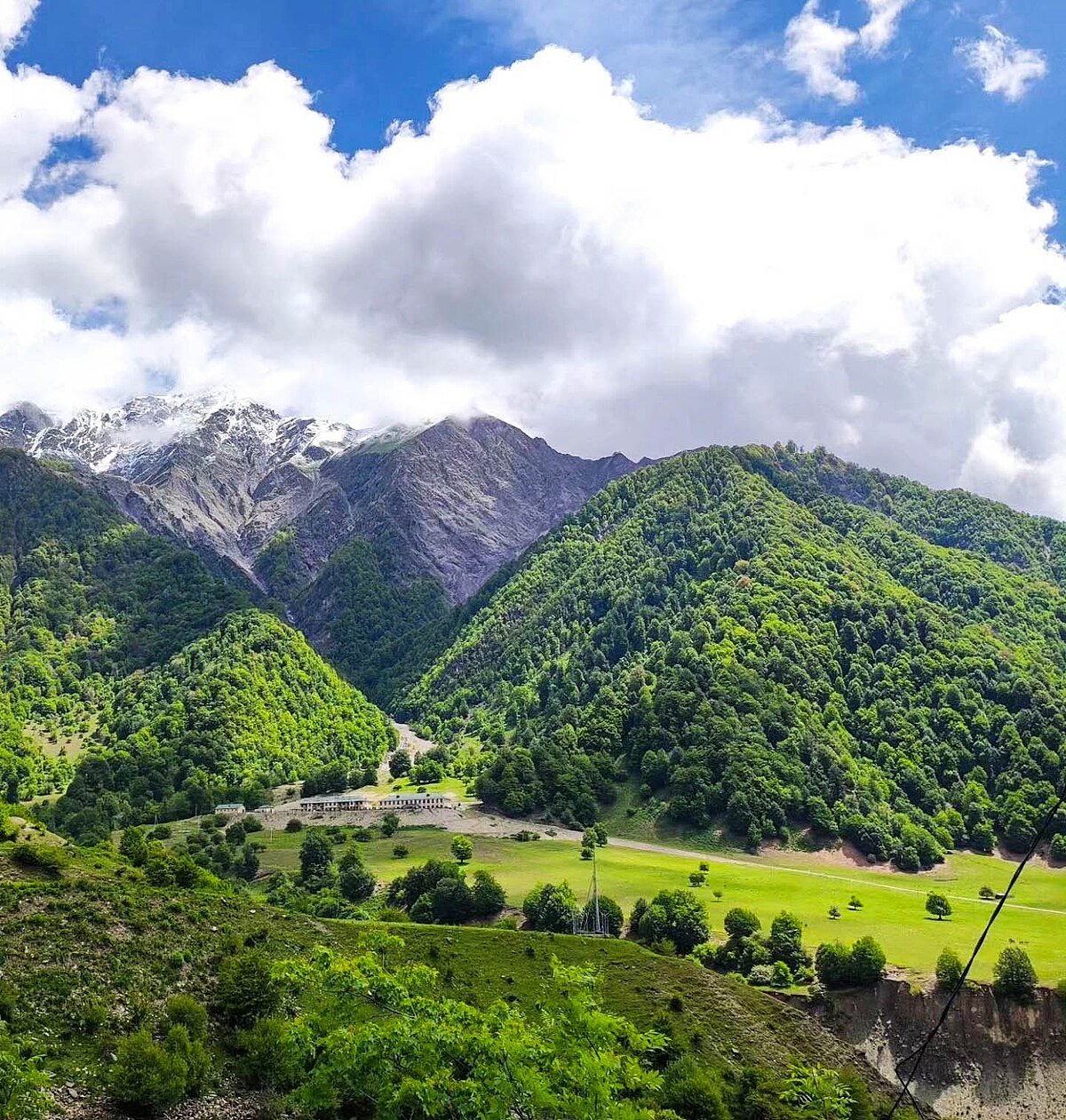
The surrounding hills close in: oaks, chestnuts and carballos, a local term for oak trees, which shift the colour of the valley in autumn. This is not a landscape arranged for constant photographs. It is a setting where you are more likely to pass someone heading to their vegetable plot or a tractor loaded with firewood.
If walking appeals, following one of these tracks is enough. Some are marked, others are simply the routes used by locals. Slopes appear quickly, as this is inland Ourense and the terrain rarely stays flat for long.
A place closely tied to the land
The agricultural calendar still shapes daily life here. Depending on the time of year, you might see vegetable gardens in full swing, stacks of firewood beside houses, or people working small plots of land.
That connection carries through to the food. The dishes are hearty and filling, the sort that keep you going for hours. Broths, cured meats, and bread with a firm crust are common, a style of cooking designed for everyday sustenance rather than show.
Entroido in Laza
There is one moment when the village changes completely: Entroido, the Galician carnival. Galicia has several well-known carnival celebrations, and Laza’s is often described as one of the most intense.
The peliqueiros move through the streets wearing their distinctive masks and cowbells, holding a clearly defined role within the celebration. This is not a carnival of improvised costumes. There are rules, established characters and a tradition that runs deep.
One of the most talked-about events is the farrapada, when muddy rags are thrown among the crowd and any idea of staying clean quickly disappears. If you arrive during those days, it is best to assume your clothes will not come out unscathed.
How long do you need in Laza?
The centre can be seen quickly. In about an hour you can walk the main streets, see the church and glance down some of the tracks that lead towards the valley.
With more time, it is worth moving out into the smaller villages within the municipality or exploring the paths that head into the hills. Often, the most interesting moments come from following a track without much planning.
A few things to bear in mind
The streets in the centre are narrow, so driving right into them is not always the best idea if you are unsure where to leave the car.
It also helps to arrive with realistic expectations. Laza is not about major attractions or fast-paced sightseeing filled with highlights. It works better when you give yourself time to walk, pause and look around.
And if your visit coincides with a large festival, the atmosphere shifts noticeably. There are more people, more noise, and a different kind of energy. It has its appeal, though it is far removed from the quieter Laza found during the rest of the year.