Oímbra - Flickr
Buenaventura Carmona Hernández · Flickr 5
Galicia · Magical

Oímbra

The road to Oimbra leaves Verín behind and drops into a valley where the vineyards of Monterrei sprawl across gentle hills. This isn't the Galicia ...

1,689 inhabitants · INE 2025
m Altitude

Why Visit

Best Time to Visit

summer

Ash Wednesday Marzo y Septiembre

Festivals
& & Traditions

Fecha Marzo y Septiembre

Miércoles de Ceniza, Fiesta de los Milagros y de los Remedios

Las fiestas locales son el momento perfecto para vivir la autenticidad de Oímbra.

Full Article
about Oímbra

Ocultar artículo Leer artículo completo

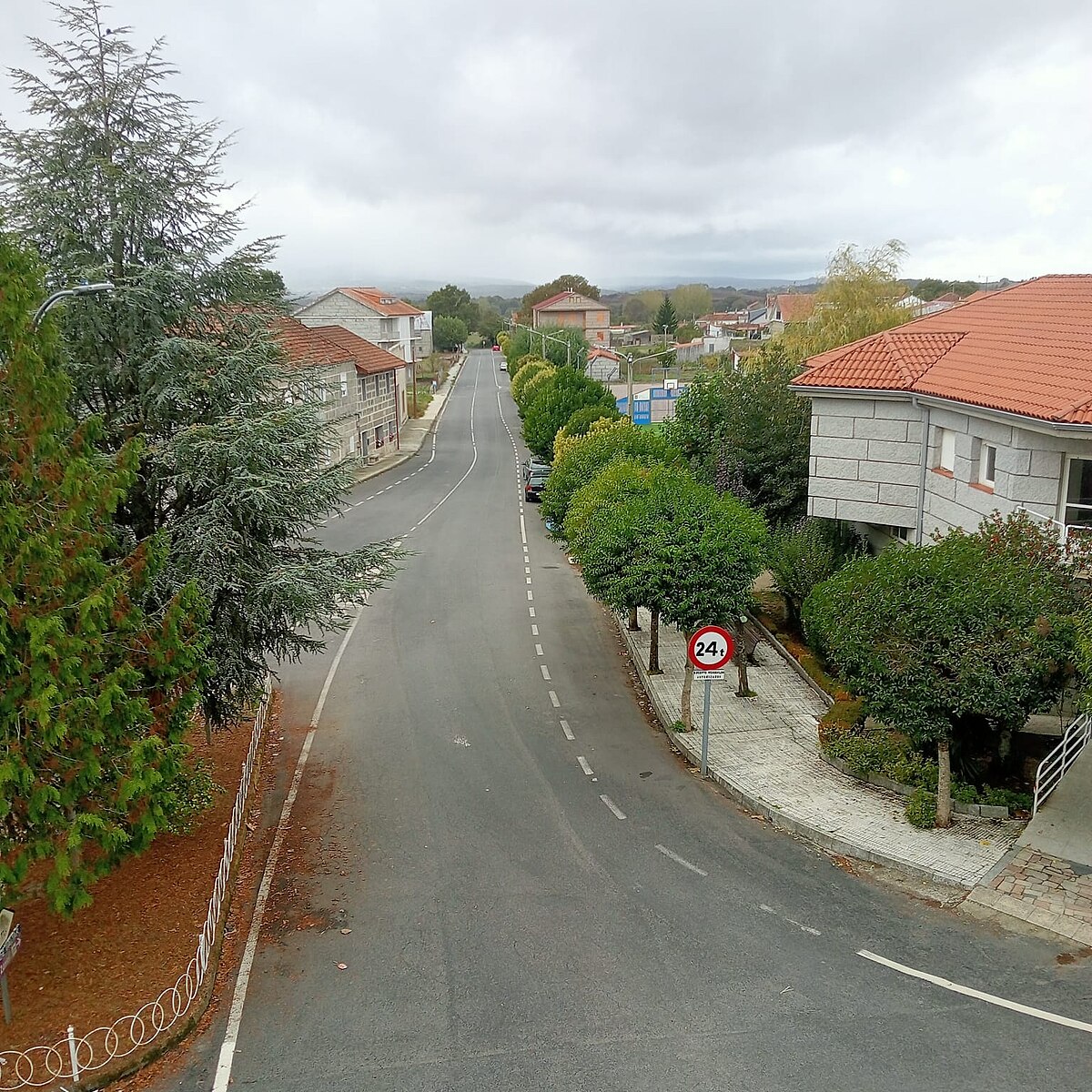
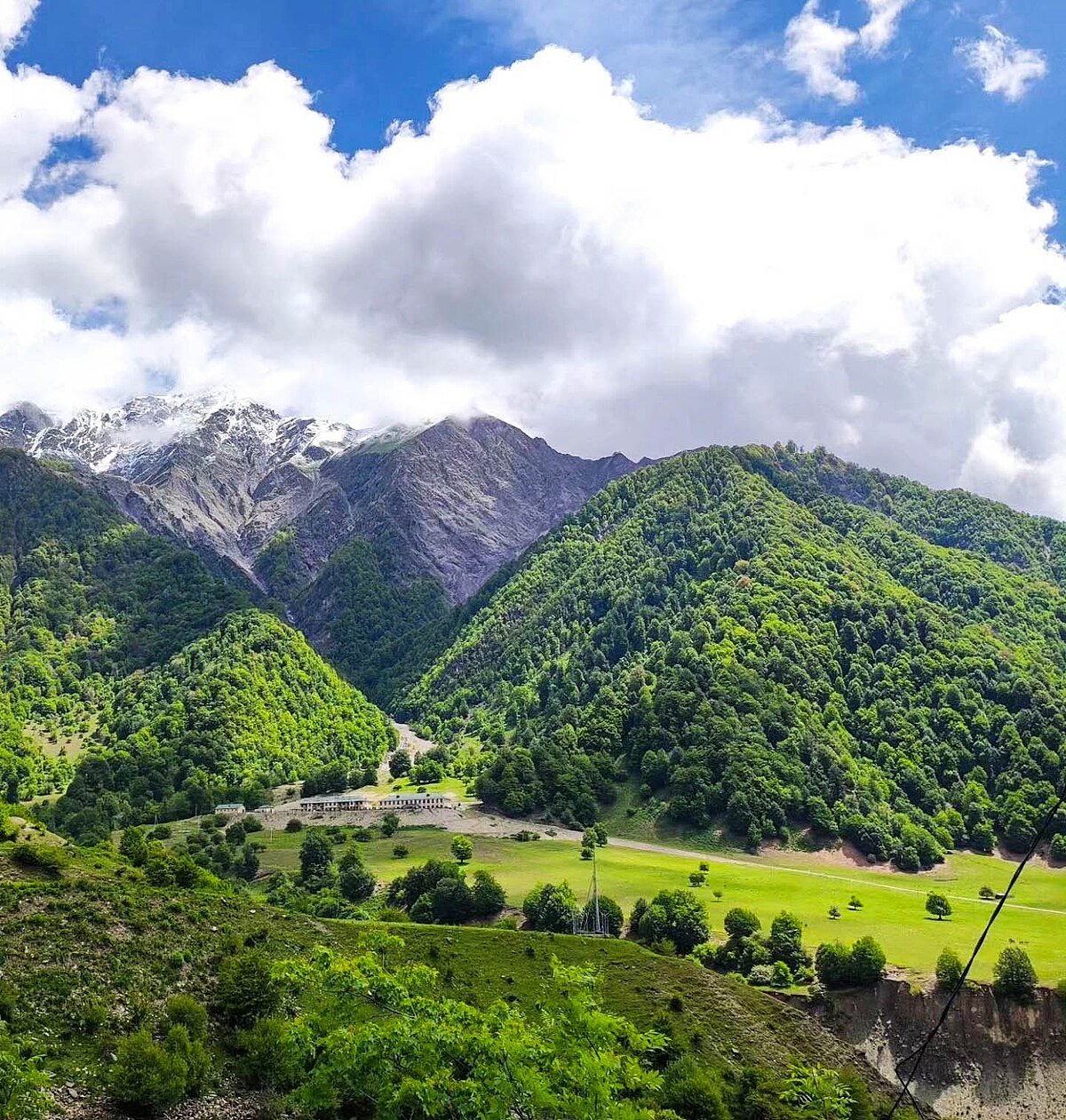
The road to Oimbra leaves Verín behind and drops into a valley where the vineyards of Monterrei sprawl across gentle hills. This isn't the Galicia of fjord-like rías or Atlantic storms. Here, twenty kilometres from Portugal, the landscape folds into something softer: stone houses scattered among smallholdings, tracks disappearing between vineyard rows, and villages that appear around bends rather than on maps.

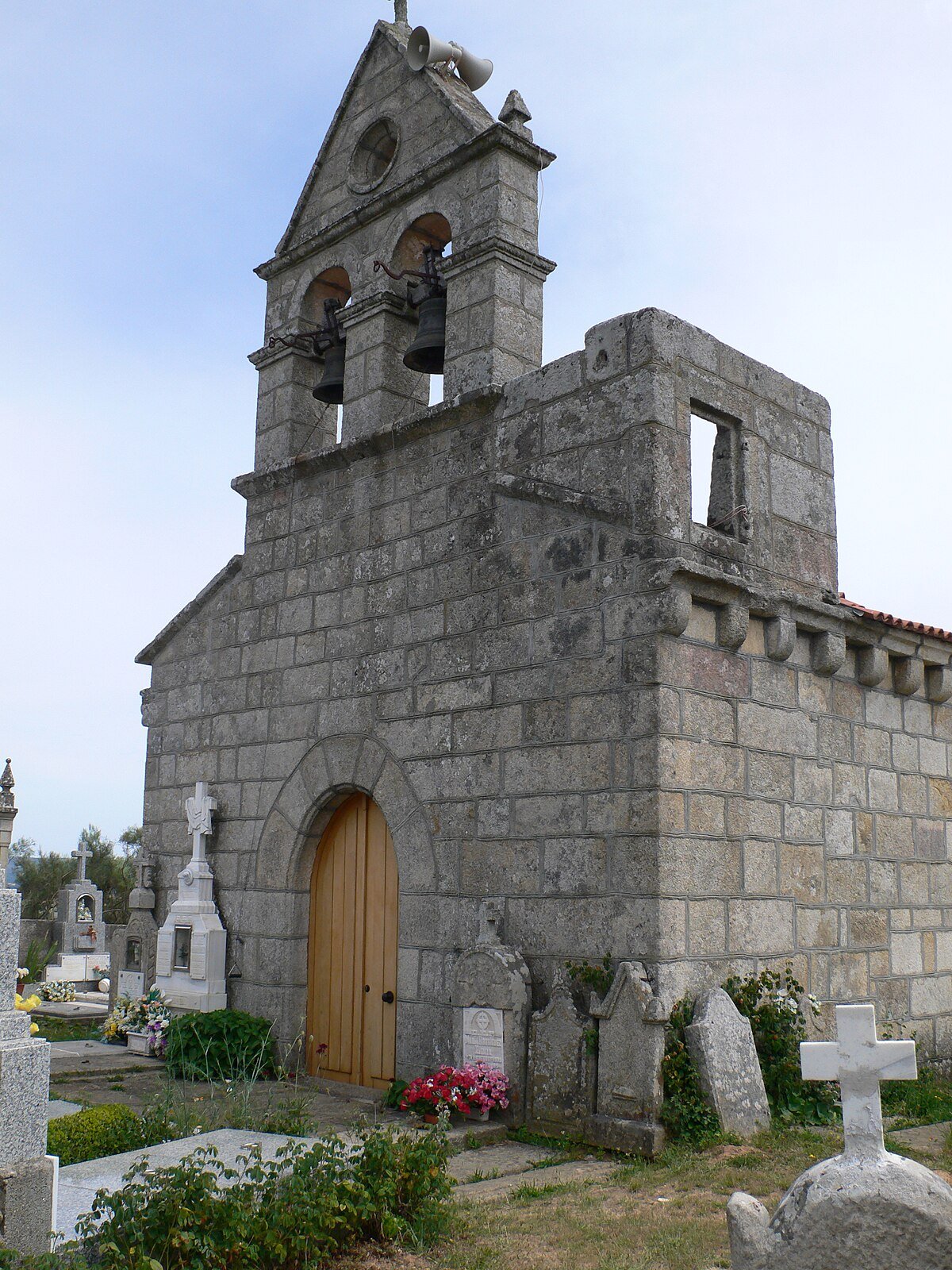
Oimbra functions as a collection of hamlets rather than a single centre. Santa María de Oimbra serves as the administrative heart, though calling it a town would be generous. The parish church stands solid and unadorned, its stone weathered by centuries of valley weather. Nearby, a cruceiro marks what passes for a crossroads – these stone crosses punctuate the municipality, appearing at junctions and hilltops where they once guided travellers and marked territorial boundaries.

The real monument here is agricultural. Small vineyard plots stripe the hillsides, their boundaries marked by dry stone walls and the occasional chestnut tree. This is DO Monterrei territory, where wine production shapes both economy and landscape. The vineyards work on a human scale: plots small enough to work by hand, family bodegas tucked beside houses, and tracks worn smooth by decades of tractor tyres. During autumn harvest, the valley hums with activity. For the rest of the year, it settles into a rhythm of maintenance and waiting.

Walking reveals more than driving ever could. A network of local tracks connects villages – Vilanova, Ribeiro, Calvos – each spaced roughly a kilometre apart. These aren't manicured footpaths but working routes between properties. Some sections follow tarmac lanes so quiet that hearing a car approaching becomes noteworthy. Others cut across vineyards where the path exists because people keep using it. The gradients stay manageable, though summer heat in the valley can be brutal between noon and four. Early morning or late afternoon walking proves more sensible, especially when the stone walls radiate stored warmth.

The architecture speaks of practicality rather than grandeur. Stone houses cluster together, their outbuildings creating courtyards that shelter from valley winds. Horreos – the raised granaries found across Galicia – appear in various states of repair. Some retain their original function, others have been converted into storage or left to weather into sculptural ruins. New builds mix with structures that clearly predate electricity. It's messy, alive, and entirely lacking the uniform restoration that turns villages into museums.

Food follows the same unpretentious pattern. Local restaurants serve the hearty cuisine of inland Galicia: caldo gallego thick with greens and beans, pork dishes that make use of every cut, and the bread that's closer to Portuguese broa than white baguettes. The proximity to Portugal shows in subtle ways – different spicing, shared cured meat techniques, and a tendency toward generous portions designed for field workers rather than delicate appetites. Wine lists feature local Monterrei whites and reds, though calling ahead to confirm opening times prevents disappointment. Many establishments close their kitchens between lunch and dinner service, and Monday shutdowns remain common.

The border with Portugal lies just fifteen minutes west. Chaves, with its Roman bridge and fortress, makes an obvious day trip. Closer to home, the castle at Monterrei looms over the valley from its strategic hilltop, its walls visible from various vantage points around Oimbra. The thermal spas near Verín offer another diversion, though checking seasonal opening times and booking requirements avoids wasted journeys. Some operate reduced hours outside peak periods, and the more medical-focused establishments maintain stricter protocols than casual visitors might expect.

Summer brings village festivals, each parish celebrating its patron saint with varying degrees of enthusiasm. These aren't tourist events but local affairs where visitors are welcomed rather than catered to. Food stalls serve wine in proper glasses rather than plastic, and dancing continues until neighbours decide it's late enough. The noise carries across the valley – proof that this apparently quiet landscape supports more life than first appearances suggest.

Winter strips things back. Vines stand leafless and geometric, revealing the true shape of the valley's agricultural skeleton. Days shorten dramatically, and fog can blanket the lower ground for days. The landscape becomes more monochrome, though clearer views extend to the surrounding hills. Some tracks turn muddy enough to require proper boots, and the lack of leaf cover makes walks feel more exposed. It's still walkable weather, just requiring more commitment and better waterproofs.

Spring arrives late at this altitude – expect green shoots in the vineyards around April, with wildflowers following weeks rather than days later. Autumn probably shows Oimbra at its best, when harvest activity adds human energy to the landscape and the valley's microclimate creates those crisp mornings that make walking feel like a privilege rather than exercise.

Getting here requires accepting that Oimbra sits beyond the reach of Spain's high-speed rail network. The nearest major station is at Ourense, forty-five minutes away by car. From there, the A-52 motorway cuts through the hills before smaller roads wind down into the Monterrei valley. Public transport exists but demands patience: buses connect with Verín, though services thin out considerably at weekends. Having a car transforms the experience from feasible to enjoyable, particularly for reaching the scattered hamlets and vineyard viewpoints.

Accommodation options remain limited. The area specialises in rural tourism houses rather than hotels – stone properties renovated to sleep six to eight people, often with gardens that back onto vineyards. These work brilliantly for groups or families, less so for solo travellers seeking hotel services. Booking ahead becomes essential during harvest season and local festivals, when Portuguese visitors cross the border for long weekends.

Oimbra rewards visitors who arrive without rigid itineraries. It's a place for wandering between villages, stopping when a track looks interesting, and accepting that the best discoveries happen when you're slightly lost. The lack of must-see attractions becomes liberating rather than limiting. Come with walking boots, time to spare, and an appreciation for how landscapes shape the people who live in them. Leave the checklist mentality at home – here, the valley itself is the point.

Key Facts

Region
Galicia
District
Verín
INE Code
32053
Coast
No
Mountain
No
Season
summer

Livability & Services

Key data for living or remote work

2024
ConnectivityFiber + 5G
HealthcareHospital 10 km away
EducationElementary school
Housing~5€/m² rent · Affordable
CoastBeach nearby
Sources: INE, CNMC, Ministry of Health, AEMET

Planning Your Visit?

Discover more villages in the Verín.

View full region →

More villages in Verín

Traveler Reviews