Full Article
about Vilardevós
Hide article Read full article
A landscape shaped by height and distance
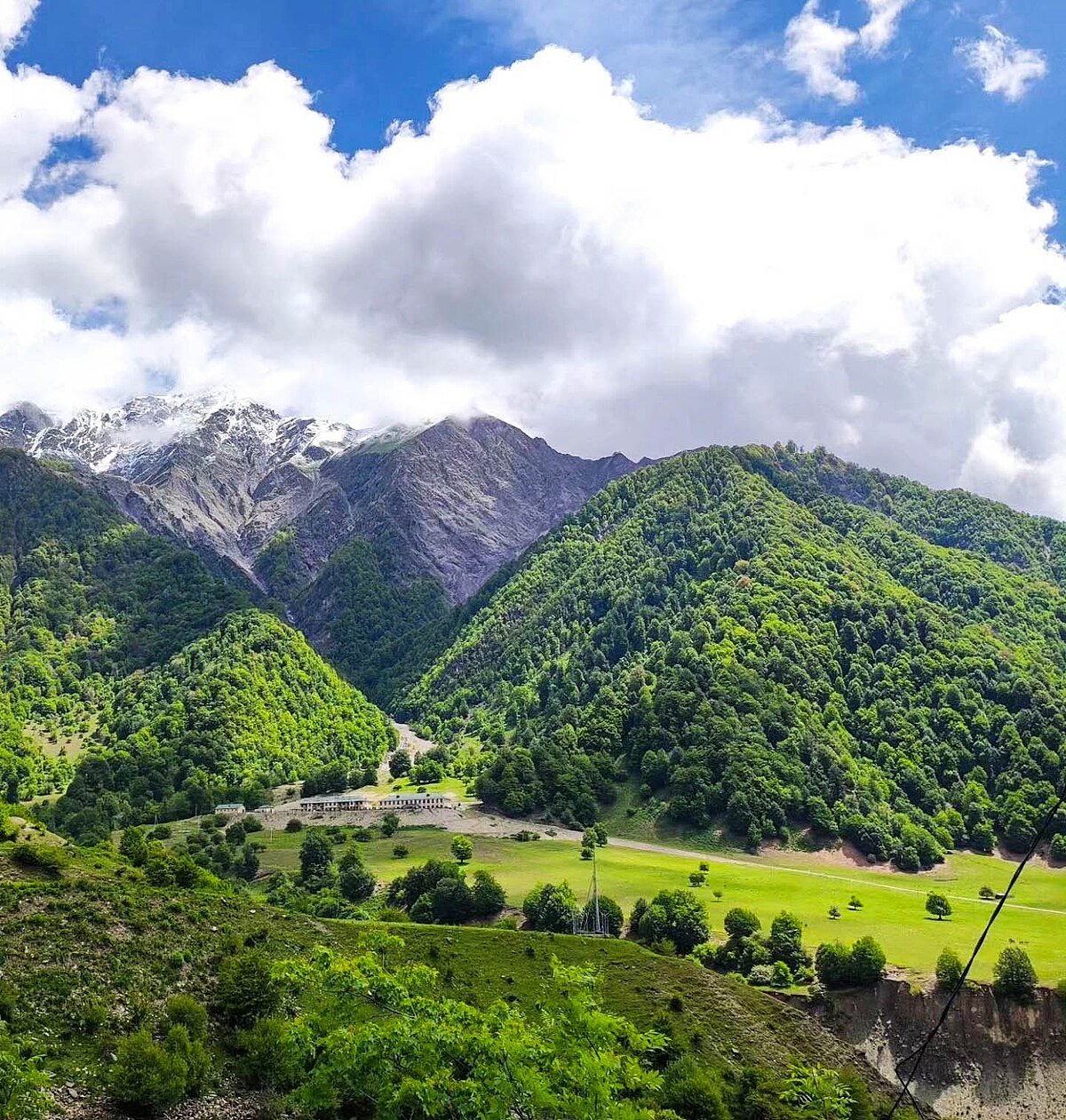
Tourism in Vilardevós begins with its geography. The municipality lies inland in the province of Ourense, at around 750 metres above sea level, on the first slopes of the sierra de Larouco. This elevation and its position away from major urban centres define both the landscape and the pace of life.
The territory is organised into scattered villages set between wooded hills and small fertile plains. Rather than a single compact settlement, Vilardevós is a network of parishes and hamlets, separated by curves in the road and changes in height. Moving through the area means travelling short distances that can take longer than expected.
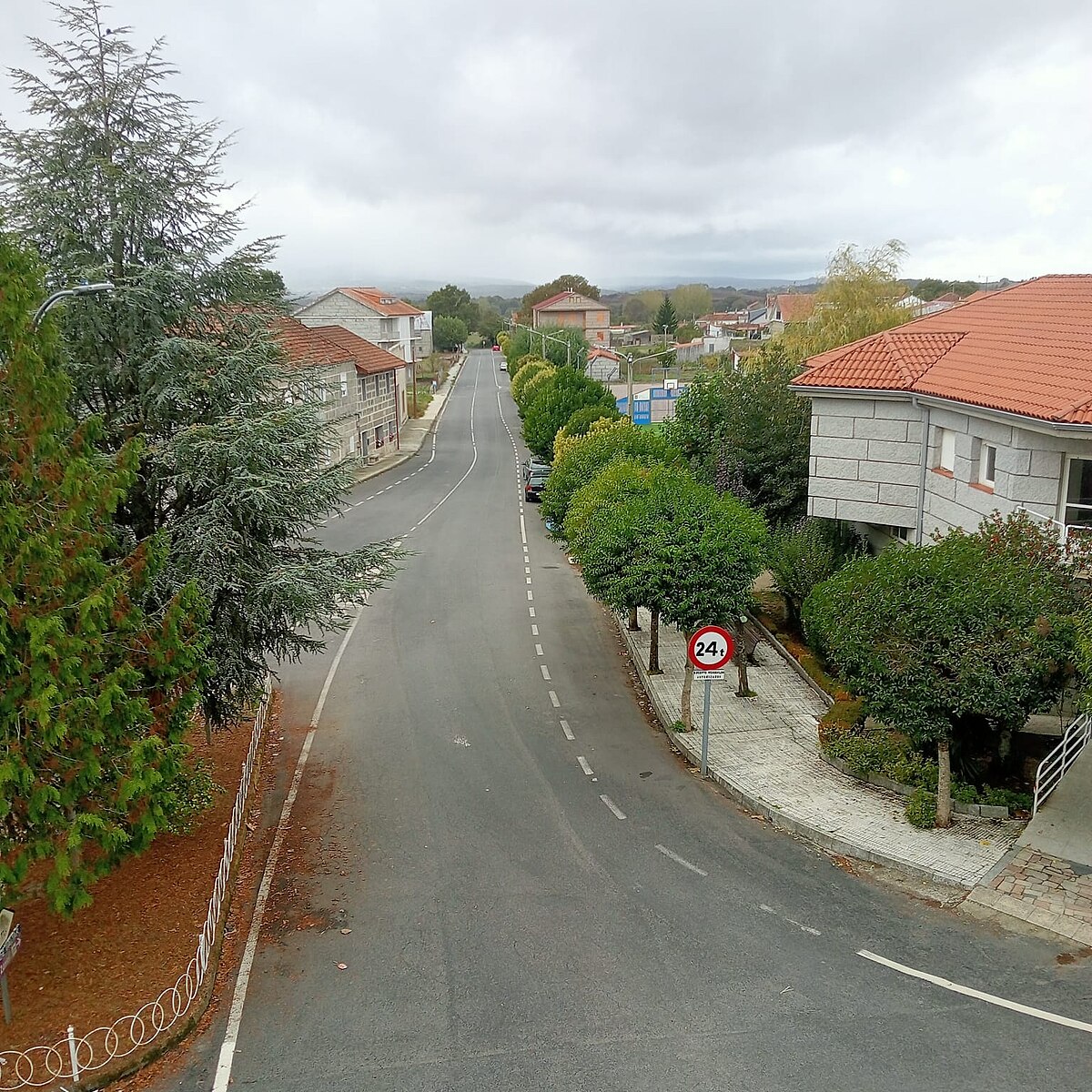
The imprint of an agricultural and livestock-based economy is still clearly visible. Dirt tracks connect properties. Stone walls mark boundaries. Granite houses stand where previous generations built them, often in the same family for decades. The overall impression is not of a place redesigned for visitors, but of a rural setting that continues to function much as it always has.
Architecture that remains part of daily life
The heritage of Vilardevós is not concentrated in a single historic centre. It appears dispersed among parishes and small villages, often alongside the very paths that locals use every day.
In the municipal capital stands the church of San Salvador, usually dated to the 16th century, with later alterations. Its interest lies less in its size than in the group of elements around it. Nearby are traditional hórreos, the raised stone granaries typical of Galicia, along with cruceiros, stone crosses set by roadsides or in small squares. There are also fountains and old communal washhouses linked to nearby streams.
These features do not form a monumental ensemble in the formal sense. They remain integrated into everyday village life. People pass them on the way to fields, homes or neighbouring parishes. Their presence feels practical as much as historical.
Traditional architecture across the municipality follows a clear logic. Granite is used for walls. Roofs are pitched to cope with frequent rain. Agricultural annexes are attached directly to the house, reflecting the close relationship between domestic and working spaces. In villages such as Mourazos, Campobecerros and Pazos, that connection between home, vegetable plot and common land is still easy to see.
There are no grand decorative flourishes. The priority has always been to withstand the climate and make the most of the terrain. This functional approach gives the buildings a coherence that matches the surrounding landscape.
Paths towards the sierra de Larouco
Relief shapes every view. From the inhabited areas, rural tracks climb gradually towards the sierra de Larouco. As height is gained, chestnut woods appear, interspersed with clearings that open onto the Verín valley.
There is no organised network of viewpoints. Instead, panoramas emerge in a more spontaneous way. A bend in the track, a small rise between fields or the edge of a wooded slope can suddenly reveal a wide stretch of valley below. The experience depends on movement through the terrain rather than arrival at a marked platform.
On damp days, which are common in this part of inland Ourense, mist often lingers in the lower ground. When that happens, the granite of walls and houses stands out more sharply against the muted background. Weather conditions are not a minor detail here. They shape how the landscape is perceived from one day to the next.
Walking from village to village
To understand Vilardevós, it helps to move between its villages rather than remain in one place. Many are linked by agricultural tracks or old paths that residents still use to reach fields and wooded areas.
Distances are not great, yet the terrain demands a slower rhythm. Curves and changes in level extend journeys that appear short on a map. That gradual movement allows small details to come into focus.
In autumn, it is common to see people collecting mushrooms. Care is needed, as some areas are communal land while others are private plots. Along these routes, it is also frequent to come across old mills, small fountains or long stretches of very old stone wall marking property boundaries. None of these are signposted attractions. They are part of the everyday fabric of the municipality.
The proximity to Monterrei helps explain another aspect of the landscape. Towards the valley, vineyards begin to appear. Their presence is a reminder that agriculture continues to carry weight in the local economy. The shift from upland woods to cultivated vines happens gradually, following the natural descent of the land.
Traditions on a local scale
Each parish in Vilardevós maintains its own festive calendar. Celebrations are concentrated mainly in summer, when many residents who live elsewhere return to their home villages. The increase in activity during these months alters the atmosphere, bringing together neighbours who may spend much of the year apart.
Entroido, the Galician form of Carnival, also has a presence in the area. Here it retains rural characteristics. These are not large-scale spectacles but festivities closely tied to each community. Their modest scale helps explain why many customs have been preserved in a natural way, without major transformation.
Tradition in Vilardevós is not presented as a show. It unfolds within the same spaces used for daily routines, reinforcing the sense that past and present remain closely connected.
Before setting off
Vilardevós does not function as a compact town with a clearly defined historic centre. It is a broad municipality made up of many separate villages. A visit usually involves linking several of them and pausing for the details that appear at the side of a track or near a small square.
Some rural roads can be uneven, particularly after periods of rain. In certain cases, it makes sense to leave the car in a wider area and continue on foot for a stretch. Although the map may suggest that everything is close together, bends in the road and changes in height lengthen travel times.
Spring and autumn tend to show the landscape at its most active, with green hillsides and mild temperatures. Summer coincides with greater movement in the villages, as returning residents fill houses that may stand quieter at other times of year. In winter, days are short and mist appears frequently, a common feature of inland Ourense. That atmosphere is also part of the character of Vilardevós, where geography and daily life remain closely intertwined.