Full Article
about Viana do Bolo
Hide article Read full article
Morning in the Valley of the Bibey
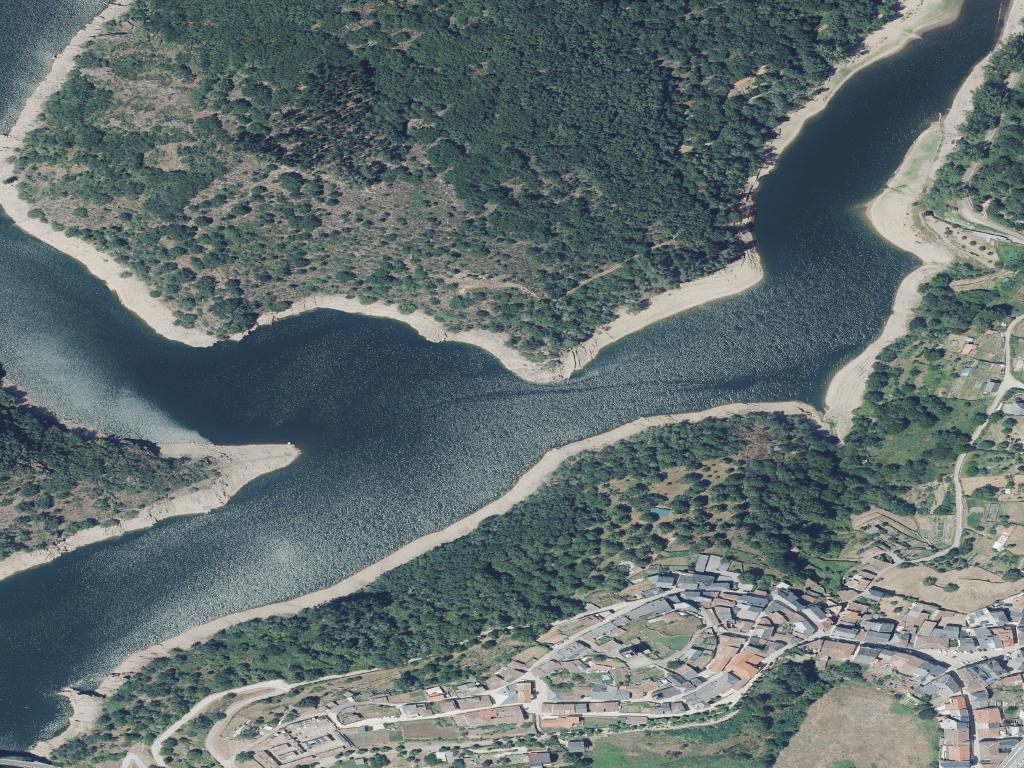
At nine in the morning, the mist is often still clinging to the valley of the Bibey. From the Alto do Fradelo, Viana do Bolo appears as a dark patch of slate roofs among old chestnut trees. In autumn they turn copper; in winter they are almost black. Anyone arriving in search of tourism in Viana do Bolo usually encounters that damp mountain silence first: wood smoke drifting from a chimney somewhere, wet leaves giving way underfoot.
This is inland Galicia, in the province of Ourense, where the landscape sets the pace. The village does not reveal itself all at once. It emerges gradually between trees and low hills, shaped by weather that can shift from clear views to thick fog within hours. The valley feels enclosed, the air heavy with moisture for much of the year.
The Tower Still Watching the Valley
A steady climb up through the streets soon leads to the Plaza Mayor. At its centre stands the Torre del Homenaje, the only surviving part of the old castle that once dominated the hill. Its base dates back to medieval times and it has been rebuilt more than once over the centuries. Today it remains planted firmly in the middle of the square, a clock marking the hours even when the mist swallows the sound.
Inside, a narrow staircase forces a slow ascent. At the top, on a clear day, the whole of the País de Bibey opens out: gentle hills, winding rivers and thin roads fading into pine woods. The view explains why a fortress stood here in the first place.
The interior rooms house a small ethnographic museum. There are traditional farming tools, a loom and several costumes from the Entroido, Galicia’s version of Carnival. It is modest rather than grand, but it helps make sense of daily life in this part of the mountains, where work, seasons and celebrations have long revolved around the land.
Three Weeks of Entroido
When winter arrives, the rhythm of Viana do Bolo changes. The Entroido usually begins in late January or early February and stretches over several weeks. As evening falls, the Boteiros appear. They wear suits covered in bright ribbons and wooden masks that hide their faces. They run, leap and nudge people with inflated animal bladders, striking their sticks against the ground as they move.
The atmosphere builds gradually over the days. Drums and music echo through the streets, and the quiet of the valley gives way to noise that carries long into the night. Anyone staying near the main square should be prepared for evenings that run later than expected.
One of the most talked-about moments comes with the day of the androlla. This smoked sausage is cooked whole and served with grelos, the leafy greens typical of Galicia, and potatoes. During Entroido the village smells of smoke and cured meat. Food and festivity are closely linked here, and the androlla is as much a symbol of the season as the Boteiros themselves.
A Land of Chestnuts
If winter belongs to Entroido, autumn belongs to chestnuts. For generations, the chestnut has formed part of the economic landscape of Viana do Bolo. At that time of year, the verges along the road fill with brown sacks freshly gathered from the groves.
Traditional fairs, usually held twice a month, bring open sacks onto display so the dark shine of newly cleaned chestnuts can be seen. Trade and conversation go hand in hand. People discuss the harvest, the size of the crop and the quality of the nuts.
Rain is frequent in autumn. When showers arrive, people shelter beneath the arcades of the Plaza Mayor. Chestnuts are peeled slowly while talk drifts from one subject to another. The scent from the drying sheds, sweet with a faint hint of smoke, lingers in the cold air. It is a smell that seems to settle into clothes and stone alike.
Chestnut trees are more than a crop here. They frame the roads, surround the village and colour the hillsides. In copper tones in autumn and stark dark branches in winter, they shape the appearance of the valley as much as the slate roofs do.
Walking Towards Cabo da Vila
The oldest part of Viana do Bolo leads up to a small rise known as Cabo da Vila, the original site of the castle. Today only low walls remain, along with stones reused in nearby houses. The past survives in fragments rather than grand structures.
Several façades still display coats of arms worn down by time: a wolf, a set of keys, figures that are hard to decipher without stepping closer. They hint at former owners and older stories, though much is left unsaid.
The streets here are narrow with a gentle incline. Slate roofs sound hollow when rain begins to fall, something that happens fairly often in this part of Ourense. Water changes the tone of the village, deepening colours and amplifying small sounds.
On one street stands a stone arch of unusual shape. Many identify it as Mozarabic in style, linking it loosely to architectural influences from medieval Iberia. In the village, however, it is referred to more plainly as “el arco raro”, the odd arch. The informal name feels in keeping with the place: history acknowledged, but without ceremony.
Before Setting Off
Viana do Bolo is not on a fast through-route. Buses connect it with the city of Ourense, though services are usually limited in frequency. It is worth checking up-to-date timetables before planning a journey.
In winter, fog often becomes trapped between the mountains and the ground can remain muddy for days. Waterproof boots and an unhurried pace make walking through the village and along the paths that lead towards the chestnut groves far more comfortable.
The climate has more influence here than a glance at the map might suggest. Mist can hide the valley in the morning and lift to reveal wide views by afternoon. Rain can alter the sound of roofs and streets within minutes. In Viana do Bolo, weather is not a backdrop. It shapes how the village looks, how it smells and how it feels, from the Torre del Homenaje watching over the País de Bibey to the last chestnuts drying in autumn air.