Full Article
about Fornelos de Montes
Hide article Read full article
A Small Centre, Easy to Walk
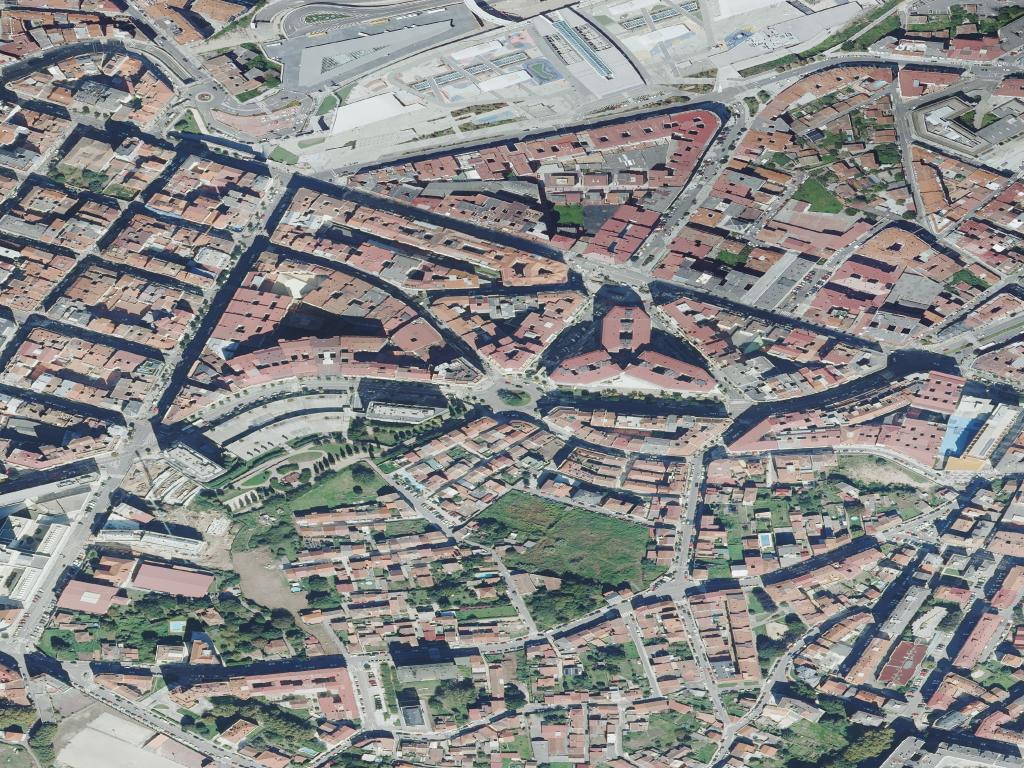
If you stop in Fornelos de Montes, leave the car near the main square or in one of the spaces along the main road. They are usually enough, although around midday they fill up quickly. The centre is compact and can be covered in a short walk, so there is no need to move the car once you have parked. What draws most people here lies beyond the village core.
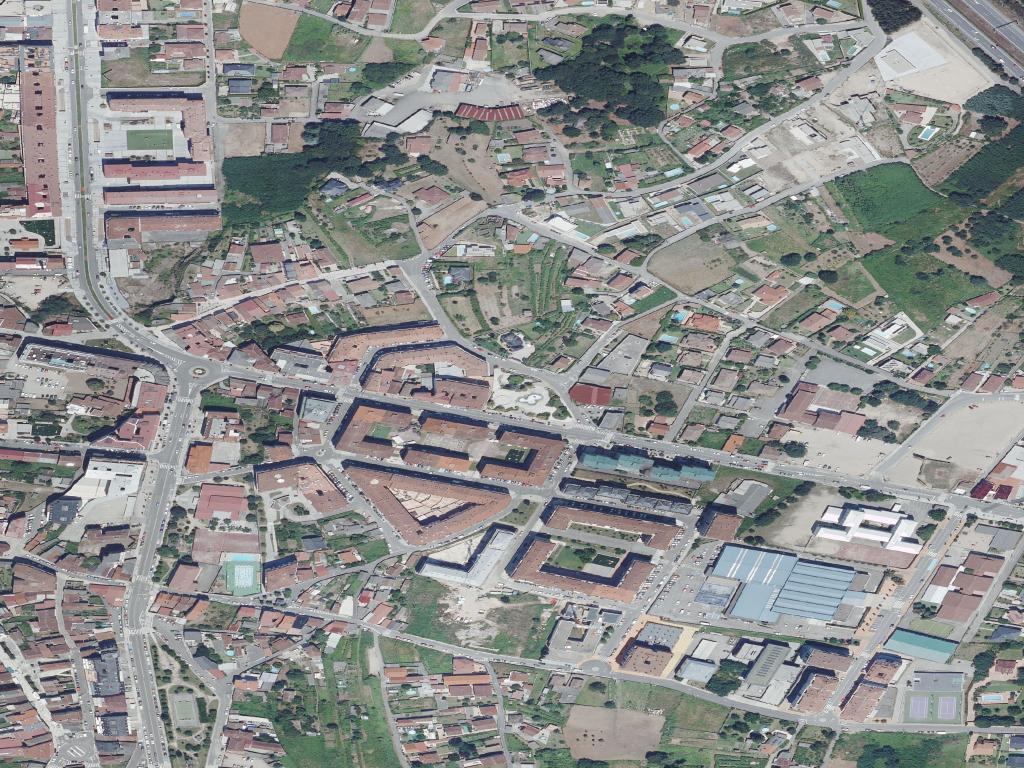
Fornelos de Montes is small and straightforward to explore on foot. The streets are narrow, traffic is light and the houses are spaced out rather than tightly packed. With limited time, a quick circuit gives a clear idea of the nucleus. Most residents move between parishes and nearby plots of land rather than spending time in the centre itself.
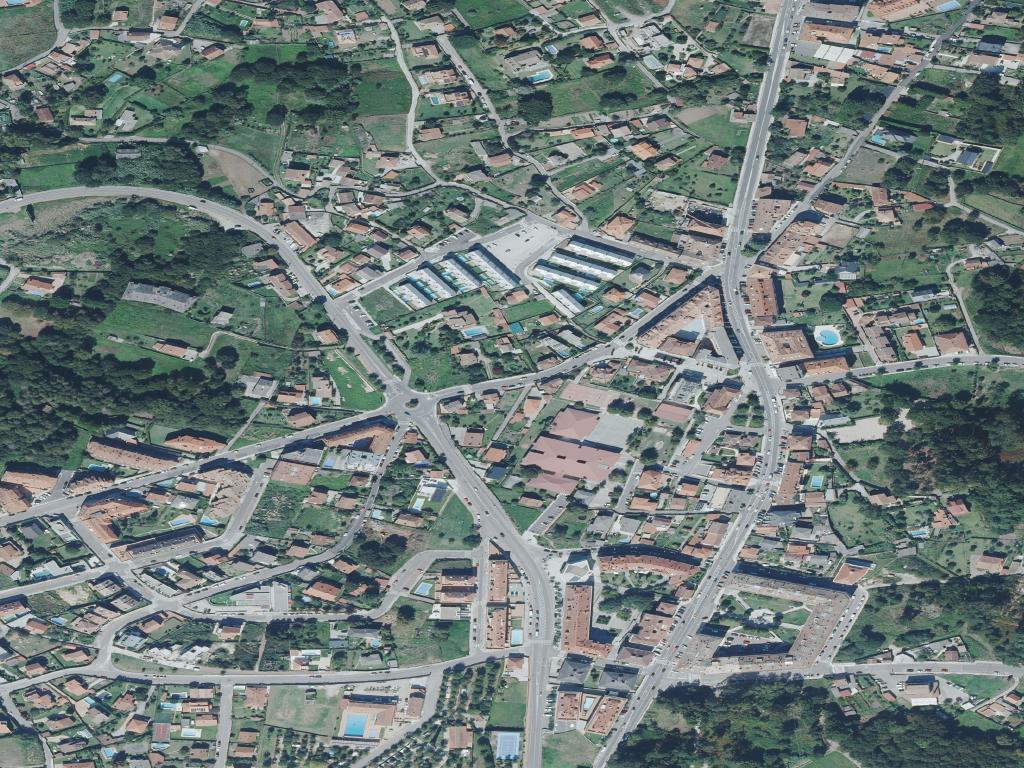
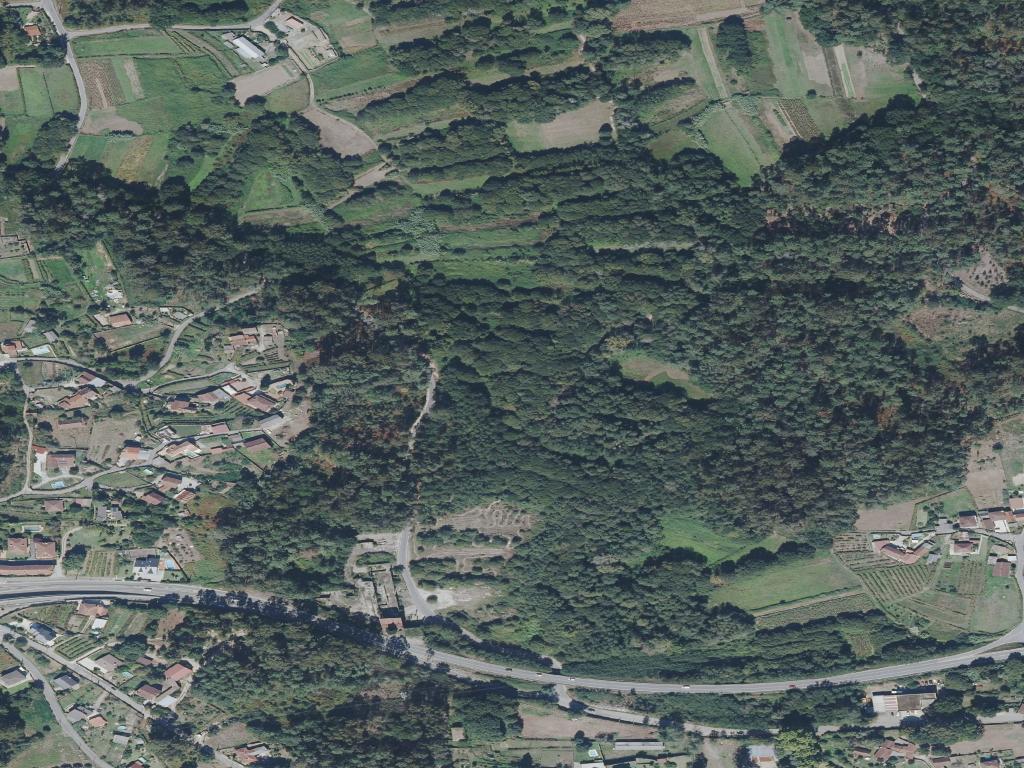
This is not a place organised around a grand square or a landmark building. It is a municipality made up of scattered settlements, with hamlets spread between woodland and agricultural plots. The sense of dispersion is immediate.
Everyday Architecture and Rural Life
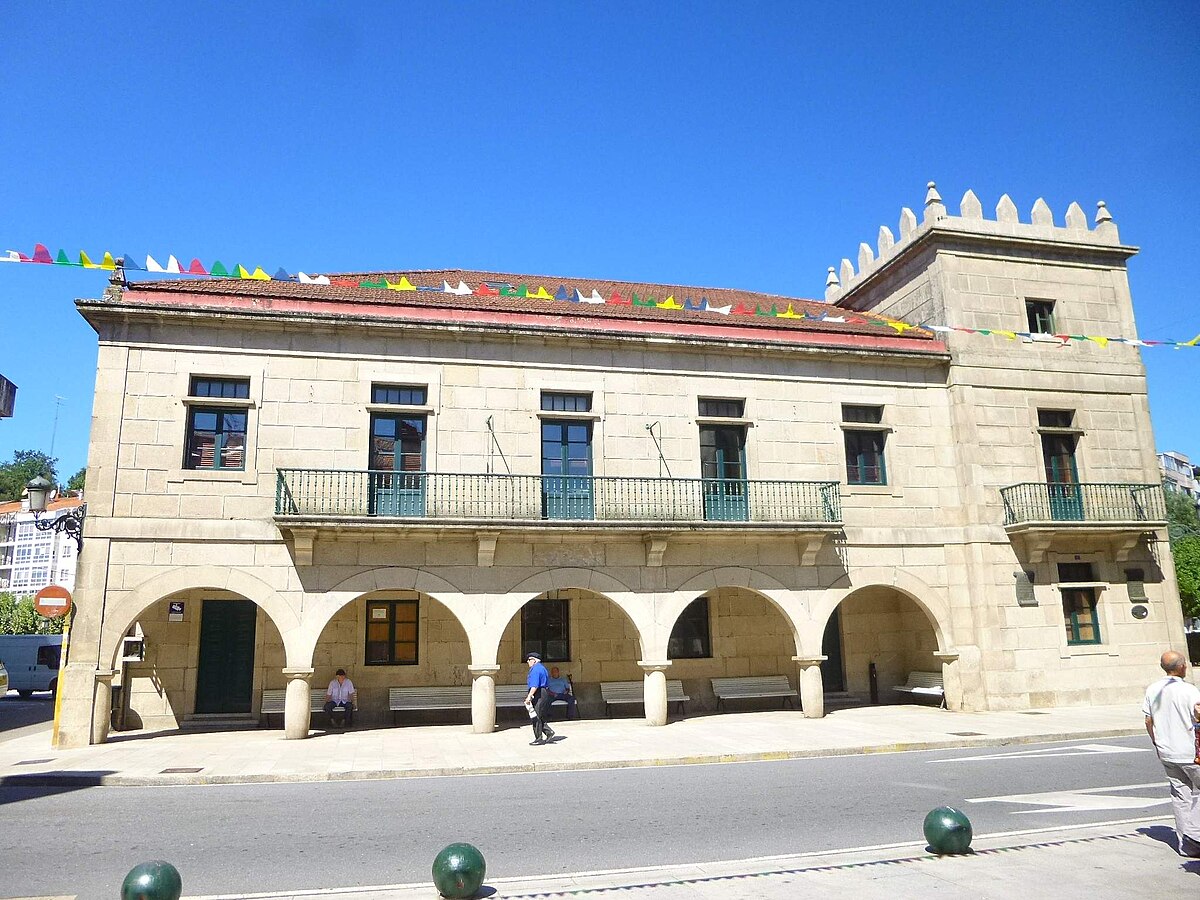
Many of the houses are still built in stone, some with enclosed yards and, in the older examples, wooden galleries known locally as corredores. There are no large plazas or buildings that concentrate activity. Daily life revolves around the land and livestock, and it shows quickly. Tractors pass along the roads, agricultural stores sit close to homes, and tracks lead straight out of the village towards fields and smallholdings.
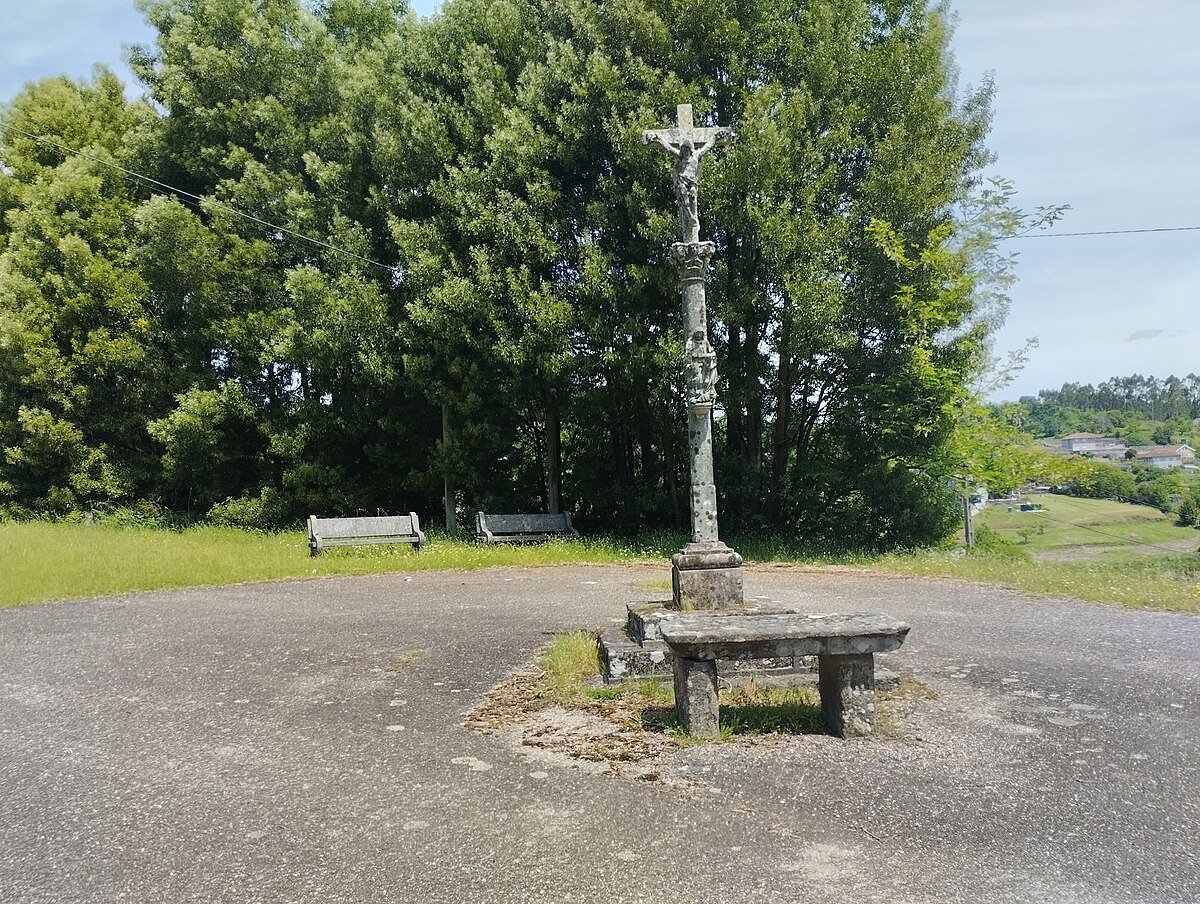
Along these tracks, small chapels and cruceiros appear. A cruceiro is a traditional Galician stone cross, often set on a pedestal at a crossroads or beside a path. In Fornelos de Montes, some stand next to houses, others at junctions of rural lanes. They are not arranged as visitor attractions or marked stops. They belong to the everyday landscape, part of the rhythm of local life rather than a separate heritage display.
There are also hórreos still in use. These raised stone or wooden granaries, typical across Galicia, were designed to keep grain dry and away from animals. Here they are practical structures rather than decorative features. They store grain, tools or whatever each household needs. Their continued use underlines how closely the municipality remains tied to agriculture.
Tracks, Forest and the River Carballosa
Once you leave the nucleus, forest tracks begin to connect the different hamlets. Many pass through eucalyptus groves and cultivated plots. At times, older stretches of cobbled path appear, worn by years of use, then merge into more recent agricultural tracks. The mix of surfaces reflects how the area has evolved without losing older routes entirely.
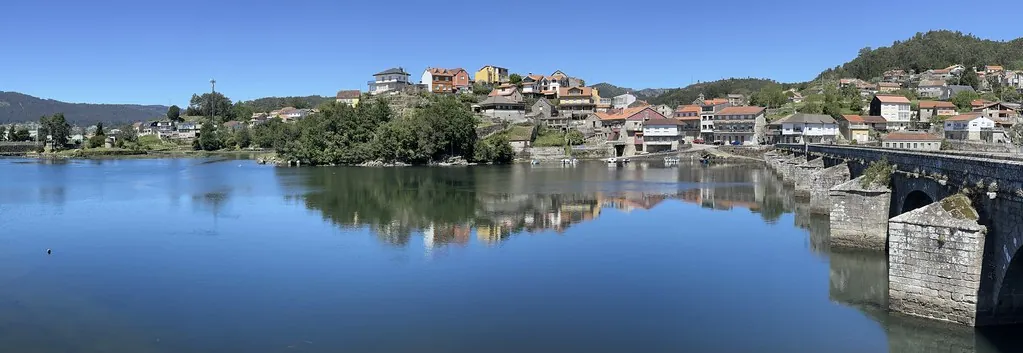
Near the River Carballosa, remains of old mills can still be seen. They are not signposted or prepared for visits. They reveal themselves if you follow older paths close to the riverbank. Anyone walking here should do so respectfully, as many of the surrounding plots remain privately owned and actively used. The mills are part of a working landscape, not an open-air museum.
Water, woodland and farmland are tightly interwoven. The river shapes the lower ground, while the slopes are given over to forestry and cultivation. It is a setting that feels functional rather than staged.
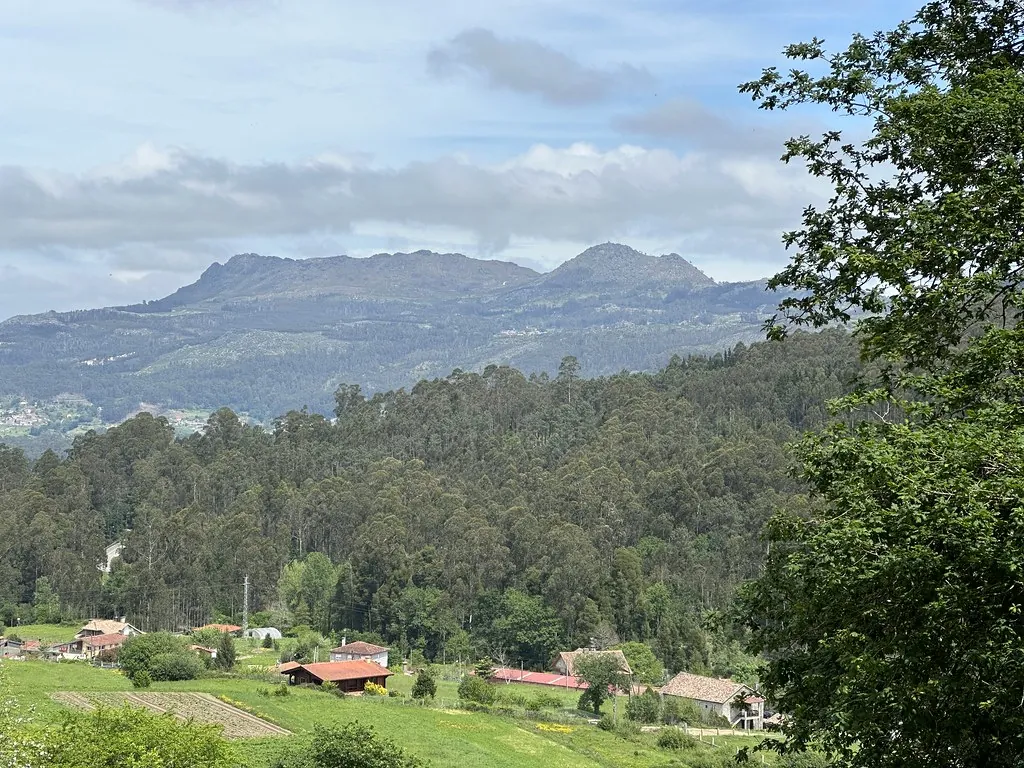
Higher up, towards the Serra do Galiñeiro, the landscape opens out. From certain points, agricultural valleys stretch across the interior. On a clear day, distant areas towards the coast come into view. The weather shifts quickly here. Mist can roll in with little warning and alter the scene within minutes, softening outlines and shortening views. Conditions change fast enough to transform the experience of the same path from one hour to the next.
Secondary roads allow for exploring the area by bicycle, though constant climbs are part of the deal. Long flat stretches are rare. Forest tracks are also used for mountain biking, but they are not always in good condition. Surfaces vary, and gradients are steady rather than occasional. Anyone setting out on two wheels should expect a route defined by ups and downs rather than easy cruising.
When to Go
Spring and autumn are generally the most rewarding times for walking. The rivers carry more water and the woodland feels more active. Paths are clearer, and temperatures are usually more comfortable for longer outings.
In winter, mud appears quickly on many tracks. Rain turns sections of path slippery, especially near the river or in shaded areas. Conditions can change from firm to boggy within a short distance.
Summer brings heat, particularly around midday. For walking, early morning or late afternoon is more suitable. The combination of exposed stretches and steady climbs can make the middle of the day demanding.
Whatever the season, the landscape sets the pace. Weather, ground conditions and light all influence how the area feels.
A Place to Pass Through, Then Head Out
Fornelos de Montes does not present itself as a destination of monuments or a carefully restored historic centre designed for hours of strolling. It works better as a starting point for the surrounding hills and hamlets. Park, take a short walk around the nucleus, then follow the tracks that lead outward.
Understanding this municipality means stepping beyond the central streets. The essence lies in the paths between parishes, the small chapels at crossroads, the cruceiros standing quietly beside rural lanes, and the hórreos that remain in daily use. It lies in the River Carballosa and the old mills that surface along its banks, and in the shifting views from the slopes of the Serra do Galiñeiro.
Approach it as part of a wider rural network rather than a single focal point. The centre introduces the setting. The surrounding tracks explain it.