Full Article
about Gondomar
Ocultar artículo Leer artículo completo
The tractor blocks the single-track lane, driver halfway out the cab, cigarette glowing. He waves the hire-car forward anyway. Both vehicles edge past with wing-mirror millimetres to spare, the scent of cut eucalyptus drifting through open windows. That brief negotiation is Gondomar in miniature: rural, undramatic, lived-in. Ten minutes earlier you were on Vigo’s ring-road; ten minutes later you’ll be parking beside a granite church older than Oxford’s colleges while someone’s grandmother sweeps her doorstep and nods boas tardes.
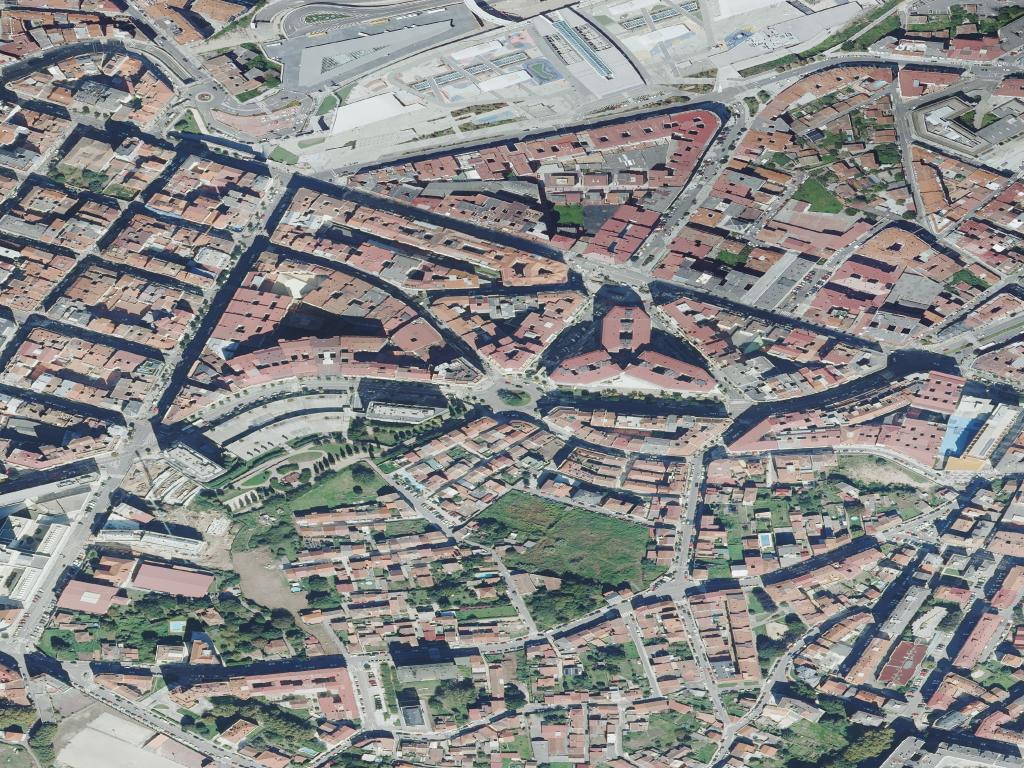
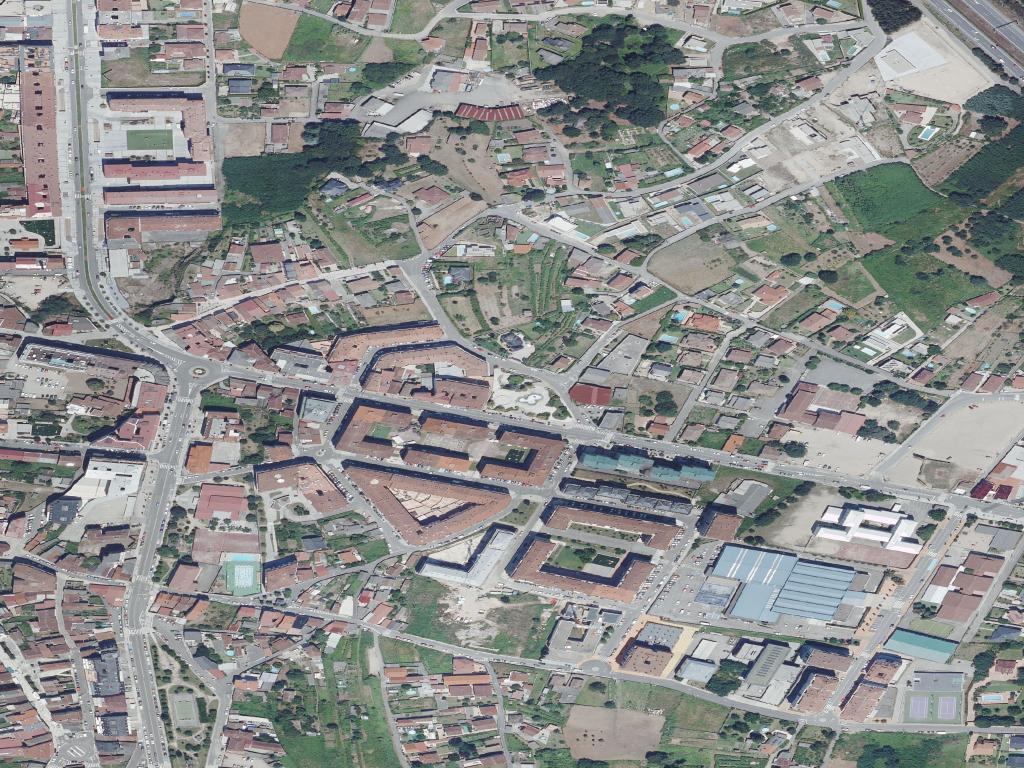
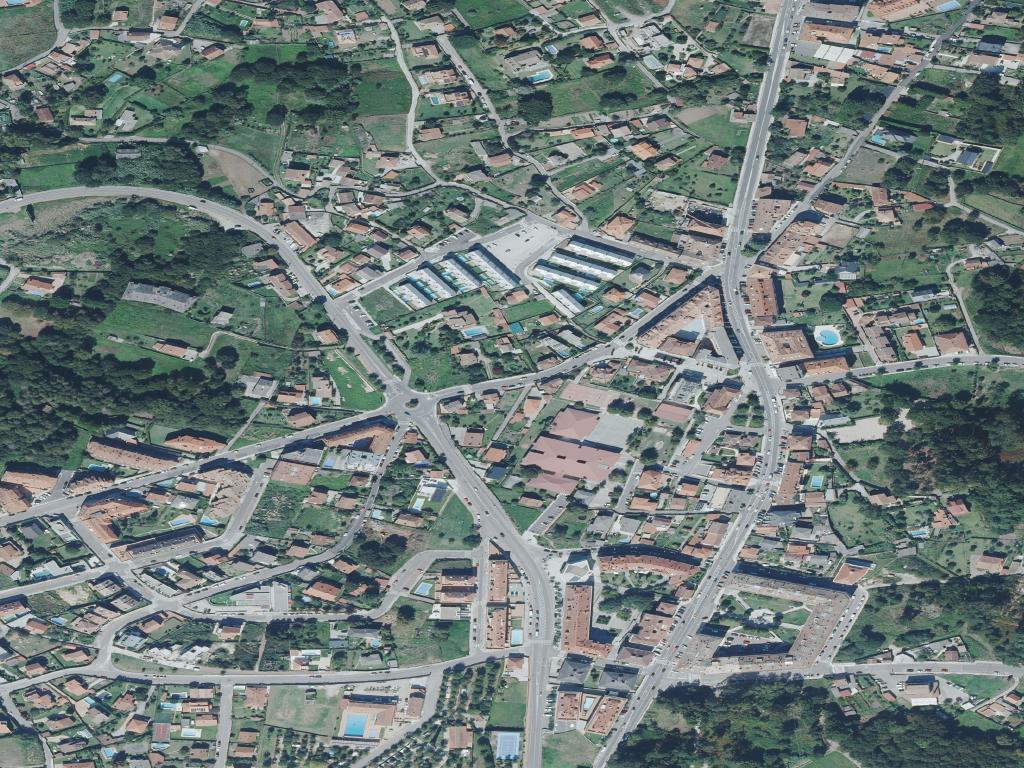
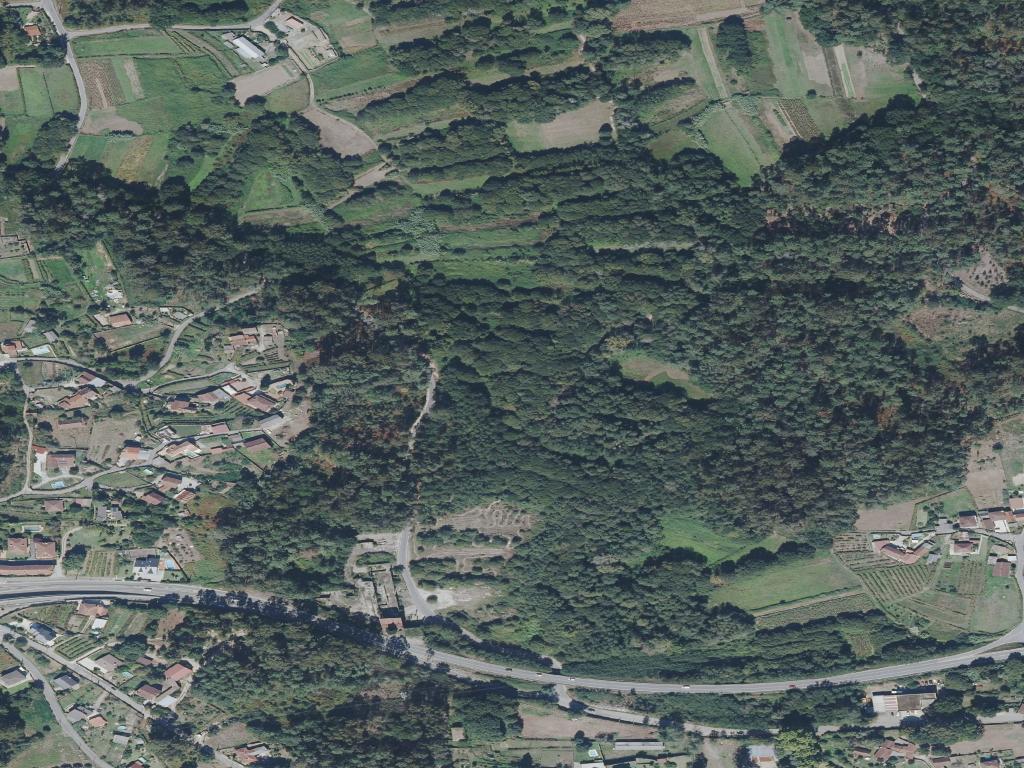
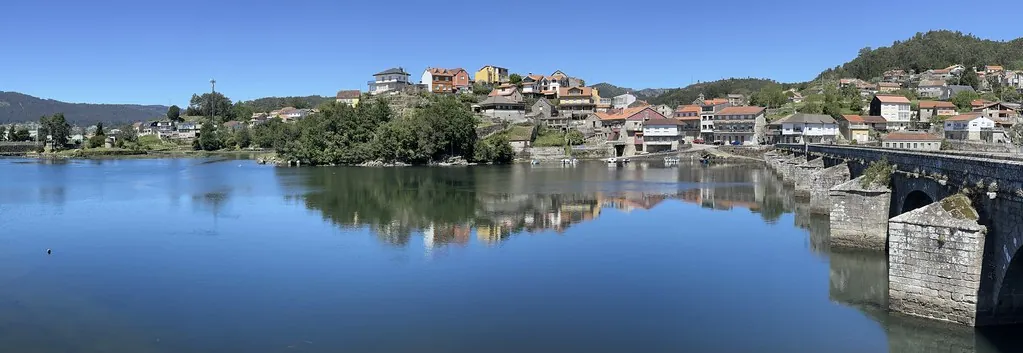
Gondomar sits inland from the Rías Baixas, a 15-minute drive from the Atlantic yet psychologically half a world away from the coast’s surf schools and yacht marinas. The council stretches across a shallow valley of smallholdings, oak scrub and scattered parishes whose populations rarely top 200. Guidebooks file it under “Vigo hinterland”; locals simply call it o val—the valley—and treat the city as an optional extra.
Granite, Greens and a Splash of Romanesque
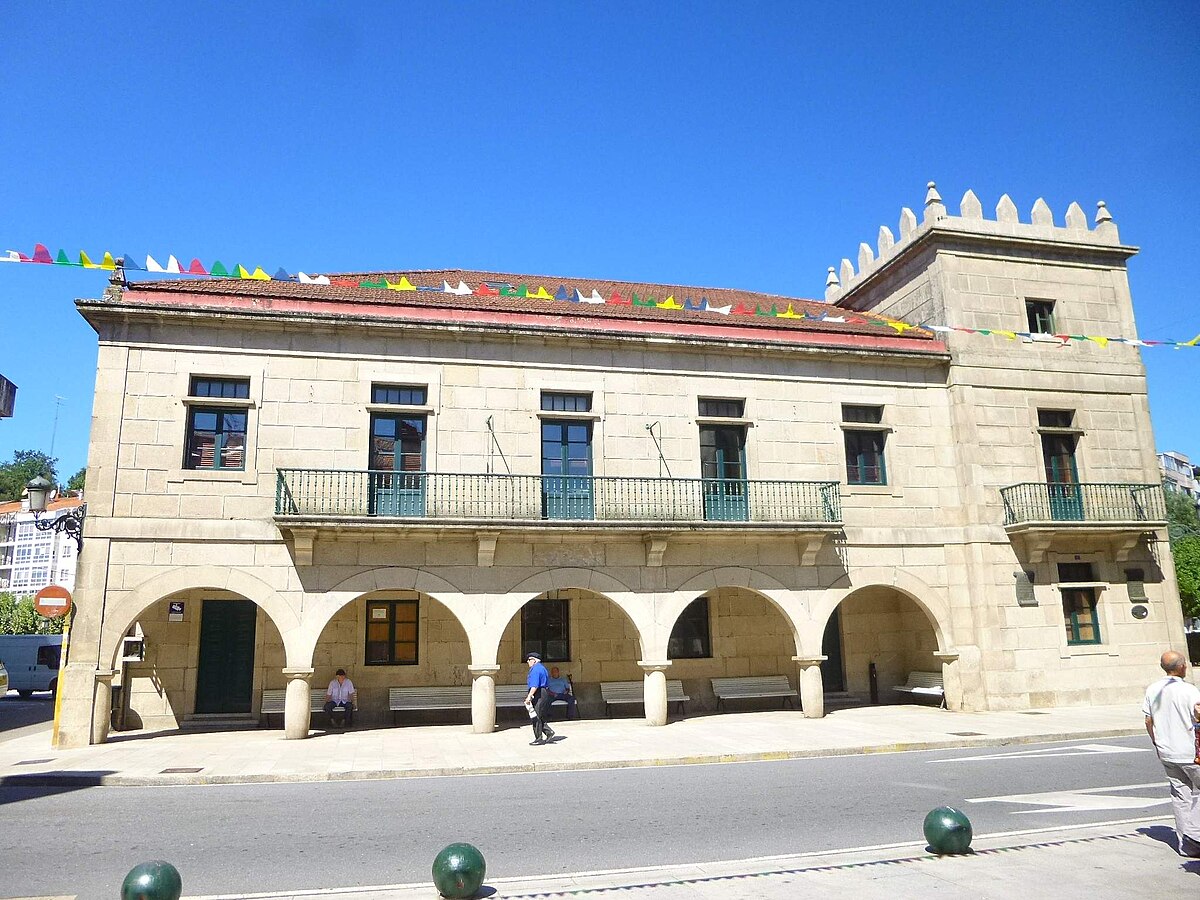
There is no postcard centre, just a tight nucleus of administrative buildings, a weekly market square and two café-bars whose terraces fill with men discussing football and cabbage prices. Sightseeing here is low-octane. The Romanesque church of San Miguel de Donas, 3 km west of the nucleus, rewards a short detour. Its stone is the colour of weathered pewter, the doorway carved with rope motifs that would look at home on a Celtic cross. The door is usually locked; lean against warm granite and listen to swifts chattering in the bell tower. That’s the audio guide.
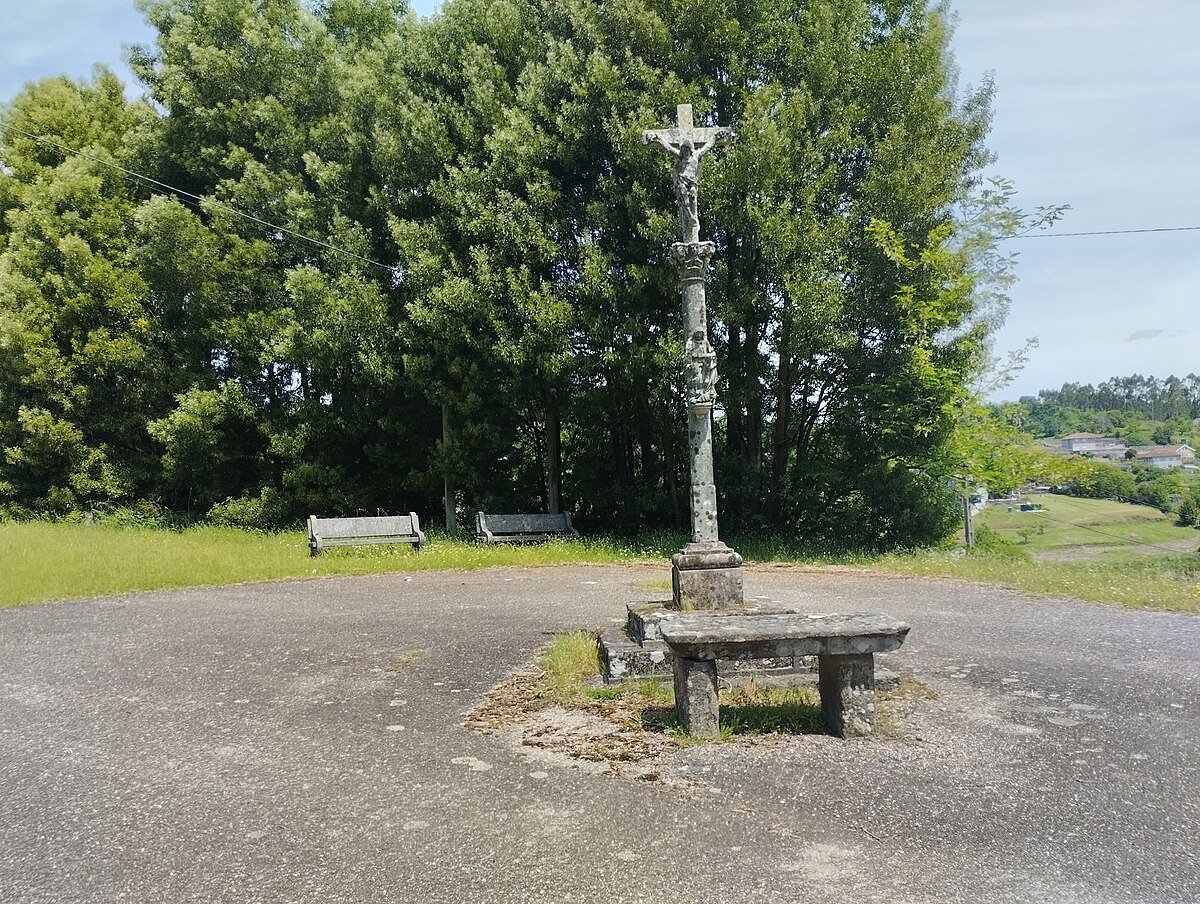
Beyond the church the map fragments into lanes signed only for people who already know where they’re going. Follow one at random and you’ll pass hórreos—stone grain stores on stilts—still used for garden tools rather than museum selfies. A crumbling pazo (manor) might appear above a stone wall, its coat of arms eroded to a blur. These houses aren’t open; they’re private, curtains twitching as you slow the car. Respect the boundary and you receive the reward of authenticity—no gift shop, no multilingual boards, just the sense that rural Galicia has been working this way since Suevic kings.
Walking Off the Croissant
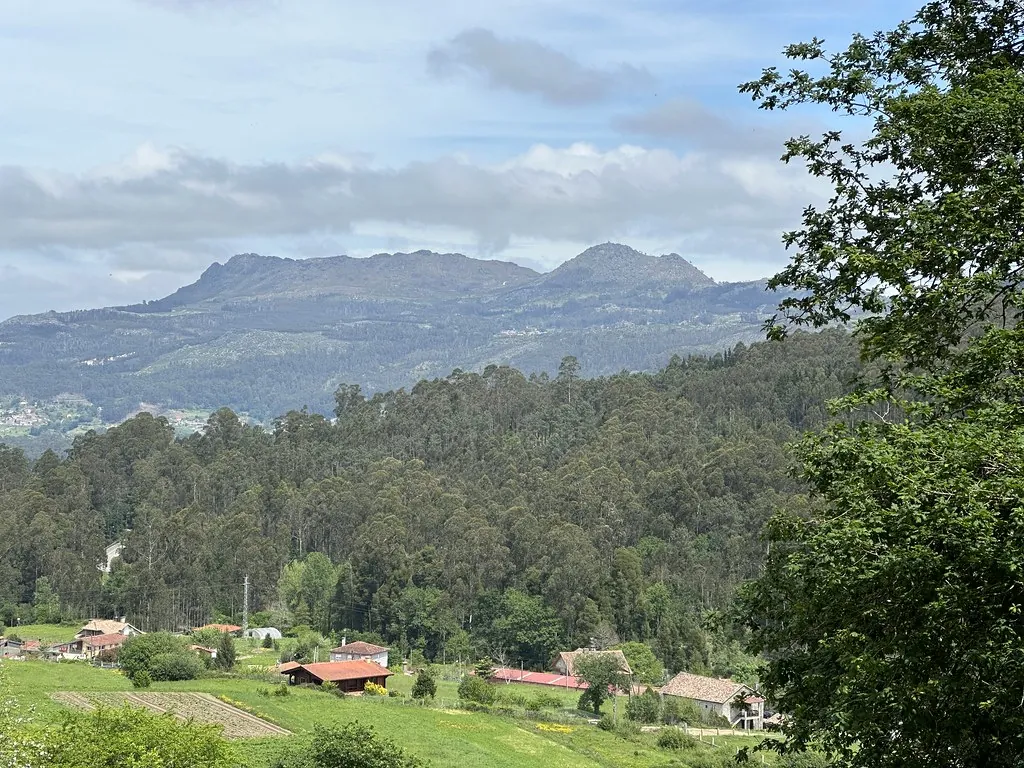
Monte Aloia, Galicia’s oldest natural park, rises immediately south of town. British visitors tend to treat it as a leg-stretch after airport croissants: a 4-kilometre loop through pine and gorse to a 20-metre waterfall, then a final 20-minute pull to the 630-metre summit for a 360-degree view that takes in the Cíes Islands and the odd cargo ship sliding into Vigo. Spring brings wild daffodils and the distant clonk of cowbells; autumn smells of damp bark and mushrooms. The granite path can turn slick—trainers suffice, but the couple in flip-flops sliding about on YouTube reviews clearly misread “mountain” as “mild hill”.
Longer routes thread along the valley floor, linking parishes whose names—Donas, Morgadáns, Couso—appear on no UK weather app. These paths are part of the ancient caminos reales network; walk for an hour and you’ll meet more chestnut trees than people. Bars en route are sporadic, so stock up in Gondomar’s panadería: a slice of empanada gallega (tuna and red pepper) travels well and costs €2.30.
Lunch at Tractor Time
Galicia keeps farmer’s hours. Kitchens close by 3.30 pm; turn up at 4 pm and you’ll be offered crisps and resignation. The smartest move is to eat early with the workers. Café Bar O Val serves a three-course menú del día for €12 that might start with caldo gallego—a gentle broth of white beans, greens and potato—followed by grilled pork shoulder and a wedge of tarta de Santiago. Wine is included; the house Albariño is perfectly acceptable, though serious oenophiles can trade up to a bottle of Burgáns for €16. Payment is cash only if the total stays under €10, so carry notes.
Evening options are thinner. After 9 pm the square fills with parents chatting while children chase pigeons. Order a cuarto (quarter-kilo) of pulpo a feira at Taberna Donas and you’ll receive octopus sliced with scissors, dusted with paprika and served on a wooden platter. The texture puts off some newcomers—imagine scallop crossed with squid—but the flavour is pure sea. If tentacles feel a stretch, go for zamburiñas (small scallops baked with breadcrumbs), universally tolerated by British palates.
Beach, Please
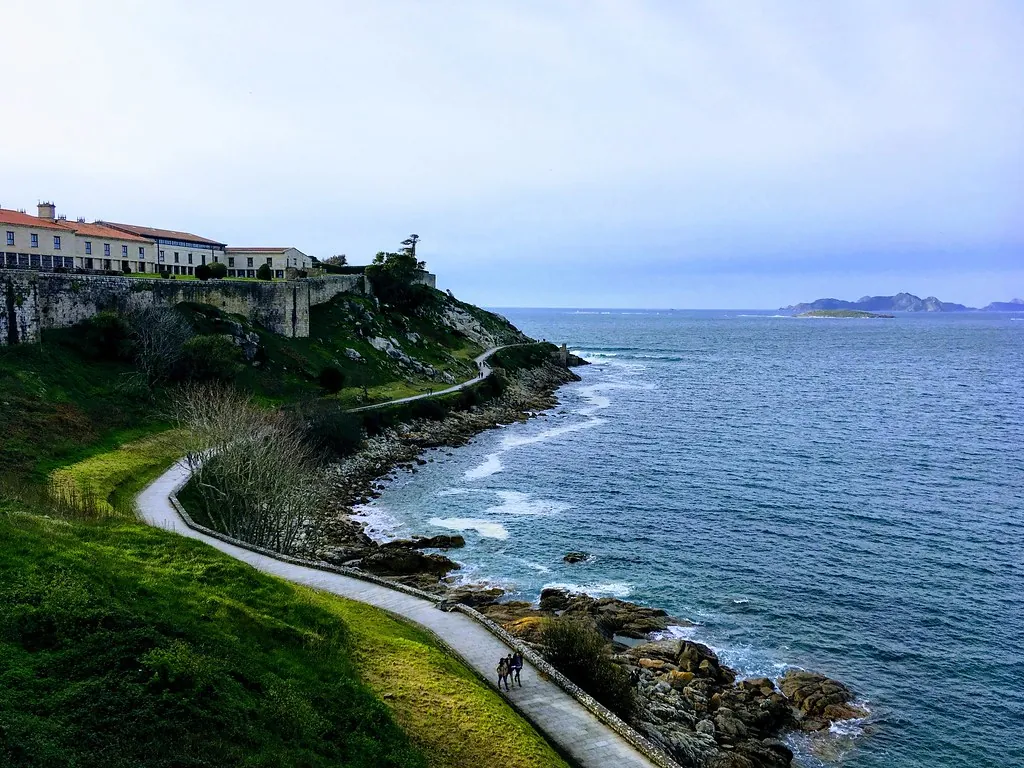
Gondomar’s altitude—140 m above sea level—means Atlantic fog can sit on the coast while the village basks in sun. The reverse also applies. When clouds press against Monte Aloia, the coast often stays clear. It’s perfectly reasonable to hike in the morning, then drive 15 minutes to Nigrán’s Playa América for an afternoon swim. The beach is a broad sweep of pale sand backed by a low esplanade of ice-cream kiosks and shower blocks. Water temperature peaks at 19 °C in August—bracing, but manageable for anyone who’s swum in Cornwall. Patos, next bay south, draws surfers when Atlantic swells arrive; board rental is €20 for two hours from the hut beside the car park.
The dual identity—rural sleepiness within striking distance of proper sand—makes Gondomar a practical base if you dislike full-on resort strips. Accommodation is limited to two small hotels and a handful of casas rurales. Rooms hover round €70–90 year-round, cheaper mid-week. Book early for late July; August fills with returning Galician expats and prices edge up. Parking on Plaza do Concello is free and safe, but Saturday’s market colonises the space from 8 am. Arrive Friday night or use the supermarket lot on Rúa Venezuela.
Getting Here, Getting Out
No UK airport flies direct to Vigo; most travellers land at Porto, two hours south down the A3 and A55 toll roads (€18 total). A hire car is almost mandatory—public transport exists, yet buses from Vigo drop at the edge of Gondomar, 2 km short of the centre, and only run every two hours. Trains are a fiction; the nearest station is in Baiona, 11 km away. Galician roads are well-surfaced but narrow; if the sat-nav offers a “shortcut” down an unclassified lane, ignore it unless you fancy reversing 400 m when the tarmac ends at a vineyard.
Mobile coverage is excellent in town, patchy on Monte Aloia. Download an offline map before you set off; way-marking is good, yet junctions can still induce that British pastime of standing at a crossroads swearing gently.
When to Fold
Gondomar will not keep anyone busy for a week. It works best as a slow-motion breather wedged between noisier stops—Santiago, Vigo, even Porto. Come for two nights and you can walk ancient paths, eat octopus without Instagram pressure and still be on the beach before the sun burns off the morning haze. Stay longer and you’ll start recognising the same three dogs and the same mechanic who fixed your exhaust in 2012. That familiarity is part of the charm, though it edges towards claustrophobia if you crave nightlife beyond midnight orujo in a bar where the TV plays fútbol on perpetual loop.
Leave before the valley feels ordinary; return before the tractor driver stops waving strangers past.