Full Article
about Mos
Ocultar artículo Leer artículo completo
Where Vigo's Commuters Leave Their Garden Gates Open
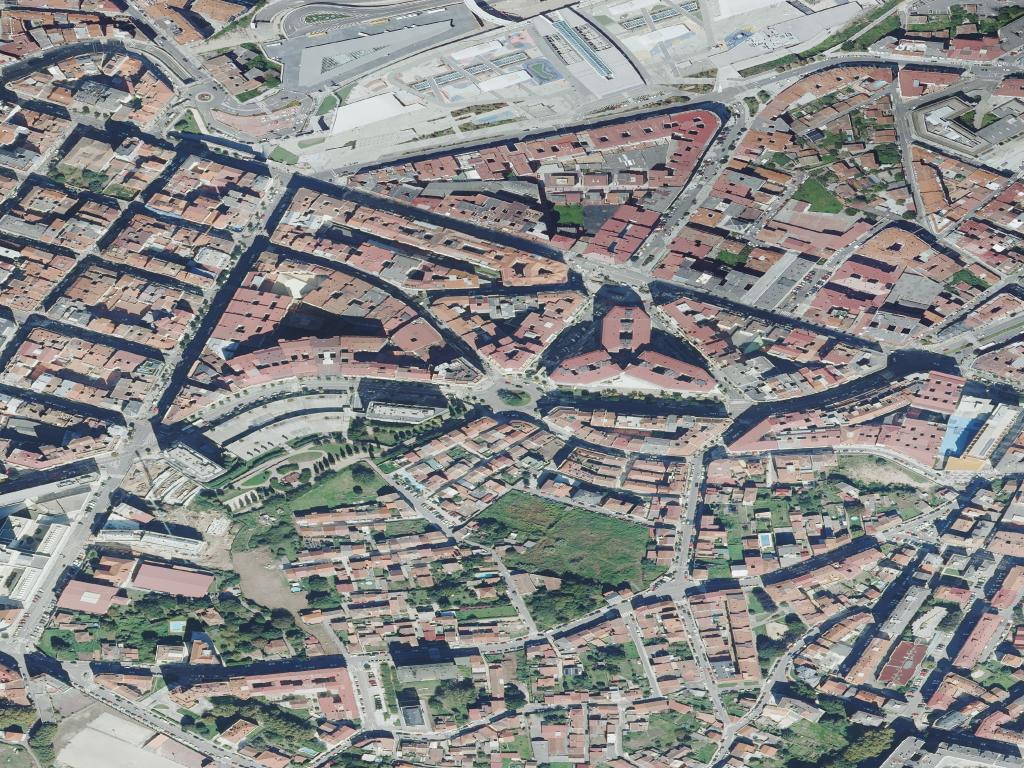
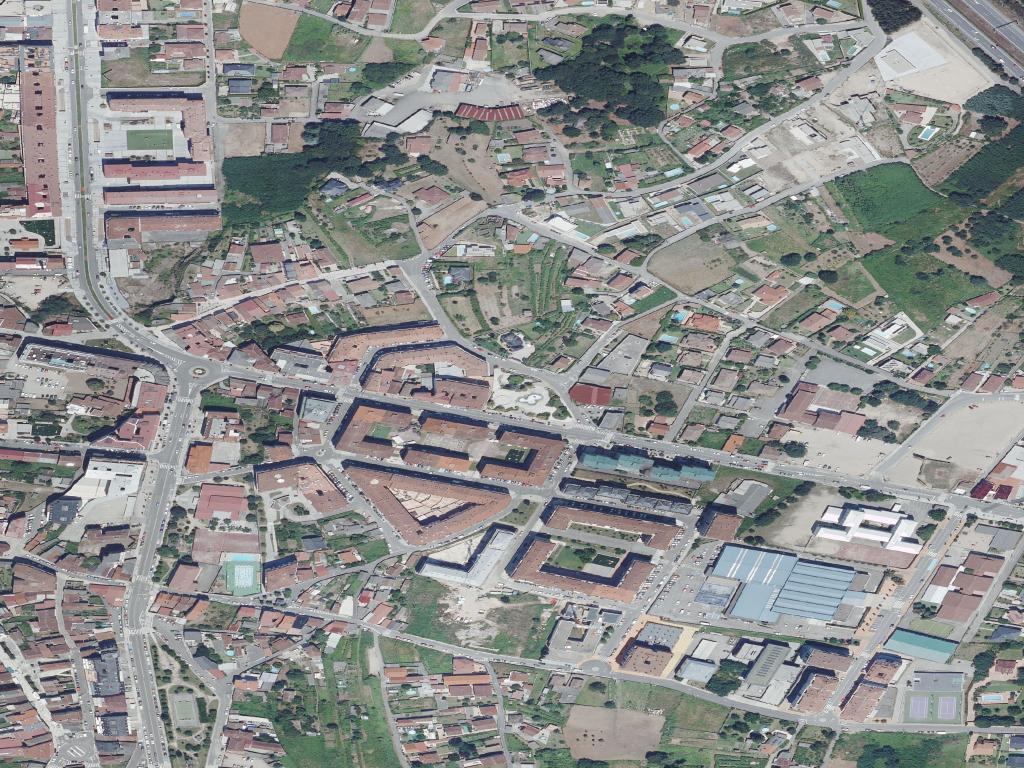
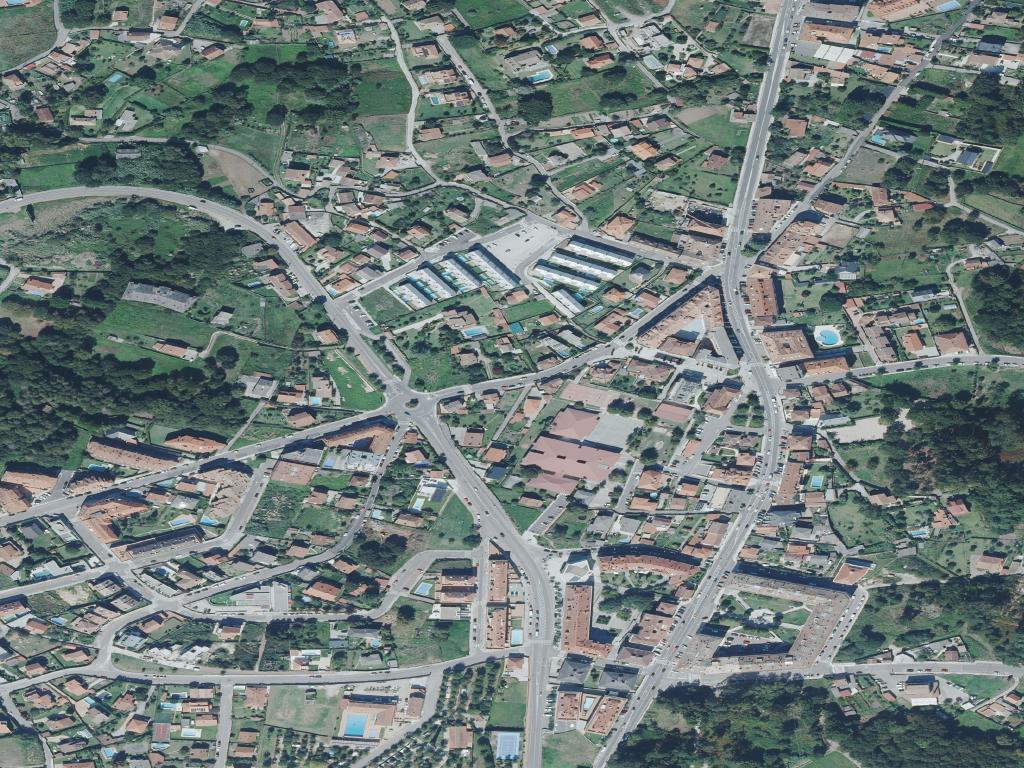
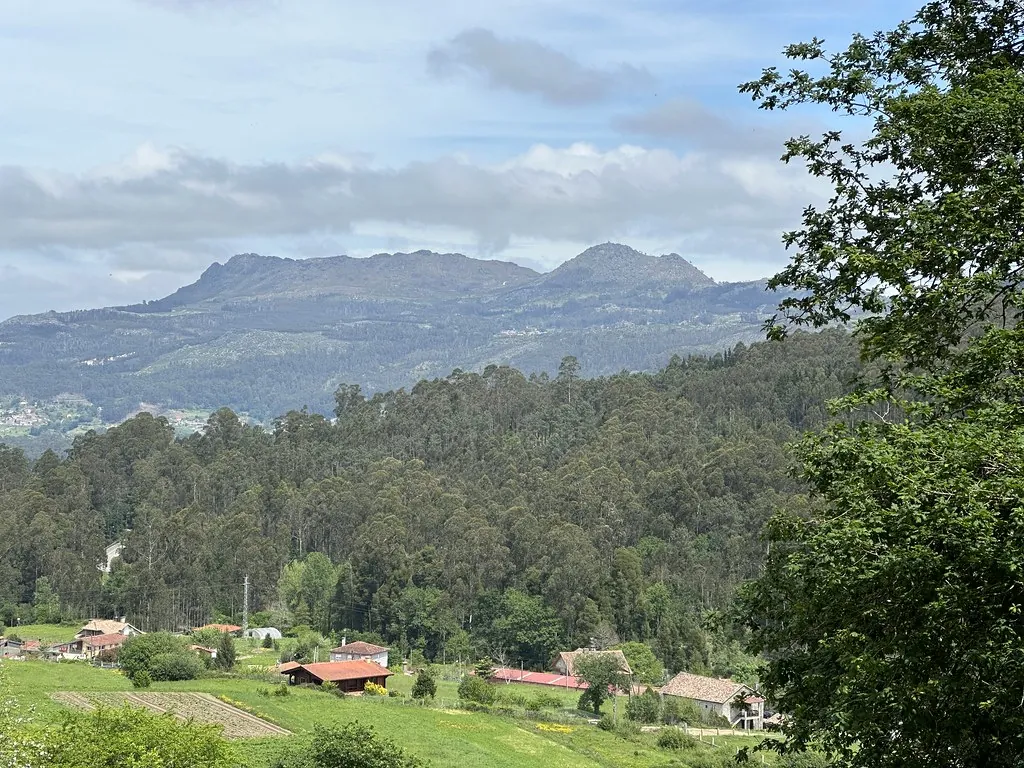
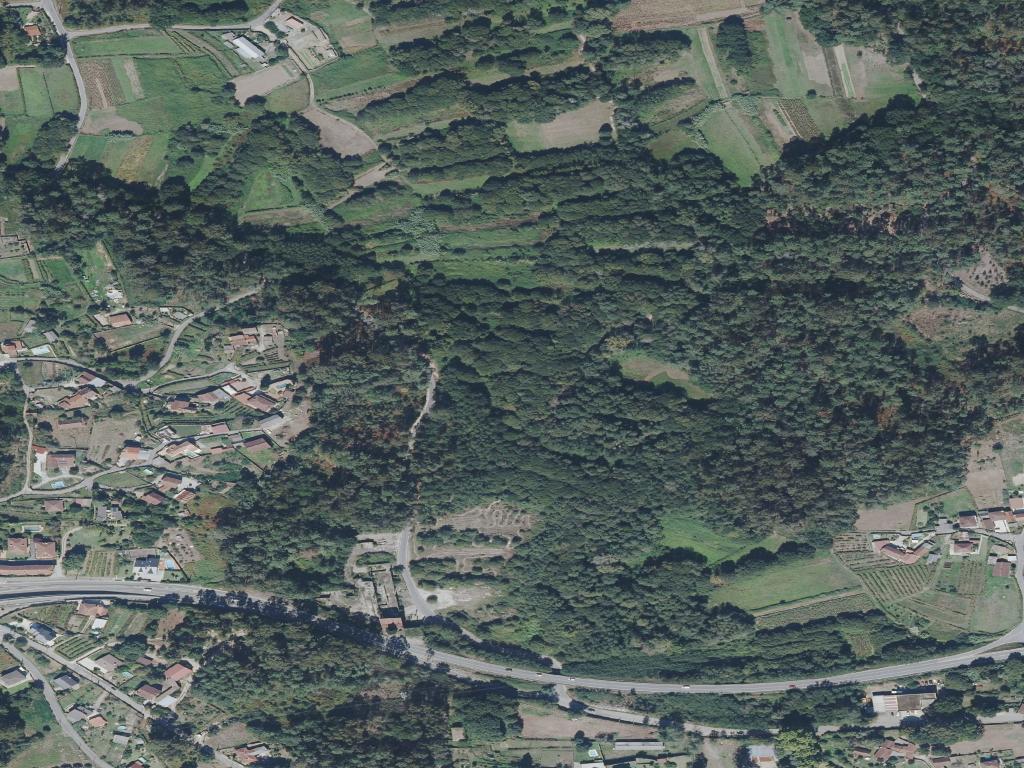
The road from Vigo airport turns inland after fifteen minutes, climbing through eucalyptus shadows until housing estates thin into something looser, more accidental. This is Mos—not quite countryside, not quite suburb, but a municipality scattered across low hills where neighbours measure distance in minutes rather than kilometres. Five thousand people live here, though you'd never guess it from driving through. Houses hide behind granite walls, workshops occupy converted barns, and every third gate seems to open onto someone uncle's vegetable plot.
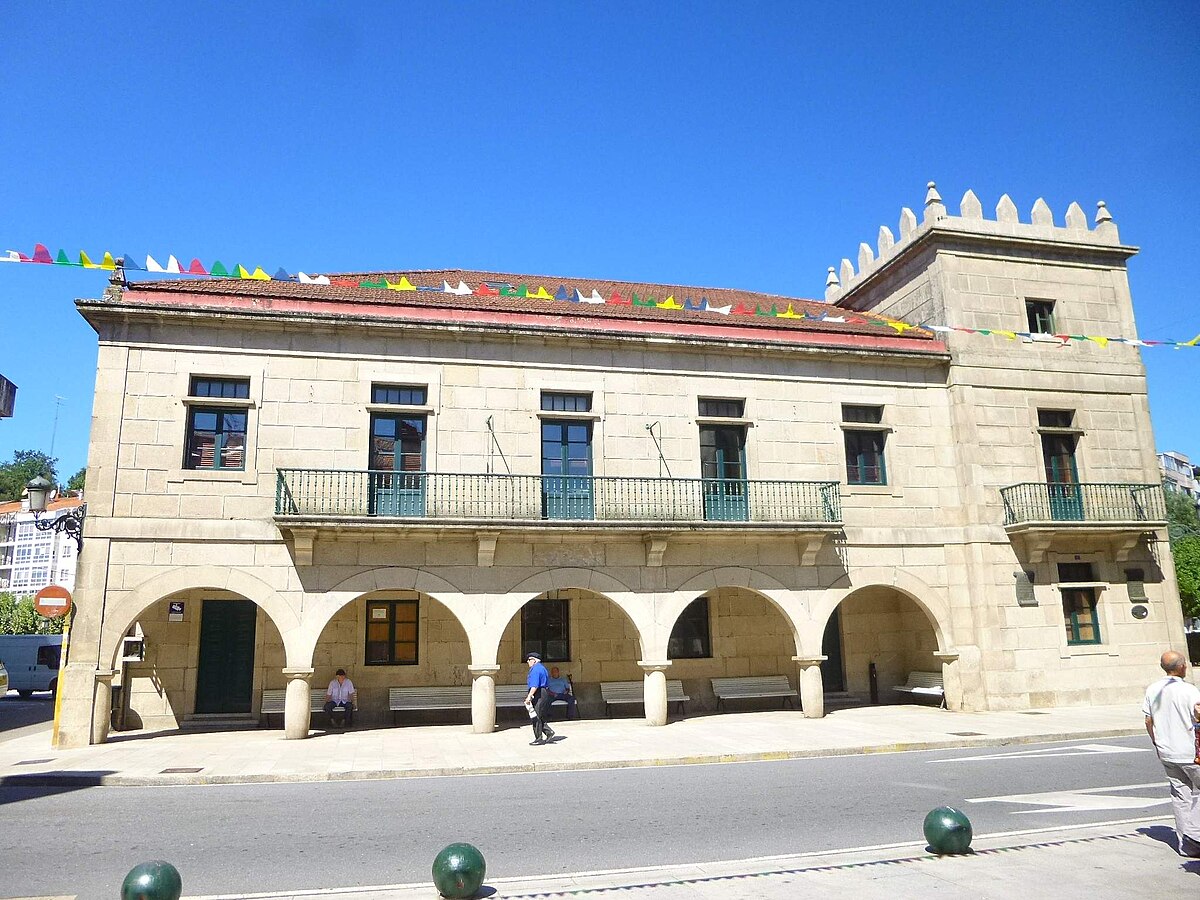
Spanish visitors heading for the coast treat Mos as a blur between city and beach. British travellers, if they stop at all, arrive expecting a plaza mayor with geraniums and leave disappointed. The village centre barely exists—just a handful of municipal buildings clustered around the parish church of Santa Eulalia, where old men argue over dominoes and teenagers loiter by the bus stop. There's no medieval quarter, no artisan ice cream shop, no Instagram moment waiting to happen. Instead, Mos offers something increasingly rare in southern Europe: a place that hasn't rearranged itself for your convenience.
Walking Through Someone's Front Garden (With Permission)
Understanding Mos requires recalibrating what constitutes a sight. The Pazo de Quinteiro de la Cruz stands three kilometres south of Santa Eulalia, down a lane where chestnut trees meet overhead. This 18th-century manor house isn't National Trust tidy—its gardens merge into surrounding farmland, and locals use the driveway as a shortcut to the next hamlet. When the owners feel sociable, they'll open portions of the house for small groups. When they don't, the building still works as a landmark, its baroque facade rising incongruously beside a modern tractor shed.
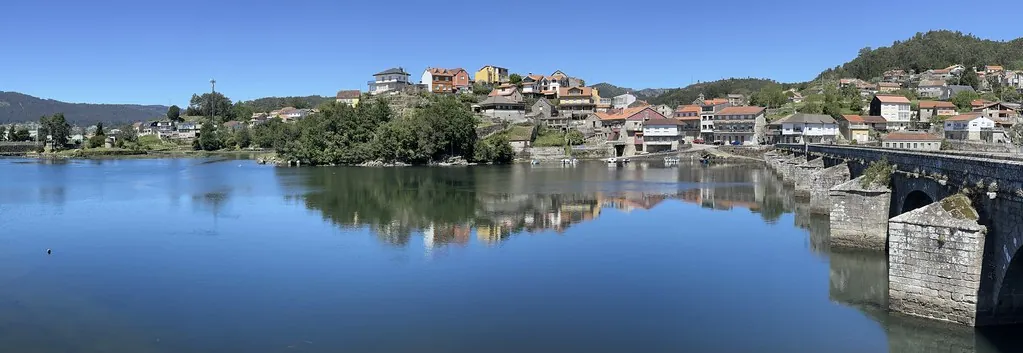
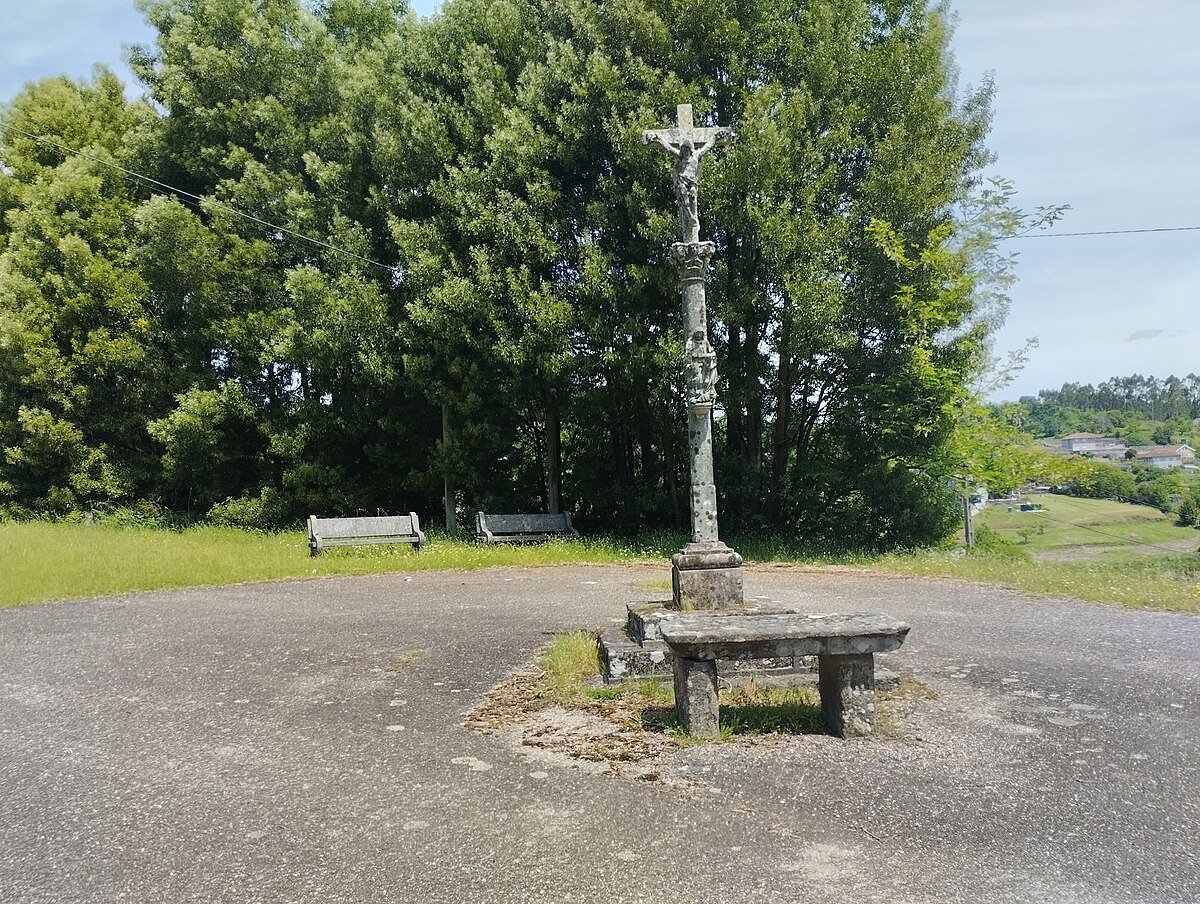
The real pleasure lies in connecting these fragments. Park by Santa Eulalia (free, always space except during Sunday mass) and walk fifteen minutes along the Camino Portugués. This pilgrim route to Santiago cuts through Mos on its way north, though here it functions mainly as a rural pavement. You'll pass horreos—stone granaries on stilts—some restored with municipal grants, others leaning like drunk sailors. Granite crosses appear at junctions, their carved details eroded by Atlantic rain. It's essentially walking through someone's extended garden, except the garden happens to be several square kilometres of Galician countryside.
The Entrecruces recreation area provides a natural turning point. Pine and eucalyptus shade picnic tables where families gather on Saturdays, their voices carrying across the valley. Paths loop through mixed woodland for twenty minutes or two hours, depending how often you stop to examine mushroom varieties or admire views back towards Vigo's estuary. The highest point reaches 250 metres—not exactly mountain territory, but enough elevation to catch cooling breezes when summer heat settles over the coast below.
Why the Sea Still Matters, Even Here
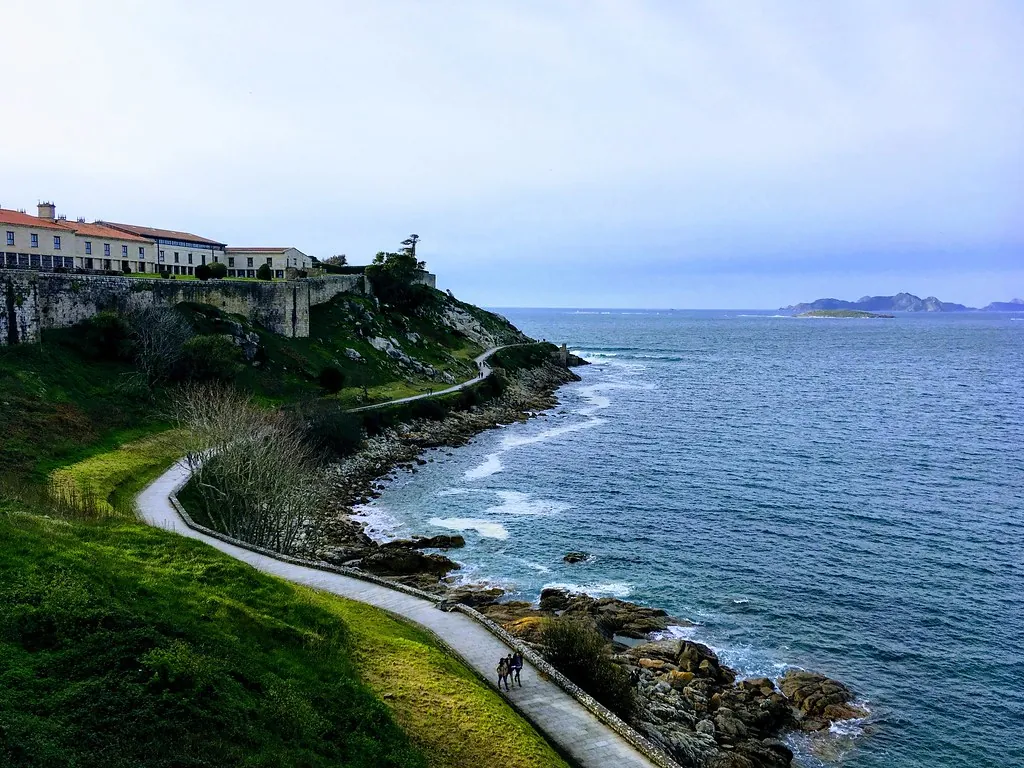
Mos might sit inland, but the Atlantic shapes everything. The municipality's western edge lies just six kilometres from the Ría de Vigo, close enough for morning fog to roll up the valleys. Local restaurants serve percebes (goose barnacles) that arrived fresh that morning, their prices significantly lower than harbour-front establishments. The daily menu at Ta Pra, halfway between Mos and the neighbouring village of Domaio, costs €12 and features whatever the owner's cousin caught yesterday—perhaps grilled sardines in summer, or octopus stew when autumn storms keep small boats in port.
This proximity to water affects climate too. Winter temperatures rarely drop below five degrees, making Mos a feasible base for year-round walking. Summer brings genuine heat—thirty-degree days aren't uncommon—but humidity feels less oppressive than coastal resorts. Spring arrives early; by late February, camellias bloom in sheltered gardens and locals start eating lunch outside again. Autumn stretches through November, with morning mists burning off to reveal clear views across the valley.
Access to beaches remains straightforward. The nearest decent stretch of sand lies at Samil, fifteen minutes by car or twenty on the hourly bus service. But British families might prefer smaller coves north of Baiona, where rock pools entertain children and parking costs two euros rather than the extortionate rates charged closer to Vigo. The trade-off is distance—thirty minutes each way—so Mos works better as a base for mixed holidays combining city culture, country walking and occasional beach days rather than dedicated sand-and-sun breaks.
The Logistics of Not Being a Tourist Destination
Staying here requires adjusting expectations. Accommodation options remain limited: two rural houses, one mid-range hotel by the main road, and several self-catering properties rented out by Vigo families as weekend boltholes. The Hotel Pazo de Mos offers functional rooms from €65 nightly, including breakfast featuring local cheese and honey. Its restaurant serves reliable Galician standards—pulpo a la gallega, raxo de cerdo—though portions cater to construction workers rather than delicate appetites.
Public transport exists but demands patience. Buses connect to Vigo every hour until 10 pm, though Sunday services reduce to five daily. Hiring a car transforms the experience, particularly for reaching trailheads scattered across the municipality. Roads are generally excellent, but Galicia's infamous curves mean twenty kilometres can consume forty minutes. Petrol costs roughly what you'd pay in rural Britain; budget accordingly.
The language barrier proves minimal in Mos itself—most residents under forty speak some English, courtesy of Vigo's shipbuilding industry and regular contact with British engineers. Older neighbours prefer Galician, though they'll slow their Spanish for polite foreigners. Attempting basic greetings in the local language generates immediate warmth; "bos días" works better than "buenos días" here.
When to Cut Your Losses
Mos won't suit everyone. Visitors seeking concentrated historic centres should base themselves in Tui or Pontevedra instead. The dispersed settlement pattern means you'll spend more time driving than walking between sights, and rainy days offer limited indoor alternatives. February can feel particularly bleak—everything green but nothing flowering, locals staying indoors, restaurants running reduced winter menus.
Crowds appear during Easter week and August, when Vigo families decamp to country houses. Accommodation books up early; restaurant queues stretch unreasonable lengths. September provides the sweet spot—warm enough for outdoor lunches, quiet enough to secure parking, with countryside glowing from recent rain.
The honest assessment? Mos works brilliantly as a two-day add-on to Galician itineraries already including Santiago, the Rías Baixas wine route, or Vigo's excellent museums. It provides breathing space between more intensive sightseeing, offering gentle walks, reasonable prices, and authentic glimpses of rural Spanish life. Just don't arrive expecting to tick boxes. The village's charm lies precisely in its refusal to organise itself for your convenience—and in an era of curated experiences, that stubborn authenticity might be the most valuable attraction of all.