Full Article
about Redondela
Hide article Read full article
Between the Ría and the Railway
Redondela smells of trains and sea air. It is the kind of place where you step out of the car and immediately sense that daily life moves between two currents: the waters of the ría and the carriages that have been rolling across its viaducts for more than a century. This is not Cudillero or Combarro, the postcard regulars. Redondela feels more like the relative who might not grab all the attention at first glance but always has a good story to tell.
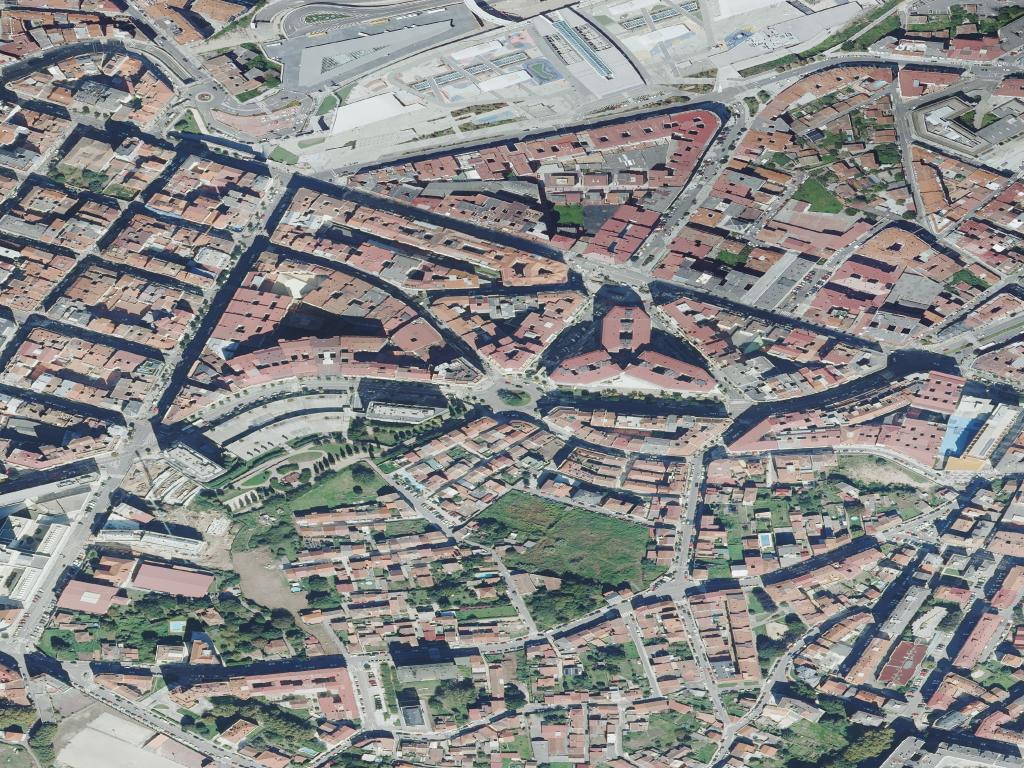
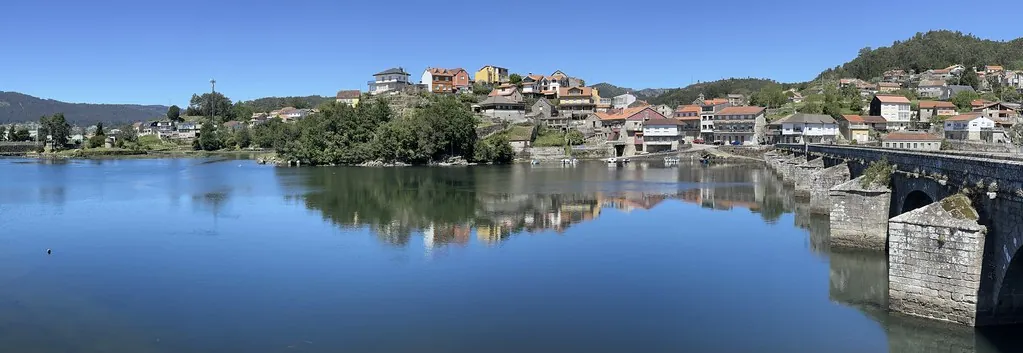
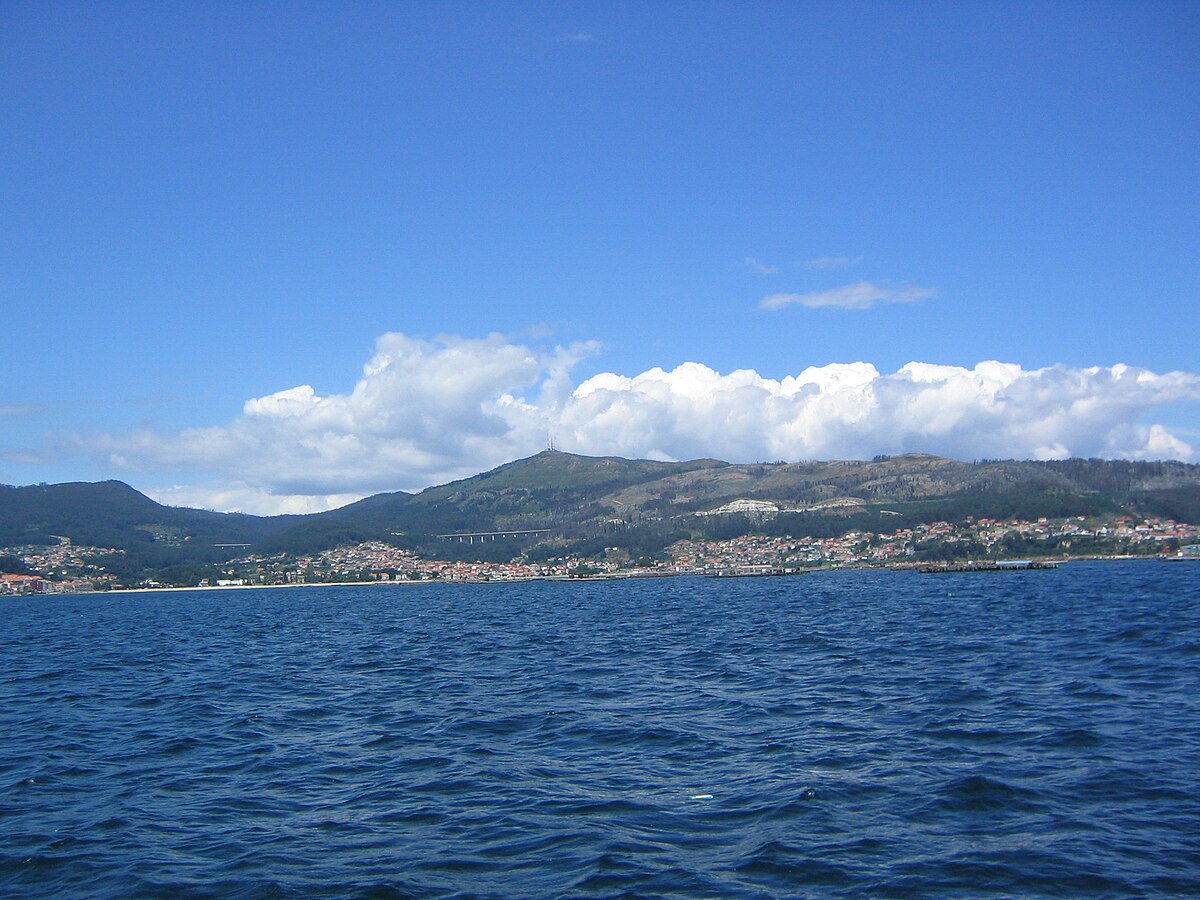
Set on the Ría de Vigo in Galicia, north-west Spain, the town has grown around its port, its railway lines and the steady flow of pilgrims heading to Santiago de Compostela. It is a working place, not a stage set. That mix gives it a character that reveals itself slowly, in passing trains, brief conversations and the rhythm of the tide.
The Viaducts That Gave It a Name
Redondela is known as “la Villa de los Viaductos”, and in this case the nickname is accurate. Two large 19th-century railway bridges, the viaduct of Madrid and the viaduct of Pontevedra, stride across the town with the confidence of old engineering that has become part of the skyline.
The viaduct of Madrid carries one of those stories that locals still repeat. Its engineer, Pedro Floriani, is said to have thrown himself from the structure because he believed he would not be paid for his work. According to the tale, the payment did arrive, just too late. How much is fact and how much is legend is hard to pin down, but the story continues to circulate.
Today the viaducts act as a reference point. They are visible as soon as you reach the centre, and anyone who lingers nearby will notice a shared reflex: heads tilt upwards whenever a train rattles overhead. Pilgrims on the Camino Portugués do the same. The railway is not background noise here, it is part of the town’s identity.
Where the Camino Passes Through
Redondela is one of the stops on the Camino Portugués, the Portuguese Way to Santiago, where routes converge. Pilgrims arrive along the coast from Vigo, while others come up from inland after passing through O Porriño. Suddenly the streets fill with backpacks and walking poles, and with people scanning for coffee early in the morning.
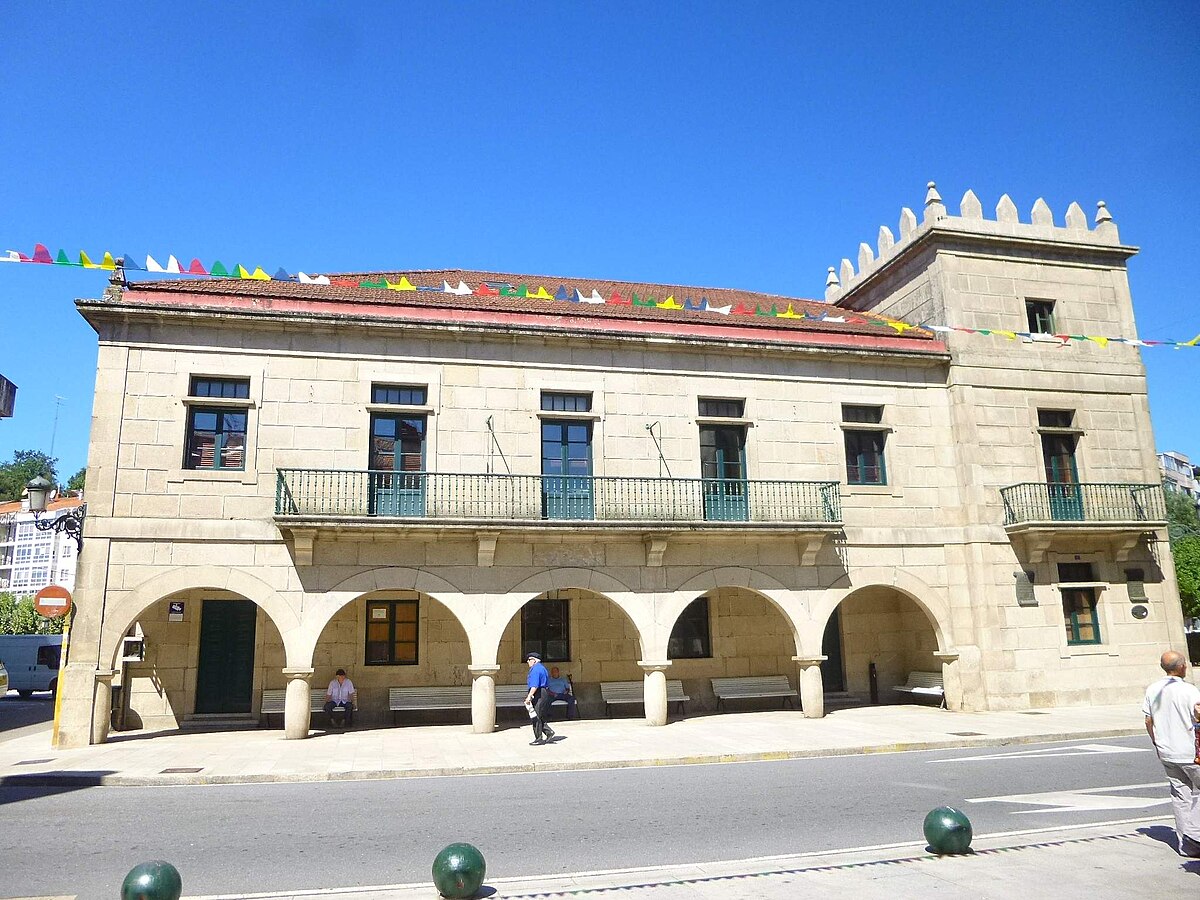
The Casa da Torre, a historic building that once served as the town hall, now functions as a pilgrims’ hostel. It is an unexpected transformation: the place where municipal paperwork was once handled now hosts travellers who have spent days on foot.
The Camino here goes beyond yellow arrows painted on walls. It surfaces in quick exchanges in the bakery, in someone pointing out a street when a visitor hesitates, in the steady sense of movement through the centre. During summer that flow becomes more noticeable, with a clear rise in activity.
Redondela does not stage the pilgrimage for effect. The route cuts through ordinary life, and the town adapts around it. For those following the Camino, it is a practical and social pause. For everyone else, it brings a constant reminder that this is a crossing point.
San Simón Island Across the Water
From the edge of the ría, San Simón island is always in view. It is close enough to dominate the horizon, yet not somewhere you simply stroll across to.
San Simón has lived several lives. It has been a monastery, a hospital and a lazaretto used to control epidemics. During the Spanish Civil War and the early years of the Franco regime, it served as a prison. Today it functions mainly as a cultural and natural space, generally quiet. Visits are usually organised and tied to specific times, so it is worth checking in advance if going across is part of the plan.
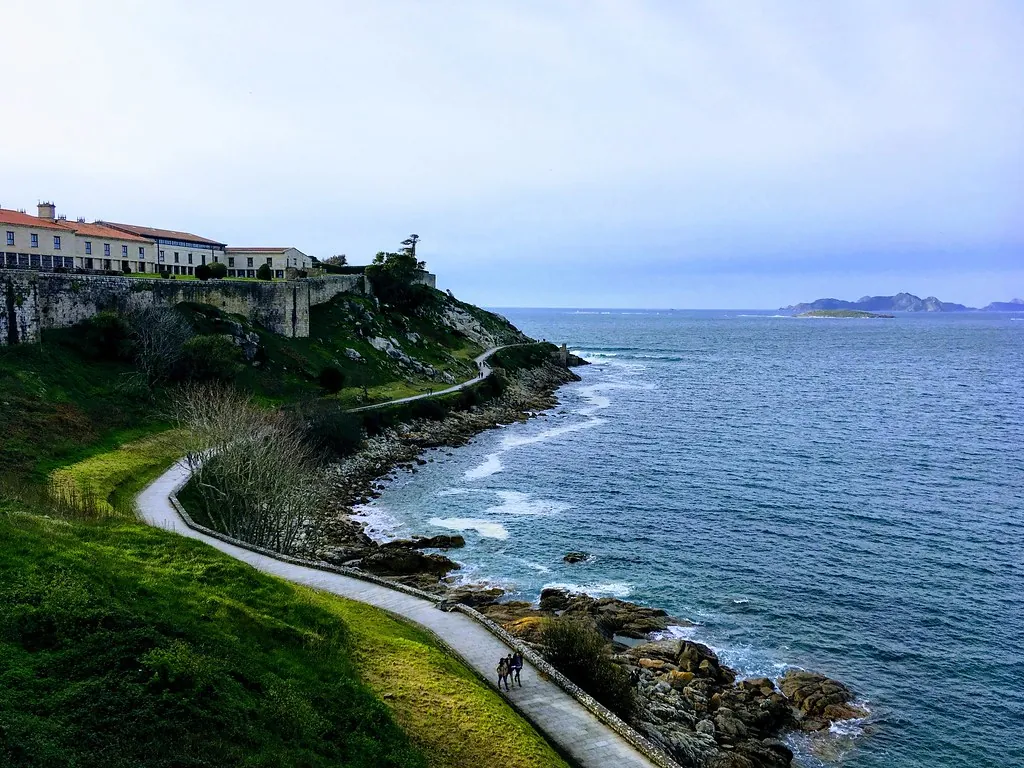
Staying on the mainland works just as well. A walk along the Cesantes area, following the curve of the ría, offers open views towards San Simón and, in the distance, the bridge of Rande. The route is fairly flat and easy to follow.
There is also a literary footnote to the setting. Jules Verne mentioned the Battle of Rande in Twenty Thousand Leagues Under the Sea, and around the ría there are small nods to that episode. It adds another layer to a landscape already shaped by history and industry.
Eating the Way It Is Eaten Here
Food in Redondela follows a recognisably Galician script, straightforward and generous.
Empanada is a staple, with bacalao con pasas, salt cod with raisins, among the typical fillings. Chocos con patatas, cuttlefish with potatoes, appear frequently, particularly near the ría. And pulpo a feira is served as it has long been served in Galicia: on a wooden plate, dusted with paprika and drizzled with olive oil.
This is not a place built around elaborate dishes or endless menus. The food tends to arrive promptly, smell inviting and disappear just as quickly. If it is shellfish season in the Ría de Vigo, clams feature prominently in many local menus. Once started, it can be hard to stop.
Beyond the Town Centre
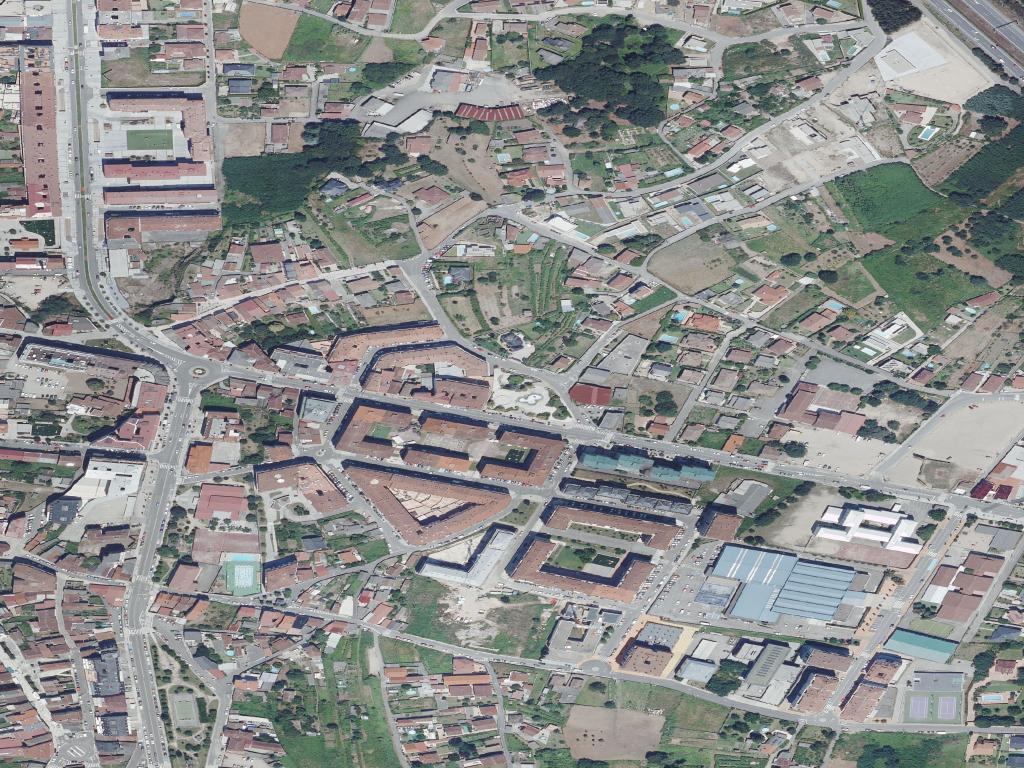
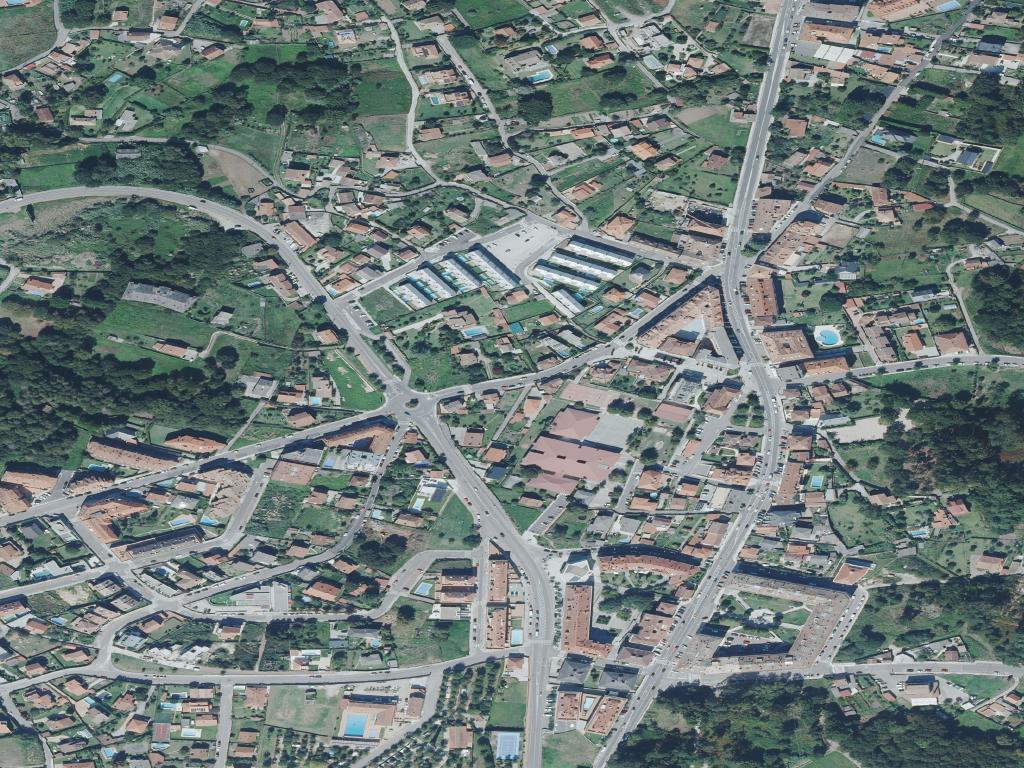
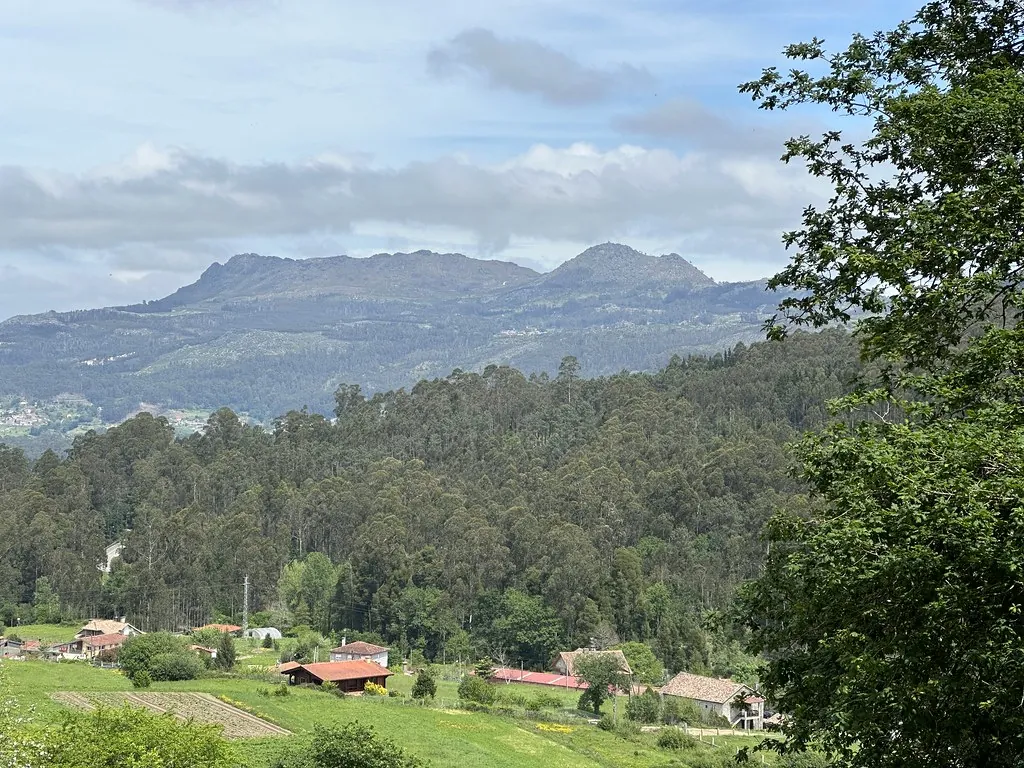
Many guides focus only on the urban core, but Redondela is a municipality that extends beyond it. Several parishes spread between the interior and the coast, each moving at its own pace.
One of the best-known celebrations is the Festa da Coca, linked to Corpus Christi. It includes a traditional sword dance and a dragon figure that recalls a local legend. The character Xan Carallás also appears, a popular figure who, according to tradition, founded the town.
Redondela is not polished at every corner. Some areas are more haphazard in their layout, parking in the centre can be tricky and there are afternoons when the streets seem almost paused. That, too, forms part of how life unfolds here.
Is It Worth the Stop?
Whether Redondela is worth a visit depends on expectations.
Those picturing a Galician town of immaculate stone façades and flowers on every balcony may find it does not quite fit that image. But for travellers interested in seeing a place where the ría, the railway and the Camino de Santiago intersect in everyday life, stopping here makes sense.
A simple plan works well: a walk through the centre, a look up at the viaducts, time spent by the water facing San Simón. Nothing overly choreographed, just an hour or two paying attention to how trains, tides and travellers share the same space.