Full Article
about Salceda de Caselas
Ocultar artículo Leer artículo completo
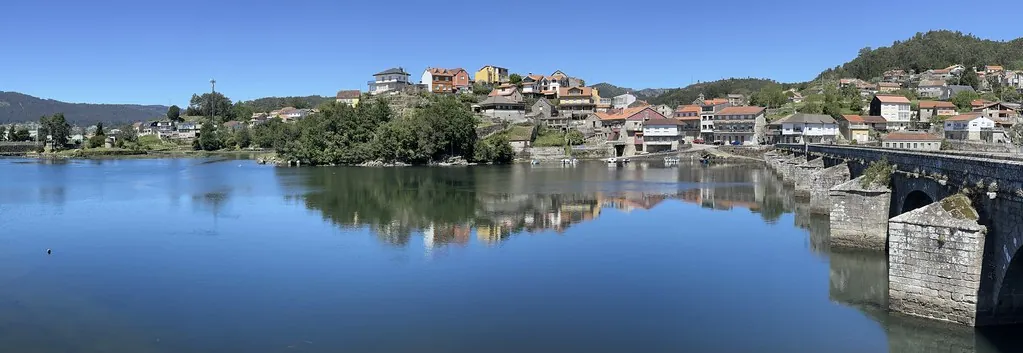
The PO-410 slices straight through Salceda de Caselas, so the village doesn’t so much “arrive” as materialise: a scatter of stone houses, a petrol station, a church whose bells compete with the rumble of refrigerated lorries heading for Vigo. Most travellers meet it at knee-height, sitting on the albergue steps nursing blistered feet and a €1.20 café con leche from the Chinese-run bar. That first impression—functional, slightly drowsy, half-shut—is accurate, but it isn’t the whole story. Stay longer than the average pilgrim’s twenty-minute loo-and-lunch stop and the place begins to show its other rhythm: tractors at dawn, bread vans honking, grandmothers sweeping doorways while talking to the neighbour three metres away without raising their voices.
A ribbon, not a square
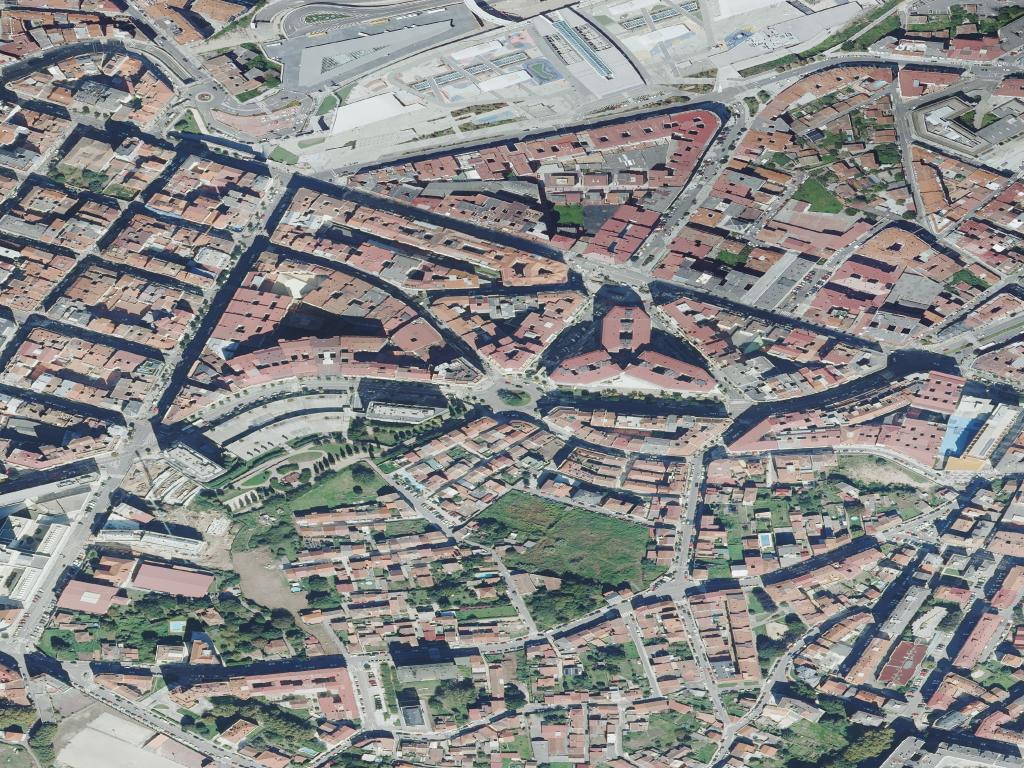
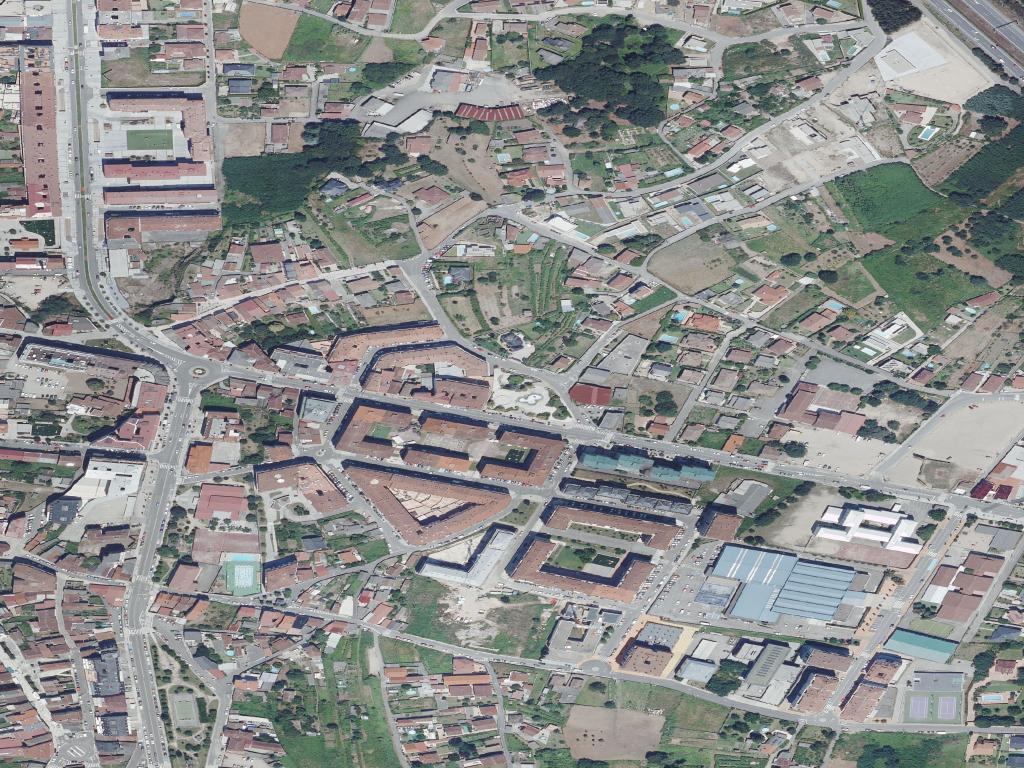
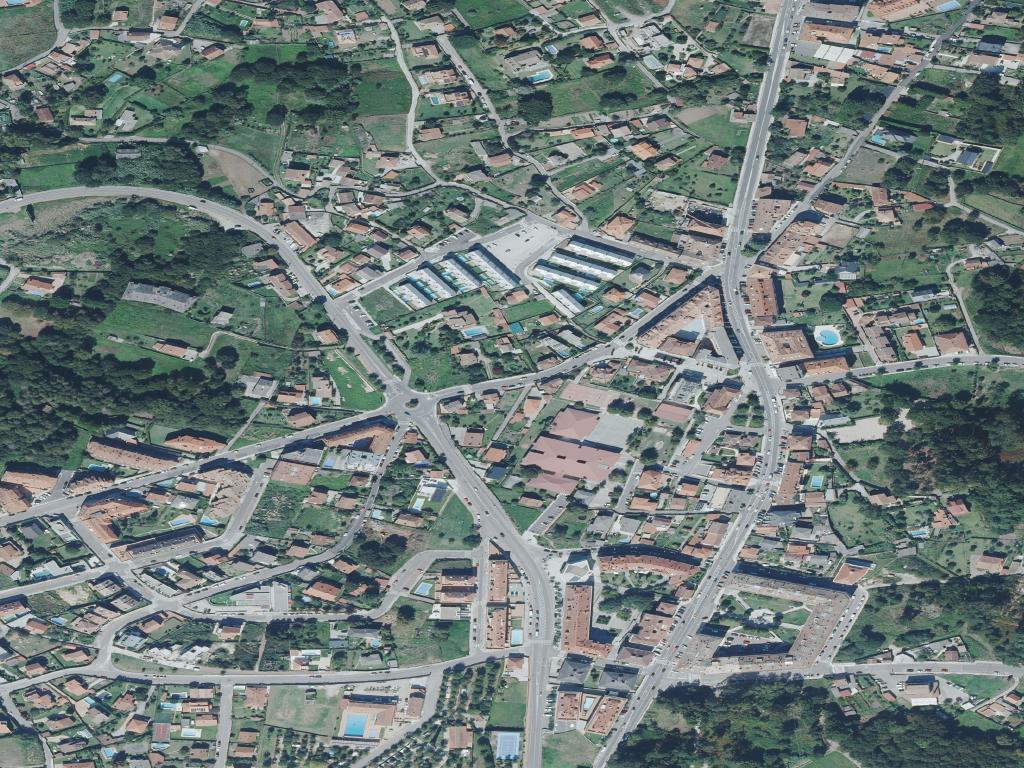
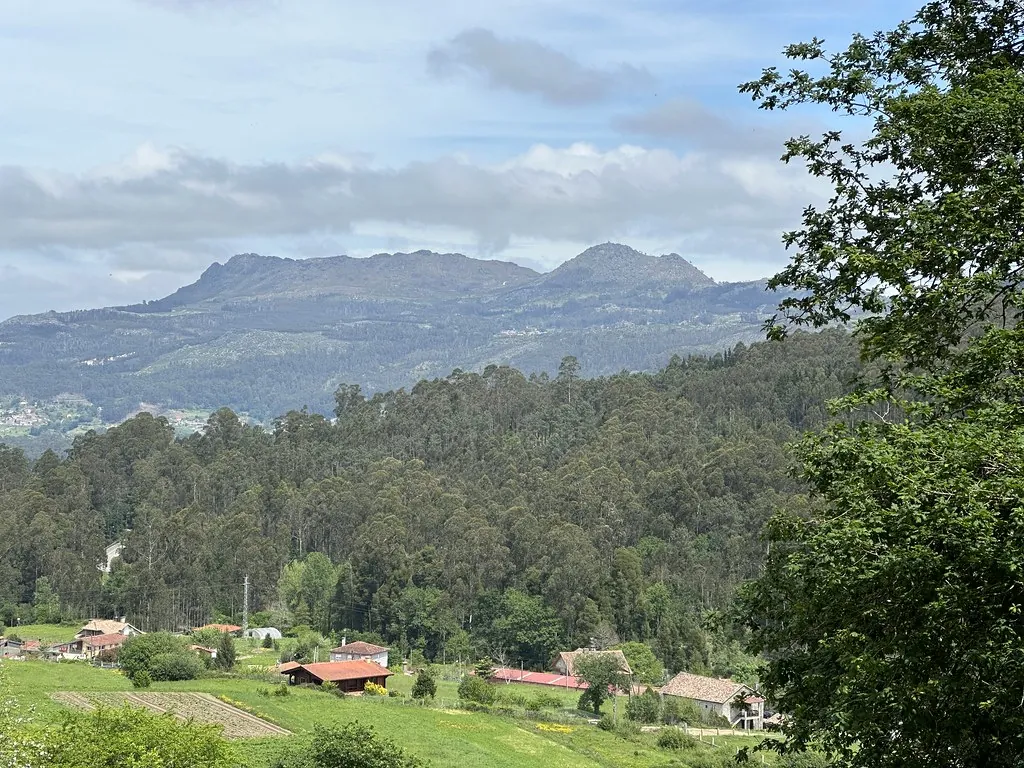
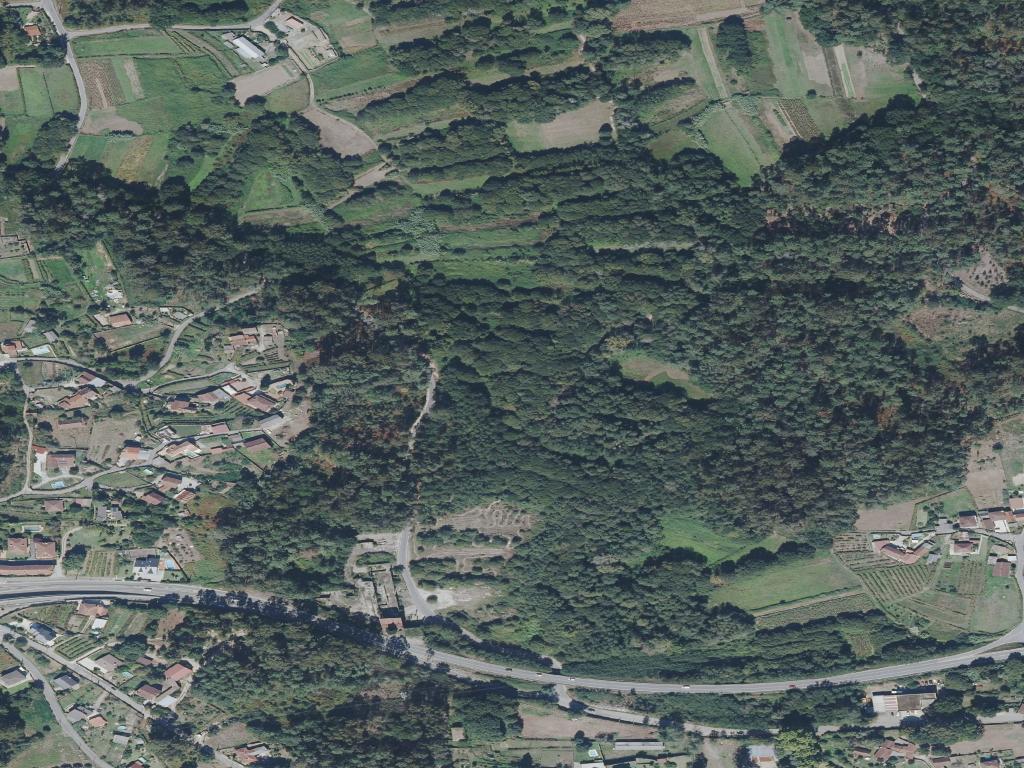
Forget the plaza mayor. Salceda stretches five kilometres along the road, thin as a shoelace, with hamlets called A Pousa, A Igrexa and O Outeiro threaded onto it like beads. The only real focal point is the small rectangle of paving outside the fifteenth-century church of San Xián; even that doubles as a coach turning-circle on Sundays. Walk fifty paces in any direction and you’re back among corn plots, eucalyptus hedges and the low granite walls that Galicians build instead of fences. It’s countryside with houses in it rather than a town with fields around the edge, which is why the municipal tourist board struggles: there’s nothing to “enter”, no ticket booth, no viewpoint. You simply start walking and see how far the tarmac turns to dirt before you turn round.
What the Camino doesn’t notice
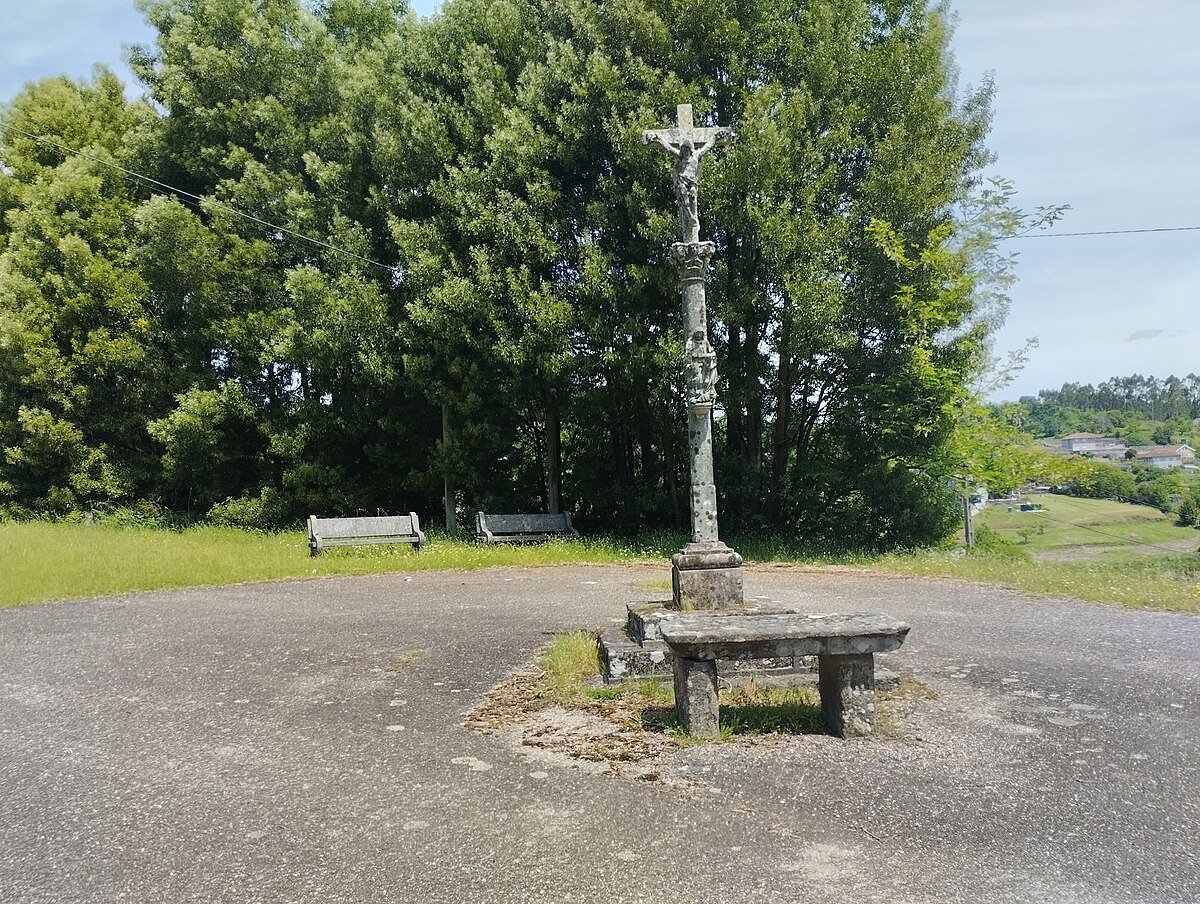
The Camino Portugués enters from the south-west on a gravel track so gentle that walkers busy congratulating themselves barely notice the village proper. They refill water at the stone fountain, photograph the iron scallop-shell motif bolted to the albergue wall, and march on towards O Porriño’s industrial estates. Missed in the process: a cruceiro carved in 1783 whose sandstone Christ has had his nose weathered smooth; an hórreo raised on mushroom-shaped stilts to foil rats; the tiny ethnographic museum (open mornings, free, ring the bell at number 17) where a retired carpenter will show you hand-forged sickles and explain how maize arrived in Galicia via Portuguese traders. None of it is stupendous, yet the accumulation of ordinary detail—laundry slapping under a wash-house spout, the smell of newly sawn pine from a backyard carpentry shop—gives a clearer picture of rural life than any curated “heritage centre”.
Eating: pork, seafood, repeat
Options are slim but telling. A Calustra, opposite the health centre, serves the set lunch pilgrims dream of: thick white plates, bread in a plastic basket, half a bottle of house wine included. Order the lomo asado and you’ll get grilled pork loin edged with paprika, proper chips, and a lettuce heart dressed with nothing more than olive oil and salt. They’ll happily halve the ration if you ask, useful when you’re walking 25 km the next day. Locals treat it as their canteen, so the television stays on and the waitress calls everyone “miño”. Ten minutes up the road, A Regueira Gastro tries harder: white tablecloths, wine list with Rías Baixas albariños at €22, and a tasting menu that can be flipped to all-seafood if you phone ahead. It’s half the price of an equivalent meal in Santiago and the chef speaks enough English to explain why the vieira arrives in its own shell with a wafer of tetilla cheese melted on top. Between the two extremes, the Chinese bar does toasted sandwiches and sells emergency ponchos for €3.50 when the rain starts sideways.
When the church bell means thunder
Galician weather is a pocket-sized myth: sun in front of the house, drizzle at the back. Salceda sits 180 m above sea level, far enough from the Atlantic to avoid sea fret but not far enough to escape the bajón—that sudden temperature drop at 4 p.m. when clouds spill over the Minho hills. Spring and autumn are the comfortable windows: camellias in March, chestnut markets in October, green so saturated it looks almost black on north-facing slopes. July and August turn the verges dusty and bring weekend traffic from Vigo; walkers start at 6 a.m. to dodge both heat and heavy lorries. Winter is wet rather than cold—thermometers rarely dip below 4 °C—but the farm tracks become chocolate pudding and the albergue’s clothes-drier is the only one for miles, so beds fill with damp boots and philosophical pilgrims.
Moving on (or turning round)
Public transport is the weak link. Monbus runs four services a day to Vigo (35 min, €2.55) and twice daily to Ponteareas, but the stop is a metal pole on the main road with no printed timetable. Trains haven’t stopped here since 1982; the nearest station is O Porriño, 12 km away, reached by taxi for a flat €18. If you’re car-less and want to see the outlying hamlets, prepare for shanks’s pony or sweet-talk the bread-van driver. Those with wheels can loop south on the CP-060 towards the Minho vineyards, or north to the fortress at Tui in fifteen minutes—close enough for a cathedral fix before lunch back in Salceda where parking is still free and nobody charges by the hour.
The honest verdict
Salceda de Caselas will never make anyone’s “Top Ten Galician Villages” because it refuses to perform. There is no mirador, no artisan cheese shop, no medieval fair. What it offers instead is continuity: bread delivered to doorsteps, maize plots hoed by hand, an evening congregation of men in flat caps discussing football results beside the cash machine that still runs out of €20 notes every Saturday. Treat it as a comma in a longer sentence—somewhere to slow the pulse between coast and city—and it makes perfect sense. Treat it as a destination and you’ll be counting cars within an hour. The choice, like the village, is low-key and entirely yours.