Hiking Villages in Balearic Islands

20 villages · 369 - 40,502 inhabitants · Nature 82/100

Hiking Villages in Balearic Islands: key facts

  • 20 villages total
  • Llucmajor (40,502 inh.)
  • Ciutadella de Menorca (32,431 inh.)
  • Maó-Mahón (30,666 inh.)
  • 11 on the coast

The Balearic Islands, beyond their famed coastline, offer a wealth of inland hiking opportunities centred around distinct villages. Twenty municipalities fall into this category, with an average population of 9,478 inhabitants and altitudes ranging from 24 to 258 metres. These settlements provide access to diverse landscapes, from the rugged Serra de Tramuntana to the agricultural plains of Mallorca and the more gentle terrain of Menorca. Consider Llucmajor, in the Migjorn comarca of Mallorca, with a population exceeding 40,000, offering trails leading to sites like Capocorb Vell, a remarkably preserved Talayotic settlement. On Menorca, Ciutadella de Menorca, with a population of over 32,000 and an altitude of 24m, presents coastal walks and access to the Naveta des Tudons, the Balearic's most iconic prehistoric monument. These villages are not merely starting points for hikes; they are integral to the cultural fabric of the islands, each with its own traditions and culinary specialities.
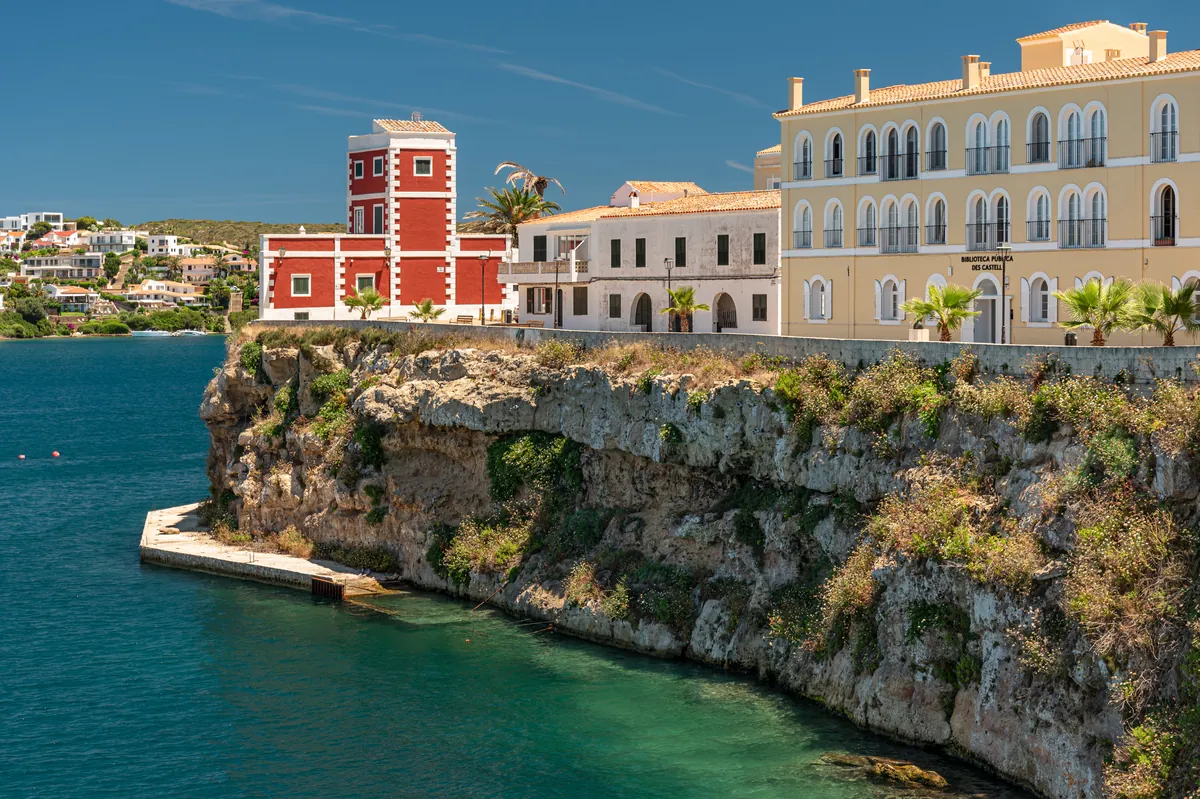
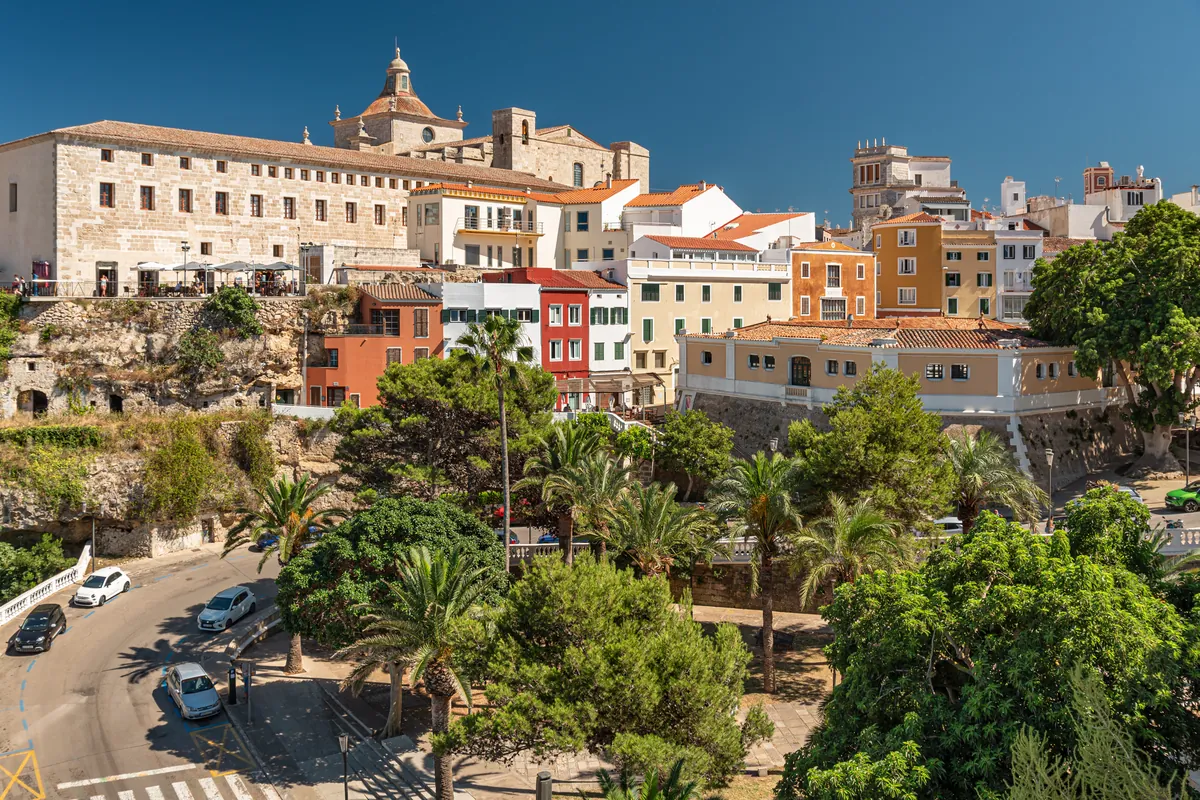
20 villages to explore

About this region

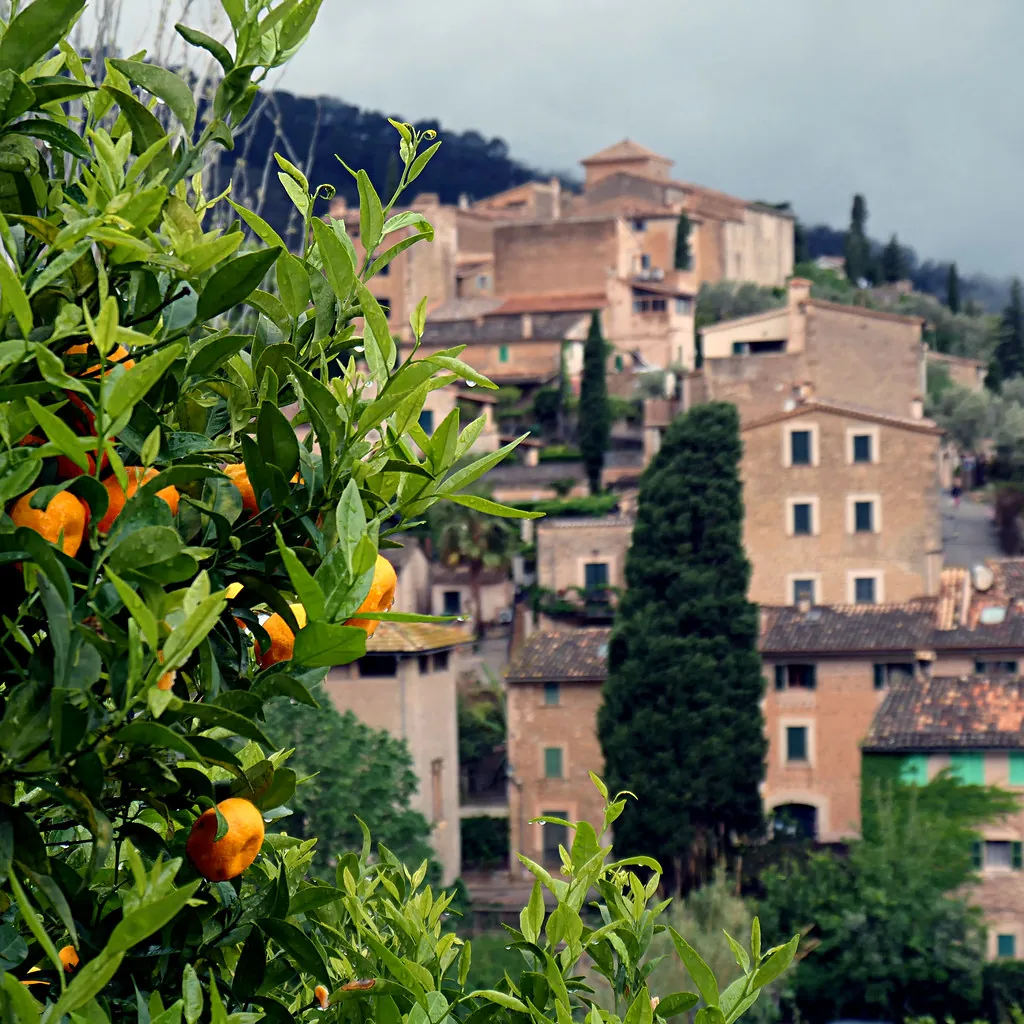
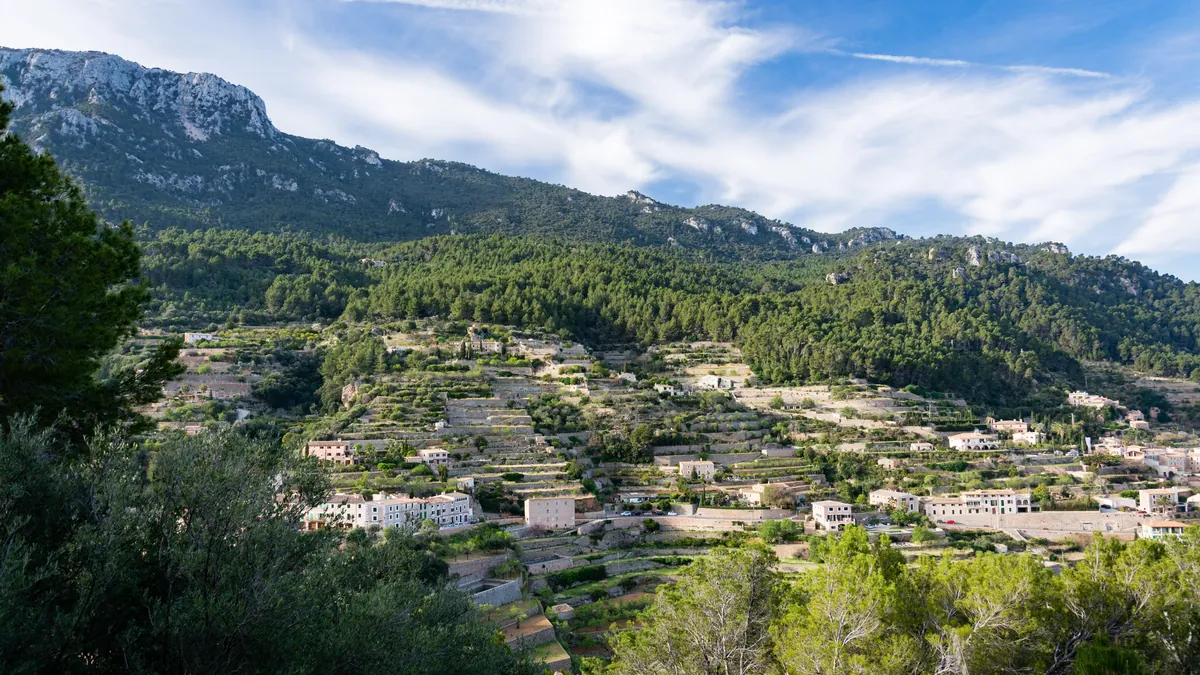
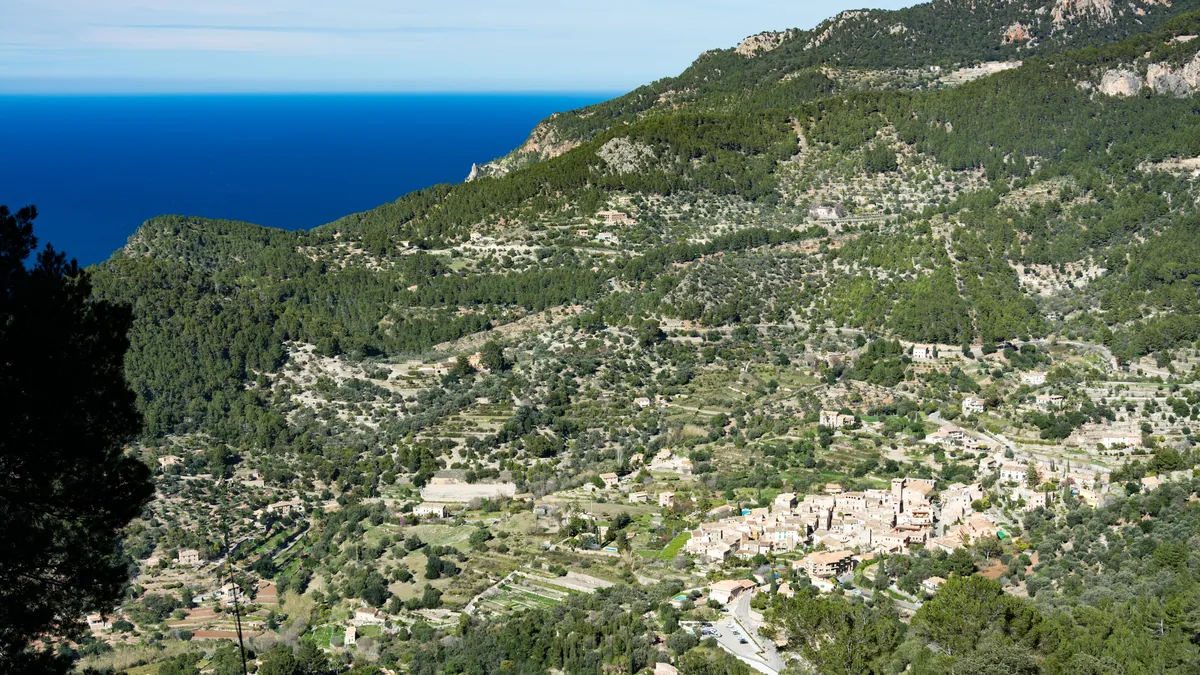
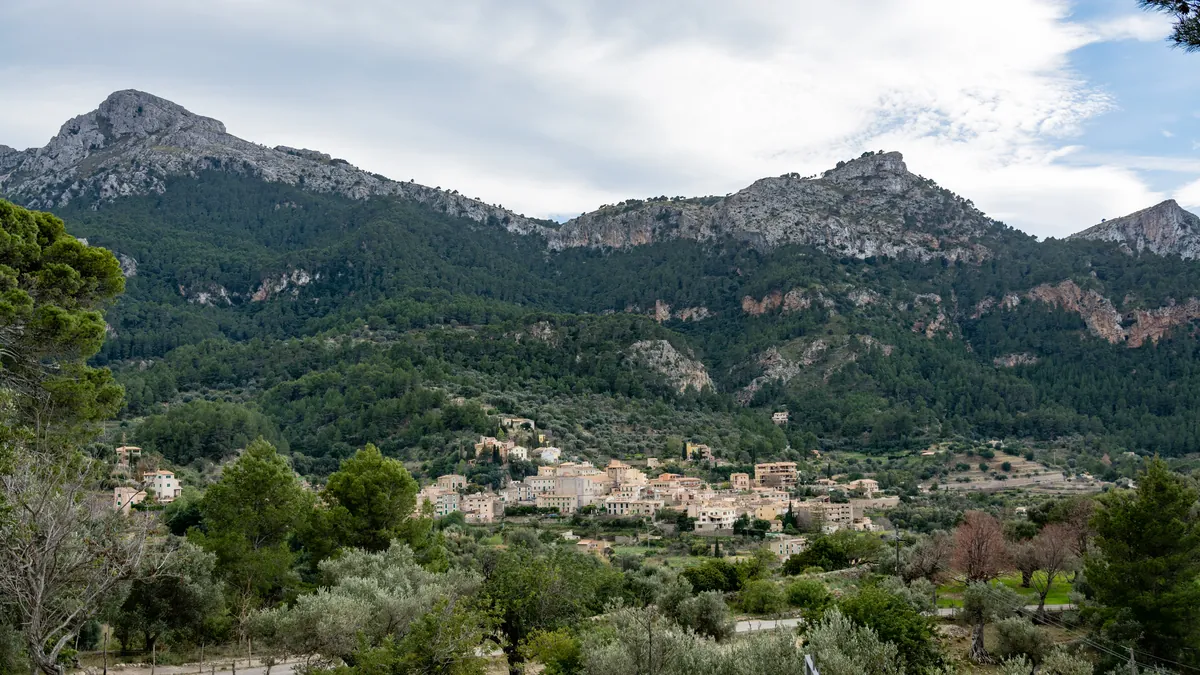
Exploring the hiking villages of the Balearic Islands reveals a diverse tapestry of landscapes and traditions. The Serra de Tramuntana, a UNESCO World Heritage Site, dominates the northwest coast of Mallorca, offering challenging climbs and panoramic views. Sóller, located within this comarca, is accessible via a historic wooden train that traverses the mountain range. Here, the local cuisine is defined by the valley's citrus groves, with orange ice cream a particular speciality. In contrast, the Llevant region of Mallorca, home to Sant Llorenç des Cardassar, presents a flatter landscape dotted with natural reserves, such as the Castillo de sa Punta de n'Amer, offering coastal vistas. Moving to Menorca, the comarca showcases a gentler terrain, ideal for less strenuous hikes. Maó-Mahón, the island's capital, boasts a significant natural harbour and the impressive Fortaleza de la Mola, a 19th-century military engineering marvel. Ciutadella de Menorca, on the western coast, offers coastal paths and access to the Naveta des Tudons. The culinary landscape across the islands is equally varied, from the sobrassada of Llucmajor to the caldereta de langosta, a lobster stew, popular in Menorca's portside restaurants.