Hiking Villages in Basque Country

155 villages · 103 - 260,699 inhabitants · Gastronomy 75/100

Hiking Villages in Basque Country: key facts

  • 155 villages total
  • Gasteiz (Vitoria) (260,699 inh.)
  • Donostia (San Sebastián) (189,866 inh.)
  • Irun (63,835 inh.)
  • Altitude range: 0 – 975 m

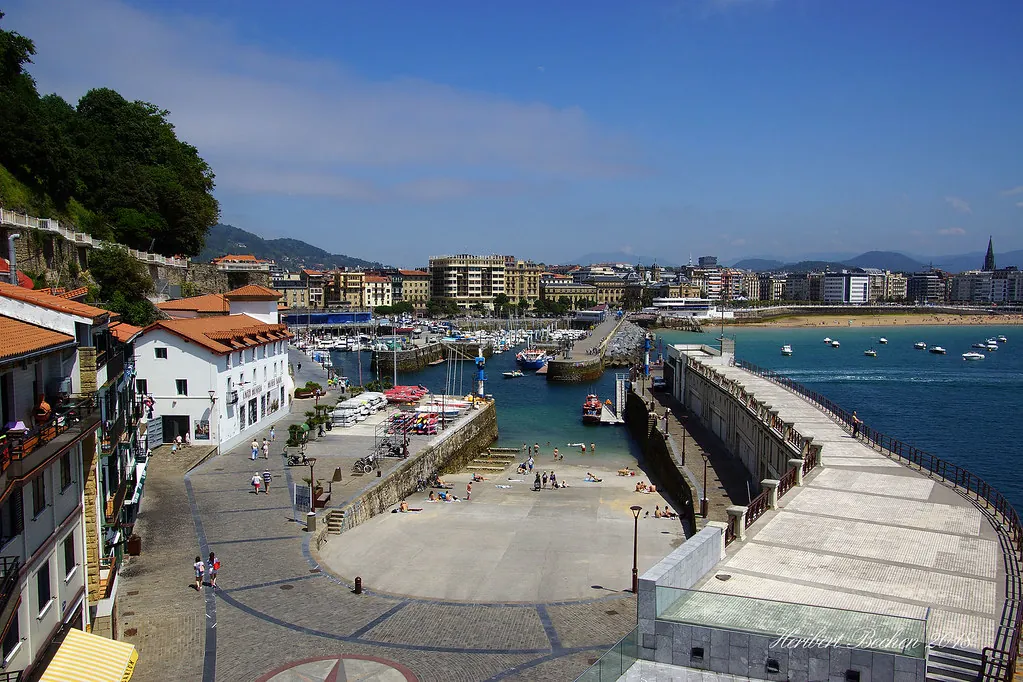
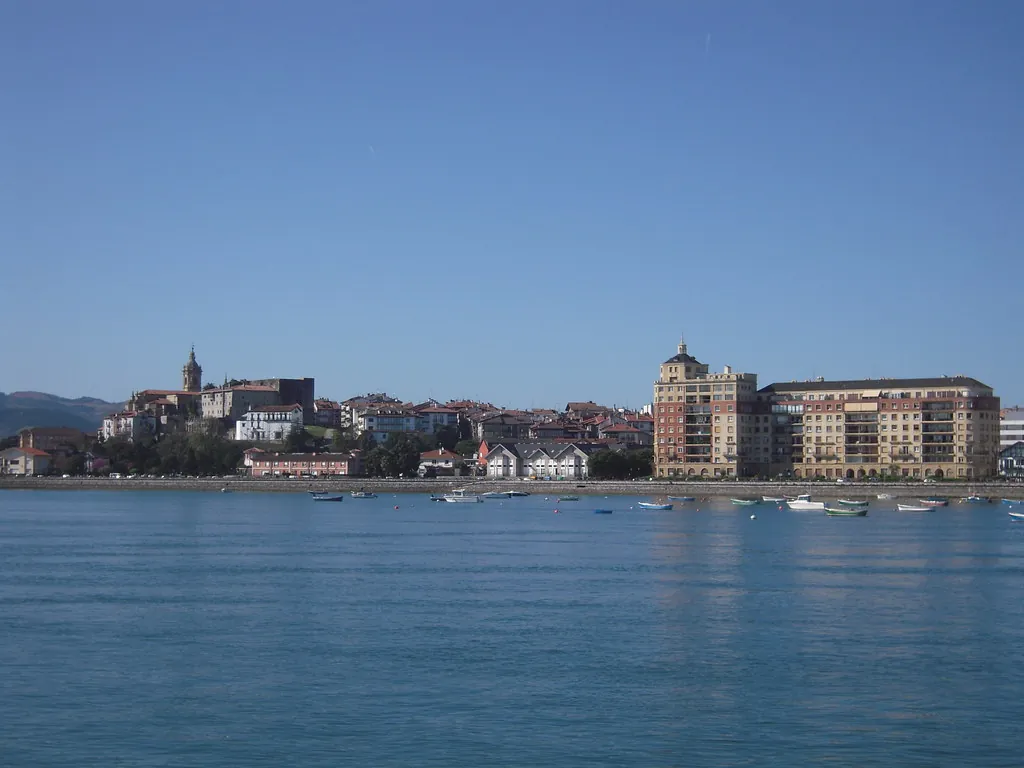
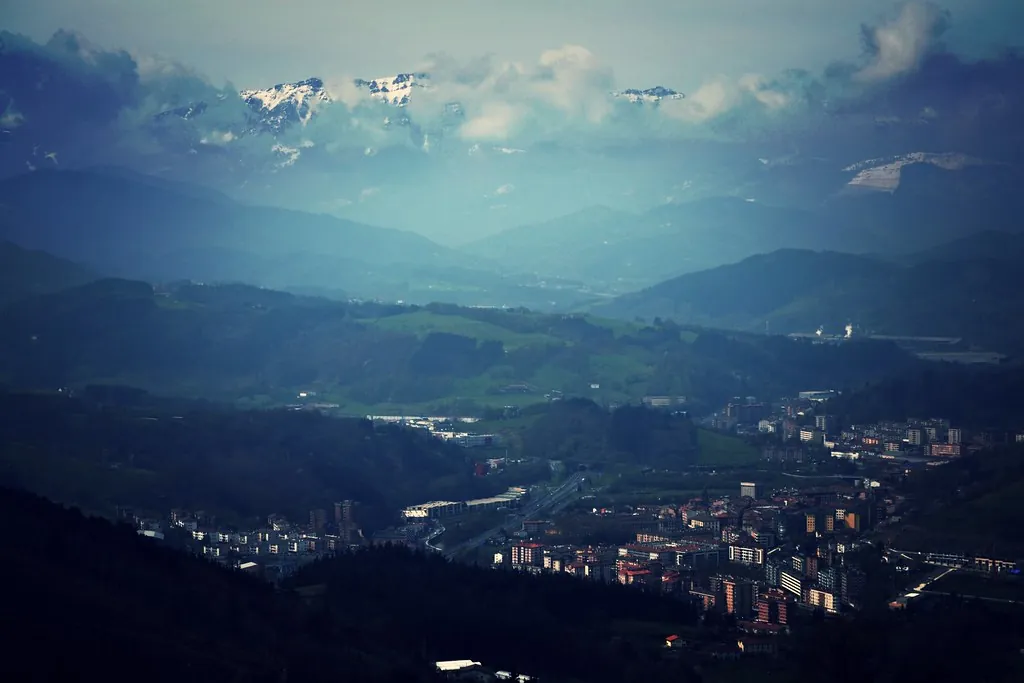
The Basque Country, straddling the border between Spain and France, offers a wealth of opportunities for hikers. This region, known locally as Euskadi, boasts a diverse landscape ranging from coastal paths to mountainous terrain. Within the Spanish portion, 155 municipalities are classified as 'hiking villages', each offering unique access to the natural environment. The average population of these villages is 6395, providing a sense of community and local culture often absent in larger urban centres. Altitudes vary considerably, from sea level to 975 metres, influencing both the scenery and the difficulty of trails. For example, the coastal city of Donostia (San Sebastián), with a population of 189,866 and an altitude of 6 metres, offers stunning bay views from Monte Urgull, while inland, villages near Eibar (population 27,484, altitude 121m) provide access to trails through the Debabarrena comarca. Even larger cities like Gasteiz (Vitoria), the capital, (population 260,699, altitude 525m) are surrounded by hiking routes.

155 villages to explore

Gasteiz (Vitoria)
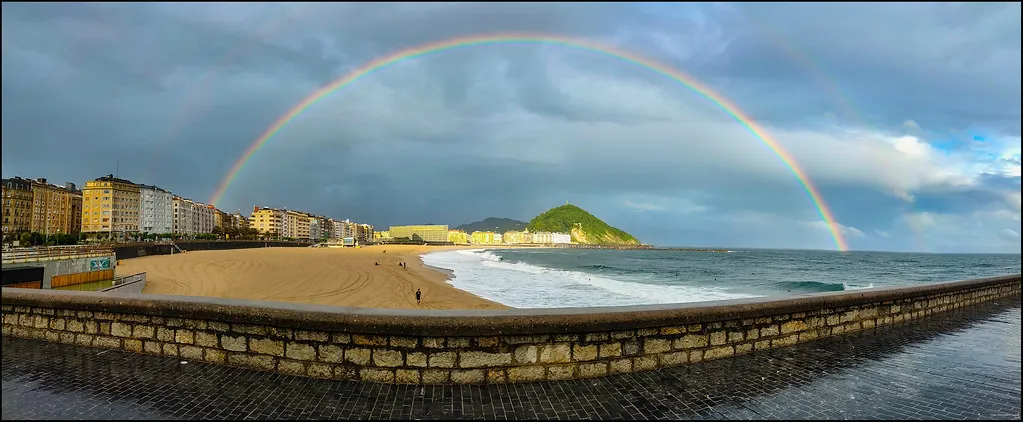
Cuadrilla de Vitoria-Gasteiz · 260,699 hab.
Donostia (San Sebastián)

Donostia (San Sebastián)
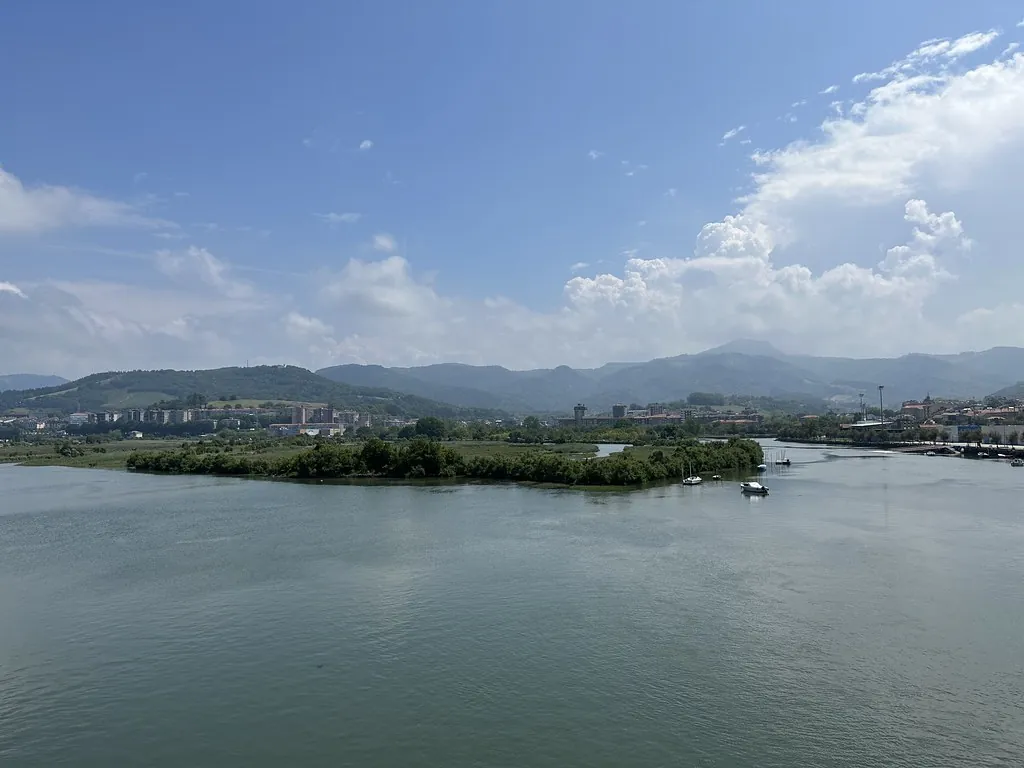
Donostialdea · 189,866 hab.
Donostia (San Sebastián)

Donostia (San Sebastián)

Donostialdea · 189,866 hab.
Irun

Irun

Bidasoa · 63,835 hab.
Irun

Irun

Bidasoa · 63,835 hab.
Irun

Irun

Bidasoa · 63,835 hab.
Irun

Irun

Bidasoa · 63,835 hab.

Eibar

Debabarrena · 27,484 hab.

Galdakao (Galdácano)

Gran Bilbao · 24,776 hab.

Arrasate (Mondragón)

Debagoiena · 22,450 hab.

Tolosa

Tolosaldea · 20,070 hab.

Laudio (Llodio)

Cuadrilla de Ayala · 18,077 hab.

Azpeitia

Urola Kosta · 15,301 hab.

Bergara (Vergara)

Debagoiena · 14,404 hab.
Beasain

Beasain

Goierri · 14,048 hab.

Etxebarri (Echévarri)

Gran Bilbao · 12,038 hab.

Arrigorriaga

Gran Bilbao · 11,939 hab.

Trapagaran (Valle de Trápaga)

Gran Bilbao · 11,797 hab.

Valle de Trápaga/Trapagaran

Gran Bilbao · 11,797 hab.

Azkoitia (Azcoitia)

Urola Kosta · 11,774 hab.

Elgoibar

Debabarrena · 11,705 hab.

Oñati (Oñate)

Debagoiena · 11,480 hab.

Ordizia (Villafranca de Ordizia)

Goierri · 10,815 hab.

Oiartzun (Oyarzun)

Donostialdea · 10,480 hab.

Amurrio

Cuadrilla de Ayala · 10,364 hab.

Zumarraga

Urola Kosta · 9,678 hab.

Legazpi (Legazpia)

Urola Kosta · 8,384 hab.

Astigarraga

Donostialdea · 7,812 hab.

Aretxabaleta (Arechavaleta)

Debagoiena · 7,178 hab.

Urretxu (Villarreal de Urrechua)

Urola Kosta · 6,730 hab.

Usurbil

Donostialdea · 6,488 hab.

Urnieta

Donostialdea · 6,327 hab.

Lazkao (Lazcano)

Goierri · 6,087 hab.

Villabona-Amasa (Villabona)

Tolosaldea · 5,900 hab.

Agurain (Salvatierra)

Cuadrilla de Salvatierra · 5,189 hab.

Urduña (Orduña)

Arratia-Nervión · 4,247 hab.

Ugao (Miravalles)

Arratia-Nervión · 4,213 hab.

Ibarra

Tolosaldea · 4,114 hab.

Zestoa (Cestona)

Urola Kosta · 3,933 hab.

Soraluze (Placencia de las Armas)

Debabarrena · 3,857 hab.

Iruña Oka (Iruña de Oca)

Cuadrilla de Vitoria-Gasteiz · 3,704 hab.

Lemoa (Lemona)

Arratia-Nervión · 3,614 hab.

Alonsotegi (Alonsótegui)

Gran Bilbao · 2,991 hab.

Zizurkil (Cizúrquil)

Tolosaldea · 2,976 hab.

Aiara (Ayala)

Cuadrilla de Ayala · 2,921 hab.

Sopuerta

Encartaciones · 2,820 hab.

Karrantza (Valle de Carranza)

Encartaciones · 2,715 hab.

Orozko (Orozco)

Arratia-Nervión · 2,666 hab.

About this region

Exploring the hiking villages of the Basque Country reveals a tapestry of cultural and geographical diversity. The region is divided into comarcas, each with its own distinct character. The Cuadrilla de Vitoria-Gasteiz, for instance, surrounds the capital city, Gasteiz (Vitoria), where visitors can combine urban exploration with hikes in the nearby hills. Donostia (San Sebastián), in the Donostialdea comarca, offers coastal hikes along La Concha bay, renowned as one of Europe's most beautiful. The city's Casco Viejo is also famed for its concentration of Michelin-starred restaurants. Further east, Irun, in the Bidasoa comarca, marks the point where the Camino de Santiago enters Spain; hikers can follow sections of this historic pilgrimage route. The town's culinary scene is defined by Txuleta, a grilled steak, served in the old town's restaurants. Inland, Eibar, situated in the Debabarrena comarca, showcases the region's industrial heritage alongside hiking trails. The Iglesia de San Andrés, dating back to the 16th century, is a notable landmark. Galdakao (Galdácano), within the Gran Bilbao comarca, provides access to trails closer to the Bilbao metropolitan area, offering a blend of traditional Basque architecture and modern amenities. The Iglesia de Santa María is a key architectural landmark. The average altitude of these hiking villages is 6395m, but the terrain varies greatly. Local gastronomy is a key part of the experience, with pintxos (Basque tapas) available in most bars and restaurants.