Hiking Villages in Catalonia

316 villages · 28 - 57,855 inhabitants · Nature 78/100

Hiking Villages in Catalonia: key facts

  • 316 villages total
  • Cerdanyola del Vallès (57,855 inh.)
  • Mieres (36,373 inh.)
  • Olesa de Montserrat (24,272 inh.)
  • Altitude range: 4 – 1,444 m

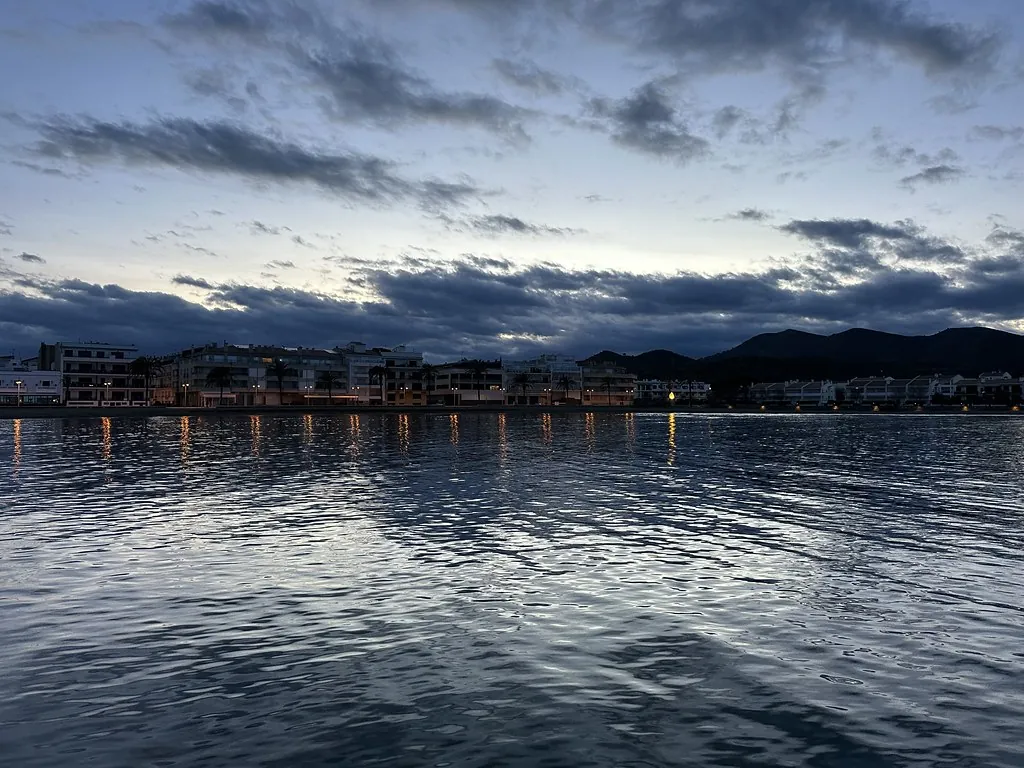
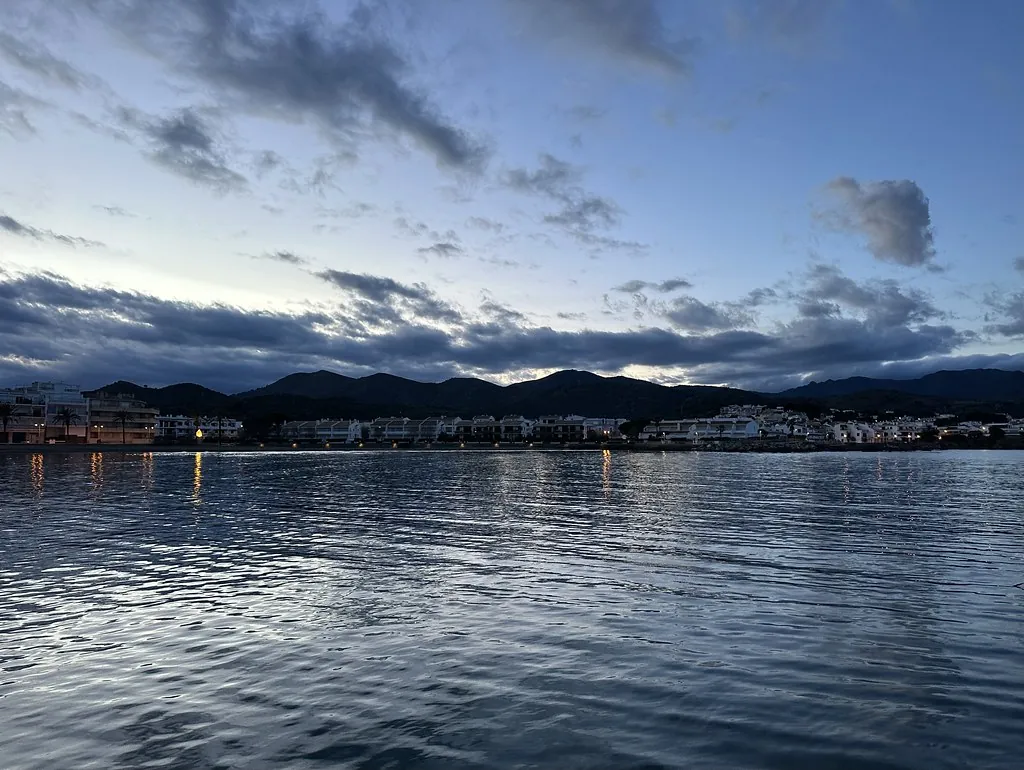
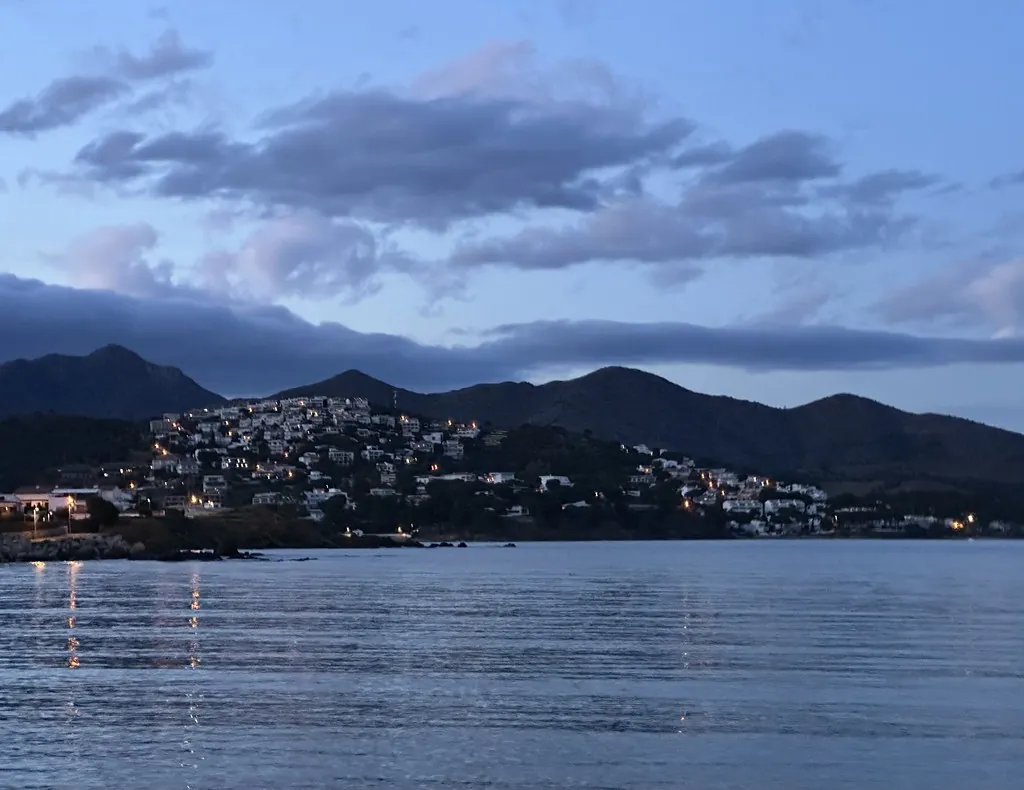
Catalonia offers a diverse landscape for hiking enthusiasts, with 316 municipalities categorised as 'hiking villages'. These locations, averaging a population of 2,171, are scattered across the region, from coastal areas to the foothills of the Pyrenees. The altitude range varies considerably, from a mere 4 metres above sea level to peaks reaching 1,444 metres. This provides a wide array of hiking experiences, catering to different skill levels and preferences. For example, Cerdanyola del Vallès, in the Vallès Occidental comarca, sits at 82 metres and offers trails around the Poblado Ibérico de Ca n'Oliver, a well-preserved Iberian settlement. Meanwhile, Olesa de Montserrat, in Baix Llobregat, presents hiking opportunities combined with cultural immersion, being famous for La Pasión de Olesa, a centuries-old theatrical performance. These villages provide not only access to natural beauty but also a glimpse into Catalonia's rich cultural heritage and culinary traditions.

316 villages to explore

Cerdanyola del Vallès
Vallès Occidental · 57,855 hab.
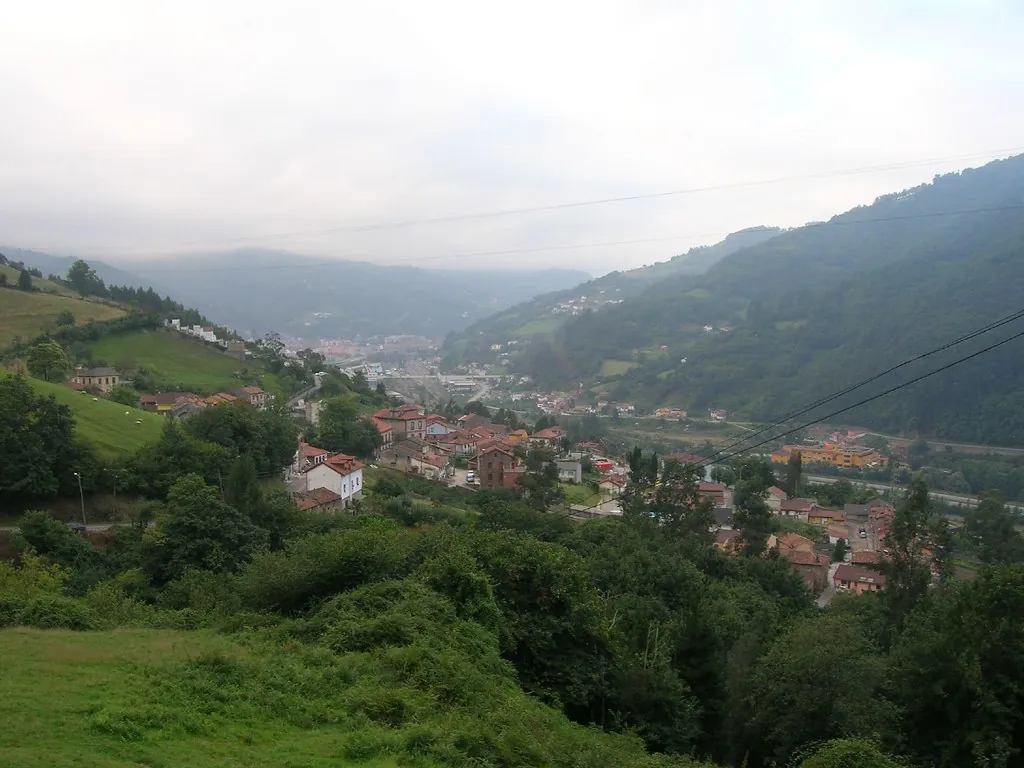
Mieres

Mieres

Caudal · 36,373 hab.
Mieres

Mieres

Caudal · 36,373 hab.

Olesa de Montserrat

Baix Llobregat · 24,272 hab.
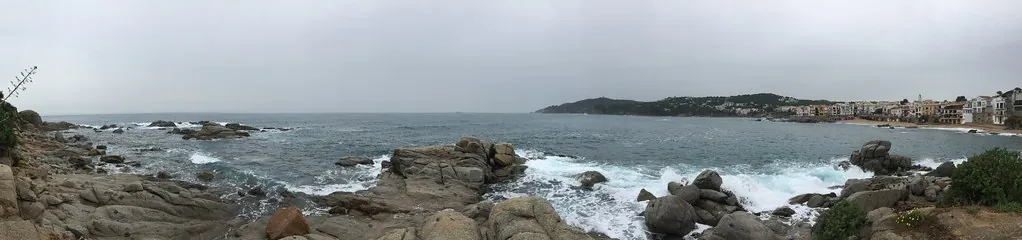
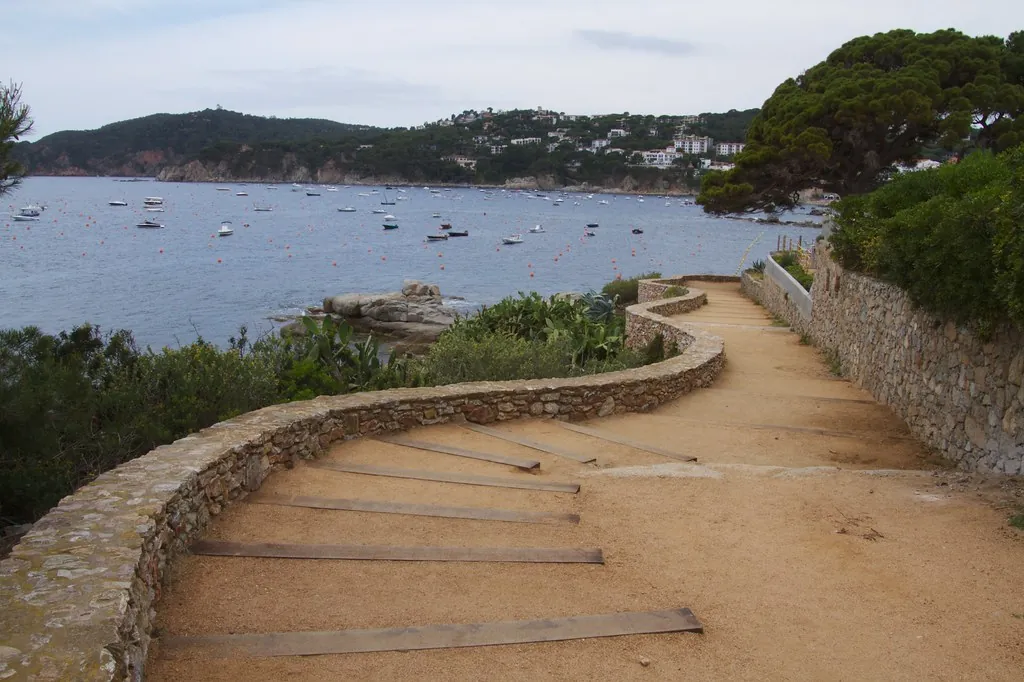
Palafrugell

Palafrugell

Baix Empordà · 23,848 hab.
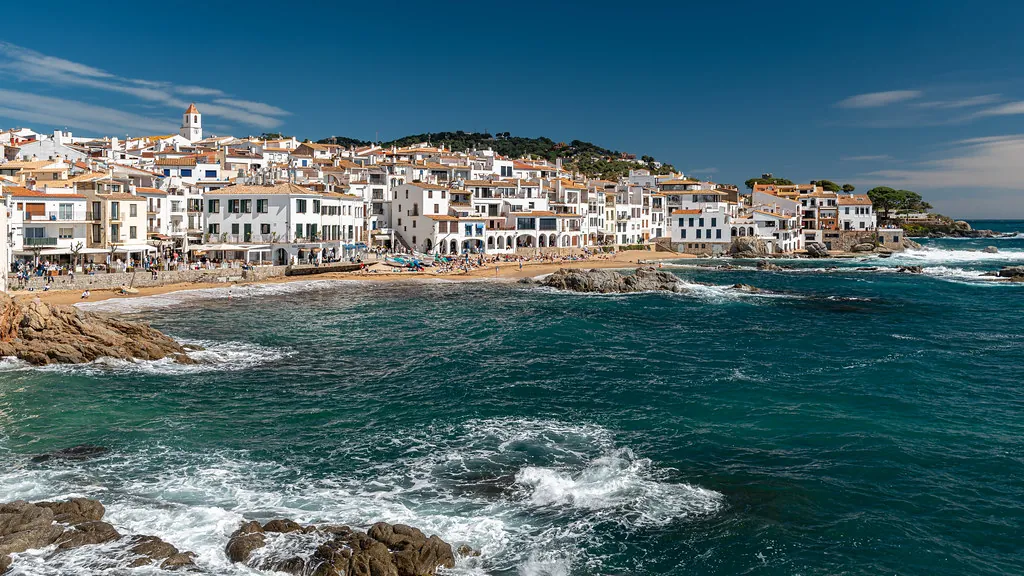
Palafrugell

Palafrugell

Baix Empordà · 23,848 hab.
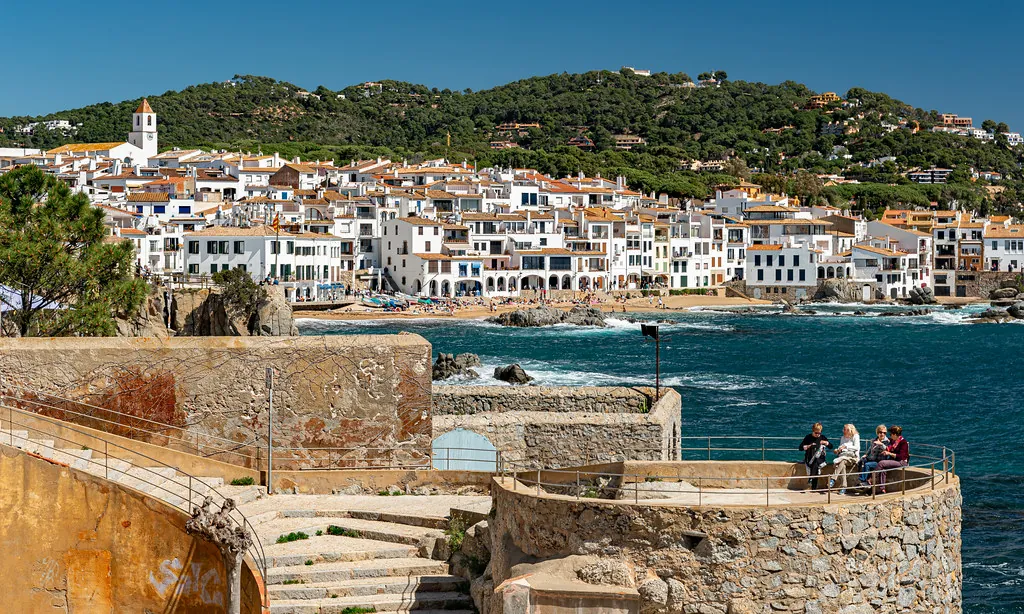
Palafrugell

Palafrugell

Baix Empordà · 23,848 hab.
Palafrugell

Palafrugell

Baix Empordà · 23,848 hab.

Sant Just Desvern

Baix Llobregat · 19,806 hab.

Cardedeu

Vallès Oriental · 18,785 hab.

Tordera

Maresme · 18,022 hab.
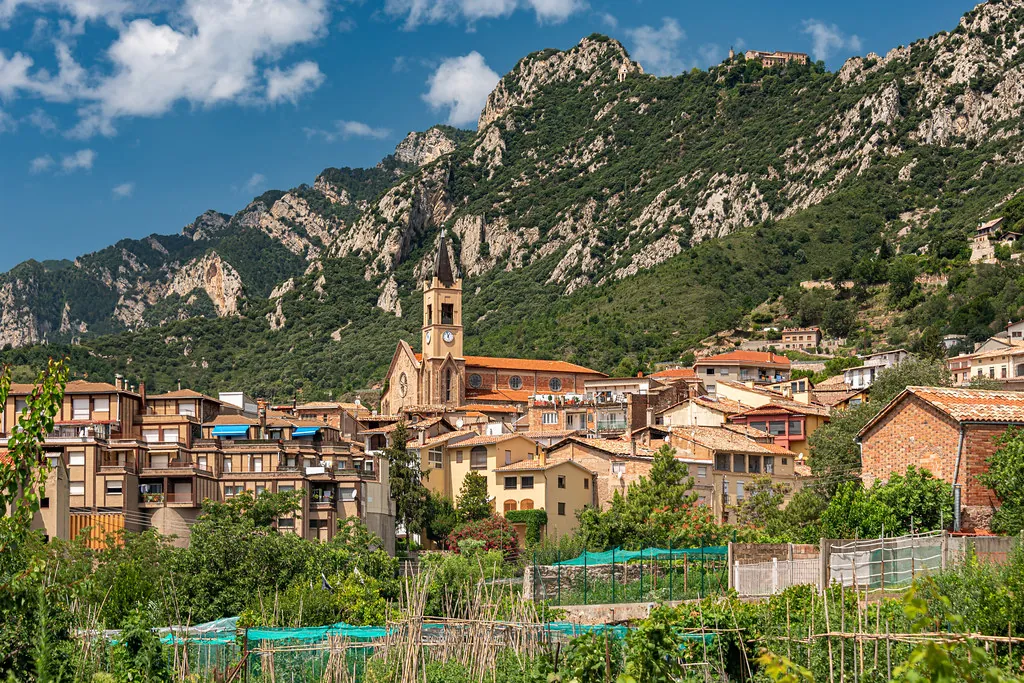
Berga

Berga

Berguedà · 16,762 hab.

Santa Coloma de Farners

Selva · 13,634 hab.

La Seu d'Urgell

Alt Urgell · 12,568 hab.

Castell-Platja d'Aro

Baix Empordà · 12,566 hab.

Ripoll

Ripollès · 10,731 hab.

Premià de Dalt

Maresme · 10,400 hab.

Llinars del Vallès

Vallès Oriental · 10,205 hab.

El Molar

Cuenca del Medio Jarama · 9,999 hab.

Bigues i Riells del Fai

Vallès Oriental · 9,757 hab.

Matadepera

Vallès Occidental · 9,752 hab.

Sentmenat

Vallès Occidental · 9,417 hab.

Solsona

Solsonès · 9,166 hab.

Tiana

Maresme · 9,110 hab.

L'Ametlla del Vallès

Vallès Oriental · 9,020 hab.

Roquetes

Baix Ebre · 8,193 hab.

Centelles

Osona · 7,641 hab.
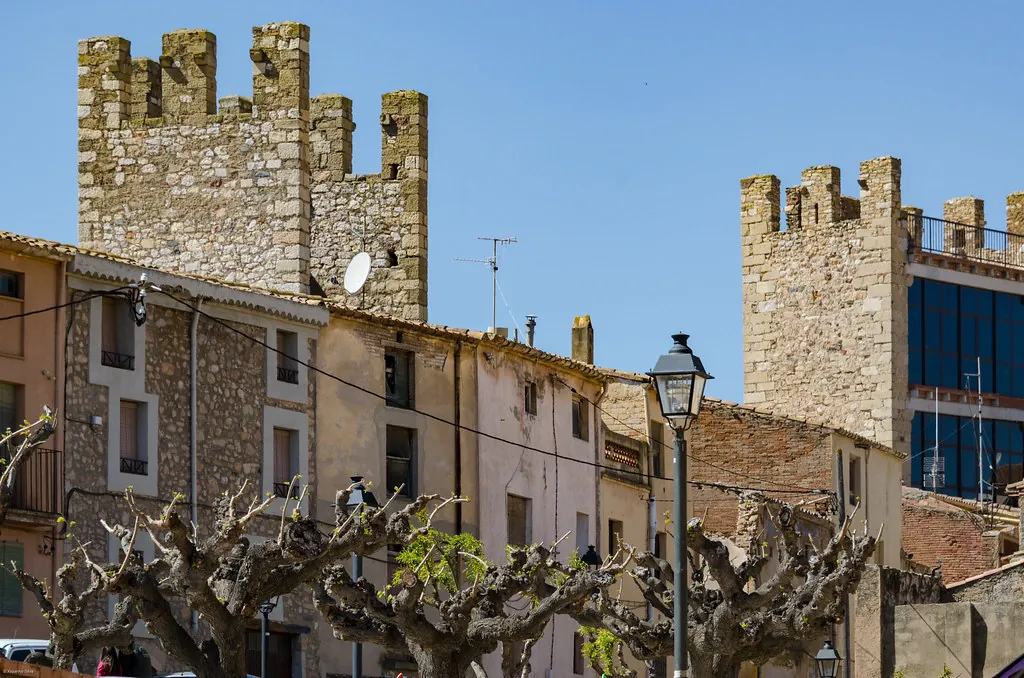
Montblanc

Montblanc

Conca de Barberà · 7,456 hab.

L'Ametlla de Mar

Baix Ebre · 7,325 hab.

Begues

Baix Llobregat · 7,300 hab.

Taradell

Osona · 6,699 hab.

Sils

Selva · 6,624 hab.

Roda de Ter

Osona · 6,555 hab.

Arbúcies

Selva · 6,531 hab.

Sant Antoni de Vilamajor

Vallès Oriental · 6,483 hab.

Torrelles de Llobregat

Baix Llobregat · 6,186 hab.

Sant Hilari Sacalm

Selva · 5,913 hab.

Vielha e Mijaran

Val d'Aran · 5,765 hab.

La Sénia

Montsià · 5,623 hab.

Alcover

Alt Camp · 5,278 hab.
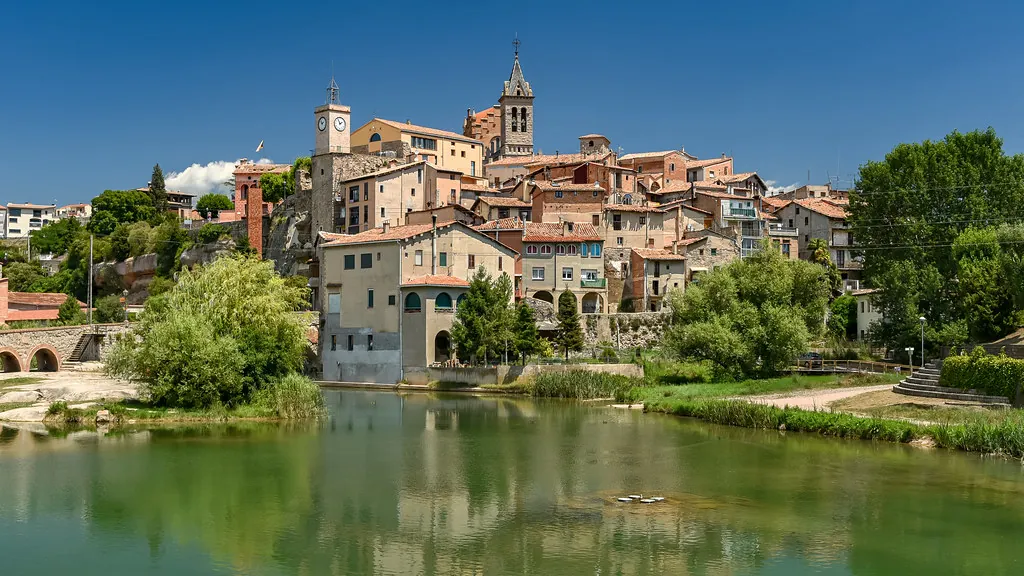
Gironella

Gironella

Berguedà · 4,940 hab.
Gironella

Gironella

Berguedà · 4,940 hab.
Gironella

Gironella

Berguedà · 4,940 hab.
Llançà

Llançà

Alt Empordà · 4,839 hab.
Llançà

Llançà

Alt Empordà · 4,839 hab.
Llançà

Llançà

Alt Empordà · 4,839 hab.
Llançà

Llançà

Alt Empordà · 4,839 hab.
Llançà

Llançà

Alt Empordà · 4,839 hab.

About this region

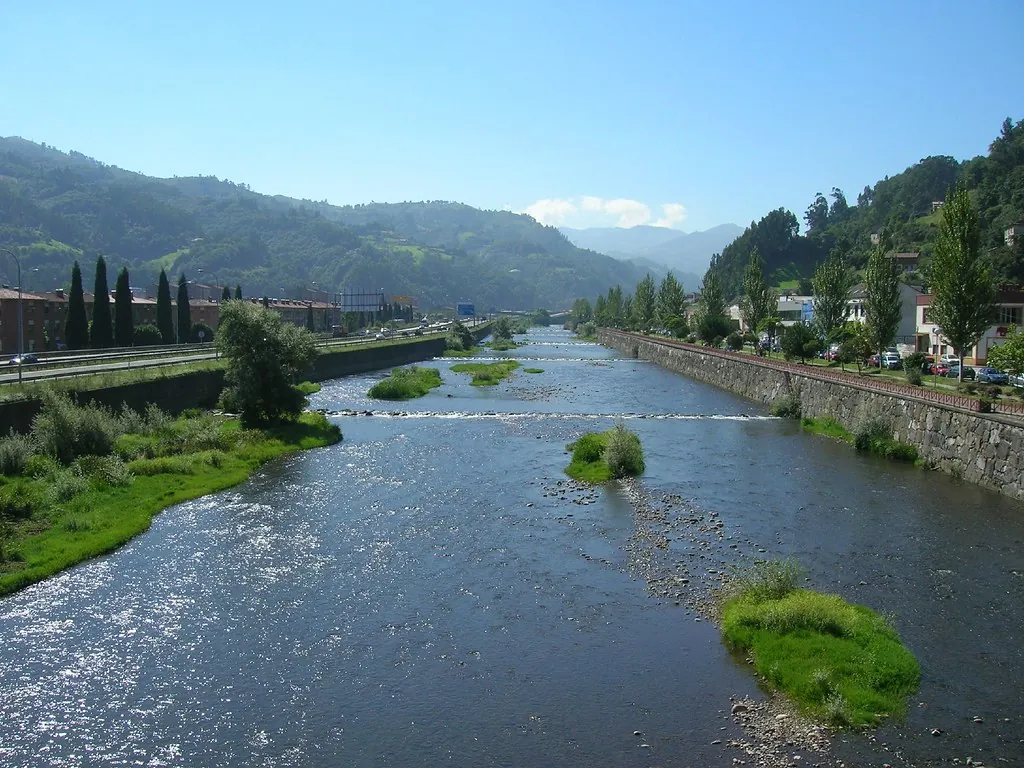
Catalonia's hiking villages offer a diverse experience, shaped by the region's varied geography and cultural traditions. The Baix Llobregat comarca, for instance, is home to Sant Just Desvern, where hikers can explore trails near the iconic Walden 7 building, designed by Ricardo Bofill, and then sample traditional Catalan cuisine in the historic centre. Further north, in the Baix Empordà, Palafrugell provides coastal hiking routes, with rewarding views from the Faro de Sant Sebastià overlooking the Costa Brava, followed by the opportunity to savour a Suquet de Peix in Calella de Palafrugell. Inland, the Vallès Occidental comarca offers a different hiking experience. Cerdanyola del Vallès provides access to the Collserola park, with trails leading to the Poblado Ibérico de Ca n'Oliver, where hikers can learn about the region's Iberian past. During the colder months, hikers can enjoy the local gastronomy, with Calçots served in the masías around Collserola. While not in Catalonia, the nearby mining town of Mieres in Asturias, offers a glimpse into Spain's industrial past. The Poblado minero de Bustiello showcases 19th-century industrial paternalism, and the local chigres serve Cachopo minero and sidra natural. Each village presents a unique blend of natural beauty, cultural heritage, and culinary delights, making Catalonia a compelling destination for hiking enthusiasts.