Full Article
about Alfaro
Stork city, home to the world’s largest colony on a single building; rich in Baroque heritage.
Hide article Read full article
Alfaro, donde las cigüeñas mandan
Alfaro es de esos sitios por los que pasas en coche, camino a Logroño, y ni te planteas salir de la carretera. Lo he hecho yo mismo docenas de veces. Hasta que un día paramos a echar gasolina y, mientras esperaba en la cola, miré hacia arriba. El cielo se movía. No eran nubes, eran cigüeñas. Cientos. Y su ruido, ese traqueteo de picos, sonaba como si alguien estuviera sacudiendo una caja de palillos de madera sobre el tejado de la iglesia. Ahí supe que tenía que volver con tiempo.
Un aeropuerto para cigüeñas
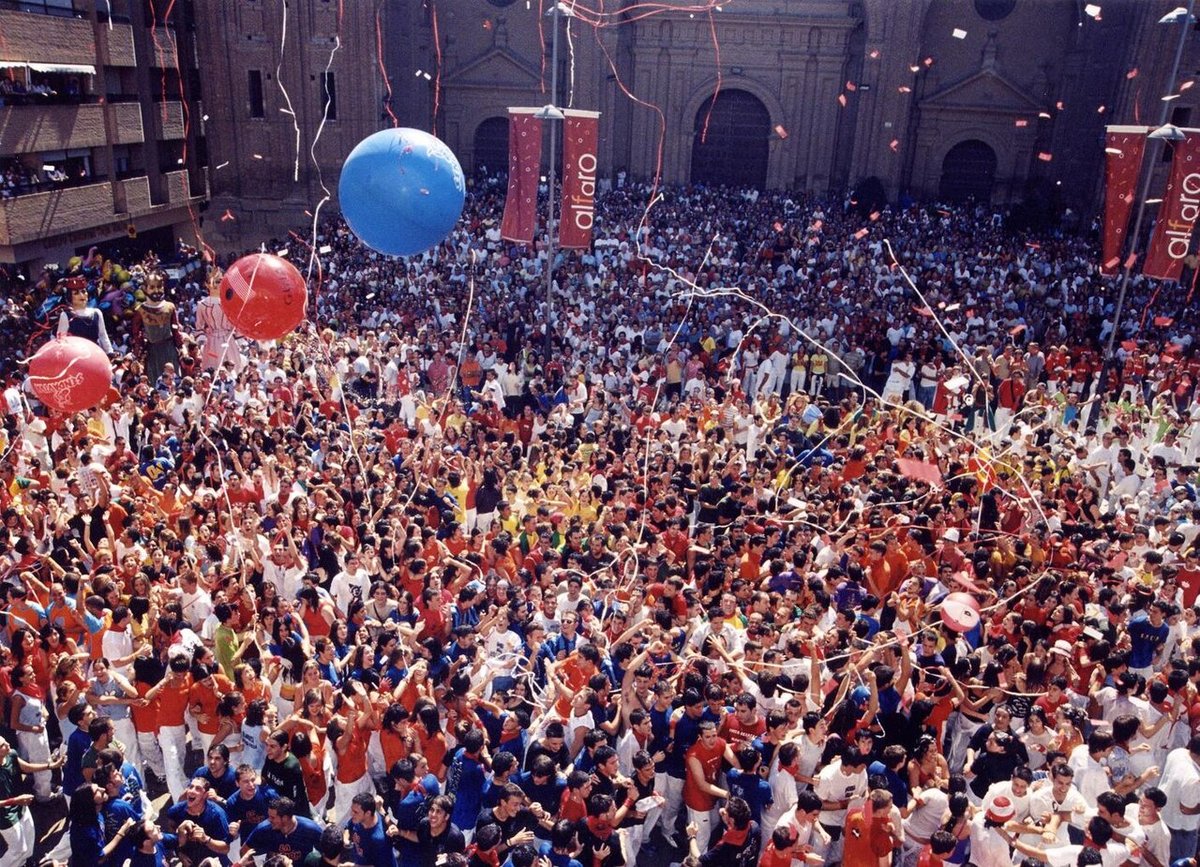
Olvídate del monumento estrella. En Alfaro, lo primero que ves es la Colegiata de San Miguel, pero lo que importa está encima. La colegiata es grande, demasiado grande para el pueblo, y está hecha de un ladrillo rojizo que parece sacado de una fortaleza. Pero sus torres no son solo torres: son un bloque de pisos para aves.
Las cigüeñas llevan décadas instaladas aquí. Sus nidos, amasijos gigantes de ramas, tapan aleros y campanarios. Los ves llegar y salir constantemente, planeando sobre las casas con esa elegancia desgarbada que tienen. Los vecinos viven con el espectáculo como quien vive con el ruido del tráfico: ya ni lo notan.
Para verlo en plan general, sube a La Plana. Es una cuesta suave a las afueras. Desde arriba se entiende todo: el pueblo aplastado contra la llanura, el Ebro allá a lo lejos, y ese ir y venir incesante sobre las tejas. Al atardecer es cuando se pone más interesante, cuando todas vuelven a casa después del día fuera. Parece la hora punta en una terminal aérea muy peculiar.
Un paseo al revés
Pasear por el centro es como leer una historia empezando por el final. Lo más reciente (la colegiata) te golpea primero. Luego, callejeando sin prisa, van apareciendo las capas viejas.
Dentro de la colegiata hay una cosa que todo el mundo te cuenta: la tumba vertical de José Sáenz de Heredia. Sí, enterrado de pie. La leyenda dice que para mirar eternamente a la casa de su amor imposible. Suena a cuento, pero ahí está, plantado junto a un pilar.
Si buscas huellas más antiguas, quedan restos romanos desperdigados. El ninfeo es lo más visible, una estructura relacionada con el agua que recuerda que aquí estuvo Graccurris, una ciudad importante en su día. No esperes un yacimiento espectacular; son más bien pistas sueltas del pasado.
Y luego está lo raro: la colección de bicicletas en miniatura. Empezó como el hobby de un vecino y ahora son más de mil modelos diminutos expuestos en un local municipal (que abre cuando puede). Es exactamente el tipo de cosa absurda y maravillosa que terminas recordando más que cualquier placa explicativa.
Comer como se ha comido siempre
Aquí no vas a encontrar cocina de vanguardia. Se come contundente y claro. El plato con nombre es el bacalao al ajo arriero, un guiso desmigado con patata y pimiento choricero que parece sencillo hasta que intentas hacerlo en casa y no te sale igual.
Pero donde se vive realmente la tradición es en fechas señaladas. En Jueves Lardero (el jueves antes de Cuaresma) todo el mundo sube a La Plana con la culeca, un bollo dulce con huevo cocido incrustado en la masa. Se va en familia o con amigos, con mantel en el suelo, tortilla y vino. Ver las laderas llenas de gente picoteando ese mismo bollo es entender qué significa aquí eso de "costumbre".
En Semana Santa cambia el dulce: aparecen las torrijas de vino. Son rebanadas empapadas en vino tinto local antes de freírlas. El resultado sabe mitad a postre, mitad a Rioja Baja. Te avisan desde la primera.
Por los sotos del Ebro
Si te sobra tiempo (y debería sobrarte), los alrededores son territorio llano y tranquilo. La Reserva Natural de los Sotos del Ebro está a tiro de piedra. Son varios kilómetros de sendero entre chopos y zonas húmedas donde el río hace lo que le da la gana. Es plano perfecto para andar sin pensar. Con suerte verás garzas o martines pescadores; con mucha suerte quizá una nutria asomando entre los juncos.
Otra ruta corta lleva hasta los restos del acueducto romano. No es gran caminata pero ayuda a entender por qué se asentaron aquí: agua cerca y tierra fértil.
Para los más ambiciosos, Alfaro marca también el inicio del Camino Jacobeo del Ebro. La primera etapa hasta Aldeanueva atraviesa páramos abiertos donde la sombra escasea bastante. Lleva agua si te animas.
La clave: no correr
Alfaro no funciona si vas con lista de cosas tachables. Funciona si te sientas en un banco del paseo de La Florida, mirando cómo pasan las cigüeñas cargadas con ramitas para sus nidos, mientras alguien charla en voz baja en el banco de al lado. No hay prisa. La sensación es esa: la misma que tiene este pueblo desde hace siglos, viendo pasar mercancías, trenes, aves y peregrinos desde su atalaya junto al río. Todo sigue fluyendo, menos él, que se queda quieto observándolo pasar