Full Article
about Brieva de Cameros
Mountain village with a strong livestock and transhumance tradition; it has a museum devoted to the activity.
Hide article Read full article
The dirt path at the edge of Brieva de Cameros disappears into a beech wood. Late afternoon light fractures through the branches, leaving gold pools on the damp ground. Underfoot, the sound is a soft crush of last year’s leaves and the occasional sharp snap of a pine cone. The silence is porous, filled by the distant rush of water and the low rub of treetops in the wind.
A village shaped by altitude
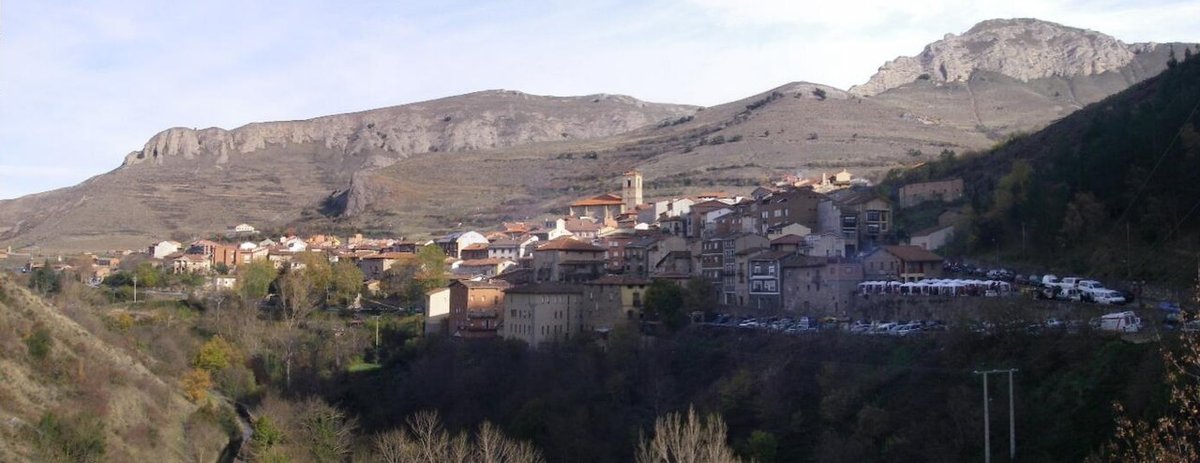
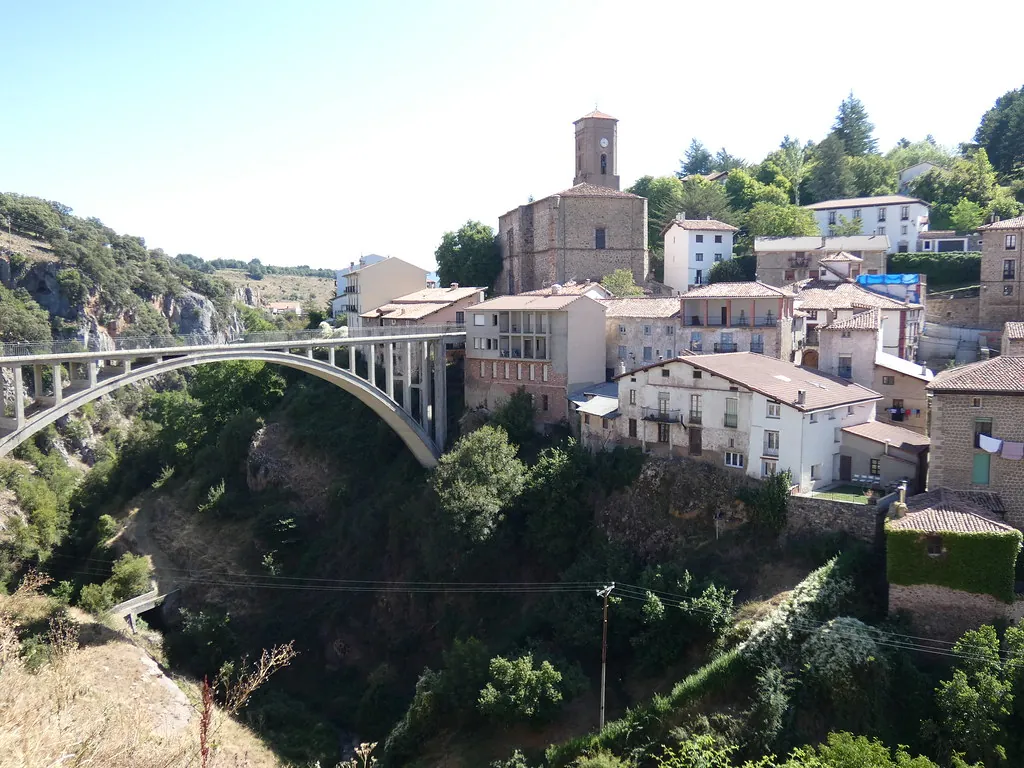
Brieva sits in the Sierra de Cebollera at just over a thousand metres. Thirty-eight people live here. The stone houses cluster tightly, their roofs of worn, reddish tile pitched steep against winter snow. The lanes follow the hillside, rising and falling without a grid’s logic. At the centre is the church of San Millán, its plain stone walls a fixed point. From a slight distance, you see how the buildings lean into each other, a practical architecture shaped by long, cold seasons. Wide doorways speak of old barns, and wood balconies are darkened by decades of weather.
The rhythm of the surrounding land
Past the last house, the land opens into meadows often grazed by cattle before climbing again into woodland. Scots pine dominates, but there are stands of beech and damp hollows where moss carpets every rock in a thick, luminous green. Streams run cold and clear. If you stand still, you might see a roe deer move between the trees or a sudden scatter of birds breaking the quiet. Walking here doesn’t require a grand plan. Any path leading from the village will do. The landscape reveals itself in small shifts: the texture of bark, the chill rising from a stream bed, the way light falls differently in a clearing.
Light and time of day
Mornings often start with mist hanging in the valleys below the village. By midday, the light is sharp and clear on the stone facades. But it’s the late afternoon that defines the place, when the sun slants through the forest and turns the upper meadows a deep gold. This transitional light is brief. In autumn, it illuminates a hillside of yellowing beeches and muted reds. In spring, it catches on new, vivid greens and the constant damp sheen on the paths. For photography, it’s this fleeting quality that matters more than any specific viewpoint.
A note on mushrooms and moisture
There is a local tradition of mushroom gathering in season. It’s a careful practice, dependent on precise conditions of rain and temperature that don’t occur every year. The ground here stays damp for long periods, and the ecosystem is fragile. If you forage, know the regulations and tread lightly. The relationship between people and this woodland is subtle and easily unbalanced.
Practicalities for a visit
The drive from Logroño takes you through Anguiano; after that, the road narrows and begins to climb in earnest through pine forests. The distance isn’t great, but the curves enforce a slower pace. Come prepared for mountain weather: even in summer, a breeze picks up in the evening, and temperatures drop quickly after sunset. In winter, check road conditions if there’s been snow; chains are sometimes necessary. Wear shoes with a firm grip—the paths are often wet or muddy underfoot.
Brieva de Cameros reveals itself through these details: the smell of woodsmoke on cool air, the sound of your steps on an empty lane, the specific quality of mountain light just before it fades. You don’t visit for sights; you come for this slow shift in perception. A short walk is enough to feel it.