Full Article
about Ventrosa
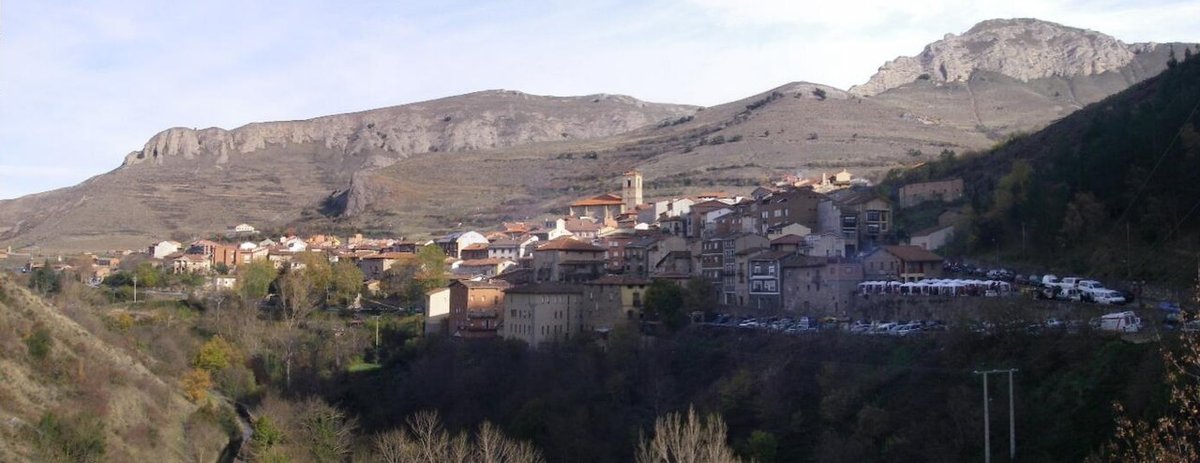
One of the 7 Villas of Alto Najerilla; a livestock village with mountain architecture and a clock in the tower.
Hide article Read full article
The church bell marks seven, and the sound of sheep moving down the main street follows. At 1,050 metres, Ventrosa’s day begins with this rhythm. The village is part of La Rioja’s high country, where the Sierra de la Demanda dictates the terms. The population holds at around forty-eight. They live with winters that can isolate the place and a road from Viniegra de Abajo that turns treacherous with ice.
Walkers on the Camino Francés know this stretch. It is a long climb up from Nájera’s vineyards, a shift from the familiar Rioja into terrain that feels older and more severe. The village albergue opens around Easter. It costs eight euros for a bunk and includes blankets. You only need a sleeping bag if you are particular about your own.
Building for the Mountain
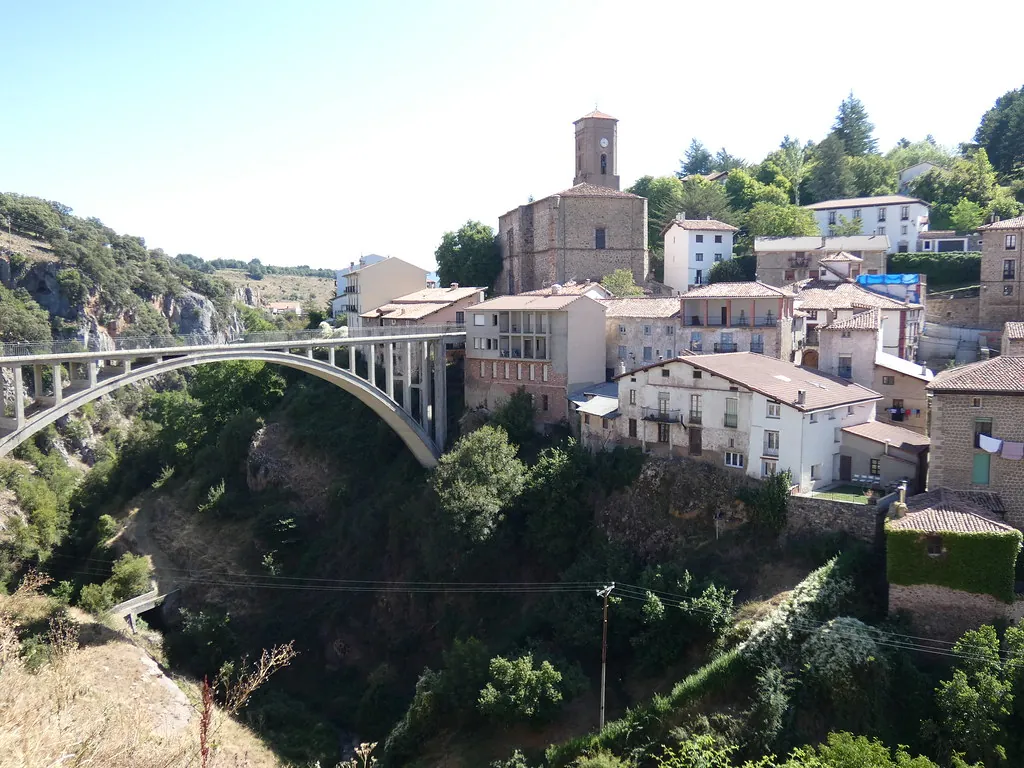
Architecture here is a direct response to the climate. Houses face south, their backs turned to the north wind. Walls are built from local limestone, thick and solid. The wooden galleries on upper floors served for drying firewood or produce, a practical feature born of necessity. The church is late Romanesque, modest in scale, its bell tower built for function.
A slow walk reveals details. Doorways are narrow, ironwork is hand-forged, and the timber balconies show their age. The village smithy closed decades ago; its tools are now in a small municipal room open on Saturday mornings if you inquire. The local bar functions as grocery and social centre. It sells basics: tinned goods, a local cheese from the Cameros region, and bottled wine from nearby Badarán. The cheese is nutty, less sharp than Manchego. It is worth buying for the path ahead.
Paths That Demand Effort
There are no flat walks here. Trails climb steeply or descend just as fast. The track behind the church rises two hundred metres quickly, opening to a view where the Najerilla River becomes a thin line in the valley. On very clear days, the outline of Bilbao’s buildings is visible far to the northwest, but such clarity is rare.
Autumn brings a stark change. Beech woods turn copper and gold. October weekends see an influx of mushroom hunters, a practice that has caused tension with locals protective of their woodlands. If you forage, proper permission is required. The Guardia Civil does patrol and issues fines.
Spring weather is volatile. Hail can give way to sun within hours. The high pastures fill with wild crocus, and shepherds warn of adders on sun-warmed rocks. Summer offers relief from the valley heat, but afternoon storms build with speed. Winter requires respect. Snow can fall above 1,200 metres as early as October. Winter tyres or chains are essential from November onward.
A Meal After the Climb
The restaurant opens at one in the afternoon and serves until the last pilgrim is finished. There is usually a set pilgrim’s menu for twelve euros. It consists of a substantial soup, a simply grilled pork chop, and properly cooked chips. Wine comes in an unmarked bottle; it is often good. A T-bone steak for two can easily feed three. Specify how you want it cooked.
Breakfast is coffee and toast at the bar. They will make a bocadillo with tuna or cheese for the trail. It is plain, functional food. For a proper evening meal, you must wait for the fiesta in mid-August, when families return and kitchens become busy.
Access and Practicalities
The drive from Logroño takes about ninety minutes without delays. After Viniegra de Abajo, the LR-113 becomes a narrow mountain road where passing another vehicle requires patience and sometimes reversing. A weekday bus connects to Viniegra; from there you must book a taxi a day in advance. Most who come are walking the Camino, heading onward to the next village with services six kilometres west.
There is no cash machine or petrol station here. The nearest ATM is in Ventosa, a different village on the way to Santo Domingo de la Calzada. Fill your tank and get cash in Nájera. Mobile signal is unreliable and often disappears above the village fountain. Download your maps before you arrive.
A Place Without Pretence
Ventrosa makes no grand promises. It is a mountain village that has accommodated pilgrims for centuries out of tradition, not tourism. Some days are harsh and grey. Others, when the light falls through the beech woods, explain the stubborn appeal of this difficult landscape.
Come prepared with layers, cash, and realistic expectations. Stay one night if passing through, two if you need the quiet. Then continue on, mindful that in these mountains, the weather always has the final say.