Full Article
about Viniegra de Arriba
High-mountain village with cobbled streets; it keeps the rustic charm of the 7 Villas.
Hide article Read full article
Viniegra de Arriba, en lo alto del Najerilla
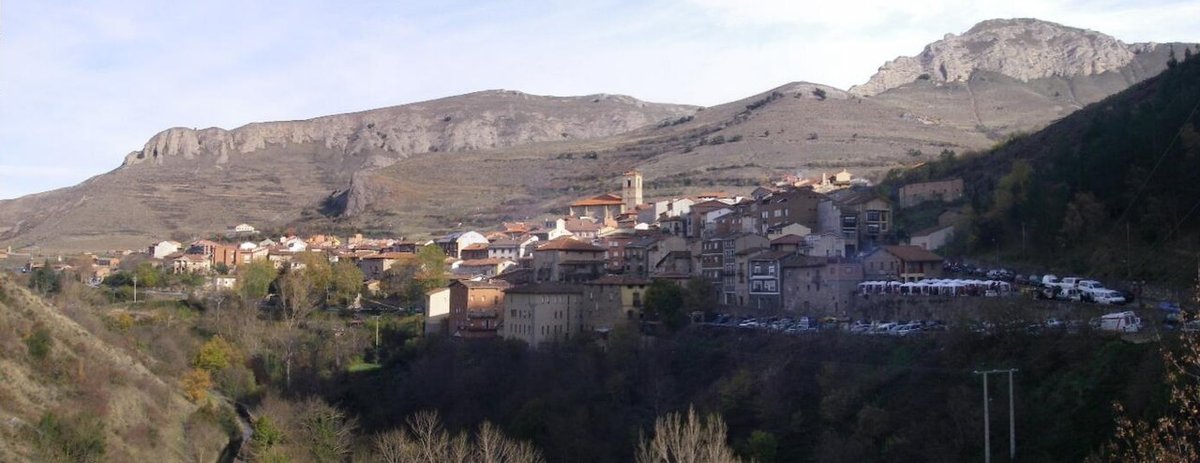
La carretera se estrecha y gana altura después de Anguiano. El valle del Najerilla, ya de por sí encajonado, se cierra aún más hasta llegar a las dos Viniegras. La de Arriba es la última, a 1.180 metros, donde el asfalto termina y la sierra de la Demanda empieza de verdad. Su historia está ligada a la trashumancia; durante siglos, este fue un lugar de paso y pastos para los rebaños que subían en verano. Ese movimiento estacional marcó su economía y, en buena medida, explica su aislamiento. Hoy viven aquí unas cuarenta personas.
Arquitectura de necesidad
El pueblo se adapta a una ladera empinada. No hay plan urbano, sino la necesidad de ganar espacio plano donde poder construir. Las calles son escalonadas, cortas y cambian de nivel constantemente. Las casas utilizan lo que tenían a mano: piedra de la zona para los muros, madera de los bosques cercanos para los entramados y lajas de pizarra para los tejados. Los balcones de madera no son un adorno. Se usaban para secar al aire la matanza o la cosecha del huerto. Todo responde a una lógica práctica, sin concesiones.
La iglesia de San Andrés preside el conjunto desde el siglo XVI, aunque con reformas posteriores. Su torre era el reloj y la alarma del pueblo: marcaba las horas de trabajo y avisaba con sus campanadas de incendios o tormentas que amenazaban los montes comunales. Es un edificio sobrio, como corresponde a un lugar donde lo religioso y lo cotidiano estaban tan unidos.
Un paisaje trabajado
Lo que rodea a Viniegra de Arriba no es naturaleza virgen. Es un paisaje modelado por el uso ganadero. Los bosques de haya y roble se alternan con praderas despejadas, creadas durante siglos para el pasto del ganado trashumante. Esa actividad mantuvo abiertos los claros que ahora caracterizan el valle. Una red de senderos y pistas forestales, más útil que turística, recorre estas laderas.
El tiempo define mucho la experiencia del lugar. La niebla es frecuente, sobre todo en otoño e invierno, y puede envolver el pueblo en cuestión de minutos, aislando las casas en un silencio húmedo. En los días claros, la vista se extiende hacia las cumbres de la Demanda. El cambio estacional es radical: el verde intenso del verano, el color del hayedo en octubre, la nieve que puede llegar a aislar el pueblo en enero.
Recorrer y salir a caminar
El núcleo urbano se ve con calma en poco más de media hora. Lo interesante está en los detalles: la disposición de las casas, los pasadizos cubiertos, el tipo de tejados. Desde el pueblo salen varias pistas hacia el monte. No están señalizadas para senderismo, son caminos de trabajo. Conviene llevar un mapa o una ruta descargada si se quiere adentrar en el hayedo. Se camina en soledad, con suerte viendo algún corzo en los claros. El sonido más común es el del viento en los árboles o el agua en los regatos.
Cuestiones prácticas
Los servicios son los justos. No hay tienda permanente ni horarios amplios, por lo que es aconsejable llevar agua y comida. La festividad principal es San Andrés, a finales de noviembre, una celebración local más que un evento para foráneos. En verano, con la vuelta de familias que mantienen la casa, hay más movimiento.
Para llegar hay que tomar la carretera LR-333 desde Anguiano. Es una carretera de montaña, con curvas y algún tramo estrecho. En invierno, es prudente consultar el estado de la vía por posibles heladas o nieve. El trayecto desde Logroño pasa por Nájera y Anguiano; es un viaje que ya introduce en la geografía que se va a encontrar: un valle cada vez más alto y menos poblado.