Full Article
about Bergasa
Quiet village in the Cidacos area; perfect for unwinding and experiencing rural life.
Hide article Read full article
Sheep on the Tarmac at Five
The sound comes first. A dry, rhythmic clipping on the asphalt of Calle Mayor. At five in the afternoon, a shepherd guides a small flock through Bergasa. The air turns thick with the scent of wool and dry earth, carried down from the slopes. This village of 172 people in La Rioja doesn’t stage these moments. They just happen, part of a rhythm that hasn’t yet been smoothed over.
Houses here are built from brick and local stone, their windows shielded by dark iron rejas. A half-open door might frame a patio of terracotta pots or a row of lettuce. There’s no prescribed route. You understand Bergasa by moving slowly, letting the details surface: a worn wooden gate, a niche with a chipped saint, the cool draft from an old bodega entrance.
The Church and Its Square
The tower of the Iglesia de la Asunción is your landmark. It’s not grand, but it rises cleanly above the low rooftops. The stone of its façade holds the light differently as the day passes. By late afternoon, it glows a soft, warm gold.
The square before it is bare and functional. A few benches sit under trees that offer thin slices of shade. For hours, the only sound might be the rustle of leaves or distant farm machinery. This is where you feel the climate of the place. In summer, the stone plaza radiates stored heat long after sunset. In winter, the cold settles quickly, a sharp reminder of the nearby sierra.
Streets fan out from here—Calle Mayor, La Fuente, lanes no wider than a car. You can walk from one end of the village to the other in ten minutes. The layout feels practical, born from agriculture, not aesthetics. Look for the old public fountains, their spouts dry but their stone basins still in place.
Where the Pavement Ends
The transition is abrupt. One step past the last house and you’re on a dirt track between fields. In April, the cereal crops are a startling green. Come August, they’ve turned to a pale, brittle gold. The light feels different out here, unfiltered.
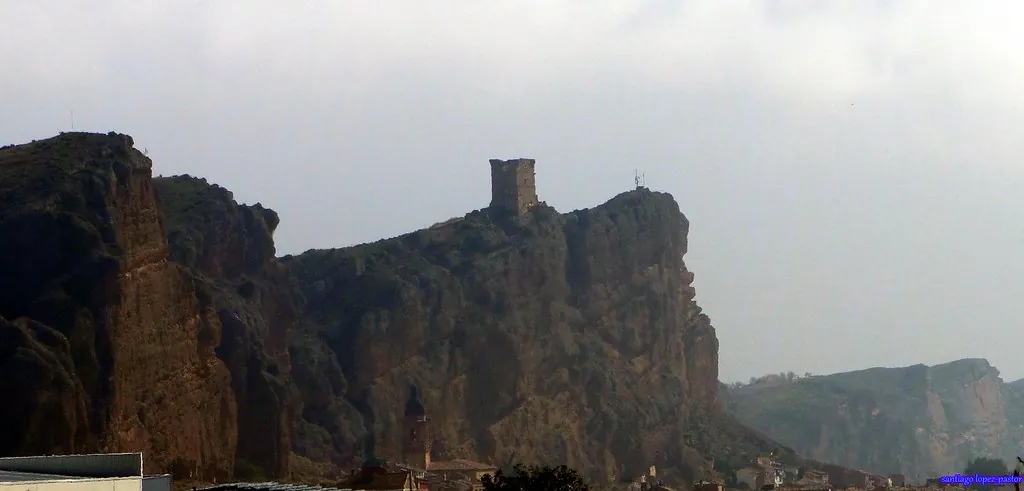
Small vineyard parcels cling to some slopes, many still tended by local families. There are no signposted viewpoints. You find perspective simply by walking up a slight incline. From certain bends, you see the Cidacos Valley unfold in layers of soft hills.
Look closer at the ground along these paths. You’ll see traces of older work: cellars dug into embankments, their doors now weathered grey; small stone huts half-reclaimed by grass. The landscape tells you what was important here.
Walking the Perimeter
The tracks that circle Bergasa are for short, contemplative walks, not epic hikes. They trace the borders between crops and patches of hardy holm oak. The ground is gently rolling, but after rain it can turn to sticky clay.
Avoid these walks in the midday summer sun. There is virtually no shade. Go early, when the light is long and low, or in that last hour before dusk. That’s when you hear the distant rumble of a tractor finishing up, or a dog barking from an isolated farmstead. The quiet here has a particular quality—clean and deep.
Most visitors come as a brief detour from Arnedo or other valley towns. Bergasa doesn’t cater to them; it simply exists alongside them. Life closes in early. On a clear night, the stars are shockingly bright, with no glow of streetlights to wash them out. Bring a layer, even in spring; the temperature drops as soon as the sun vanishes.
A Practical Note
Come prepared for self-sufficiency. There are no tourist services, and the local shop keeps limited hours. If you plan to walk, bring water. Access by car is straightforward via the LR-123 road, but those same rural tracks can be impassable when wet.
Spring shows the land at its most active and green. By late September, after the harvest, the palette shifts to tans and yellows. Winter is stark and quiet, the paths hard with frost, revealing a more austere version of the place.
Bergasa asks for little time but rewards a pause. Stand for a moment in the square as shadows stretch across the stones, or on a path watching light move over a field of stubble. The rhythm here is steady and unceremonious, written in small movements and changing light.