Full Article
about Enciso
Dinosaur capital of La Rioja; it has a paleo-adventure park and many fossil sites.
Hide article Read full article
Enciso: Cuando el suelo tiene más historia que el pueblo
Enciso es ese tipo de sitio que no te da la bienvenida con un cartel de "pueblo bonito". Llegas y ves tierra, piedra y colinas secas. La primera impresión es la de un documental de La 2 a mediodía: una llanura polvorienta hasta que alguien acerca la cámara y dice "fijaos en esto". Entonces todo cambia.
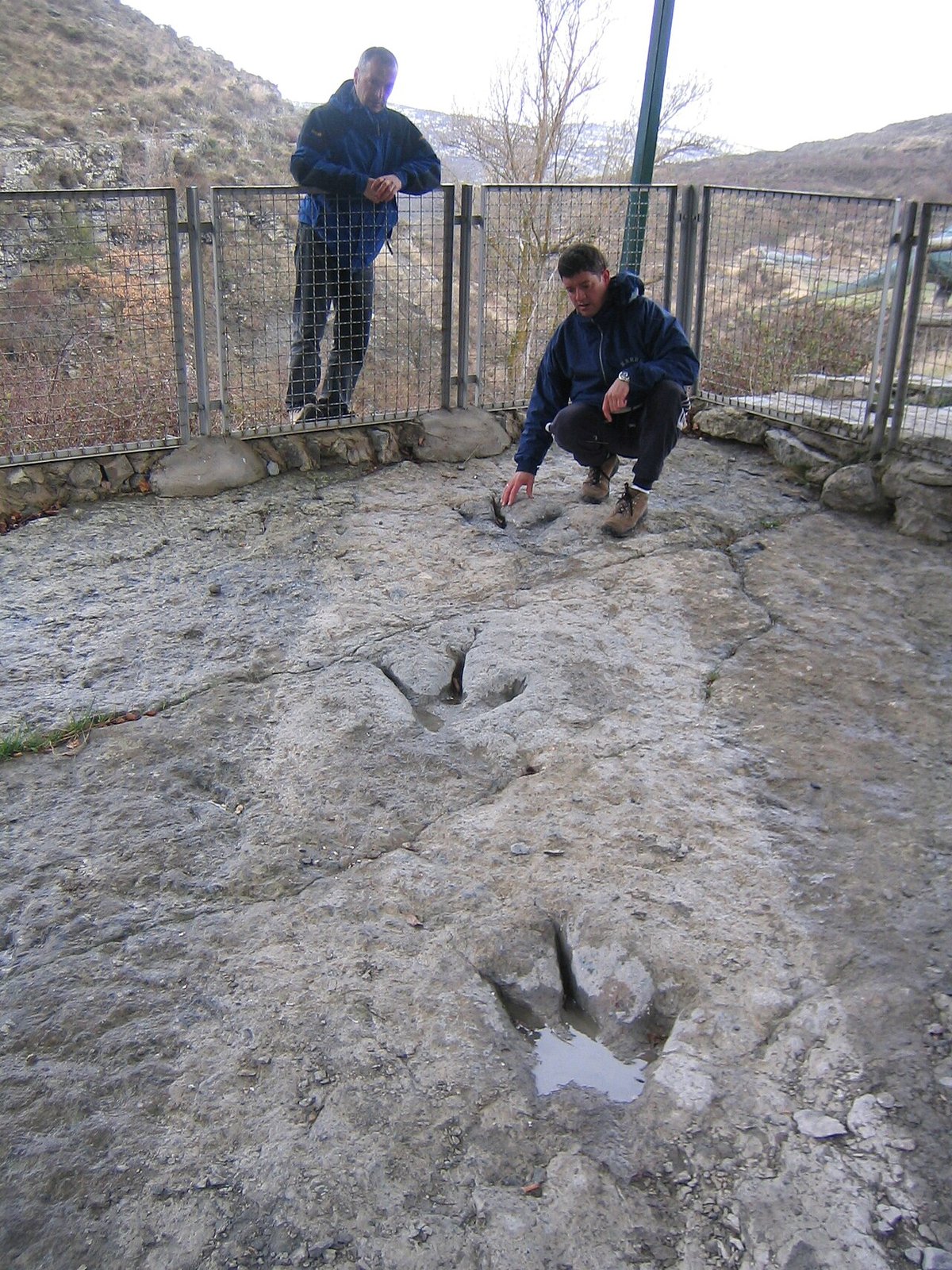
Lo que trae a la gente aquí no es una iglesia espectacular ni una plaza mayor. Son huellas de dinosaurio. Y no están en un museo, sino ahí fuera, marcadas en la roca viva, como si alguien hubiera olvidado limpiar el barro del camino hace 120 millones de años. El paisaje ayuda: cárcavas rojizas, barrancos secos y un aire que recuerda más al desierto de Tabernas que a la postal de viñedos verdes de La Rioja. Esto no va de mirar al horizonte, va de mirar al suelo.
Primera parada: El Centro Paleontológico (para no ir a ciegas)
Mi recomendación es clara: pasa por el centro antes de salir al campo. No es el Museo Británico; es pequeño y se ve rápido. Pero hace algo clave: te explica qué demonios vas a buscar después entre las piedras. Te habla de cómo se formaron estas huellas (icnitas, para los finos) y por qué hay tantas justo aquí. Esa media hora de contexto hace que luego, en los yacimientos, no estés solo mirando rocas con cara de tonto.
Los yacimientos: Donde la teoría pisa tierra
Desde el pueblo se sale en coche a los distintos puntos. Los más visitados son Valdecevillo y Virgen del Campo. Suelen tener pasarelas de madera y paneles informativos, algo agradecido porque si no, al principio solo ves piedra moteada.
El momento "ajá" suele llegar en Valdecevillo. Allí hay varias huellas formando una secuencia clara, como los pasos de alguien que cruzó el barro. De repente, lo abstracto se vuelve concreto: estás viendo el rastro real de un bicho que pasó por aquí. Es una sensación rara, casi íntima, como encontrar una firma grabada en un banco del parque, pero con unos cuantos ceros más de antigüedad.
No necesitas ser un experto. Los caminos están señalizados y los paneles te guían la mirada. Eso sí, lleva calzado con buen agarre. No son treking, pero el terreno es pedregoso e irregular. Y si vas en pleno agosto al mediodía, prepárate para achicharrarte; la sombra brilla por su ausencia.
El pueblo en sí: Una pausa necesaria
Enciso se recorre en poco más de una hora sin prisa. La iglesia de San Pedro actúa como referencia y desde ahí callejeas entre casas de piedra. No esperes un laberinto monumental; es un pueblo serrano pequeño, con su propia rutina tranquila.
Hay algún detalle curioso, como algún patio excavado en la roca que parece parte del terreno. Pero seamos honestos: nadie viene solo por el casco urbano. Funciona como base o como descanso entre yacimiento y yacimiento.
Cómo organizar la visita (sin complicarse)
Si tienes dos o tres horas, esta fórmula suele funcionar:
- Paseo rápido por el pueblo para situarte.
- Parada en el Centro Paleontológico.
- Coche hasta uno o dos yacimientos (Valdecevillo es un buen candidato).
Con eso te llevas la esencia del lugar: haber entendido algo único, haber pisado ese paisaje árido y haber visto las huellas con tus propios ojos. Es un plan conciso que encaja bien dentro de una ruta más larga por la zona.
Lo que Enciso NO es
No es un destino para pasar todo el día comiendo en terrazas y comprando artesanía. No tiene ese "encanto" inmediato que buscan algunos. Las huellas no son esculturas hiperrealistas; a veces hay que dejar que la vista se enfoque.
Pero sí es un lugar donde ocurre algo difícil de encontrar: esa conexión directa con un pasado remoto escrito en el suelo. Es como cuando te cuentan una historia increíble sobre el solar vacío de tu barrio. Ya nunca lo vuelves a ver igual. En Enciso pasa eso, pero a escala geológica. Sales pensando que has estado en un sitio donde lo extraordinario está literalmente bajo tus pies