Full Article
about Herce
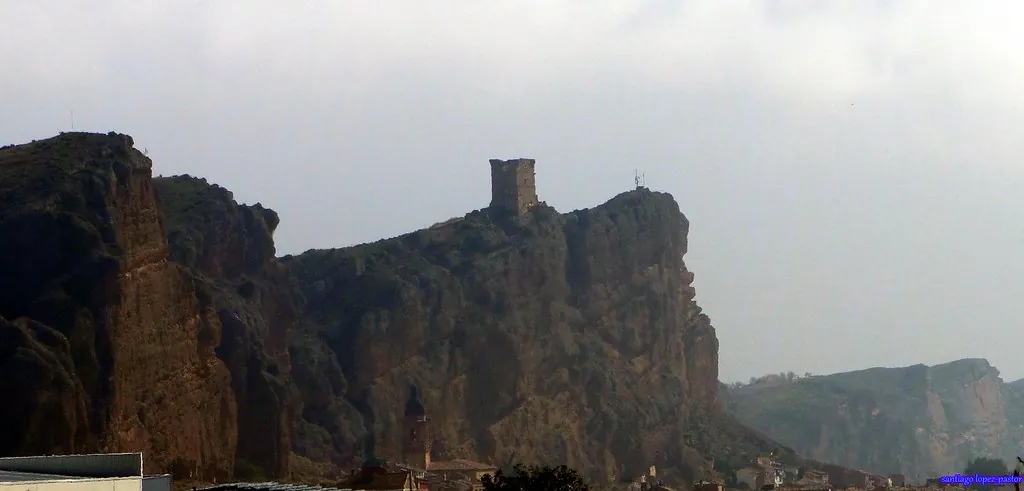
Village in the Cidacos valley below the Peña del Moro; it preserves castle ruins and a quiet atmosphere.
Ocultar artículo Leer artículo completo
Morning Light at 593 Metres
The first thing you notice is the horizon. From Herce's modest altitude of 593 metres, the wheat fields stretch eastward until they dissolve into hazy blue distance. At dawn, when Atlantic weather systems clear overnight, the landscape reveals itself in layers: ochre soil, silver-green olive groves, then the distant Sierra de la Demanda floating like a cardboard cut-out. It's the sort of view that makes you check your car's fuel gauge—because you'll want to return here at sunset to see how the colours shift from honey to bruised violet.
This is agricultural Rioja at its most honest. No medieval hilltop drama, no boutique hotels occupying converted palaces. Just 320 souls living in stone houses that have absorbed centuries of harvest cycles, their walls the same terracotta hue as the surrounding earth. The village sits forty minutes south of Logroño, but feels further removed. Mobile signal wavers. Swallows nest in cracked mortar. Time moves to the rhythm of tractor engines and church bells.
Walking the Agricultural Labyrinth
Forget marked trails. Herce rewards those who abandon maps and follow the agricultural lanes that radiate from the village like spokes. These dirt tracks, wide enough for a combine harvester, weave between cereal plots and small holdings where elderly farmers still hand-weed rows of beans. Walk fifteen minutes north and you'll reach an unnamed ridge where limestone outcrops provide natural benches. From here, the village appears as a compact cluster of terracotta roofs around the tower of San Pedro, its medieval stones glowing amber in morning light.
The church itself won't occupy more than twenty minutes of your attention. Its fortress-like tower dominates the single plaza, but interior decorations were stripped during 19th-century renovations. What remains fascinating are the details locals point out with pride: a Romanesque capital reused as building stone, a Gothic arch embedded in later masonry. These architectural fragments tell Spain's story more eloquently than any guidebook—how conquerors repurposed older structures, how faith adapted to changing fortunes.
Summer walkers should start early. By 10am, temperatures can reach 32°C despite the altitude. Winter visitors face the opposite challenge—though daytime might hit 12°C, Atlantic winds whip across exposed fields. The village microclimate means frost lingers in shadowed corners until midday between November and March.
What Actually Grows Here
The surrounding landscape isn't scenic backdrop—it's working farmland that feeds Spain's markets. From late April through June, wheat creates an almost English patchwork of green and gold. July brings the harvest, when enormous combines crawl across slopes like mechanical beetles, their operators working from 5am to avoid afternoon heat. Olive groves occupy poorer soils on southern slopes; these gnarled trees, some centuries old, produce oil with peppery notes that locals swear cures everything from arthritis to heartbreak.
Autumn transforms the palette entirely. Vine leaves turn crimson where small plots of Garnacha cling to south-facing slopes. These aren't the regimented rows of Rioja Alta's famous bodegas but scattered family holdings, perhaps two hundred vines per grower. The resulting wine rarely leaves the village—most is consumed during December pig slaughters when neighbours gather to make chorizo and morcilla.
Eating Without Expectations
Here's where guidebooks fail visitors. Herce itself offers limited dining options—the single bar closes unpredictably, and opening hours seem negotiable. Smart travellers shop first in Arnedo, ten kilometres north, where Supermercado Eroski stocks crusty bread, local cheeses, and Rioja wines at supermarket prices. Pack a picnic, then drive the winding LR-287 back to Herce for lunch beside the agricultural lanes.
For proper meals, base yourself in Arnedo or Calahorra. Both towns offer restaurants serving regional standards at prices that seem misprinted. At Casa Chinche in Arnedo's old quarter, £12 buys pochas beans with chorizo, lamb chops grilled over vine cuttings, and a carafe of young Rioja. The menu hasn't changed since 1987—because it hasn't needed to.
When the Village Transforms
Visit during late June for San Pedro fiestas and you'll witness Herce's split personality. The population triples as former residents return from Bilbao and Barcelona. Temporary bars appear in the plaza, serving kalimotxo (wine mixed with cola) until 3am. Traditional dances occur, though participants now wear football shirts rather than regional costume. By July 2nd, silence returns so abruptly that morning coffee tastes different—like the village is nursing a collective hangover.
August brings summer fiestas with marginally more cultural programming—outdoor cinema screenings, elderly men playing mus (a Basque card game) for table-limited stakes. These events reveal generational tensions: grandparents preserving customs while teenagers stream Netflix on phones, impatient for September when university resumes.
Winter visitors experience the authentic article. January weekends see perhaps a dozen people in the plaza. The bakery operates reduced hours, closing at 1pm. Conversations happen through car windows—locals rarely emerge from centrally-heated homes when north winds sweep down from the Sierra. Yet there's beauty in this austerity: clear skies reveal stars normally obscured by Spain's light pollution, while wood smoke scents air sharp enough to sting lungs.
The Practical Reality
Getting here requires wheels. Public transport terminates at Arnedo, where buses from Logroño run hourly but leave you five kilometres short. Car hire from Bilbao airport costs approximately £120 for three days via Europcar, though the drive south on A-68 passes industrial estates that test navigation patience. Logroño-Agoncillo offers summer Ryanair flights thrice-weekly from London Stansted—convenient if your dates align, limiting if they don't.
Accommodation within Herce itself remains limited to La Villa de Herce, a four-bedroom apartment sleeping eight from €90 nightly. The property offers terraces with those horizon views, but book directly via Booking.com—English-language reviews remain scarce, suggesting few British visitors venture this far south. More realistic bases lie in Arnedo, where Hotel Ciudad de Arnedo provides functional doubles from £55 including breakfast, plus underground parking essential during summer heat.
Monday closures catch visitors repeatedly. The bakery shutters, the bar locks up, even the agricultural supply store goes dark. Plan accordingly—stock supplies Sunday evening or drive to Calahorra where chain cafés operate regardless. Similarly, petrol stations close overnight; the nearest 24-hour pump lies twenty minutes south on the N-232, information worth remembering when hire company return policies demand full tanks.
Departing Through Golden Hour
As afternoon fades, position yourself on the western ridge where the track to Arnedo crests the hill. From here, Herce shrinks to insignificance against the agricultural immensity. The setting sun ignites wheat stubble, creating fields of liquid gold that seem almost too vivid for northern European eyes. Camera sensors struggle to capture the intensity—they bleach highlights, muddy shadows, fail entirely to convey the scale.
This is why you came. Not for monuments or museums, but for space and silence rare in modern Europe. The village will survive your visit unchanged, its rhythms dictated by seasons rather than tourism trends. Drive away as darkness falls, and Herce's lights disappear quickly in rear-view mirrors—like they were never meant for outsiders to find.