Full Article
about Muro de Aguas
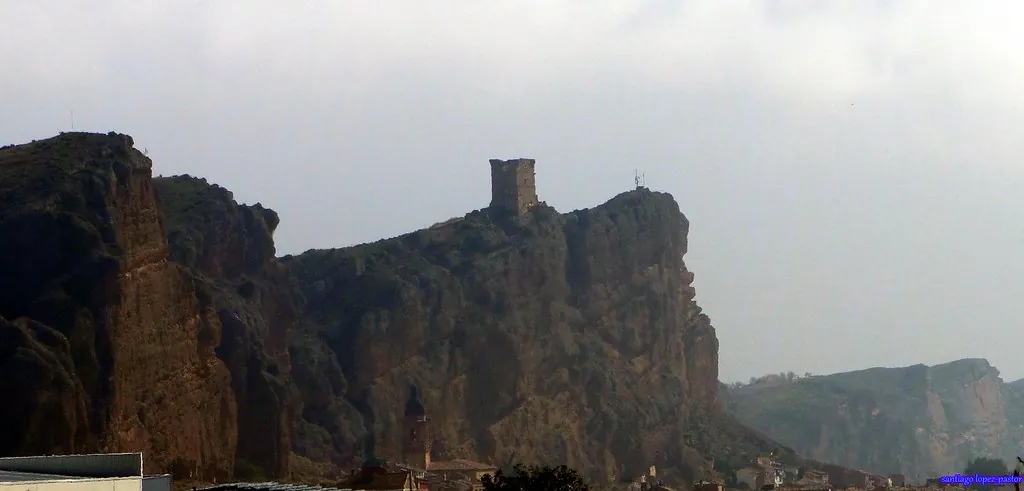
Mountain village with castle ruins and a pillory; arid, quiet setting.
Hide article Read full article
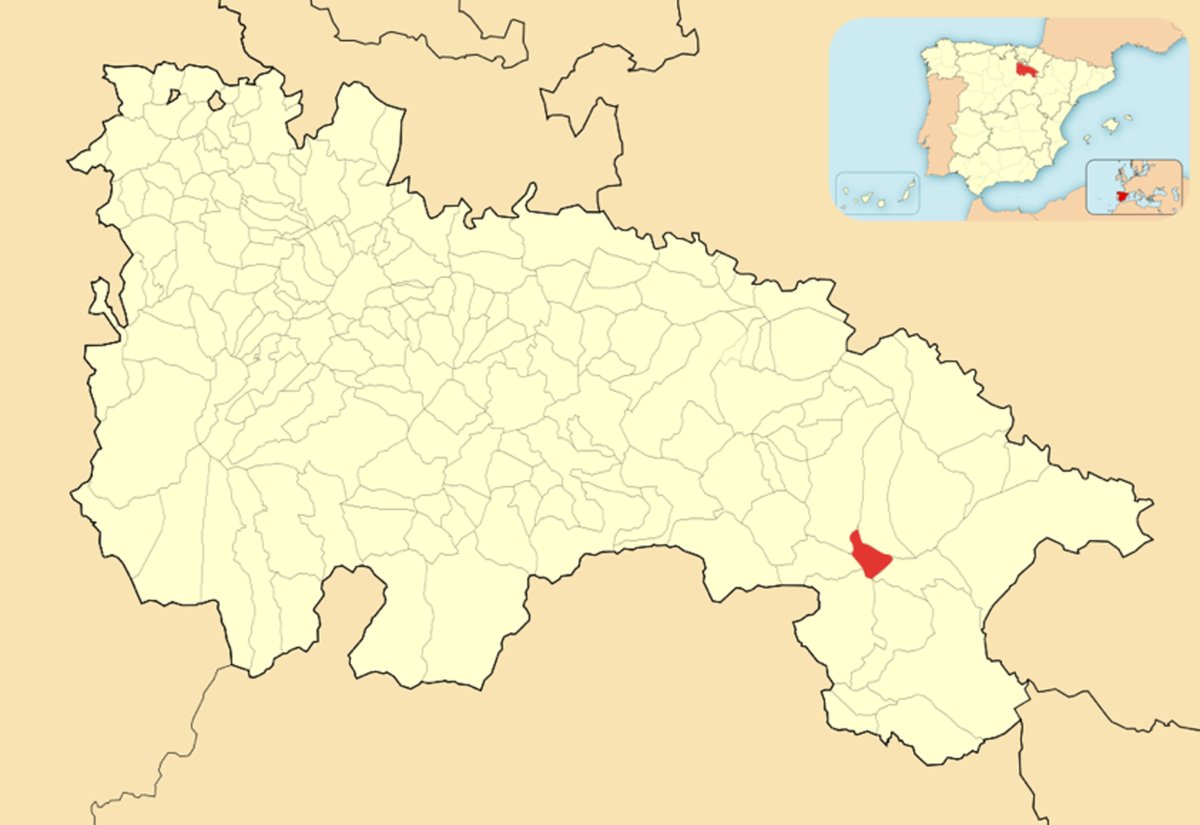
Muro de Aguas is the kind of place you find because you took a wrong turn, and then you’re glad you did. You know the feeling: you’re driving through the folds of land east of Arnedo, everything is shades of ochre and dry scrub, and suddenly there’s a cluster of stone roofs in a valley. You check the map. Fifty-seven people. You decide to stop for ten minutes, just to stretch your legs.
That first impression is usually silence. But not an empty silence. It’s the thick quiet of a place where the background noise is a stream somewhere below, a dog barking two streets over, and the wind pushing through the holm oaks on the ridge. It’s less about inactivity and more about distance from everything else.
El nombre no miente: agua y piedra
The name gives away the main character here. Muro de Aguas has water in its bones. You hear it before you see it—a trickle from a fountain in the small plaza, a spring seeping from between rocks at the edge of a path. It’s not dramatic; it’s functional. These are the same water sources that decided where houses were built centuries ago.
The village centre is tiny. You can walk every street in twenty minutes if you hurry, but that misses the point. The lanes are steep, paved with river stones that get slippery when damp. Look up at the door lintels, some carved with dates that have worn soft. Look at the old iron tools still hanging on a wall, not as decoration but because nobody bothered to take them down. Nothing feels staged.
Una iglesia y un banco con vistas
The parish church anchors one end of the village. It’s been modified and patched over time, like most around here. The interesting part isn't so much the building itself but the wide steps leading to its door. They double as the town's unofficial terrace.
Sit there for five minutes. The view lays out Muro de Aguas like a diagram: houses following the slope down to where gardens start, dirt tracks fanning out into the hills, layers of sedimentary rock in the cliffs opposite telling a story older than anything here. It’s geology as architecture.
Andar sin rumbo (es el único rumbo)
Don't come looking for waymarked trails or signposts with little hikers on them. The network around Muro is made of caminos vecinales—paths used by locals to reach fields or walk to a neighbouring hamlet.
You just pick a direction. One path might lead up along a ridge where you can see for kilometres; another might drop into a ravine where water runs in spring but is just damp gravel by August. The vegetation changes quickly: one minute you're in open pasture, the next under the shade of holm oaks.
Wear proper shoes. I mean it. The terrain is stony and uneven, and after rain some paths turn into slick clay slides. This isn't a stroll for sandals.
La visita práctica: cómo y cuánto
Let's be clear: this isn't an all-day destination unless you're a very dedicated hiker or really love sitting on church steps.
Park near the plaza—trying to drive further into those alleys is an exercise in frustration and reversing maneuvers. A slow wander through the village and maybe one short walk on an outward path will fill two hours comfortably. That makes it perfect as a pause on a wider drive through this part of La Rioja Baja. Come for lunch? Check if anywhere is open first; services here are minimal and can be unpredictable. What you're getting is space and quiet. What you're not getting is entertainment, shops, or curated experiences. Muro de Aguas feels like it exists for itself, not for visitors. And that's precisely why it sticks in your memory after you've driven away