Full Article
about Préjano
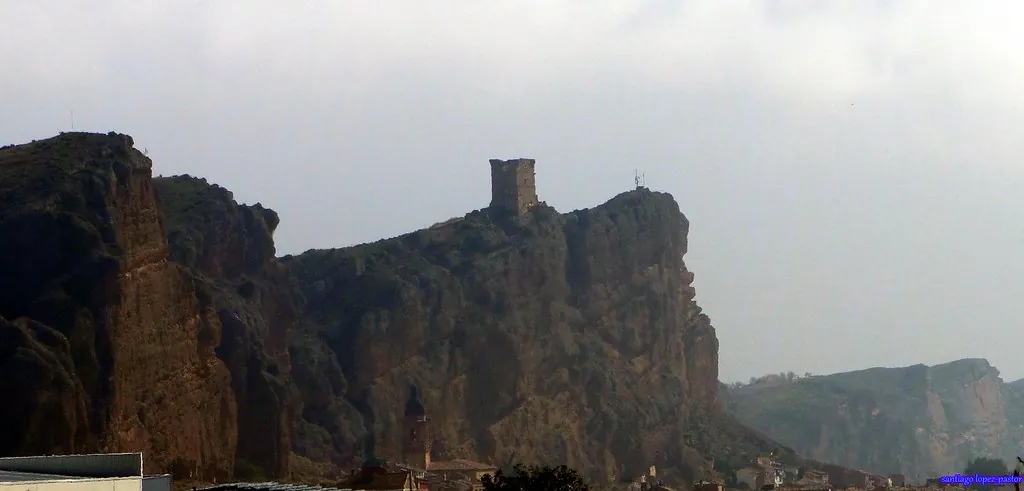
Former mining and olive-growing village; set beneath Peña Isasa.
Hide article Read full article
A village shaped by its hillside
Tourism in Préjano is less about ticking off sights and more about understanding the landscape. The village sits on a slope overlooking the Cidacos valley, within the Arnedo area of La Rioja, at around 700 metres above sea level. That position explains much of what is visible today: a small settlement adjusted to the incline, surrounded by dry farmland and low scrub.
For centuries, life here revolved around agriculture and livestock. The layout of the old centre still follows that logic. Streets are short and practical, stone houses are fairly plain, and there are corrals or storage spaces that show how closely work and home were linked. It is a place where the terrain sets the pace and the structure of daily life.
San Martín de Tours, at the centre
The parish church of San Martín de Tours stands at the heart of Préjano. The current building is usually dated to the late Middle Ages, although later alterations have changed parts of its appearance over time.
The entrance is simple and the overall design does not aim for grandeur. Inside, there is a modest Baroque altarpiece, typical of rural parishes that adapted gradually to changing tastes without extensive resources. The church matters less for its architectural impact than for what it reveals about local organisation. The square, the church and the surrounding houses formed the real social centre, where daily life was structured and shared.
Short streets and practical architecture
Préjano can be explored quickly. In under an hour it is possible to walk nearly all of its streets.
It is worth paying attention to small details in the domestic architecture. Walls are built with thick masonry, wooden eaves project to protect façades, and balconies are small and made of iron. These are straightforward responses to the climate in this part of La Rioja, where summers are dry and winters can feel cold when air moves through the valley.
Beyond the built-up area, the land opens into a typical agricultural patchwork. There are cereal fields, some plots of vineyard, and stretches of low scrub. Paths that climb gently along the hillside offer a clear view over the Cidacos valley. On bright days, the contrast stands out between the higher, drier land and the greener strip along the valley floor.
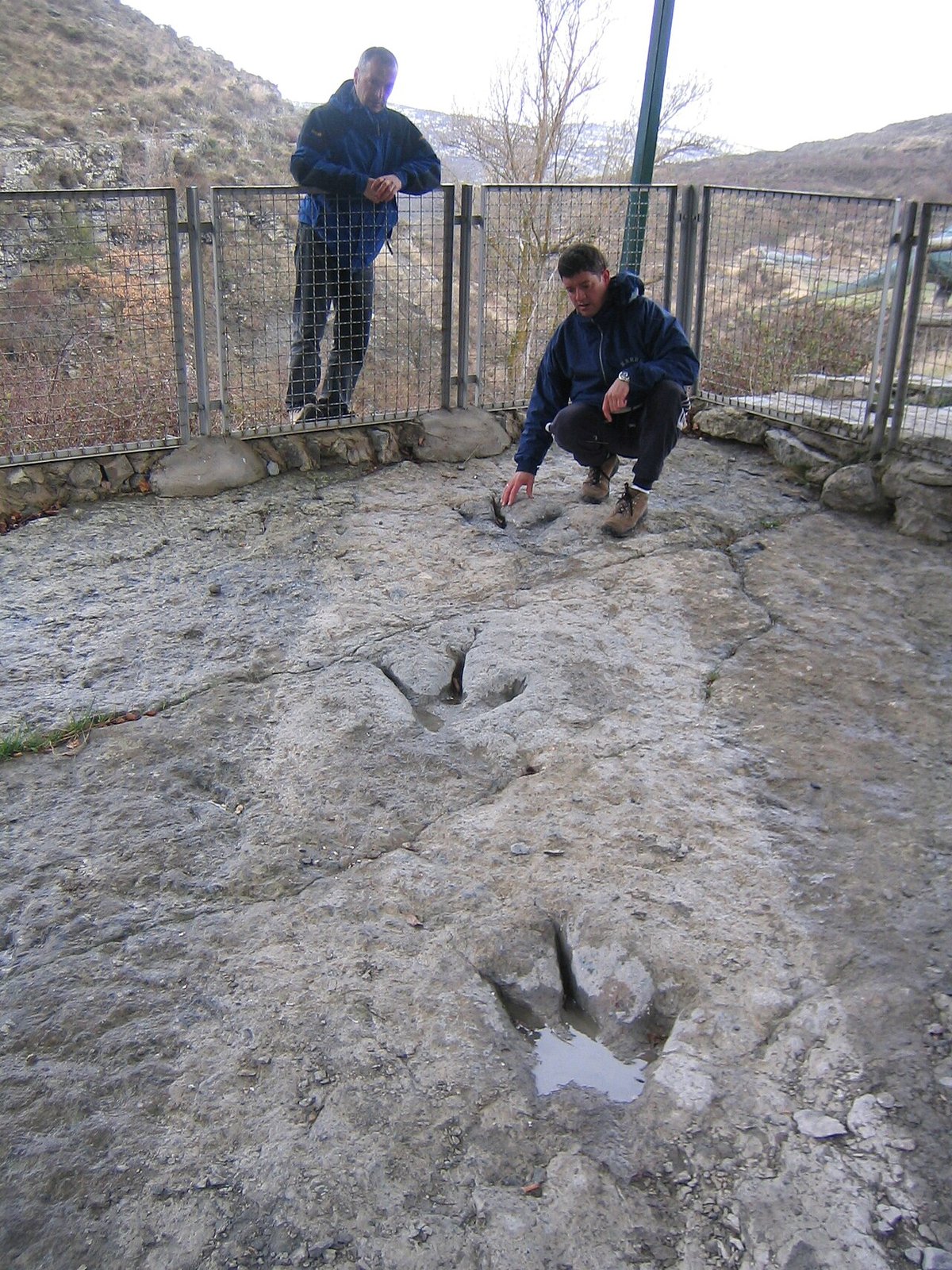
Around Préjano there are also several sites with icnitas, fossilised dinosaur footprints preserved in rock. They are scattered across nearby ravines. Some have been prepared for visits within the wider area, though it is worth checking beforehand as not all are directly accessible from the village itself.
Paths and tracks into the landscape
From Préjano, agricultural tracks and old working paths lead out into the surrounding fields and ravines. Not all of them are signposted, and some junctions can be confusing without prior knowledge of the area.
Walking here is straightforward with a bit of preparation. A map or a downloaded route helps avoid wrong turns. Shade is limited across much of the landscape, so in summer it makes sense to head out early in the morning or later in the afternoon.
These routes are less about reaching a specific destination and more about moving through the terrain that has shaped the village. The gradual slopes, the open views and the dry ground all give context to how Préjano developed.
A couple of hours in Préjano
Two hours are enough to get a clear sense of the place. A walk through the streets of the old centre, a look at the church if it is open, and then a short climb along one of the nearby tracks to gain some height over the valley.
From that slightly elevated position, the scale of the village becomes easier to read. Préjano appears compact, almost tucked into the hillside, while the surrounding farmland stretches out in a quiet, ordered pattern. The relationship between settlement and land is direct and easy to grasp.
Before setting off
Préjano is a small municipality with limited services, and opening times can vary depending on the day. Anyone planning to walk in the surrounding area should bring water and something to eat.
After recent rain, some tracks become muddy, especially in sections with clay soil. This can make both walking and driving more difficult. Here, conditions are set by the ground itself, and plans often need to adapt to it.