Full Article
about Santa Eulalia Bajera
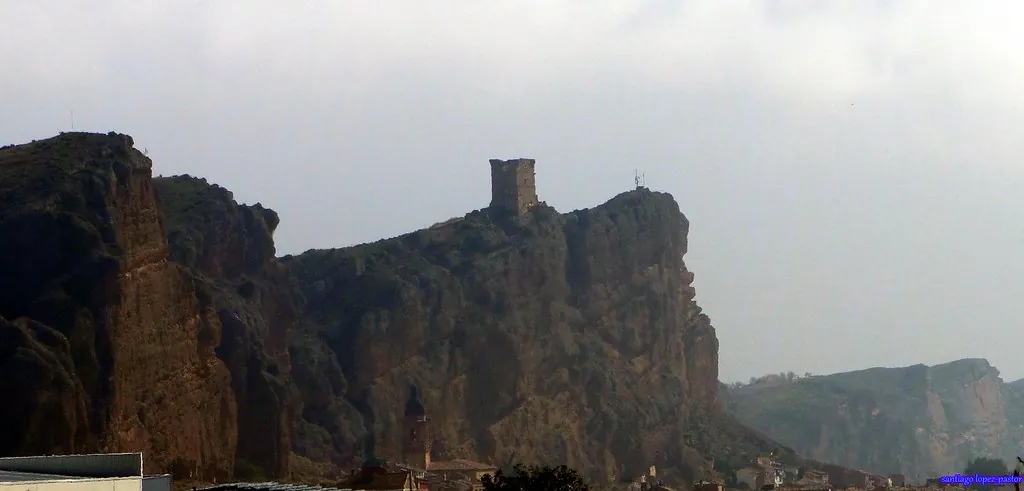
Small village in the Cidacos valley; known for its caves and farming.
Hide article Read full article
Arriving and getting your bearings
Anyone planning tourism in Santa Eulalia Bajera should sort out the car first. The village is small and so are its streets. There is usually some space near the square or along Calle La Iglesia, but the number of parking spots is limited. If a gap appears on the way in, it is worth taking it and continuing on foot.
The village has around a hundred residents. The built-up area is compact and easy to cross. It takes about ten minutes to walk from one side to the other, which sets the tone for the visit. This is not a place of long itineraries or packed schedules, but one of short distances and a steady rhythm.
The centre and its buildings
At the centre stands the Iglesia de Santa Eulalia, the most recognisable building in the village. If the door happens to be open, it is worth stepping inside for a moment. It is not always accessible, so this depends on timing rather than planning.
A couple of short streets branch out nearby. Calle Mayor and La Villanueva lead towards the last houses and then quickly into the surrounding countryside. Along these streets, there are homes built in stone and adobe. This is typical for this part of La Rioja, and the overall look has been kept fairly intact.
There are no large squares or a sequence of monuments. The layout reflects its agricultural character. It is a small rural nucleus, and it feels that way. The interest lies in how everything fits together rather than in individual landmarks.
Walking out into the fields
As soon as the last houses fall behind, agricultural tracks take over. These are used by tractors and by locals heading out to their plots. Traffic is minimal, which makes them suitable for a quiet walk.
There are no long signposted routes or information panels to guide the way. Instead, there is a network of simple paths crossing fields of cereal, small vegetable plots and some vineyards. The terrain is gentle, with low hills around the valley. Nothing feels steep or demanding.
These tracks work well for a short outing. It is easy to head out, walk for a while and return to the village without complications. There is no need for special preparation or detailed planning. The landscape invites a slow pace rather than a structured hike.
A short drive to Arnedo
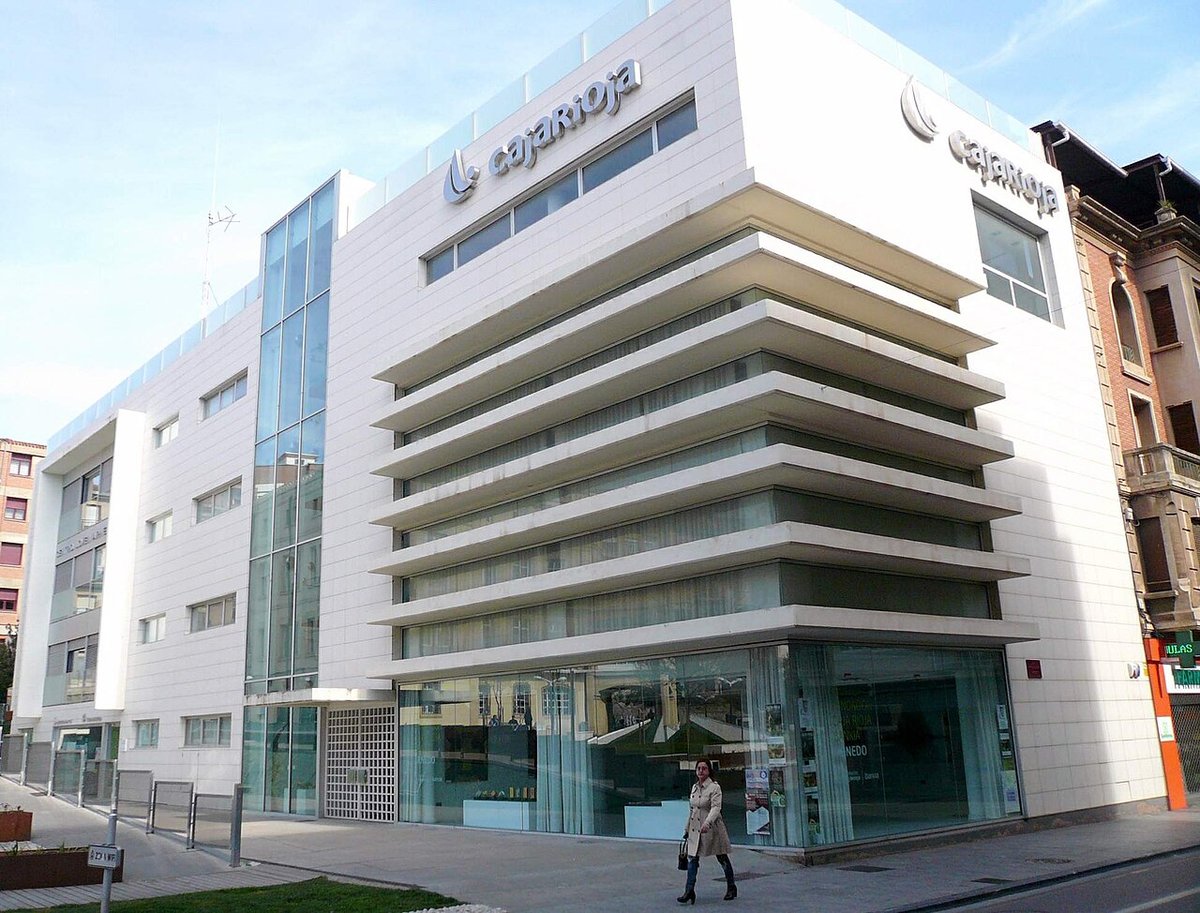
A few kilometres down the road lies Arnedo. Compared to Santa Eulalia Bajera, it has more activity and the basic day-to-day services. This proximity shapes how people use the village.
Many visitors who stop in Santa Eulalia Bajera continue on to Arnedo afterwards. It is common to combine both, whether to pick something up or simply to walk around somewhere with more movement. In villages of this size, that kind of pairing is part of the routine.
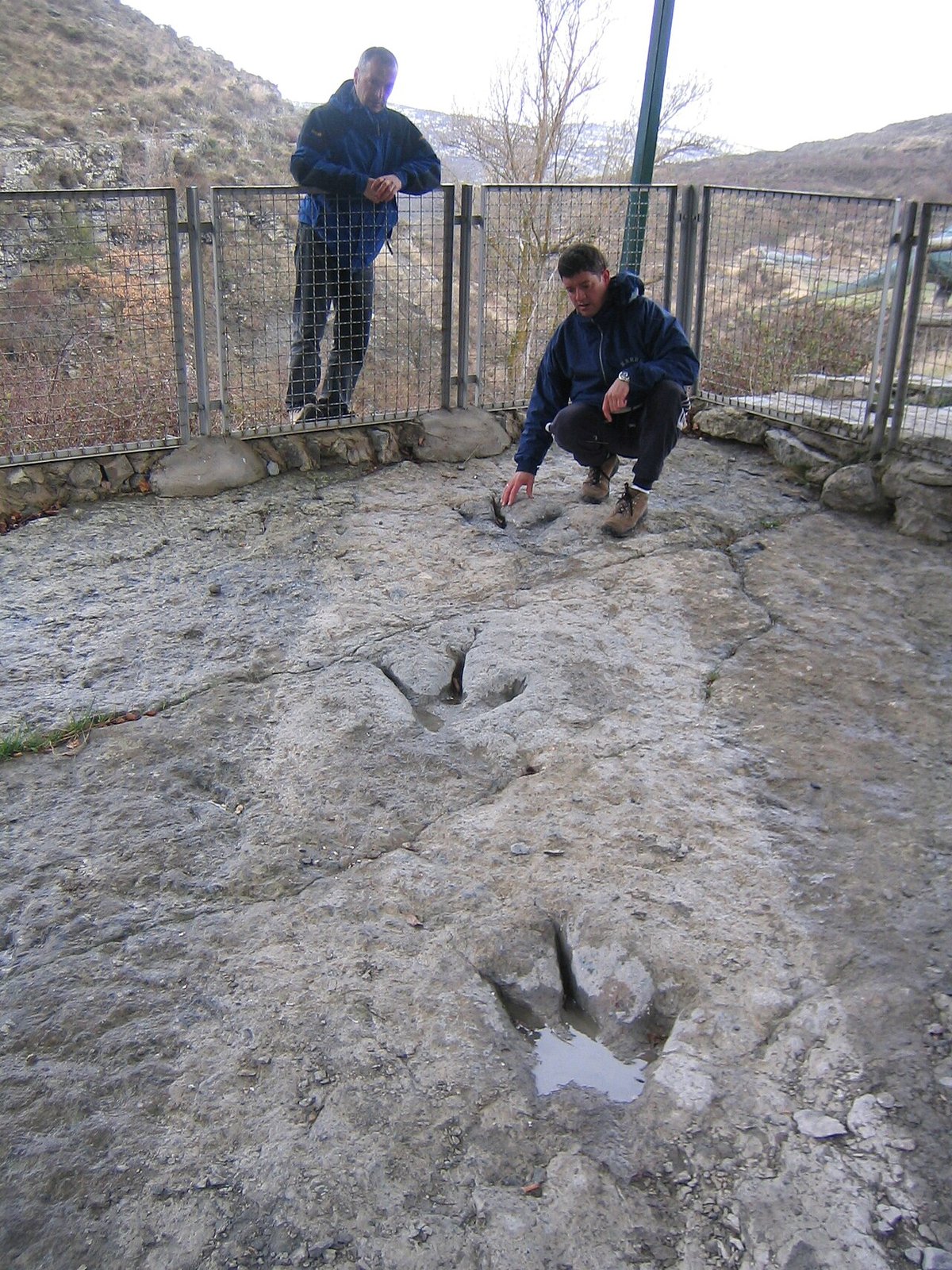
In the wider area of the Cidacos valley, there are occasional mentions of ancient remains, including from Roman times. These are not clearly marked as formal visitor sites. Anyone particularly interested would need to ask at the town hall or speak to a local resident for guidance.
When to come and what to expect
Spring and autumn are usually the most comfortable seasons to visit. The countryside is active, and walking is pleasant without the strain of high temperatures. Summer brings strong midday sun, which can make the open paths less inviting during the central hours of the day. Winter has shorter days, and the village becomes especially quiet.
The fiestas of Santa Eulalia are typically held in February. They are local celebrations, intended mainly for the people who live here rather than for attracting visitors. The atmosphere remains close to everyday life rather than shifting towards large events.
It helps to arrive with clear expectations. A short walk, a look at the church if it is open, and a wander along the surrounding tracks. That is the core of the experience. Anyone looking for a place with a long list of sights will need to explore further across the region. In Santa Eulalia Bajera, everything moves at a slower pace, and the appeal lies in that simplicity.