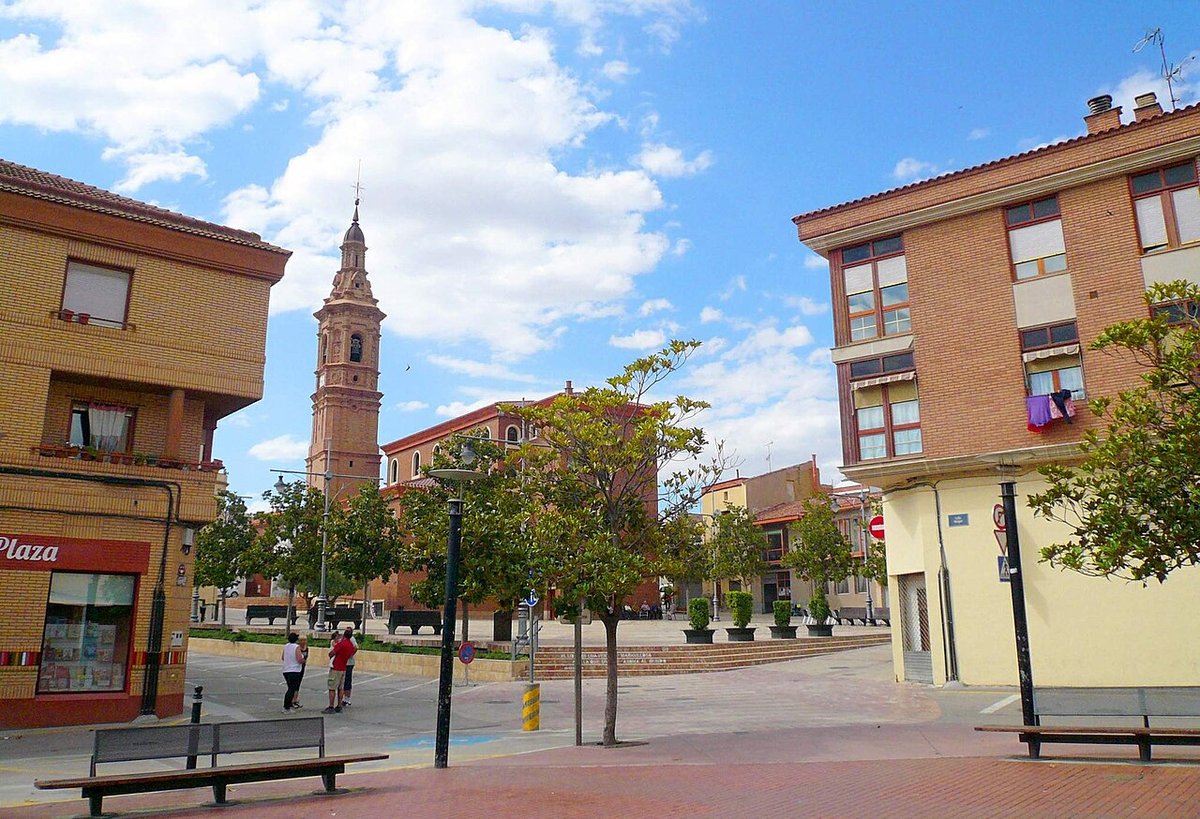
Vista aérea de Tudelilla
Instituto Geográfico Nacional · CC-BY 4.0 scne.es
La Rioja · Land of Wine

Tudelilla

The LR-115 rolls past Arnedo’s shoe outlets and suddenly narrows. A hand-painted board reads “Tudelilla 6 km” and points uphill. From here the tarm...

360 inhabitants · INE 2025
541m Altitude

Why Visit

Church of Santa María Almond-Tree Route

Best Time to Visit

spring

San Roque (August) agosto

Things to See & Do
in Tudelilla

Heritage

  • Church of Santa María
  • wine-cellar quarter

Activities

  • Almond-Tree Route
  • Wine Tourism

Festivals
& & Traditions

Fecha agosto

San Roque (agosto), Santa Bárbara (diciembre)

Las fiestas locales son el momento perfecto para vivir la autenticidad de Tudelilla.

Full Article
about Tudelilla

A farming village known for its almond trees and wine; it has a sculpture of the Espartera.

Ocultar artículo Leer artículo completo

The LR-115 rolls past Arnedo’s shoe outlets and suddenly narrows. A hand-painted board reads “Tudelilla 6 km” and points uphill. From here the tarmac coils like a corkscrew, climbing 250 m over biscuit-coloured hills before depositing you in a single-plaza village where the loudest sound is the church bell counting only 320 neighbours. Welcome to Rioja’s agricultural attic: tidy, sun-whipped and stubbornly horizontal.

A grid you can learn in twenty minutes

No map is required. Leave the car by the stone water trough at the entrance – tractors need the middle of the road – and walk. Calle Mayor runs the length of three football pitches, tapering into a track that dissolves among vineyards. Off this spine hang two short alleys wide enough for a donkey and little else. Iron balconies carry geraniums, house numbers are chalked onto beams, and every third doorway smells of bread because someone is still baking indoors. The parish church of La Asunción dominates the tiny square like a governess; its sixteenth-century tower is open only if the caretaker is in the mood, but the oak doors are usually ajar so you can step inside and let your eyes adjust to the stone chill. Five minutes later you have “done” the centre.

That brevity is the point. Tudelilla trades in scale, not spectacle. Peer over the low back wall of the churchyard and the land falls away in wheat-coloured waves towards the Cidacos valley; beyond it, the Sierra de la Demand keeps snow on its upper teeth until Easter. The view is free and requires no interpretation board.

Between the rows

Leave the last house behind and you are immediately inside someone’s workplace. Tracks, not footpaths, fan out between vines owned by cooperatives in Arnedo and Calahorra. Walkers are tolerated provided they close the wire gates and keep dogs on leads – the irrigation pipes are fragile and the Rioja DO inspectors frown on footprints. A 45-minute circuit heads south to the ruined cortijo of Las Canales, then swings back along the ridge used by the old grain threshing floors. Early May brings poppies; mid-September turns the leaves the colour of burnt toast and fills the air with the sweet-sour smell of crushed grapes. There are no signs, so download the 1:50,000 Rioja map beforehand or simply trust the skyline and turn right when the village reappears.

Cyclists find the same lanes ideal for gravel bikes, though the surface is chunky and summer storms wash gullies across it. A loop eastwards towards Cervera del Río Alhama gives 18 km and 400 m of ascent, with only the occasional shepherd for company.

Where to sleep (and why you probably won’t)

Tudelilla has no hotel, no pension, not even a bar that opens on Tuesdays. The nearest beds are six kilometres down the hill in Arnedo, or you can book the solitary Airbnb inside an 1890 wine-press house on the edge of the village. Guests sleep under the original oak beams where grapes once fermented, cook on a barbecue fashioned from a copper tank, and borrow bikes to wobble along the dirt tracks. It scores 4.93 from 121 reviews, mostly Germans who use words like “contemplative” and “silent”. One British couple left a five-star note that simply read: “Bring coffee. And milk. And everything else.” If you need a minibar, satellite telly or someone to carry your suitcase, stay in Logroño and drive up for the afternoon.

Eating: what grows within sight

There is no written menu in Tudelilla because there is no restaurant. Instead you knock on the right door – ask at the house with the green Ford tractor outside – and for €14 Señora Alicia will bring out whatever the garden offers: piquillo peppers roasted over vine cuttings, a stew of white beans and morcilla, lamb shoulder that has been braising while she finished pruning. Wine is whatever her son tanks off that year; it arrives in a litre bottle stripped of label and pours the colour of church brick. Payment is cash only and you need to warn her the day before. Failing that, Arnedo has Saturday pintxo bars and a decent turrón ice-cream shop, but remember the Spanish lunch clock: kitchens close at 16:00 and reopen only when most British toddlers should be in bed.

Timing the weather (and the crowds)

At 650 m above sea level Tudelilla sits 150 m above the main valley floor, enough to shave three degrees off Logroño’s July furnace and add the same in December. Spring is gusty; sudden Atlantic fronts sweep across the flat plateau and can drop the temperature ten degrees in an hour. Autumn is the photographer’s ally – clear air, low sun, vines on fire – but also harvest traffic: expect a queue behind a trailer of grapes crawling to the cooperative at 20 km/h. August fiestas (15th weekend) double the population for forty-eight hours; if you want solitude, choose the forgotten weekend in early March when almond blossom flickers white against red soil and the only noise is the clang of the church bell practising for Lent.

Getting here without the Ryanair chorus

Most British visitors reach La Rioja through Bilbao. From the airport follow the A-68 south for 95 km, exit at Calahorra and pick up the LR-115 towards Arnedo. The final 6 km to Tudelilla is a single-carriageway local road shared with combine harvesters; drive it after dark and you will meet wildlife – boar, fox, the occasional disorientated stork. Buses terminate at Arnedo, so without wheels you are dependent on a taxi (€18 each way) or the goodwill of the Cooperativa San Juan who might give you a lift if you time your arrival with their shift change. There is no petrol station in the village; fill up in Arnedo and check tyre pressures – the verge is prickly with thorns shed by the wheat stalks.

The honest verdict

Tudelilla will not change your life. It offers no trophy selfie, no Michelin listing, no artisan gift shop flogging overpriced saffron. What it does provide is a concise lesson in how most of rural Spain actually lives: work first, visitors second, siesta mandatory. Come if you need to reset your body clock to the pace of a place where the loudest machine at 14:00 is the cicada. Stay two hours or stay two days, but do not expect entertainment; the village assumes you are adult enough to entertain yourself. Bring walking shoes, a baguette and a sense of temporal humility – the vines were here before any of us, and they will still be standing long after our passports have expired.

Key Facts

Region
La Rioja
District
Arnedo
INE Code
26158
Coast
No
Mountain
No
Season
spring

Livability & Services

Key data for living or remote work

2024
Connectivity5G available
TransportTrain 12 km away
HealthcareHospital 11 km away
EducationElementary school
Housing~5€/m² rent · Affordable
Sources: INE, CNMC, Ministry of Health, AEMET

Planning Your Visit?

Discover more villages in the Arnedo.

View full region →

More villages in Arnedo

Traveler Reviews