Full Article
about Rasillo de Cameros (El)
Popular tourist spot for its yacht club on the reservoir; well-preserved mountain village.
Hide article Read full article
El Rasillo de Cameros, un pueblo de la sierra
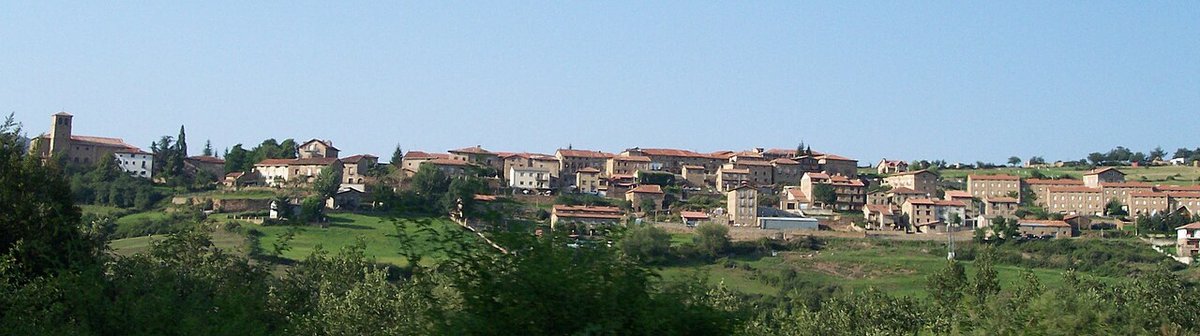
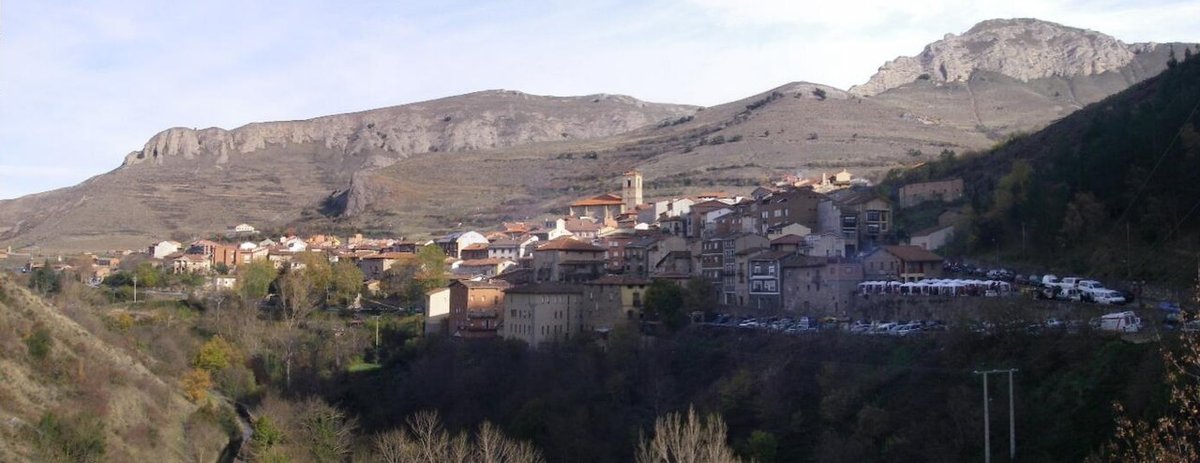
El Rasillo de Cameros se asienta a unos 1.200 metros, en la vertiente sur de la sierra que da nombre a esta comarca de La Rioja. La altitud explica el paisaje, la orientación de las casas y el clima. Aquí viven menos de 150 personas. Durante siglos fue una comunidad ganadera, vinculada a los pastos de altura y a los bosques que la rodean.
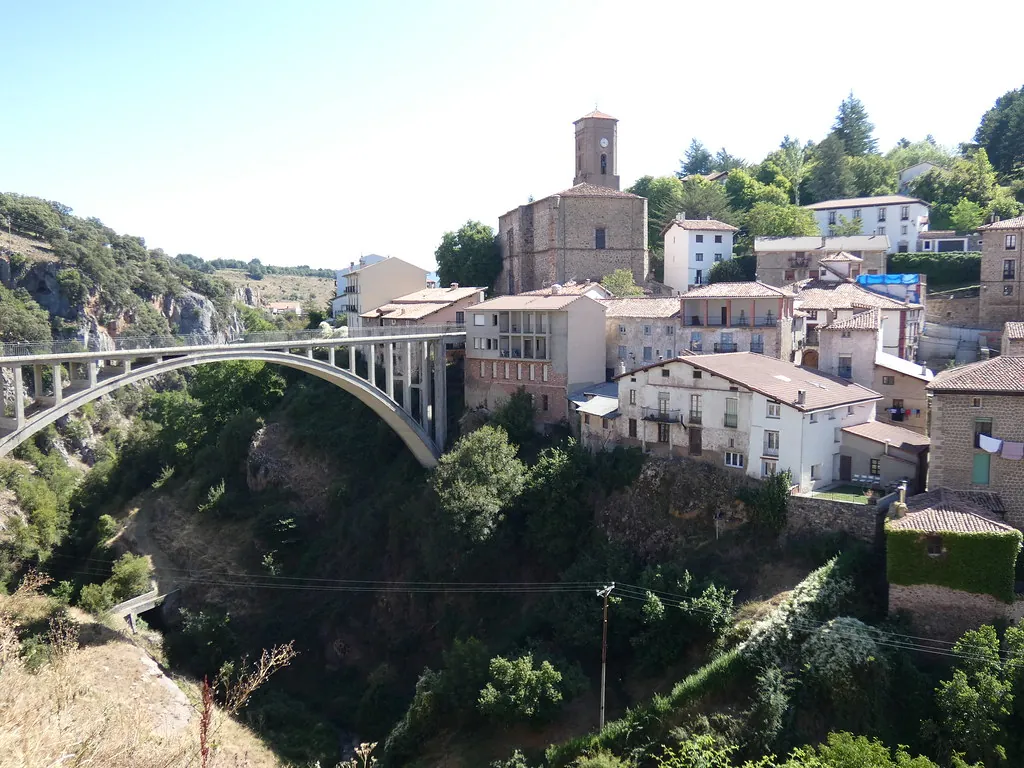
El trazado del núcleo antiguo responde a esa economía. Las calles son cortas y con pendiente, adaptándose al terreno quebrado. Las casas se construyeron en piedra, con madera para los corredores y los aleros profundos. Los muros son gruesos, pensados para el frío. En muchas se ven todavía los portones amplios, por donde entraban los carros o el ganado. Entre las viviendas quedan huertos y corrales, algunos aún en uso.
No hay monumentos que dominen el perfil. Lo que importa es el conjunto y cómo se adapta al lugar. En varios puntos, las casas se abren hacia el embalse González Lacasa, un pantano que está a pocos minutos a pie.
La iglesia y la trama del pueblo
La iglesia parroquial de San Pedro se levanta en una zona algo más despejada. La construcción actual es del siglo XVI, con reformas posteriores. Es de piedra, sobria, en la línea de la arquitectura de la zona.
Desde sus alrededores se entiende la relación entre el pueblo y el paisaje. Se ven las laderas que cierran el valle y, más abajo, el agua del embalse. Un paseo alrededor del edificio muestra detalles sencillos: puertas de medio punto, muros de sillarejo y carpintería maciza.
El interés de El Rasillo está en su arquitectura popular. Los corredores orientados al sur aprovechan la luz y el calor. Las escaleras exteriores y los patios empedrados organizan la vida doméstica de forma práctica. No es un pueblo hecho para impresionar, sino construido con lógica climática y ganadera.
Con un paseo corto por sus calles se comprende cómo funciona el asentamiento. En una hora, a paso tranquilo, se recorren los principales itinerarios. Conviene fijarse en los elementos menores: dinteles labrados, balcones de madera cerrados, patios de trabajo que hablan de tareas ahora menos visibles. Desde los bordes del casco, las vistas se abren hacia el embalse y las laderas de la sierra.
Senderos del monte y la sierra de Cameros
Varias pistas y senderos salen directamente de El Rasillo hacia los montes de la sierra. Una de las rutas conocidas sube hacia la ermita de San Cristóbal, situada en un collado a cierta distancia del pueblo. El camino atraviesa tramos de hayedo y robledal.
Son recorridos con desnivel moderado, aunque es aconsejable calzado adecuado para caminar. En los claros no es raro ver corzos o escuchar aves rapaces sobre las laderas. En otoño, el hayedo cambia de color y el paisaje se transforma, con tonos que alteran la vista de las colinas.
El embalse cercano también define el carácter de la zona. Las orillas del González Lacasa y los cerros que lo rodean crean uno de los paisajes más abiertos de esta parte de Cameros. Agua y bosque se juntan, dando al pueblo una sensación de amplitud pese a su alta posición.
Si hay tiempo, seguir cualquiera de los caminos que salen del pueblo cambia la escena rápidamente. En minutos, las casas quedan atrás y el entorno se vuelve bosque y praderas de montaña.
Fiestas ancladas en el calendario
Las principales fiestas de El Rasillo siguen vinculadas al ciclo tradicional del pueblo. En julio se celebra San Cristóbal con una subida a la ermita del mismo nombre. La procesión mantiene un carácter local, con participación de vecinos y familias que regresan durante el verano.
En agosto tiene lugar la fiesta de la Virgen de las Nieves. Es cuando el pueblo recupera parte de la población que vive fuera el resto del año. Las calles se llenan de nuevo, y los actos mezclan lo religioso con encuentros informales entre vecinos y familias retornadas.
Estas celebraciones reflejan el ritmo de un lugar donde muchos vínculos se extienden más allá del pueblo mismo. Aun con poca población estable, El Rasillo mantiene lazos a través de estos encuentros anuales.
Cómo llegar y cambios por estaciones
La ruta habitual desde Logroño sigue la N-111 hasta Villanueva de Cameros. Desde allí, una carretera secundaria sube hasta El Rasillo, con curvas y tramos estrechos propios de esta sierra.
El verano trae más actividad, con familias que regresan a sus casas por temporada. En otoño, el entorno cambia cuando el hayedo toma color. El invierno puede traer nieve, y es recomendable consultar el estado de la carretera antes de subir.
Incluso en los meses más suaves, las noches suelen ser frescas a esta altitud. Es parte de la vida cotidiana en los pueblos altos de Cameros, donde la elevación sigue marcando el clima tanto como marcó la arquitectura.
El Rasillo de Cameros se comprende mejor a pie y con paso tranquilo. Su interés está en cómo se construyó para hacer frente a inviernos fríos, pendientes pronunciadas y un pasado ganadero. El embalse, los bosques y la sierra nunca quedan lejos del todo, y juntos enmarcan un pueblo que sigue ligado a su condición serrana.