Full Article
about Lumbreras de Cameros
High-mountain municipality in the Sierra de Cebollera Natural Park; includes the hamlet of San Andrés.
Hide article Read full article
Lumbreras de Cameros: el pueblo que te recuerda quién manda aquí
Llegar a Lumbreras de Cameros es como entrar en la casa de alguien que vive en la montaña de verdad. No hay decoración para impresionar, solo lo necesario, y enseguida te das cuenta de que el paisaje es el que pone las normas. La carretera sube desde Villoslada dando curvas como si no hubiera un mañana, y cuando por fin ves las primeras casas, ya estás metido hasta el fondo en la Sierra de Cebollera.
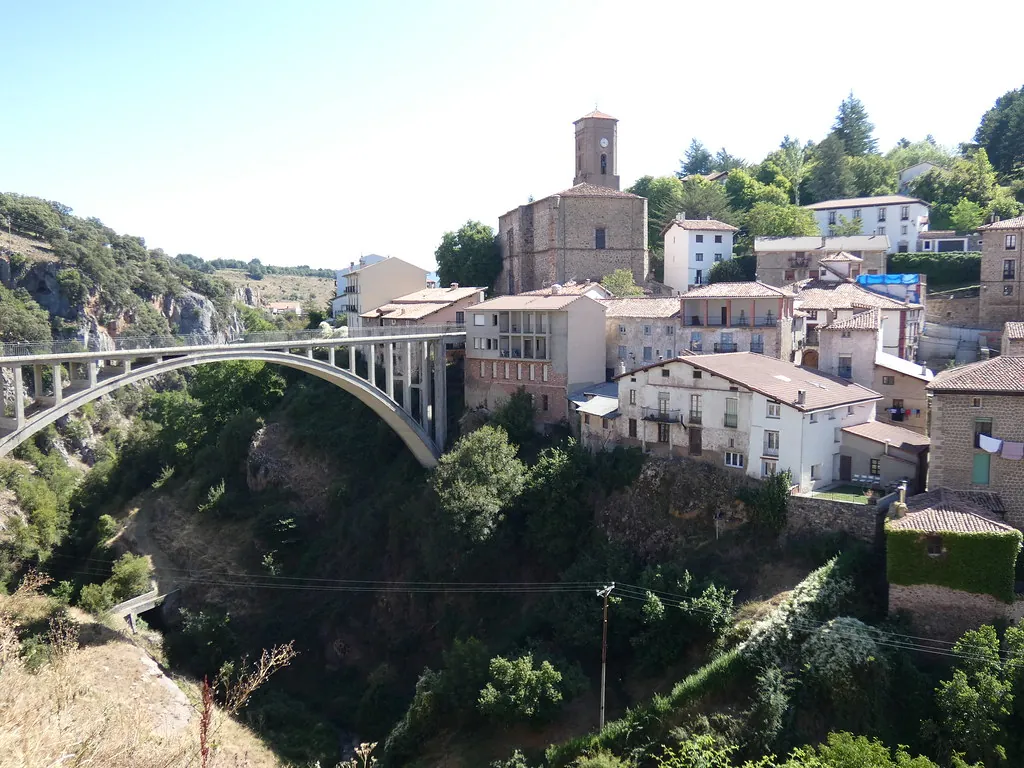
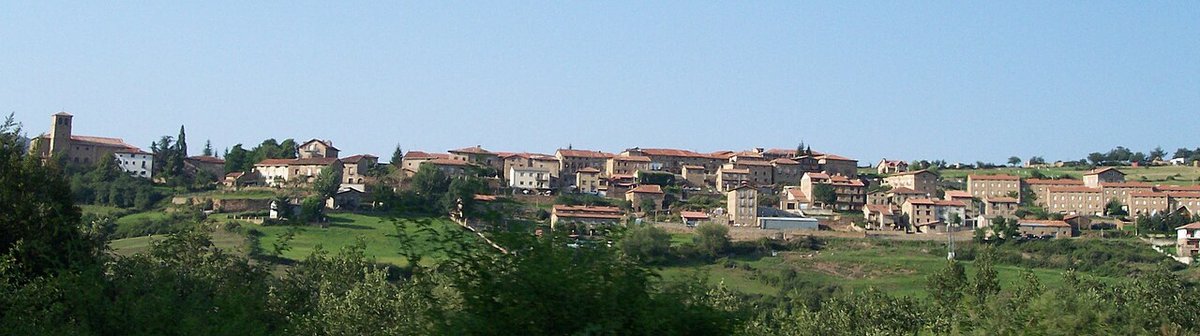
El pueblo es pequeño, incluso para lo que se estila por los Cameros. Unas 140 personas viven aquí todo el año. Las casas de piedra con balcones de madera oscura se agarran a la ladera, y las chimeneas parecen vigilar el valle. Todo se alarga junto al río Lumbreras, sin plazas grandes ni avenidas. Pasear por aquí tiene ese rollo de andar por la trastienda de un pueblo serrano: calles cortas, alguna cuesta y un silencio que pesa.
La iglesia que no llama la atención (y por eso gusta)
El punto de referencia claro es la iglesia de San Miguel Arcángel. No es una catedral ni pretende serlo. Su gracia está en lo contrario: parece ese libro viejo que encuentras en casa de tus abuelos y que resulta tener dibujos interesantes en los márgenes.
Por fuera pasa desapercibida, pero si te acercas verás los detalles del románico tardío en la portada. Los capiteles están gastados y la piedra tiene marcas de muchos inviernos. Si tienes suerte y la puerta está abierta, échale un vistazo dentro. No te llevará mucho tiempo.
De la iglesia salen callejuelas que suben y bajan sin complicaciones. Aquí no hace falta mapa; perderse es difícil y caminar sin rumbo funciona. Vas viendo dinteles tallados, carpintería tradicional y portones grandes que delatan una época en la que el ganado entraba y salía de las casas.
Lo importante está fuera: senderos y aire frío
La gente viene sobre todo por lo que hay alrededor. Lumbreras está dentro del Parque Natural Sierra de Cebollera, y eso se nota nada más bajar del coche.
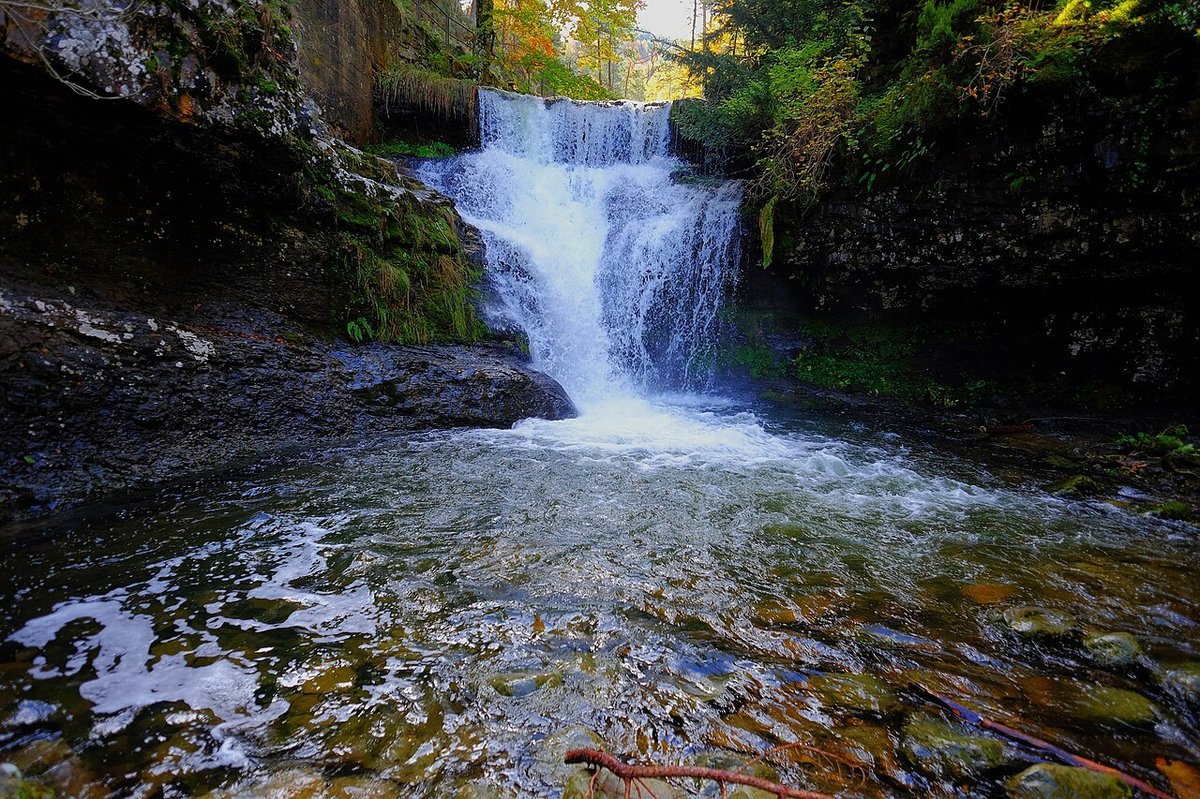
Hay senderos que van hacia el nacimiento del río Lumbreras. La ruta es asequible, más un paseo largo que una caminata épica; de esas en las que importa más la conversación que el cronómetro.
El paisaje cambia según hacia dónde vayas: hay hayedos tupidos, robledales y tramos de pinar. En los días claros, desde algunos miradores se distingue la silueta del Pico Urbión, el techo de La Rioja.
Subir al Urbión ya es otro cantar. Ahí sí conviene ir preparado. El tiempo aquí arriba cambia rápido; puedes tener sol y en media hora estar metido en una nube.
Para comer, lo típico es lo de siempre por esta sierra: setas cuando toca, carne de caza en temporada, trucha del río y queso camerano. Donde sentarte a comer hay poco, así que si planeas una caminata larga, meter algo en la mochila no es mala idea.
Fiestas para los del pueblo (y los que vuelven)
Las celebraciones giran en torno a San Miguel, a finales de septiembre. El ambiente tiene el tamaño del pueblo: actos religiosos, música y gente que vuelve porque vive fuera casi todo el año.
En invierno está San Antonio Abad, más sencillo pero con sentido en un sitio donde el ganado ha marcado la vida durante generaciones.
Son fiestas pequeñas. Aquí lo importante es saludar a conocidos por la calle, no ver espectáculos organizados.
Cómo moverte por aquí sin complicaciones
Lumbreras se ve sin prisa en un par de horas.
Lo mejor es dejar el coche a la entrada e ir andando. Un paseo por sus calles principales te lleva hasta la iglesia sin esfuerzo; desde ahí baja un poco hacia el valle para ver el pueblo desde fuera. Desde esa perspectiva entiendes mejor cómo se encaja entre las montañas.
Aquí refresca antes que abajo en el valle. En verano, al atardecer ya notas ese frío fino de montaña que pide otra capa de ropa; vestirte "a cebolla" funciona bien.
Mira bien el tiempo antes de salir a andar; la niebla baja rápido. Con el coche también hay que tener ojo: las calles son estrechas y todavía pasan tractores y vehículos grandes.
Si vas para allá (cosas prácticas)
Desde Logroño se toma la N-111 hasta Villoslada y luego sigues por la LR-113 unos quince kilómetros más. Es carretera serpenteante; conviene ir tranquilo y atento a cada curva. En invierno puede haber hielo o nieve; si anochece temprano le añade ese punto extra aislamiento si no conoces. Comercios hay pocos; alguna tienda pequeña abre pero suele cerrar pronto. Lumbreras funciona como base tranquila para explorar Cebollera o pasar una mañana paseando entre árboles. Su punto fuerte está en bajar el ritmo. Es ese tipo sitio donde sentarte un rato después andar dejar simplemente qué paisaje haga resto plan ya parece suficiente