Full Article
about Nieva de Cameros
Mountain municipality that includes the hamlet of Montemediano; known for its forests and quiet.
Hide article Read full article
First light in the village
Early in the day, when sunlight begins to slide across the square, the stone of the church of San Martín still holds the night’s cold. Tourism in Nieva de Cameros has something of that feeling: arriving while everything is quiet. A door opens somewhere, a shutter creaks, a bird of prey crosses the clear sky above the sierra. At more than a thousand metres above sea level, the air tends to be dry and fresh, and it shows on the skin even on bright days.
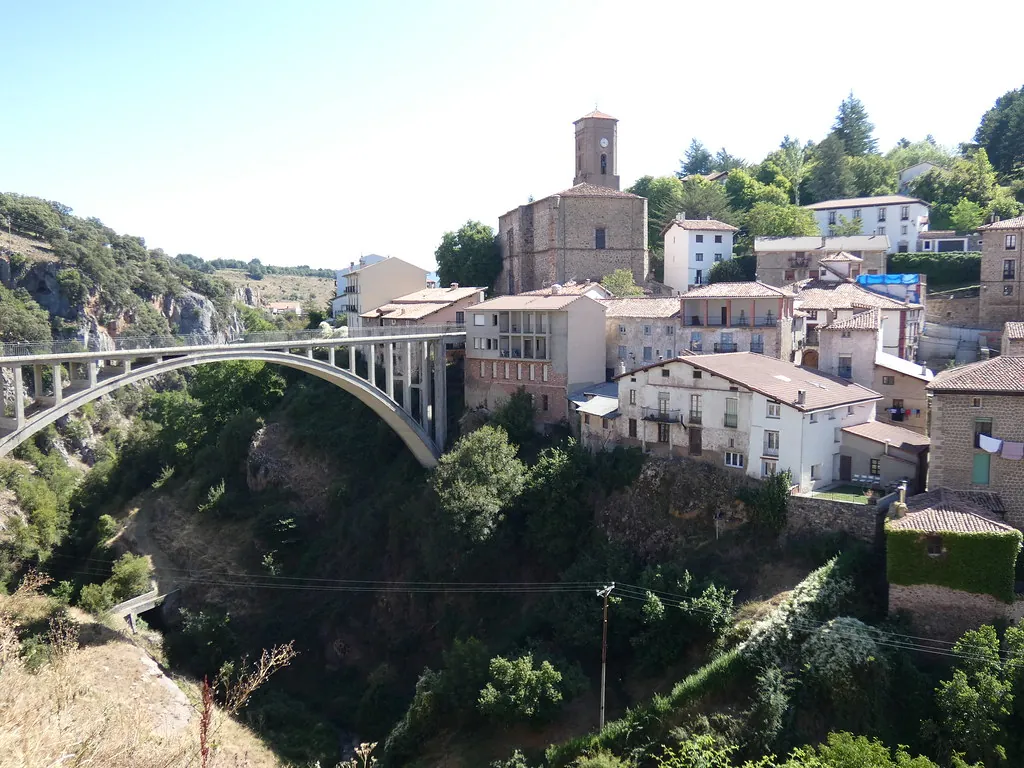
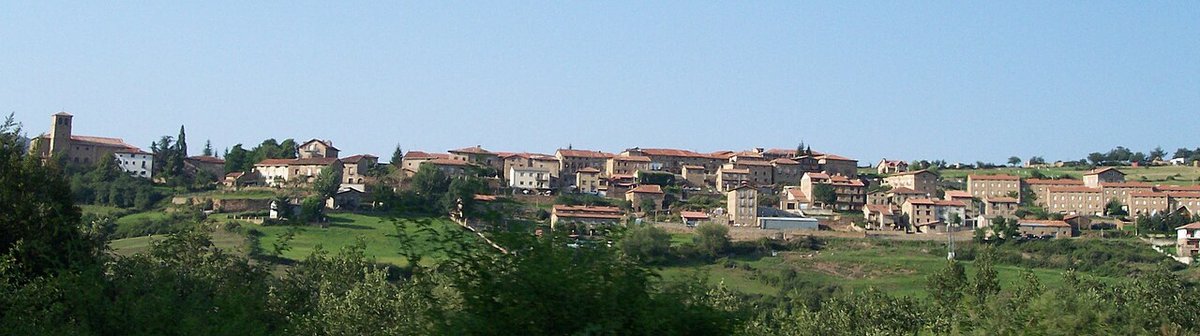
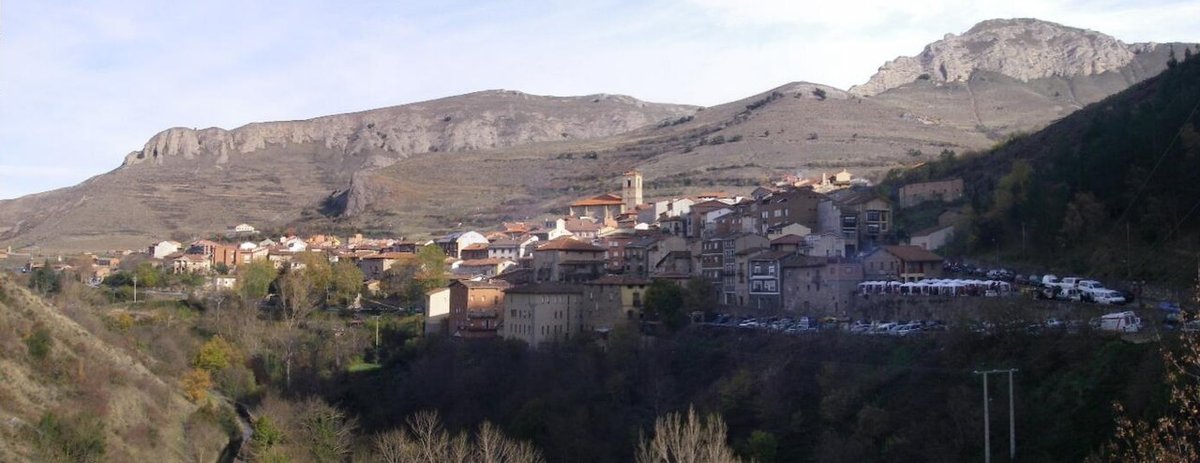
The road into the village reveals the landscape all at once. Low hills covered with pines and oaks shift in colour as the seasons change. Nieva has around a hundred residents, sometimes fewer depending on the time of year. The houses keep a certain consistency: rubble-stone walls, curved roof tiles, streets that rise and fall in search of light. Many gateways conceal inner courtyards that can barely be guessed at from outside.
The church and the square
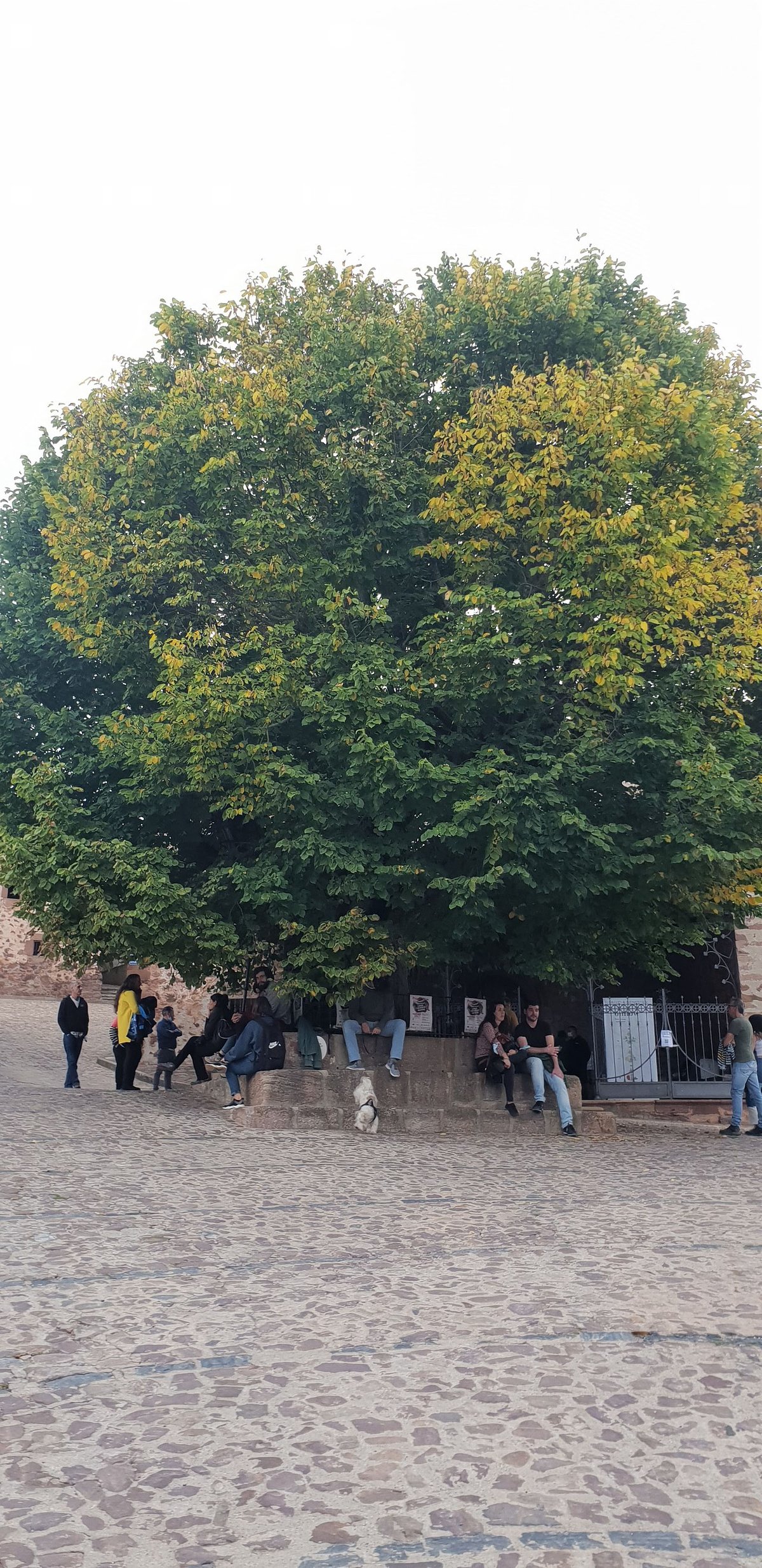
The parish church of San Martín stands on an uneven square that acts as a small centre for the village. The building seems to have taken shape over several centuries, which is common in this part of the sierra. On nearby façades, carved stone coats of arms are still visible.
Inside, the light filters in softly and leaves corners in shadow where dark wood stands out more clearly. The interior is not elaborate. It feels restrained instead. Silence here is usually complete, especially on weekdays.
Short streets, old details
A map is unnecessary in Nieva. The whole village can be covered in less than an hour, though it rewards a slower pace. Balconies with weathered iron railings appear along the way. Thick doors show mouldings worn by decades of use. A small niche set into a wall might go unnoticed without looking up.
The local mountain architecture reveals itself in small practical features. Some houses have covered galleries that shield against the wind. Walls are thick, and chimneys rise high above sloping roofs. These are homes designed for long winters.
Forests and paths beyond
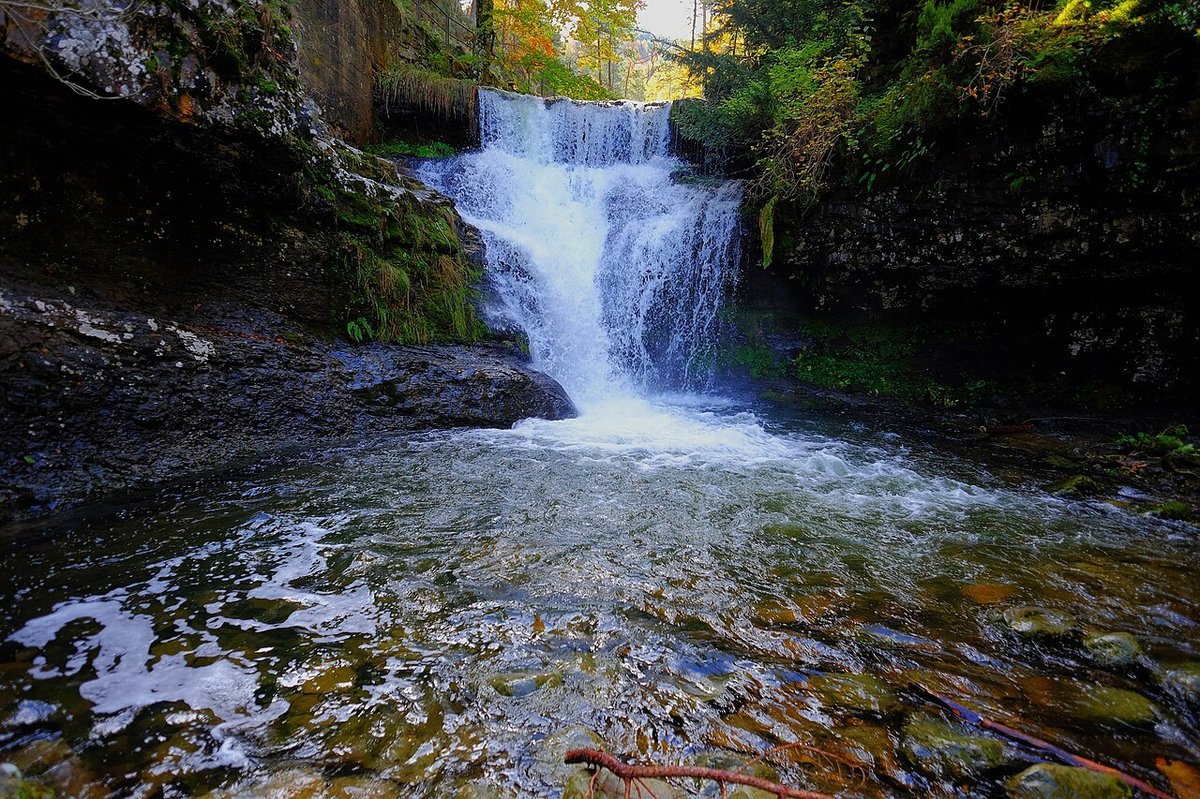
Just outside the village, the land opens towards the mountain ranges that separate the valleys of the Iregua and the Leza. Forest tracks lead into pine woods and areas where beech and oak also grow. Signage is not always clear, so anyone planning a longer walk should carry a map or GPS.
Autumn brings damp ground and, often, mushrooms. Níscalos appear, and in some years boletus can be found in the shadier areas. It is important to check local regulations on collecting them. If the species are not well known, it is better to leave them alone.
Winter transforms the landscape completely. Snow can cover the paths, and tracks of roe deer or foxes sometimes cross between the pines.
Natural viewpoints over the sierra
Several spots on the outskirts look out across the surrounding valleys. These are not formal viewpoints, but rather clearings at the edge of the woods or small rises beside the track. On a clear day, the horizon opens wide enough to make sense of the rolling terrain of Cameros.
Late afternoon is often the best time to pause. The light drops and the slopes begin to change colour.
When to come and what to keep in mind
Winter makes itself felt here. Ice or snow can appear on secondary roads, so it is worth checking conditions before heading up if the weather is unsettled. Even on sunny days, shaded areas hold the cold.
Spring and autumn bring the most variation to the landscape. April and May show fresh green growth, while autumn turns the hills into shades of ochre and red. Summer days can be warm, though temperatures fall quickly once the sun dips behind the sierra. Keeping a jacket in the car helps avoid that sudden chill at the end of the day.
Getting to Nieva
From Logroño, the usual route follows the N-111 to Torrecilla en Cameros and then continues along the LR-250. As the road climbs, it narrows and long bends wind through pine forest.
The drive is not especially difficult, but in winter the higher sections may hold ice early in the day. Taking it slowly becomes part of the journey.
Nieva de Cameros is not defined by major monuments or long itineraries. It is a small mountain village where time is marked by the light on stone façades, the sound of wind moving through the pines and the quiet that returns as evening falls. It suits an unhurried visit, with time set aside simply to look around.