Full Article
about Pradillo
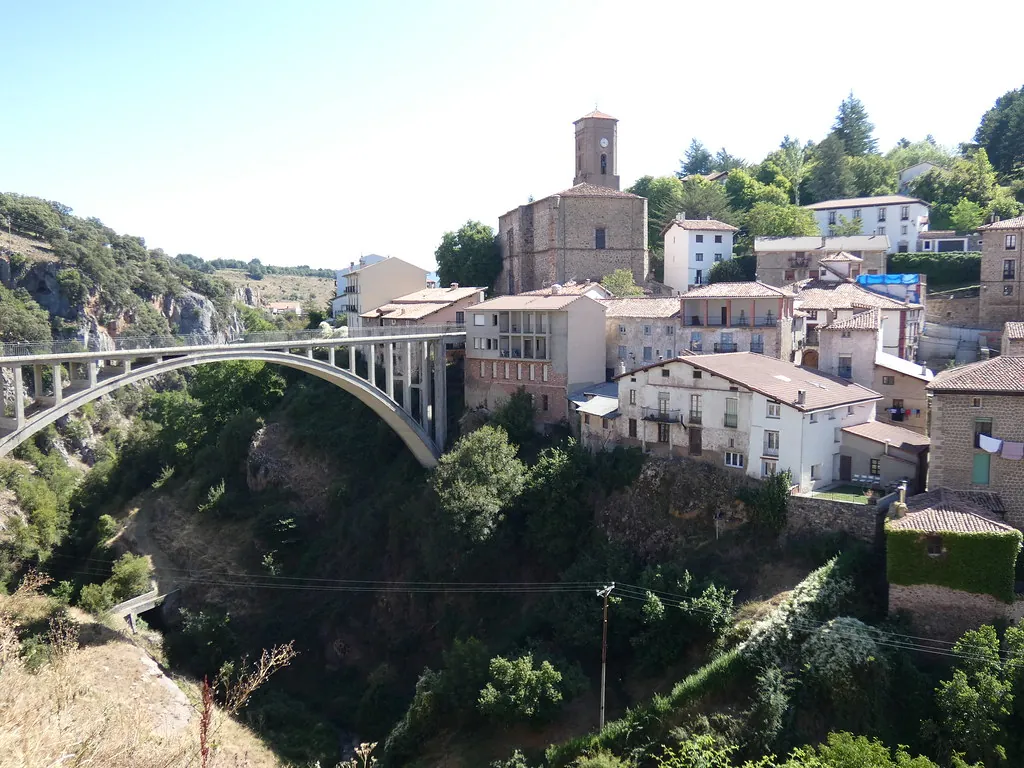
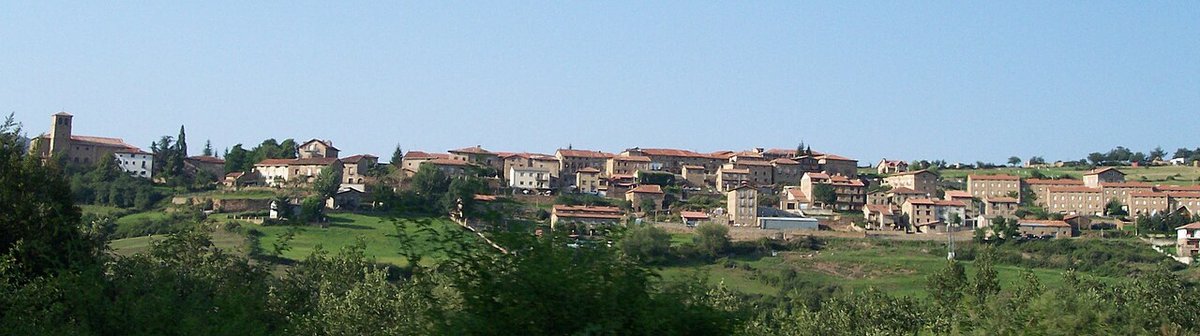
A well-kept village in Camero Nuevo with a tourist office; known for its granaries and medieval bridge.
Ocultar artículo Leer artículo completo
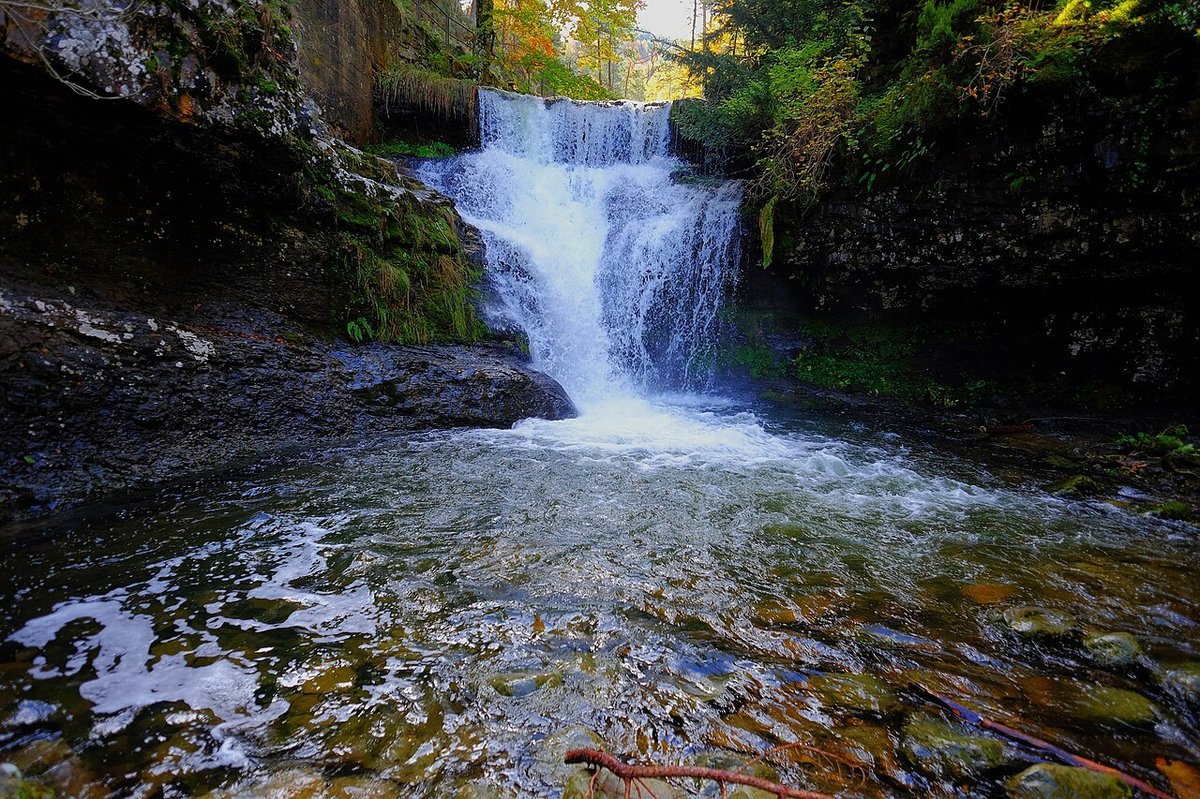
At 880 m the air thins just enough to sharpen the scent of pine resin and wet slate. Pradillo sits in a fold of the Sierra de Cebollera, 40 km south of Logroño, with barely sixty souls on the electoral roll and not a single shop. You will hear water before you see people—two streams meet below the church and carry snow-melt down to the River Iregua all year.
The village is a 15-minute climb from the nearest petrol pump, so fill up in Torrecilla en Cameros or risk the dash to Soria with the fuel light flashing. The road, LR-250, narrows to a single track just after Villoslada; hedges of broom scrape the wing mirrors of a standard UK hire car and the camber drops alarmingly where winter frost has nibbled the tarmac. Fog can settle without warning: if the pine trunks disappear, pull over and wait—Spanish drivers still treat the centre line as a suggestion.
A half-hour loop of stone
Park by the stone trough at the entrance; turning space is limited and the only street wide enough for two cars doubles as the playground. The church of San Martín de Tours stands a full storey above the lane, its Romanesque base dressed with later brickwork. Climb the uneven steps slowly—altitude and Rioja lunch both make hearts beat faster. Inside, a 17th-century retablo glitters with gilt cherubs; the side chapel houses a tiny museum of carved chestnut saints. Opening hours follow the priest’s asthma: usually 11 a.m. to 1 p.m., but call the parish mobile pinned to the door if you arrive to a padlock.
From the porch you can complete a circuit of the village in twenty minutes, yet the details hold you longer. Cameros houses are built for long winters: walls a metre thick, balconies deep enough to store firewood, slate roofs weighted with stones the size of loaves. Some facades are freshly repointed in honey mortar; others slump behind brambles, their keys still in the locks. Peek through the iron grille beside number 14 and you’ll see a cobbled courtyard with a hand-pump still rising from the well. No gift shop, no interpretive panel—just the quiet creak of a barn door that has hung since 1847.
Walks that start at the last lamppost
The tarmac ends where the hay meadows begin. A waymarked path, Sendero del Hayedo, leaves from the top of the village and climbs 200 m through oak and beech to a col at 1,100 m. The gradient is gentle but relentless; after rain the clay grips boots like wet concrete. Allow ninety minutes return, longer if you stop to watch coal tits chase each other through the branches. In late October the forest turns copper overnight—Spanish weekenders arrive with tripods and thermos flasks, so set off before ten if you want the trail to yourself.
For a shorter stretch, follow the concrete track sign-posted “Pozos de Nieve” for fifteen minutes until the last roof vanishes behind a spur of rock. These snow pits, stone-lined and grass-capped, stored ice for Rioja’s fish markets until the 1950s. They are shallow now, filled with sheep droppings and last year’s leaves, but the view opens north across the Iregua valley and the ridge beyond. On a clear day you can pick out the white turbines above Logroño airport 50 km away.
Food where the menu depends on who answers the door
Pradillo has one public bar, Casa Ramón, open Friday evening through Sunday unless the owner drives to Bilbao for a christening. Inside, the ceiling is low enough for a six-footer to test the beams; jamón legs dangle like muddy climbing boots. Order queso camerano semi-curado (€6) and a glass of white Iregua—light, almost grassy, a relief if classic oaked Rioja cloys. The set menu del día runs to patatas a la riojana (potatoes, chorizo, sweet paprika) followed by cordero asado; €14 including half-bottle of house red. Vegetarians can request menestra de verduras, a spring-veg stew that arrives in a puddle of mild garlic broth. Pudding is either flan or flan—bring a cereal bar if you need choice.
If the bar is shuttered, the nearest reliable lunch is in Villoslada ten minutes down the hill. There, Posada de las Lagunas serves chuletón al estilo Rioja: a single rib of beef the size of a hardback book, flamed over vine shoots and meant for two. Chips arrive first, piled like Jenga blocks; ask for a green salad or you’ll eat nothing but protein and grease.
Seasons that change the locks
Winter arrives early at this height. The first snow can dust the pass in late October and the LR-250 is gritted only as far as the timber mill; beyond that, chains or 4×4 are compulsory. Daytime temperatures hover just above freezing, but the air is so dry that laundry on a balcony will freeze stiff and whip in the wind like plywood. The village empties: many houses are second homes for Logroño families who appear only at Christmas to drink chestnut liqueur and argue over inheritance.
Spring is brief and exuberant. By mid-April the meadows are knee-high with buttercups and the streams roar with meltwater. Wild orchids spot the roadside; adders sun themselves on the stone walls and are harmless if left alone. This is the best season for walking: daylight lasts until nine, the bar terrace catches the evening sun, and you can still park where you like.
Summer brings relief from the Rioja plains—temperatures sit five degrees cooler than Logroño—but also clouds of Spanish cyclists who treat the mountain road as a personal Tour de France. August fiestas swell the population to perhaps 200; a brass band plays until 3 a.m. and someone always drives a tractor through the speakers’ power cable. Book accommodation down the valley if you value sleep.
Autumn is the photographer’s window. Morning mist pools in the Iregua while the beech wood flames orange above. The single grocery van from Torrecilla visits on Tuesdays; locals queue for sacks of potatoes and gossip about who has left their house to the council for tax relief.
What the brochures leave out
There is no cash machine, no post office, no chemist. Mobile coverage is patchy: EE picks up one bar on the church steps, Vodafone gives up entirely. The public loo beside the playground is locked from October to May; the key lives with the mayor, whose front door has no number. If you need petrol, bread or paracetamol, drive down before 8 p.m.—Spanish village shops shut early and do not reopen.
Accommodation exists, but the solitary rental house is 6 km up a forestry track that turns to axle-deep mud after rain. Check the GPS pin before you pay; satellite photos do not lie. Most visitors base themselves in Villoslada or Torrecilla and treat Pradillo as a coffee halt between longer hikes.
The sensible way out
Leave at least an hour of daylight for the descent. The LR-250 twists without cat’s-eyes and local hunters drive home at dusk with a beer in one hand and a dead boar in the boot. Back in Logroño, the tapas bars of Calle Laurel feel raucous after an afternoon in the beech wood; order a glass of young white Rioja and notice how the city smells of garlic and diesel instead of moss and woodsmoke.
Pradillo will not change your life. It will give you a quiet hour of stone, slate and silence, a cheese that tastes of mountain thyme, and a reminder that Spain still has corners where the loudest sound is a cow bell drifting up from the valley. Turn the car round carefully, mind the puddle by the trough—then roll down the window and let the pine air linger as long as the road stays straight.