Full Article
about Rabanera
Small village in the Camero Viejo; unspoilt setting and silence.
Ocultar artículo Leer artículo completo
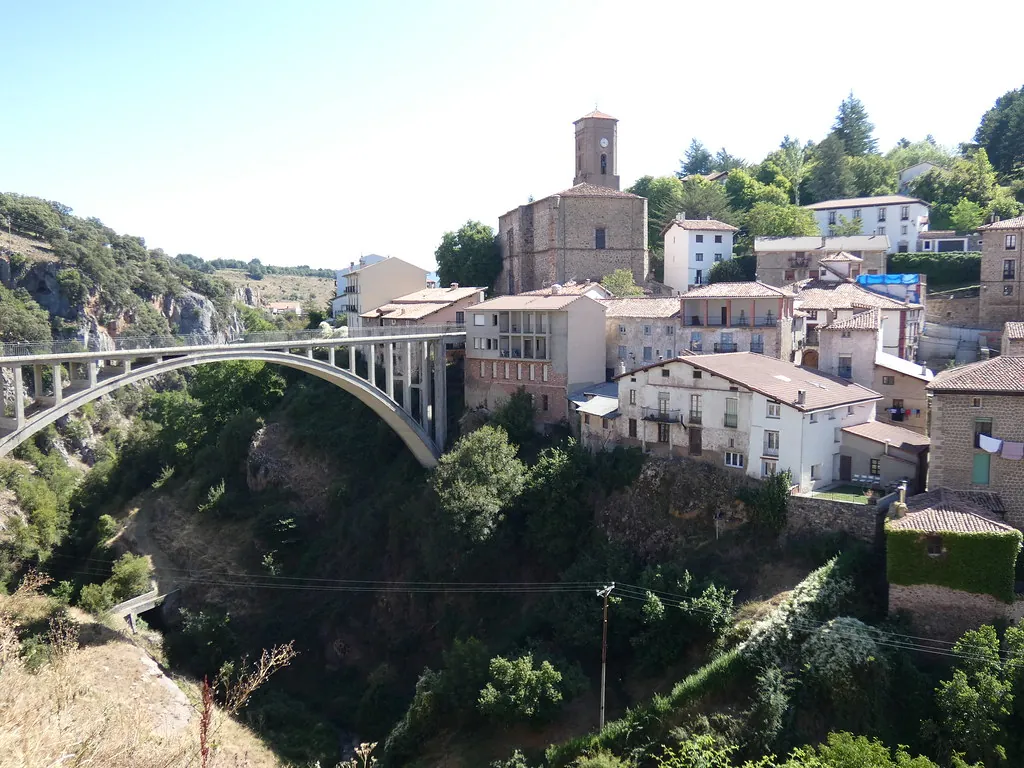
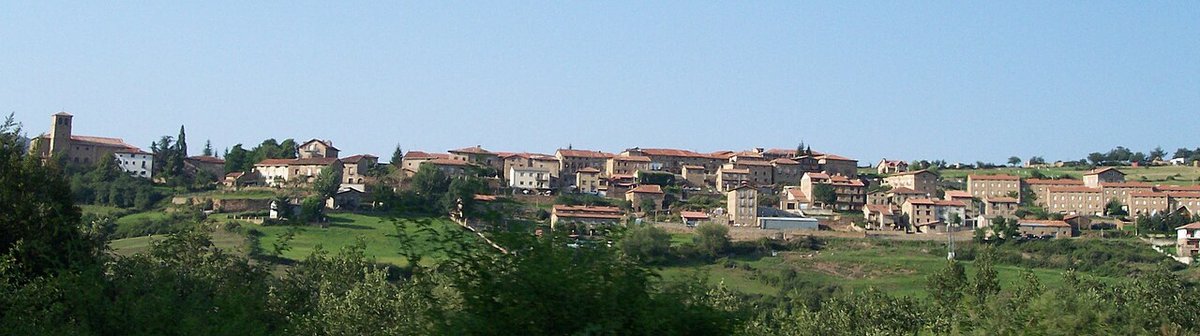
The church bell strikes noon, yet only two streets away a cockerel still crows. Rabanera runs on mountain time—nine hundred and seventy-four metres above sea level, thirty-one permanent residents, and a pace set by livestock rather than smartphones. Stone houses shoulder together against the Cameros wind, their timber balconies painted the same ox-blood red you will see on half-shutters across these sierras. Nothing here was arranged for visitors; the village simply carried on long enough to become interesting again.
A Village That Forgot to Shout About Itself
Most people who find Rabanera are already lost on the way to somewhere else. The LR-113 wriggles up from the Ebro valley, leaves the last vineyard behind at Torrecilla, then climbs through holm-oak and pine until the tarmac narrows and the temperature drops five degrees. Suddenly the road flattens onto a small plateau, houses appear, and a hand-painted sign warns drivers to slow for free-range chickens. There is no car park—just a broad patch of gravel beside the former station yard. Leave the car unlocked and nobody will touch it; the biggest risk is a goat using the bonnet as a step-ladder.
Rabanera never had a castle, a silk market or a famous siege. Its architecture is the monument: thick sandstone walls, slate roofs pinned with quartz pebbles, doorways carved with the original house number and, above it, the year—1887, 1903, 1921—each date marking a rebuilding after a winter that cracked the beams. Walk the single main lane slowly and you will spot the join between old and merely old-ish: newer cement repointed in neat lines, satellite dishes tucked behind chimney stacks, an electric car charging cable strung across what was once a hay loft. The village is lived-in, not preserved-in-aspic.
Walking Tracks That Start at the Front Door
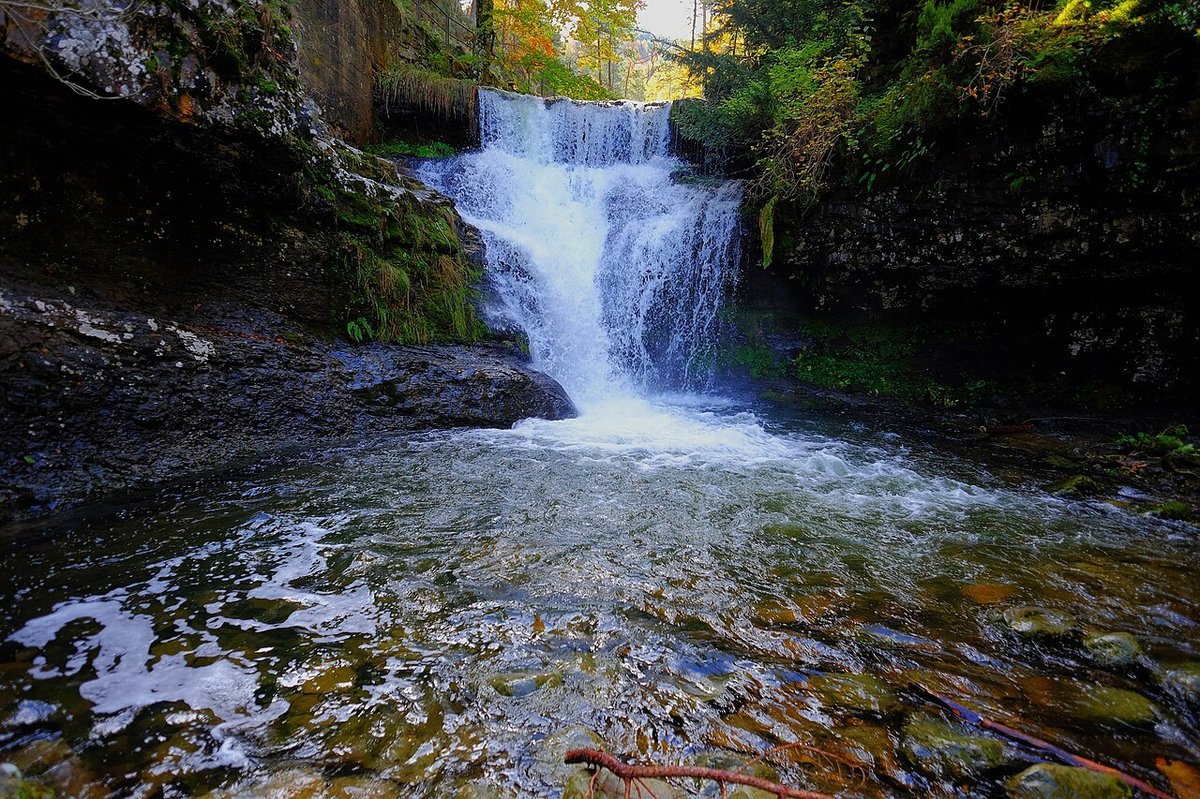
Within five minutes of locking the car you can be on a proper mountain path. Head past the church, take the concrete ramp that once fed coal into the station, and choose: left follows the green-and-white waymarks to the ruined shepherd hamlet of Traslavilla (45 min), right drops into a stream gorge where otters leave fish heads on flat stones. Neither route appears on the glossy “Rioja Walking” leaflets handed out in Logroño; signposts are wooden squares nailed up by the village council, distances measured in “horas de burro”—the speed of a laden donkey, not a British rambler with trekking poles.
The sierra is at its best in late April and mid-October. Spring brings purple orchids among the scree; autumn colours the beeches so vividly that even the sheep stop chewing. In July the woods are dry enough to snap underfoot and temperatures can still hit thirty at midday—walk early, siesta late, repeat. Winter is serious: snow arrives overnight, the LR-113 is gritted only as far as the neighbouring village, and the station house landlord will phone ahead to check you have snow chains before he hands over the key.
Food Meant for Empty Stomachs and Full Lungs
There is no restaurant in Rabanera itself. What you will find is a front room with three tables, open when María-José feels like cooking. Ring the bell beside the green gate (€12 menu, cash only) and she might serve a bowl of sopa de trucha made with trout that was swimming that morning, followed by cabrito al horno—kid goat slow-roasted with garlic and a single bay leaf from the tree outside her kitchen. Vegetarians get a thick potato and piquillo-pepper stew that could convert the most committed carnivore for an evening. Pudding is cuajada, sheep’s-milk curd drizzled with local honey; the flavour is clean, sharp, slightly sheepy, and tastes exactly like the landscape smells at dawn.
If self-catering, stock up in Salas de los Infantes, fifteen minutes down the valley. The supermarket there sells decent Rioja crianza for €6.50 and will vacuum-pack cheese so the aroma does not colonise your suitcase. Back in the village, buy eggs from the honesty box beside the schoolhouse—€1.50 for half a dozen, feathers still attached.
Where to Sleep (and Why It Used to Move)
The most memorable bed in Rabanera is inside the old railway station. Renfe closed the line in 1985; villagers bought the building for one peseta, provided they promised to keep the roof on. Today “La Estación” is a five-bedroom holiday house with the original ticket window turned into a kitchen hatch and the platform still marked “Salida” (Departure). British families book it solid for October half-term, so reserve early. Nights are silent enough to hear the fridge think, and the only passing traffic is the occasional wild boar snuffling along the rails.
Alternative shelter is offered by Casa Ramón above the bakery—a simpler affair, all wool blankets and low doorframes. Both places leave a torch (flashlight) on the bedside table because power cuts are part of the entertainment. Phone signal is patchy; Vodafone users may find one bar if they stand on the picnic table and face north-east. Treat this as a feature, not a bug.
The Calendar No One Prints
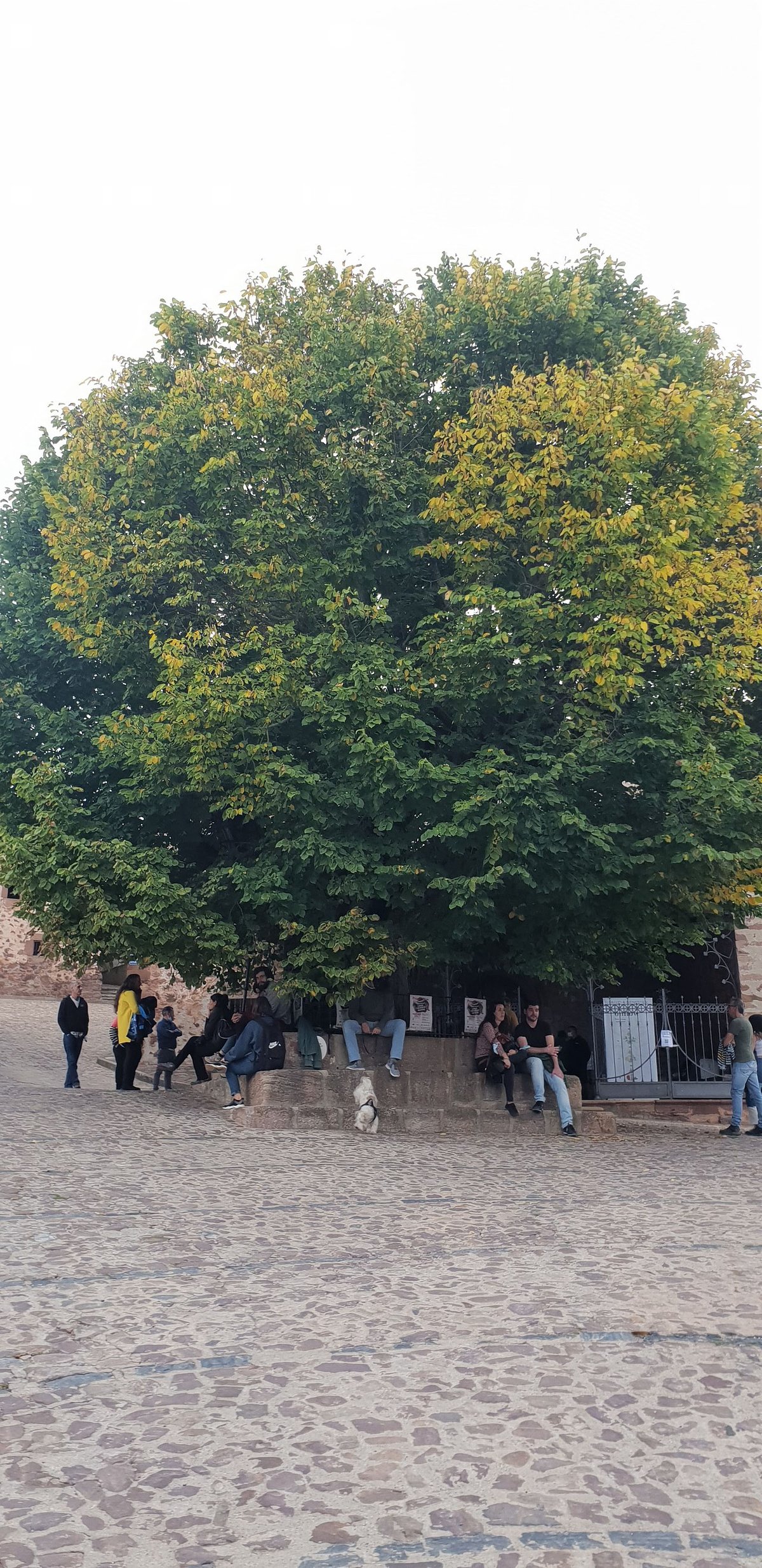
Rabanera’s social year revolves around days when the population temporarily quadruples. The fiesta patronal, 15 August, brings back emigrants from Bilbao and Barcelona. A brass band plays paso-dobles in the square, toddlers chase balloons, and the evening ends with a communal paella cooked in a pan wide enough to double as a paddling pool. Smaller, stranger events happen without warning: the day the shepherd dogs compete to round up ducks, or the mushroom-count championship in October when locals gamble on who can find the greatest weight of níscalos without leaving the municipality. Visitors are welcome to join, but no one will explain the rules; part of the fun is working out why half the village is cheering a cocker spaniel wearing a red ribbon.
Leaving Without Getting Stuck
Check-out time is flexible, but aim to depart before 11 a.m. if heading east. The sun then sits behind the peaks, melting overnight frost and turning the road into a slalom of shadow and ice. Fill the petrol tank in Torrecilla; the next garage is 40 km away and closes for lunch. Back on the N-234 you will meet coaches shuttling tourists to the “real” Rioja—vineyards, wine shops, souvenir corkscrews. Rabanera offers no souvenir except perhaps a pocketful of dry pine needles and the memory of a place that never asked to be noticed. Drive away slowly; the cockerel is still on duty, and the sierra has no interest in your schedule.