Full Article
about San Roman de Cameros
Head of the Camero Viejo; a village with history
Hide article Read full article
A Village You Choose to Reach
Some places appear because they sit along your route. San Román de Cameros is the opposite. You arrive here because you decided to turn off.
The road makes that clear early on. It winds through the hills, with woodland closing in and a growing sense that whatever noise you left behind has stayed several kilometres away. By the time you stop the car and step out, the first thing that stands out is the quiet. Proper quiet, only interrupted by distant livestock or the occasional vehicle that takes its time to appear.
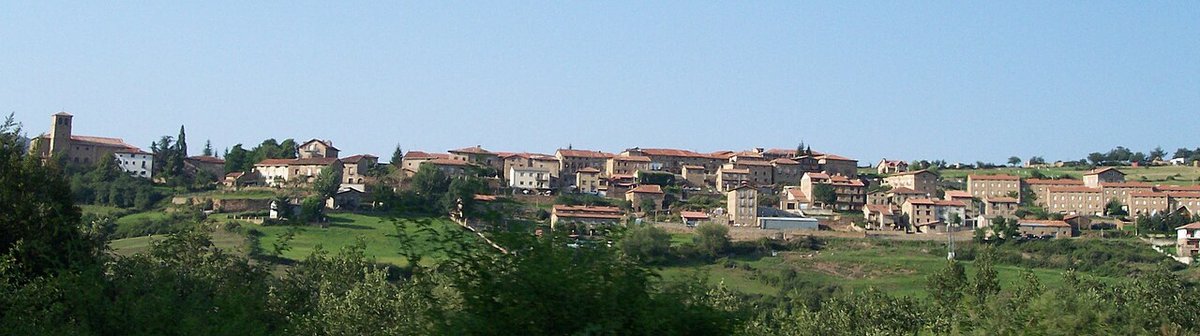
San Román de Cameros lies at around 840 metres above sea level, set in a mountain pass surrounded by forested slopes. Just over a hundred people live here. This is not a place for major landmarks or headline attractions. It is somewhere to see what a Cameros village feels like when there is no rush at all.
A Walk Through the Village
The centre is small enough to explore in a short time. That is not an exaggeration. Within a brief wander, most of the streets reveal themselves.
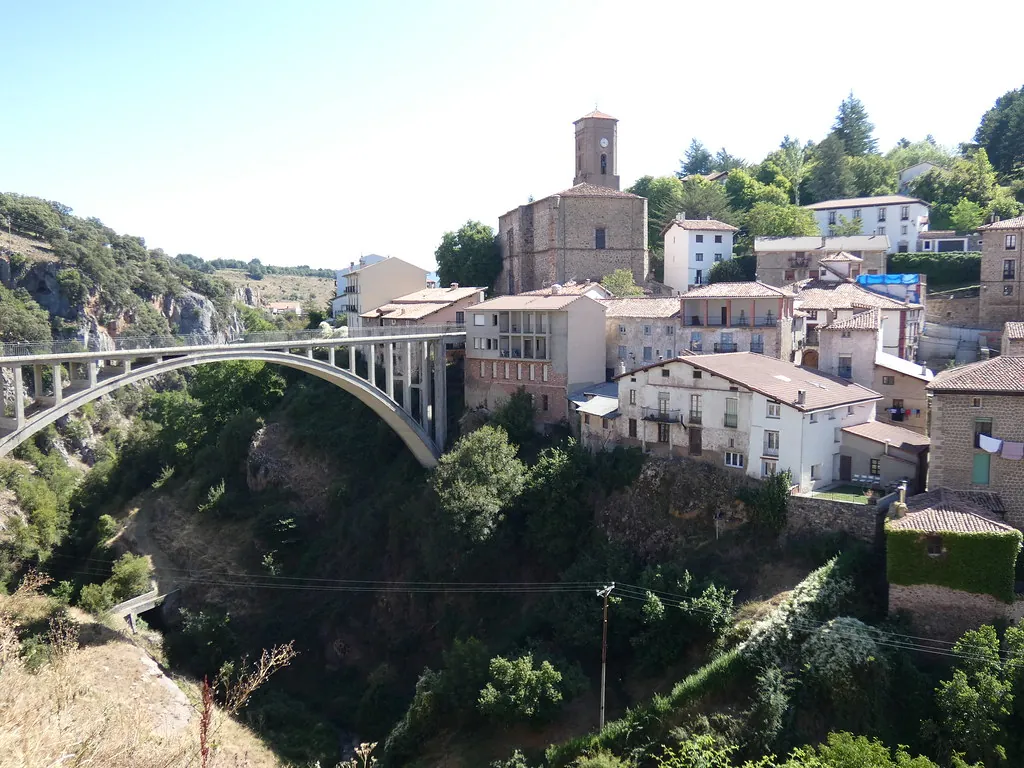
Calle Mayor rises gently through the village, lined with stone houses built in traditional masonry. Roofs are tiled, balconies are made of iron, and some still hold old tools or objects linked to agricultural life. Many of these houses seem to have changed gradually over time, adapting without losing what was already there.
The parish church of San Román occupies the most prominent position. It has a solid stone structure and a restrained appearance, typical of this part of La Rioja. In front of it, the view opens out across the surrounding landscape. It is not a formal viewpoint, yet it works as one. People often pause here, leaning on the low wall and looking out over the valley.
Between the streets, traces of the village’s past remain visible. There are corrales, old haylofts, and threshing areas in nearby meadows. These are clear reminders of a time when daily life revolved almost entirely around livestock and the land.
Paths and Hills Around San Román
For those who enjoy walking, the area around San Román de Cameros offers plenty of options. Paths have existed here for decades, in some cases much longer, linking villages and grazing areas across the valley. Several of them follow the same routes once used by shepherds moving their animals.
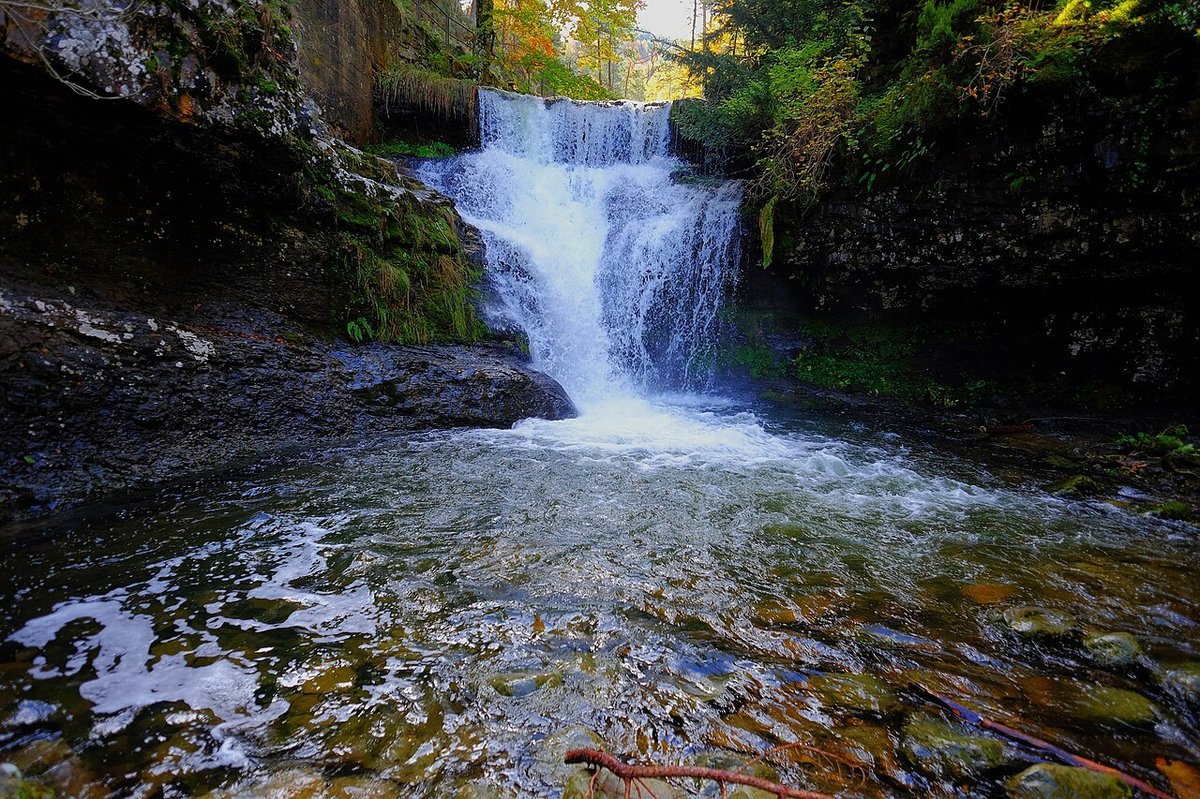
One of the more common routes descends towards the valley of the River Leza. This is not a manicured park walk. Sections can be uneven, with stone underfoot, slopes to negotiate, and stretches where the path narrows. Good footwear is advisable, and a steady pace makes all the difference.
The surrounding hills are covered with a mix of beech, oak and pine, depending on the slope. In summer, the shade is welcome. When autumn arrives, the landscape shifts in tone, with darker colours taking over and giving the area a more rugged, interior feel.
Early mornings can bring signs of wildlife. Roe deer and wild boar move through these hills, and birds of prey can often be seen circling above. Sightings are never guaranteed, but this is the kind of place where nature remains very present.
Food in the Cameros Region
Local cooking reflects what has traditionally been available: livestock, simple vegetable plots, and whatever the surrounding countryside provides during each season.
Queso camerano is perhaps the most recognisable product from the area. Traditionally made from goat’s or sheep’s milk, it has a strong, distinctive flavour. Alongside it, cured meats appear regularly, as do mushrooms when conditions have been favourable. Hearty stews are also common.
In small villages across Cameros, when you do find somewhere open for a meal, the menu tends to be short and rooted in home cooking. Expect dishes such as migas, potato-based stews, game when in season, or locally grown vegetables. There is nothing elaborate about it. After time spent walking in the hills, this kind of food usually feels just right.
Festivities and Everyday Life
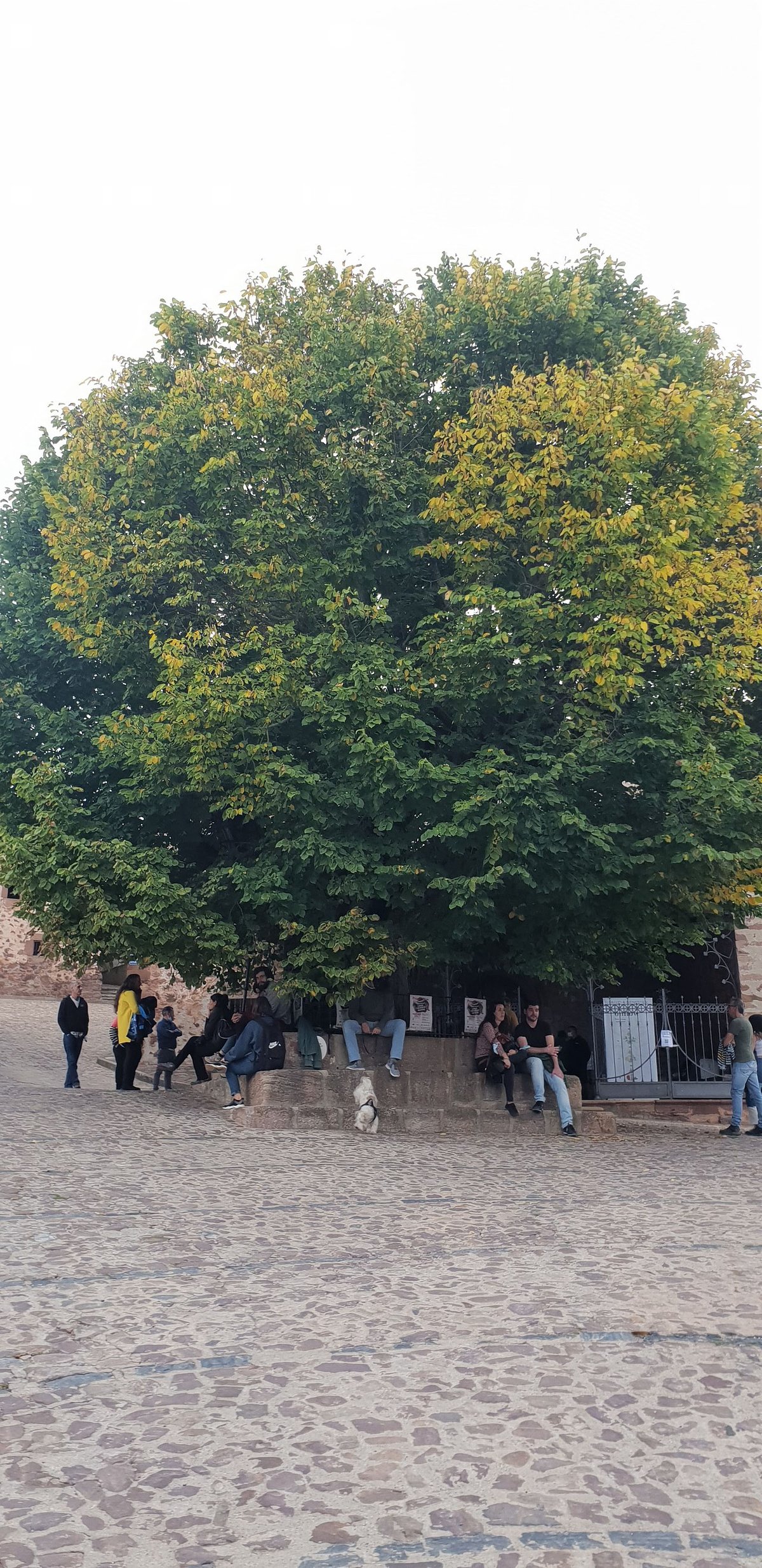
The main celebrations in San Román de Cameros take place in summer, when people with family ties to the village return. During those days, the rhythm changes. There is music, simple processions, and long gatherings in the square as evening turns into night.
Spring brings romerías to nearby hermitages. These are informal pilgrimages or local gatherings rather than organised events for visitors. People bring homemade wine, bread, and shared food. The atmosphere is closer to a neighbourhood meeting than anything structured.
For the rest of the year, life is very quiet. It is the kind of place where a tractor passing through the street can feel like the day’s main event.
When to Visit and What to Know
Spring and autumn are often the most rewarding times to visit San Román de Cameros. In spring, the valley turns intensely green and the hills begin to stir again after winter. In autumn, colours deepen and the landscape takes on a harsher, more mountainous character.
Winter can be appealing in its own way, though conditions can also be tough. Heavy snowfall may leave the area quite isolated for a time.
Weather changes quickly in this part of La Rioja. A sunny afternoon can turn cold before long, especially if you head out along the mountain paths. It is best to come prepared for that shift.
Signage is limited once you leave the village centre, and mobile coverage is not always reliable in the surrounding hills. This is fairly typical for the Cameros region. Checking your route in advance and carrying what you need makes things simpler.
San Román de Cameros is the kind of place where very little happens. That is precisely the appeal. A short walk, a quiet pause by the church looking out over the valley, and the sense of having stepped, even briefly, into a slower rhythm. Here, everything moves at its own pace.