Full Article
about Soto en Cameros
Gateway to the old Camero and birthplace of Soto marzipan; a noble village in the Leza canyon.
Hide article Read full article
Soto en Cameros es ese pueblo que entiendes al llegar
Hay sitios que te cuesta descifrar y otros que pillas a la primera. Soto en Cameros es de los segundos. Llegas, das dos vueltas por sus calles, miras alrededor y ya está. El ritmo aquí es el de un lugar donde el campo pesa más que el ruido.
No hay grandes monumentos ni un casco histórico para perderte toda la mañana. Lo que encuentras es paisaje y silencio. Y algunos días, eso importa más que cualquier museo.
Un puñado de calles y una iglesia sin pretensiones
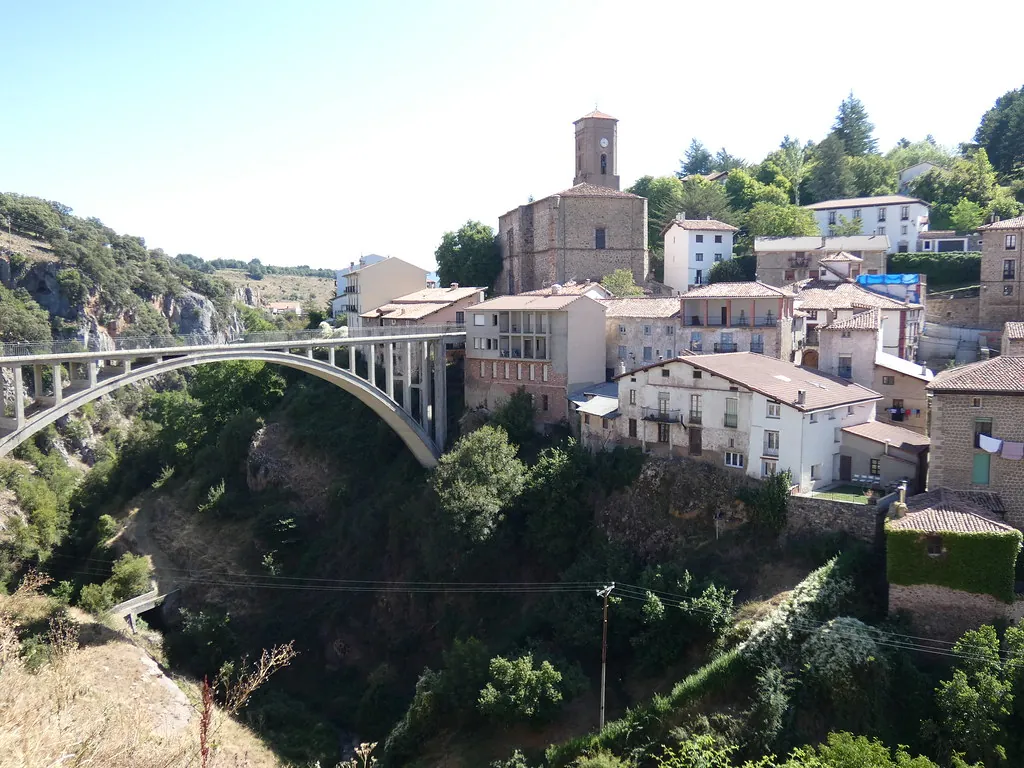
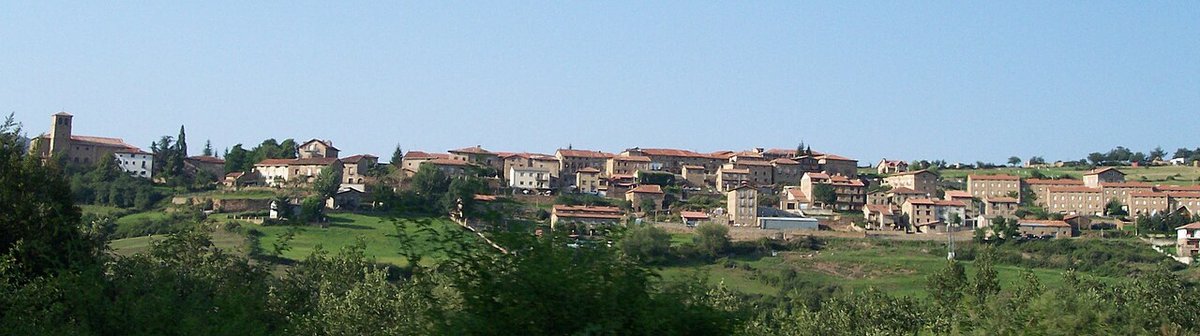
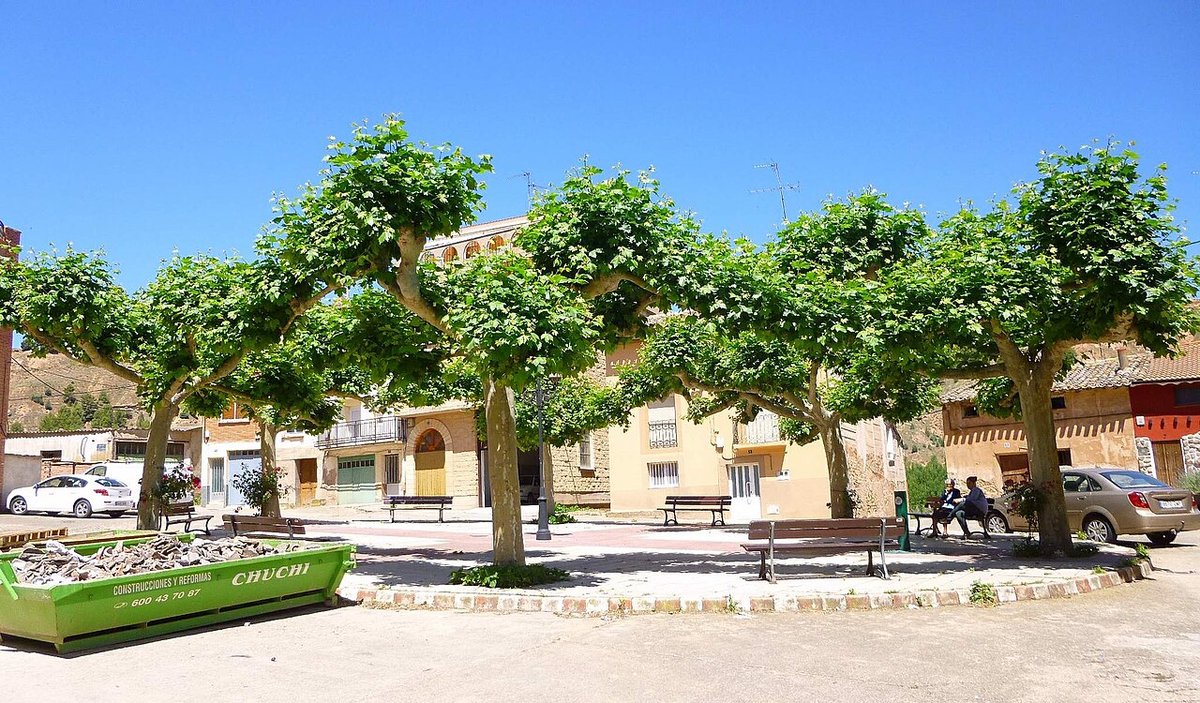
El pueblo es pequeño. Unas pocas calles se juntan en la plaza, con casas de piedra y ventanas pequeñas que hablan de una vida atada al terreno.
La iglesia parroquial es del siglo XVI, dedicada a Santa María de la Cabeza. No es especialmente grande ni recargada. Tiene más pinta de herramienta bien usada: sólida, sobria y hecha para durar sin florituras.
Pasear por las calles tiene algo de abrir un cajón viejo y ver qué hay dentro. Aparecen detalles según avanzas: contraventanas pintadas a mano, hiedra trepando por un muro, una puerta de madera desgastada. No hay tiendas modernas y apenas movimiento. Si quieres un café o algo sencillo para comer, suele depender de la opción modesta que haya en el pueblo ese día o de lo que hayas traído tú.
Con unos 80 habitantes, el ambiente es justo el que imaginas: tranquilo, cotidiano y no pensado para el turismo.
Sal del pueblo y aparecen los caminos
En cuanto sales del último edificio, empiezan a verse senderos. Algunos están señalizados, otros parecen hechos solo a base de pisadas.
El paisaje mezcla robles y hayedos con prados abiertos. A veces, caminar aquí se parece a estar en un parque grande al final del día, cuando casi todo el mundo se ha ido a casa. La diferencia es la escala. Aquí esa sensación de espacio se estira kilómetros.
Si vas con calma, es fácil ver señales de fauna o escuchar aves rapaces arriba. También se pueden ver corzos, sobremente al amanecer o al atardecer. No es un entorno controlado, claro. Es campo que sigue funcionando como siempre.
Muchos de estos caminos fueron antes rutas para el ganado. La gente los usaba para mover animales o llegar a las construcciones desperdigadas por la sierra. Esa historia sigue presente en cómo se sienten bajo los pies. No se diseñaron para hacer senderismo como ocio, pero siguen abiertos para quien quiera seguirlos.
El Peñón de Socovesa y la caída del terreno
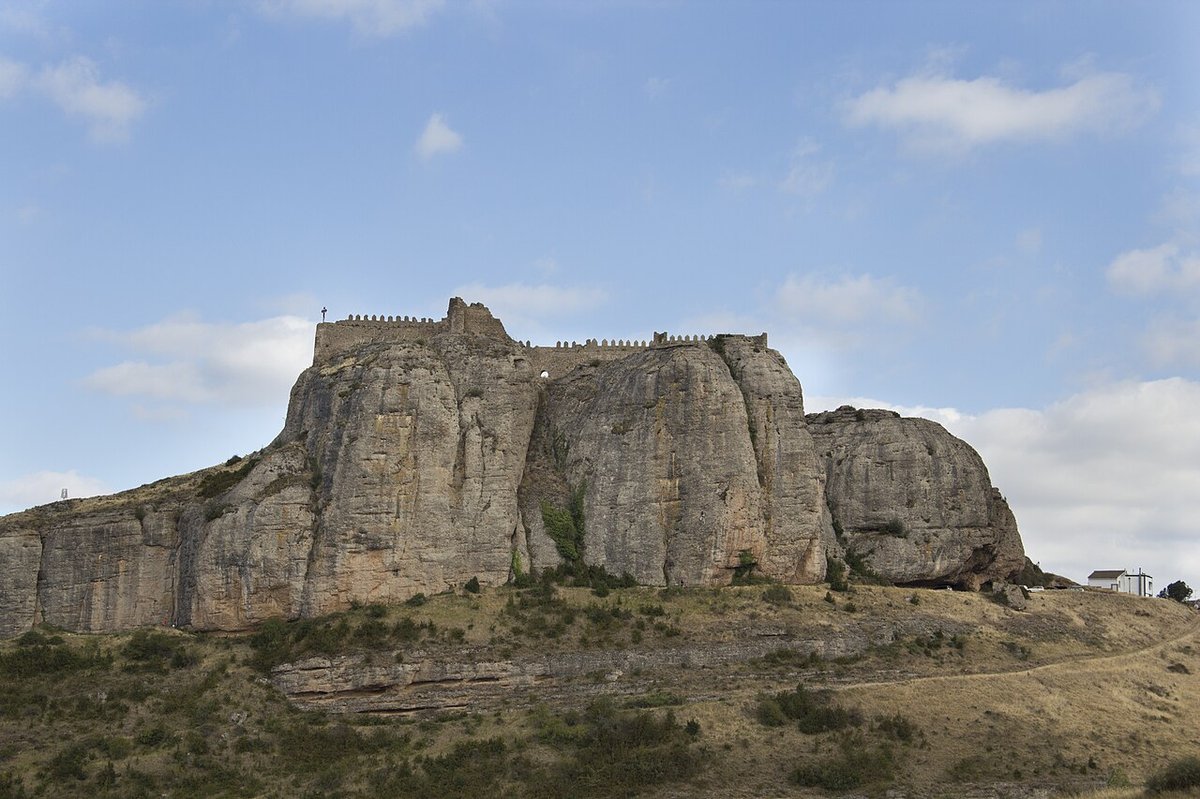
Uno de los puntos conocidos por aquí es el Peñón de Socovesa. No es un mirador con barandillas o paneles informativos. Es simplemente un lugar donde la tierra cae de repente y la vista se abre.
Desde ahí ves cómo el terreno se desploma hacia la garganta del río Linares. Es esa clase de vista que te hace pararte un momento, como cuando detienes el coche en una carretera de montaña solo para quedarte mirando.
De esta zona salen varios caminos y pistas forestales. Unos bajan hacia el río; otros se meten más en el bosque tradicionalmente viene gente a buscar setes después de las lluvias otoñales siempre con cuidado y sabiendo lo que coge). Cuando llueve mucho antes), los colores del bosque son especialmente intensos), cosa que atrae a gente con cámara).
Cómo moverse por aquí: carreteras lentas y botas cómodas
Lo normal es llegar desde Logroño), siguiendo la LR-113 hasta Torrecilla en Cameros). A partir de ahí), las carreteras se estrechan curvas suaves), bosque a los lados), prados que aparecen entre los árboles).
Conducir por aquí tiene el feeling)de una carretera rural)de las)de antes). Nada especialmente complicado), pero mejor tomárselo con calma).
Si piensas andar), calzado resistente ayuda). Muchos caminos son pistas)de tierra)o piedra suelta). Llevar agua)o algo)para comer también es sensato). En pueblos)de este tamaño), los servicios son básicos)y no siempre están disponibles).
Soto en Cameros funciona mejor con las expectativas claras). No es un sitio)para llenar un día)a base)de planes). Se parece más)a una pausa larga en mitad)de la sierra). Sales)a andar), le dedicas un rato al paisaje)y vuelves con la sensación)de que), al menos por un rato), el tiempo ha ido más lento